Try fabric wrapping for a reusable gift presentation
Choose cloth that fits the object and make the return or reuse arrangement clear.
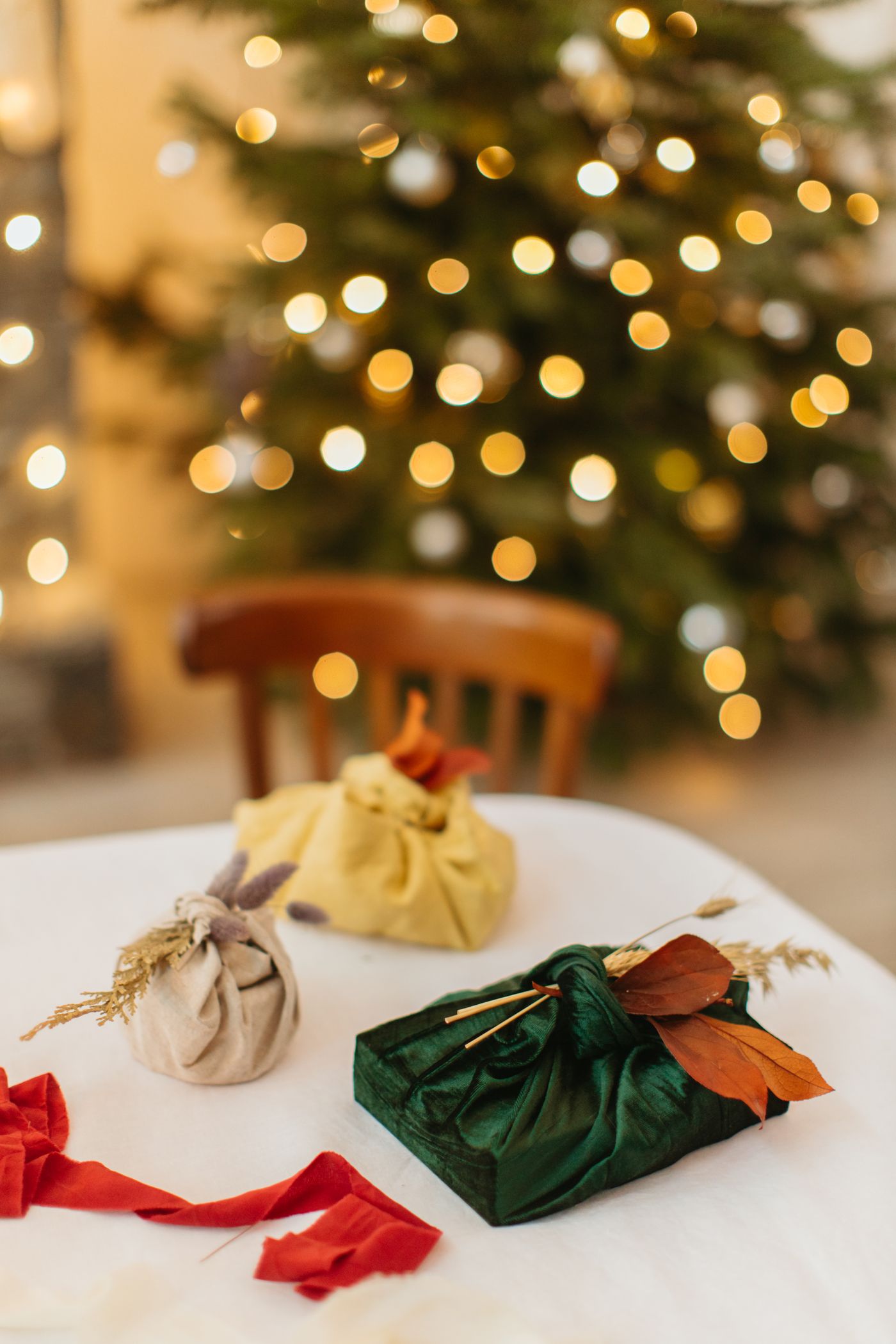
Fabric wrapping can become part of a gift, or it can be packaging returned to the giver. Decide which before choosing the cloth and make the arrangement clear. A recipient should not have to guess whether a favourite scarf is theirs to keep or a borrowed wrapping that needs to be saved.
Use clean fabric suitable for the object and the intended knot or fold. A square cloth is convenient for many shapes, but size and thickness matter. Very stiff material may create bulky knots, while delicate cloth may not tolerate tension around a heavy package.
Test the fit without forcing it
Place the gift in the centre and bring opposite corners together. Check whether the remaining fabric can cover the sides and form a secure, manageable closure. If the ends barely meet, use a larger cloth rather than pulling hard enough to distort the fabric or damage the package.
For a simple box, fold two opposite corners across the top, then bring the other pair together and tie them if the material allows. Adjust the folds so that the object is covered and stable. There is no requirement to use one particular traditional technique unless you have chosen to learn it accurately.
Keep weight and fragility in mind
Do not rely on the knot as a carrying handle unless the cloth and arrangement are genuinely suitable for the load. Support the gift underneath. Protect fragile contents independently; attractive fabric does not replace cushioning or a stable container.
Keep cloth away from direct contact with food unless it is appropriate for that use. For cosmetics or other products that could leak, retain their suitable packaging. Fabric should not conceal required labels or instructions from the recipient.
Attach a separate tag in a way that does not damage the cloth. A simple note can explain that the fabric is included and suggest no more than an optional future use. Avoid giving the recipient a sustainability assignment along with the present.
Let the shape determine the fold
A flat book and a tall jar need different amounts of fabric even if their largest dimensions look similar. Test with the actual packaged object before cutting or choosing a cloth. Keep the object's normal protective container where needed, and check that the finished folds do not place pressure on a fragile corner or lid.
For a group of small gifts, place them in a suitable box before wrapping if they would otherwise shift apart. Fabric can hold a shape neatly, but it should not be expected to keep several unstable objects aligned during transport. Lift the finished package carefully from underneath and check it before handing it over.
If the fabric is itself a gift, choose a piece the recipient might actually use. A tea towel, scarf or plain cloth all have different care and use requirements. Keep any relevant label or instructions available, and do not describe the material as suitable for food or another use without knowing that it is.
After trying the method, keep what worked and change what did not. A cloth that is beautiful but difficult to tie may be better used as a liner or a loose cover secured differently. Reusable presentation is useful when the material genuinely has another life, not merely when it replaces paper once.