Home & Living
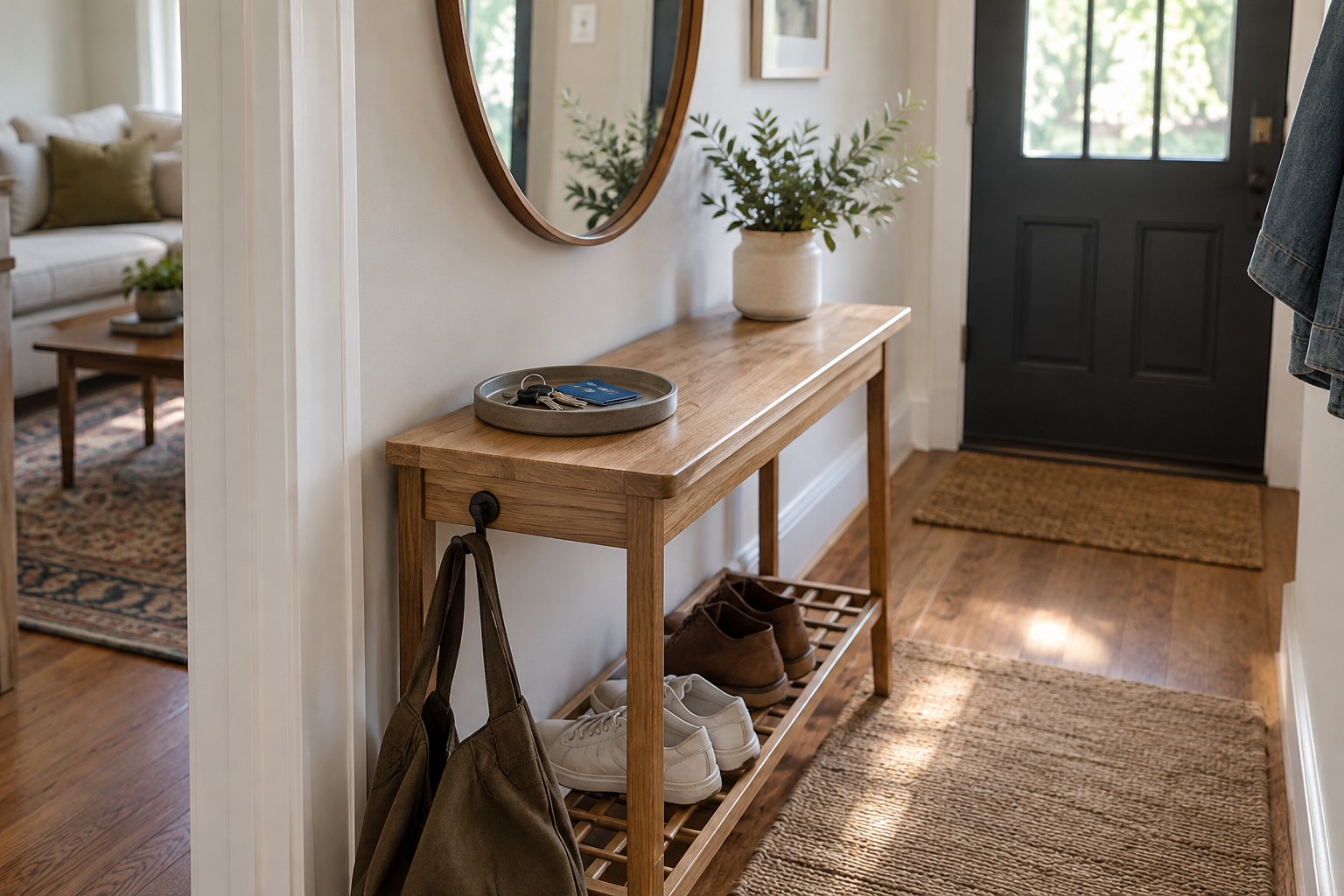
An entryway drop zone that does not become a dumping ground
Separate the things arriving today from the possessions that need a permanent home.
THE COLLECTION / 43 ARTICLES
Rooms, storage and the things that make a home work.
No articles match this search. Try another word or clear the field.
Separate the things arriving today from the possessions that need a permanent home.
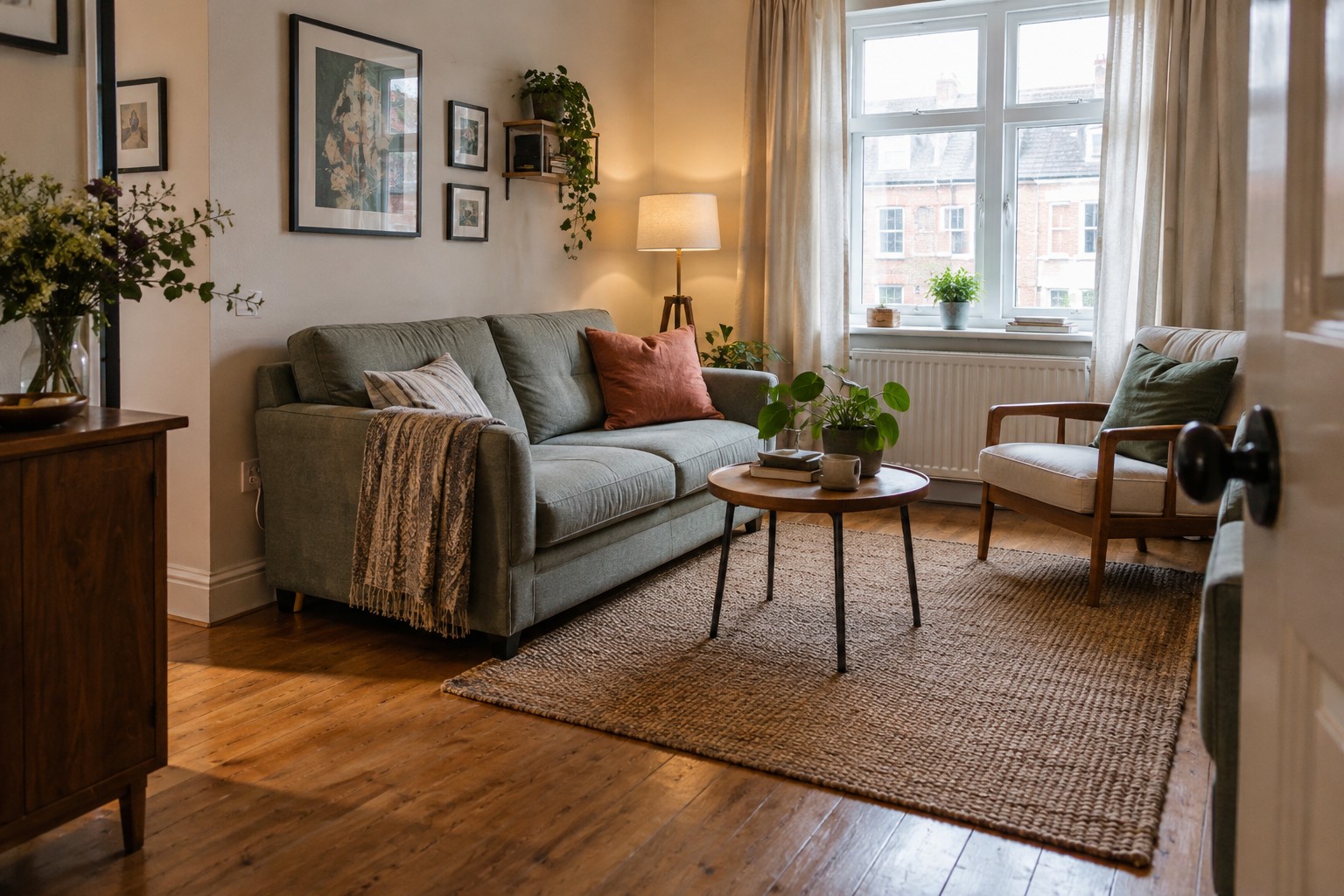
Start with the routes through the room, then decide which extra seats and surfaces earn their space.
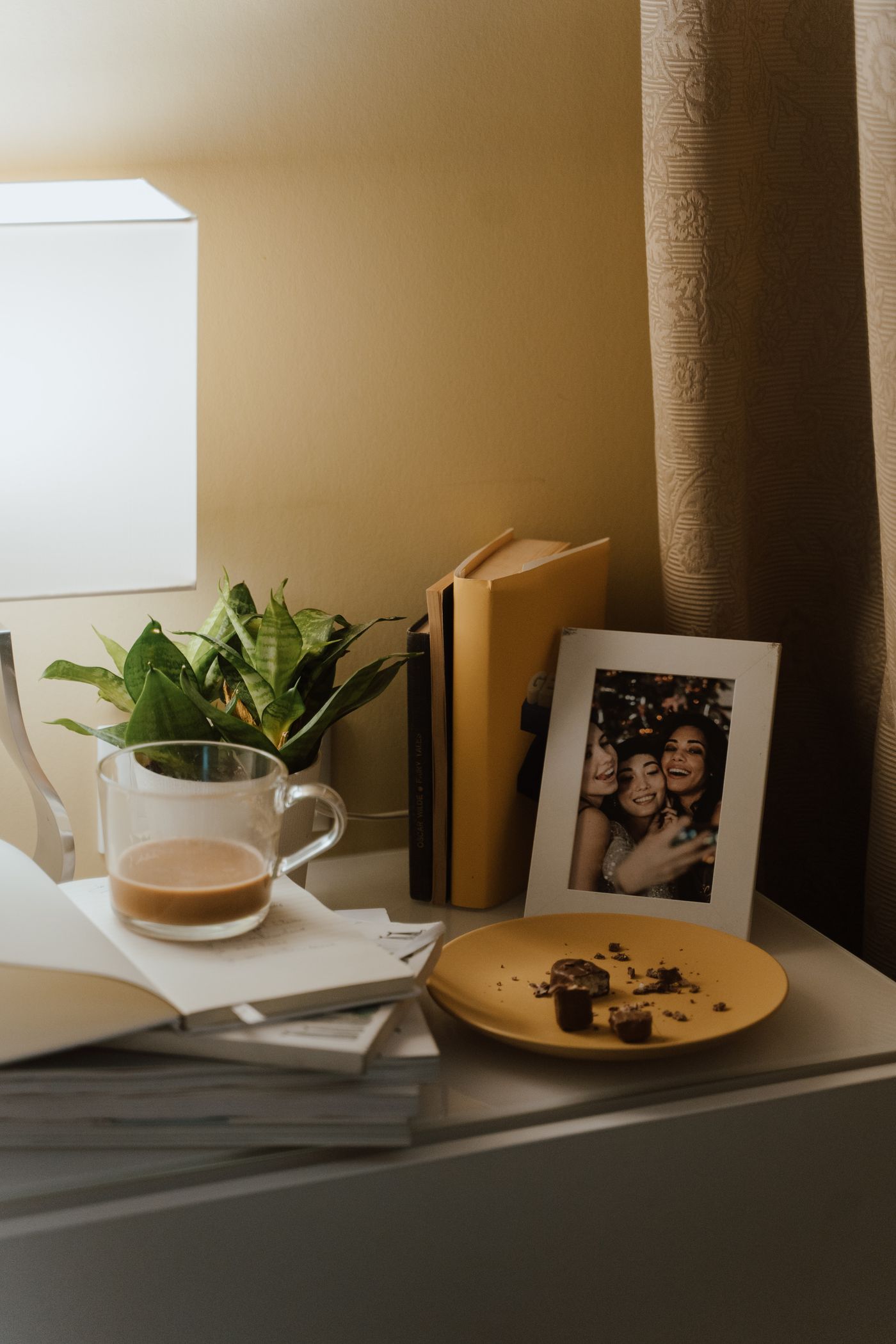
Height, reach and the shape of the base matter as much as the tabletop.
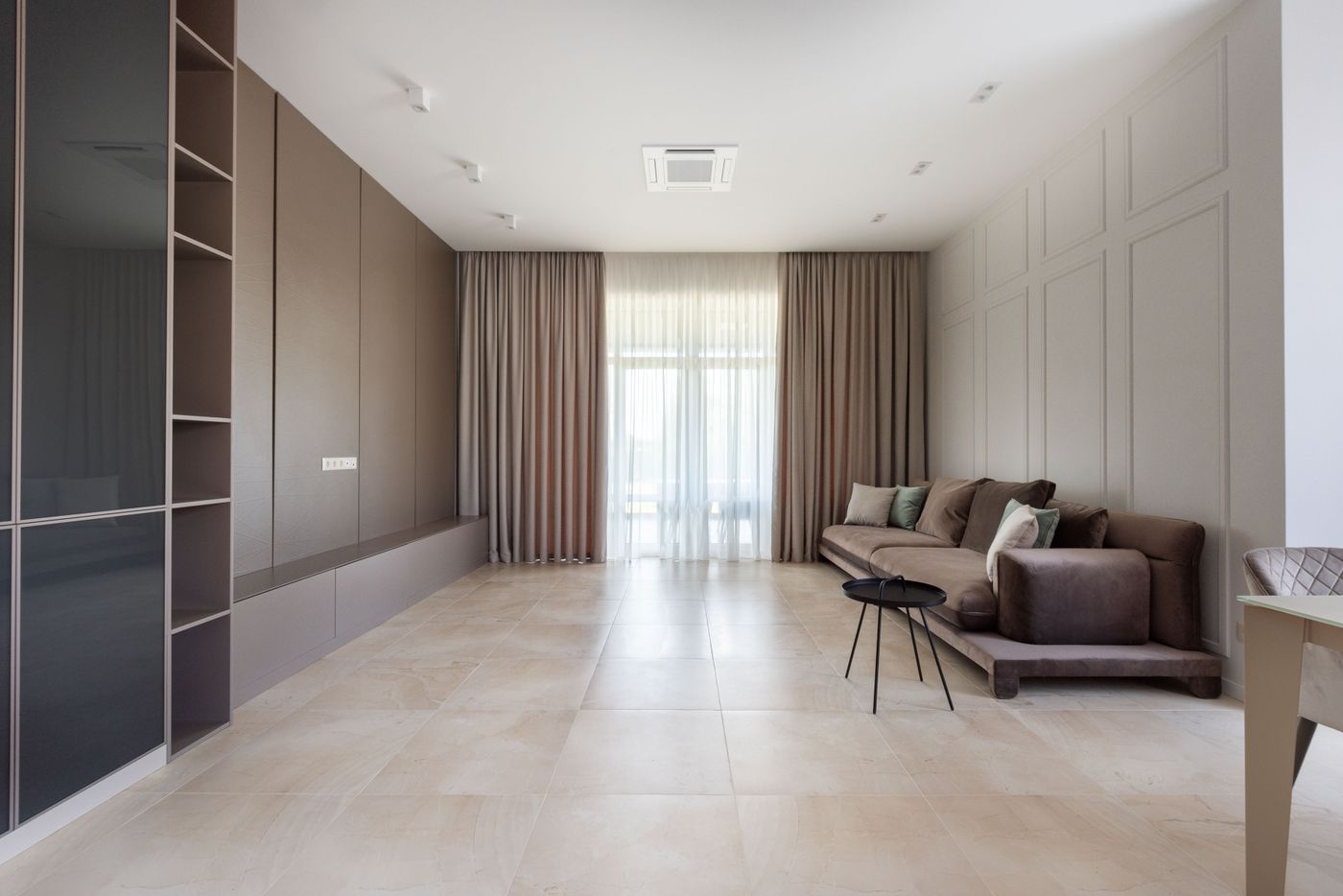
Choose the endpoint around the room's use, then measure from the actual hanging system.
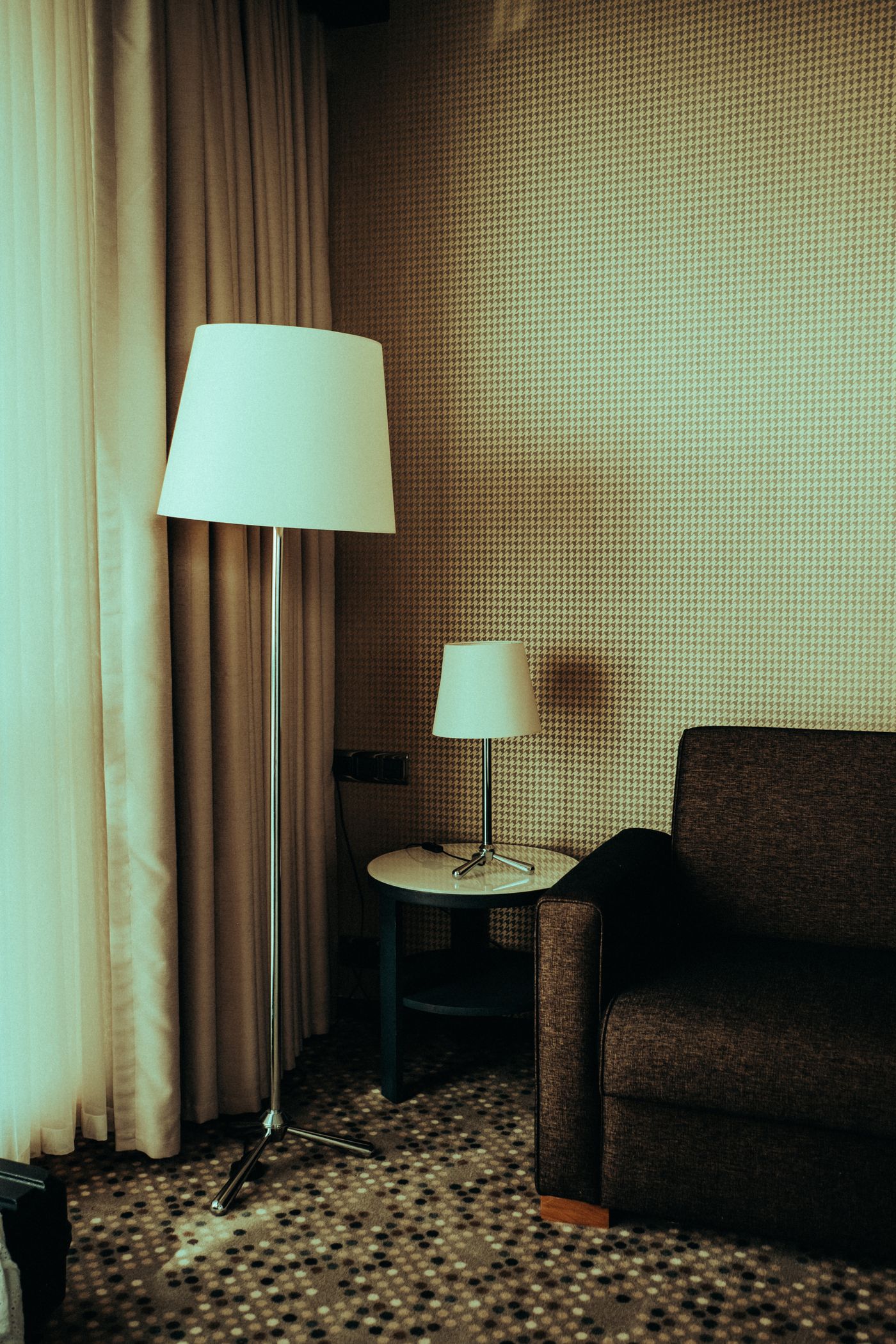
Give reading, conversation and moving around the room their own usable light.
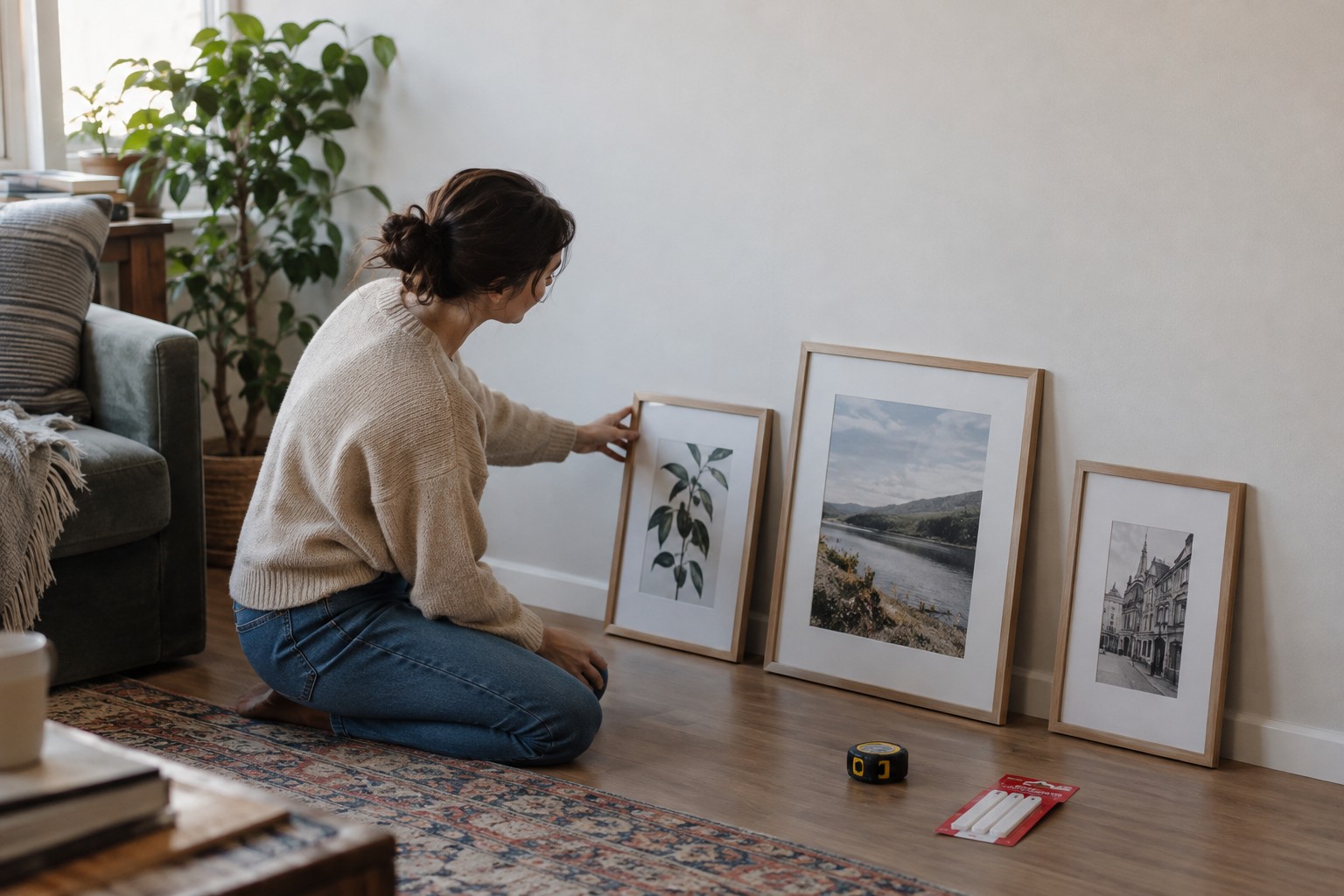
Separate the visual arrangement from the question of how the wall can safely support it.
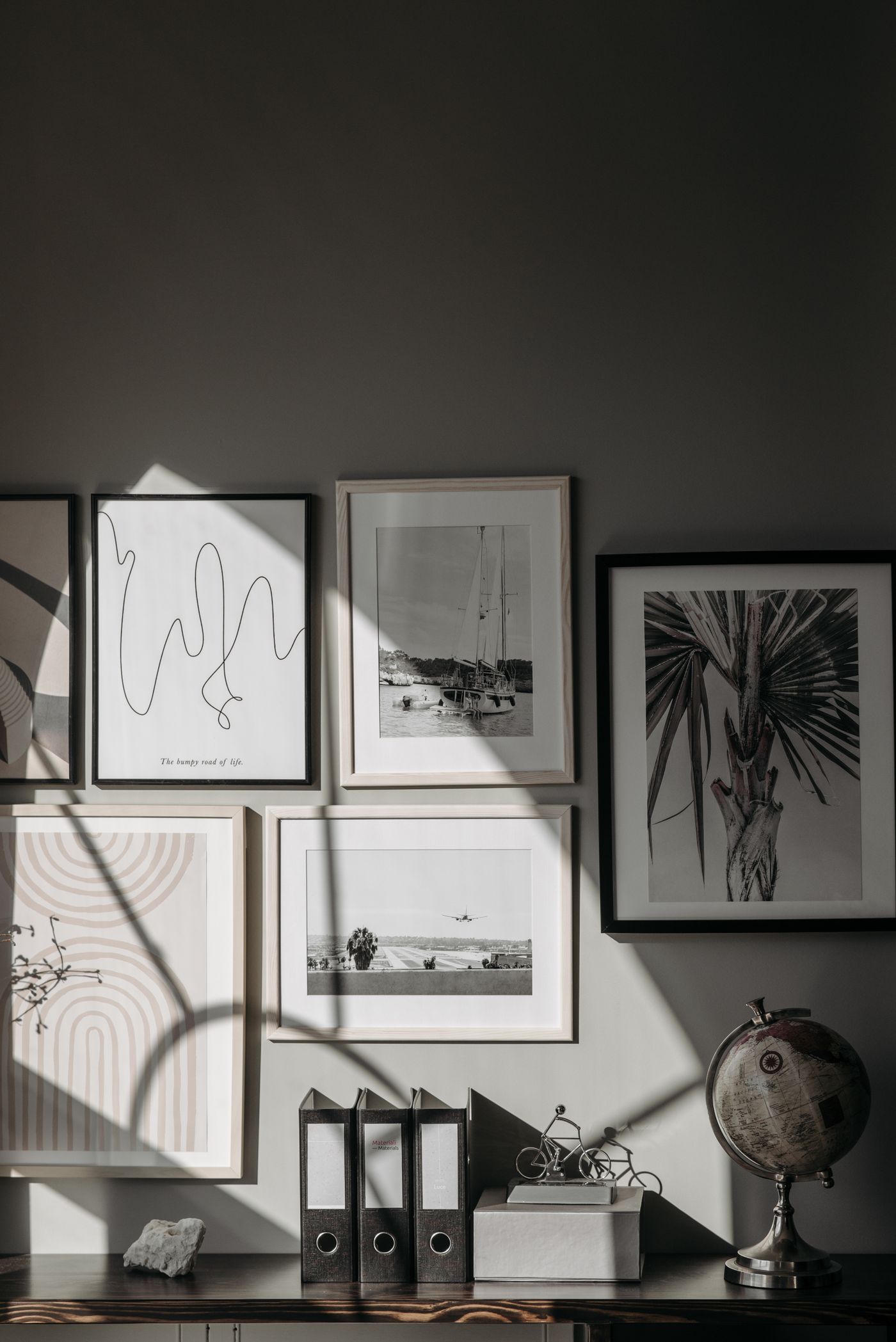
Use relationships between frames instead of trying to make every picture match.
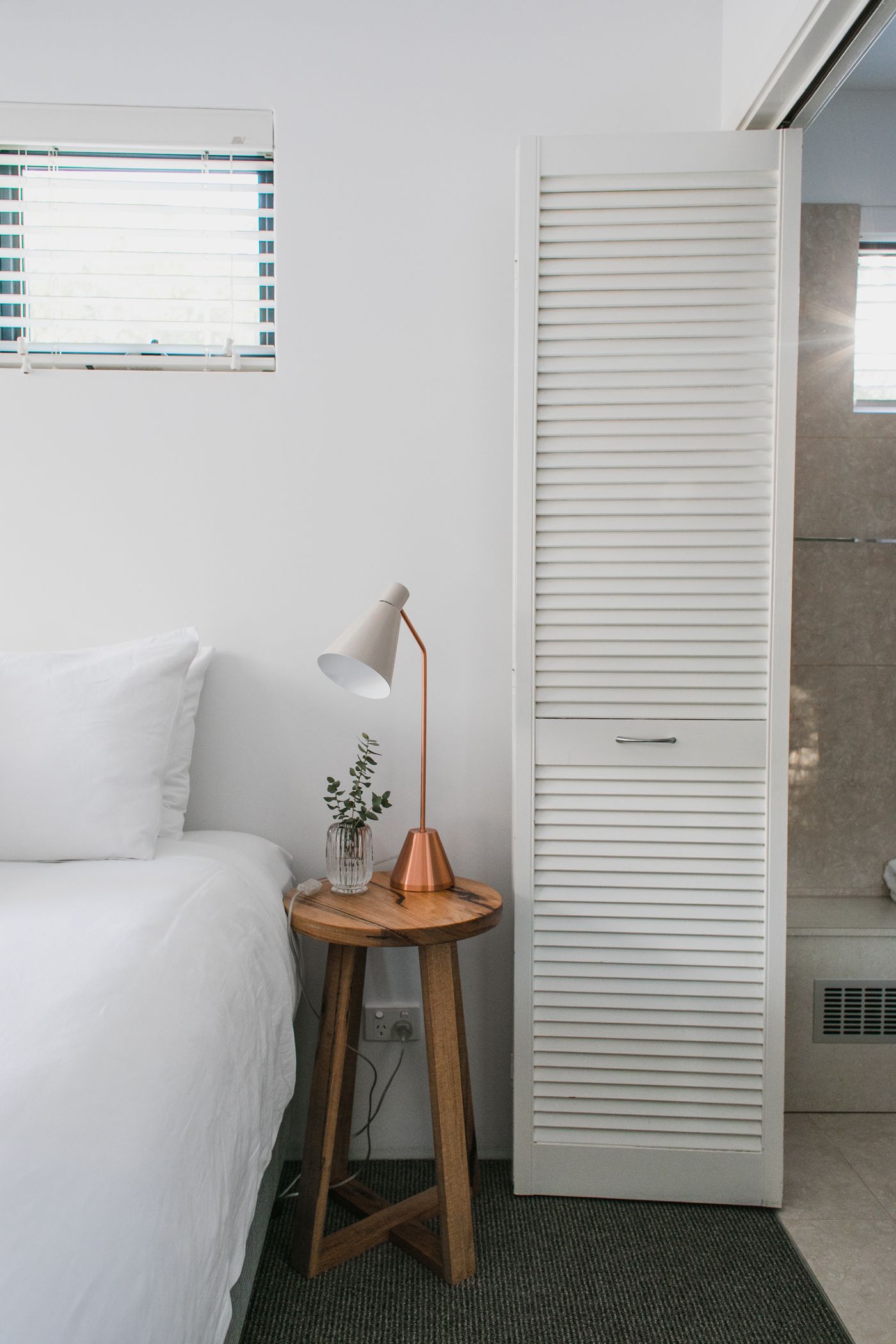
Keep the things used at bedtime within reach without turning the surface into general storage.
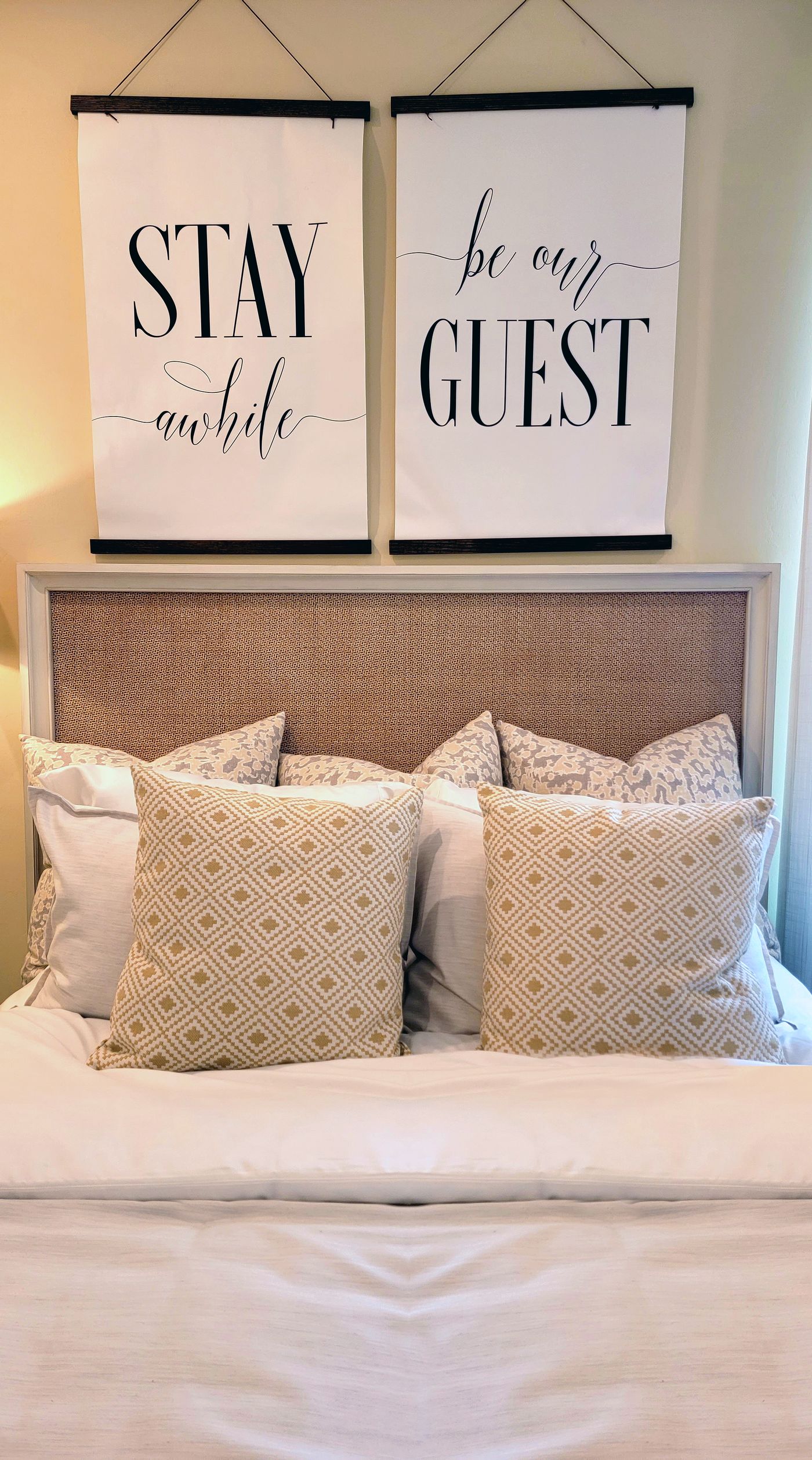
A clear place for a bag and usable bedside lighting matter more than a crowded welcome display.
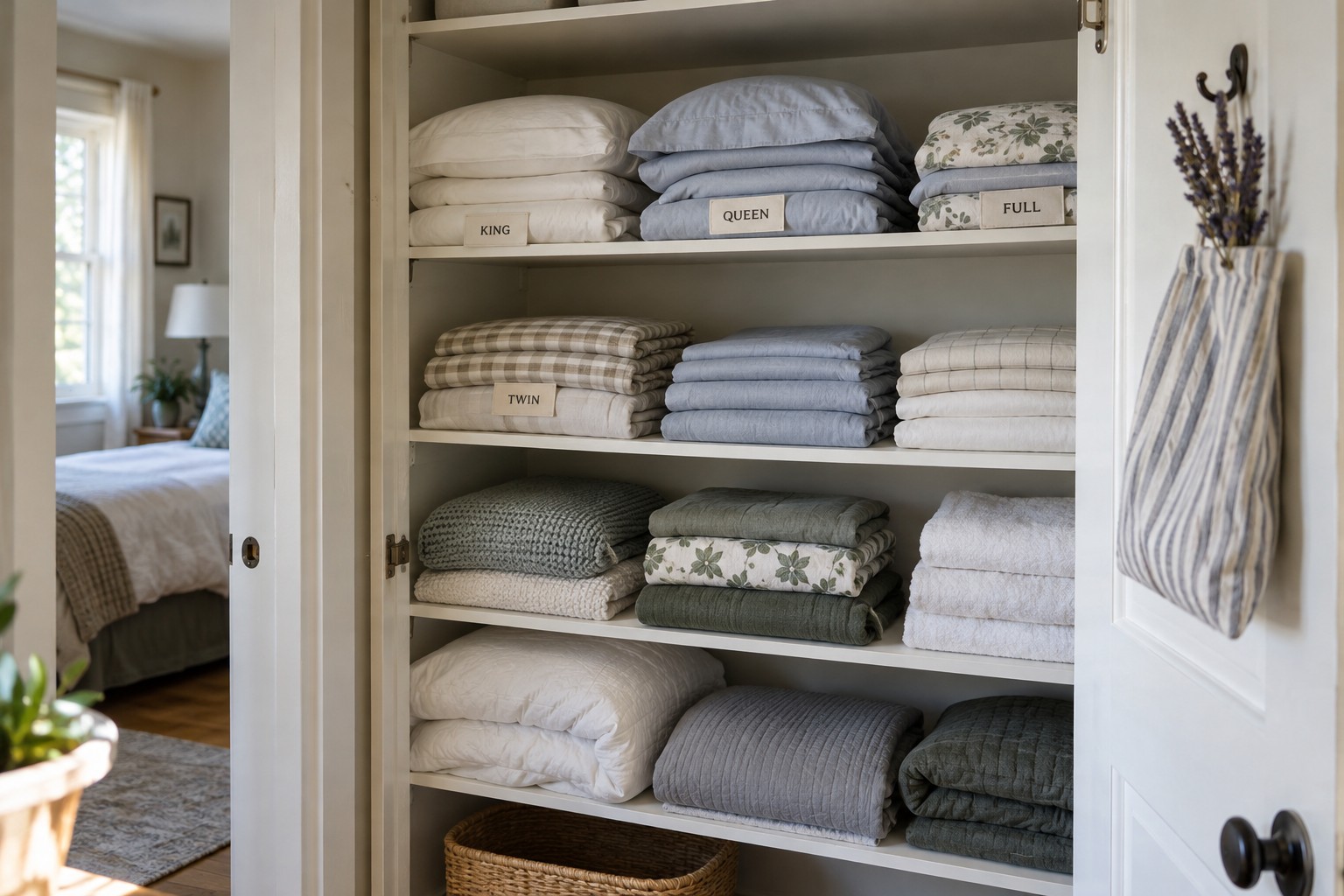
Let bed size and the frequency of changes determine the arrangement.
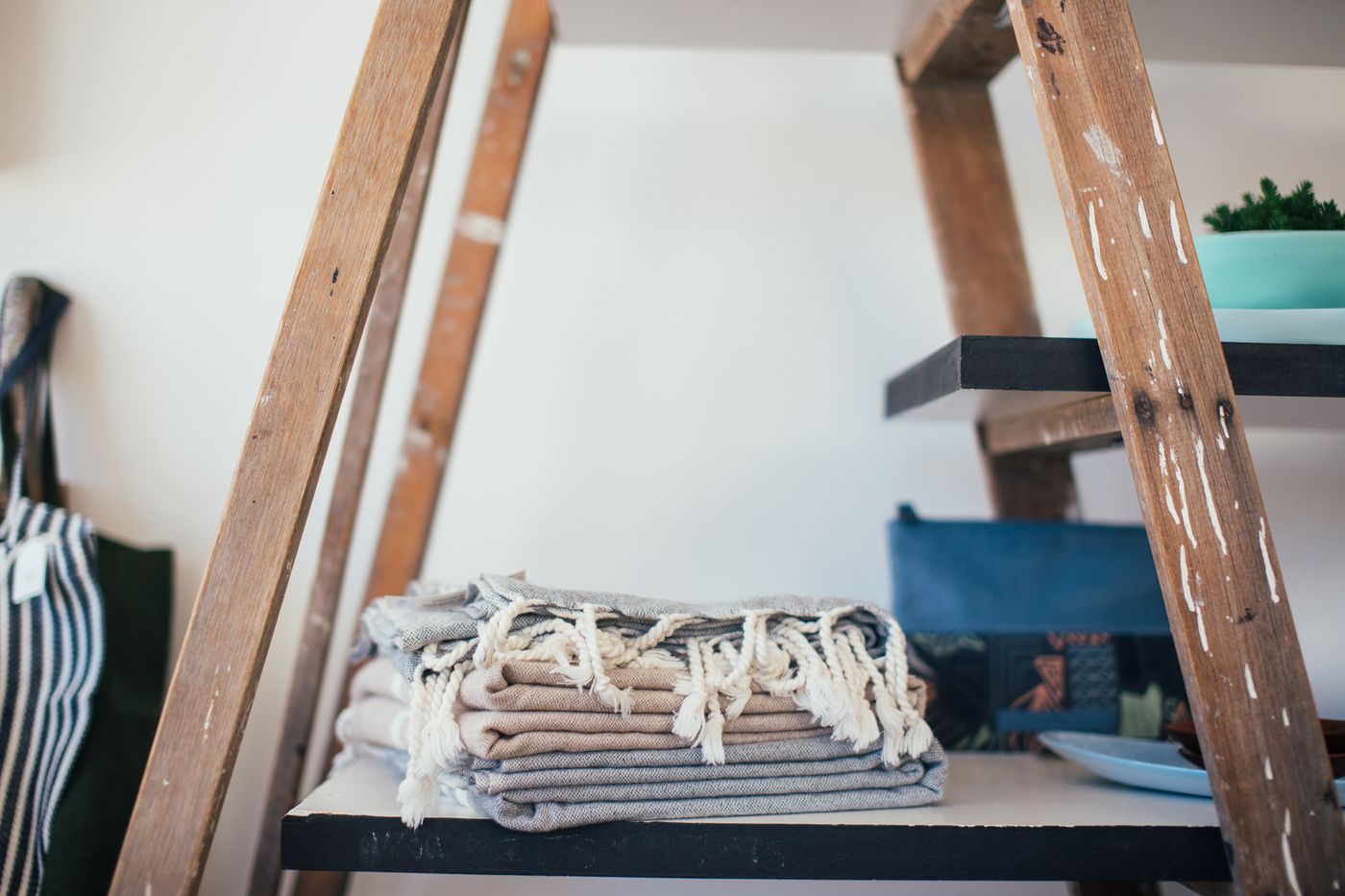
Separate clean reserves from towels that need space to dry after use.

Keep daily products close while protecting the space needed for washing and getting ready.
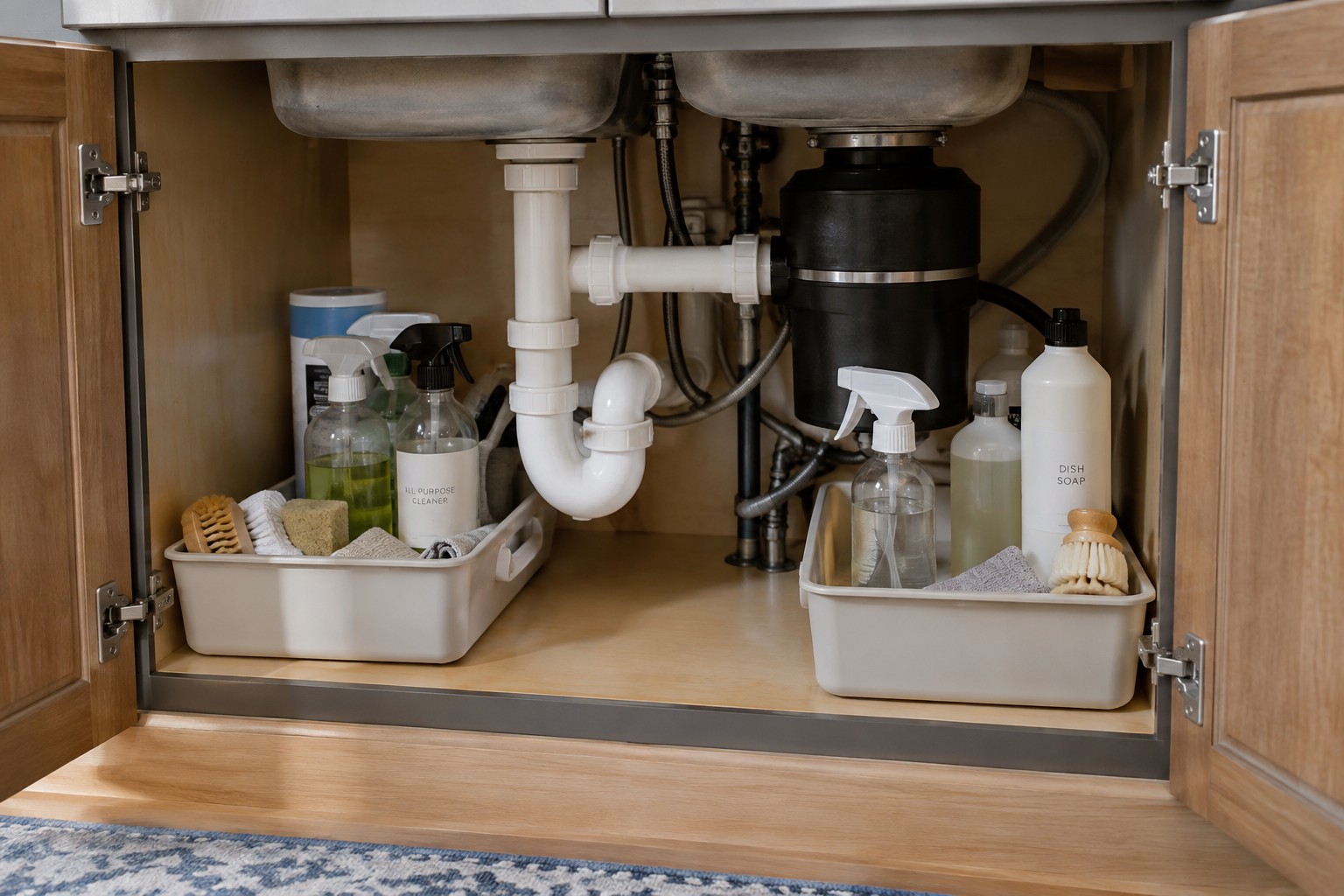
Work around pipes and access points instead of treating the cupboard as an empty rectangle.
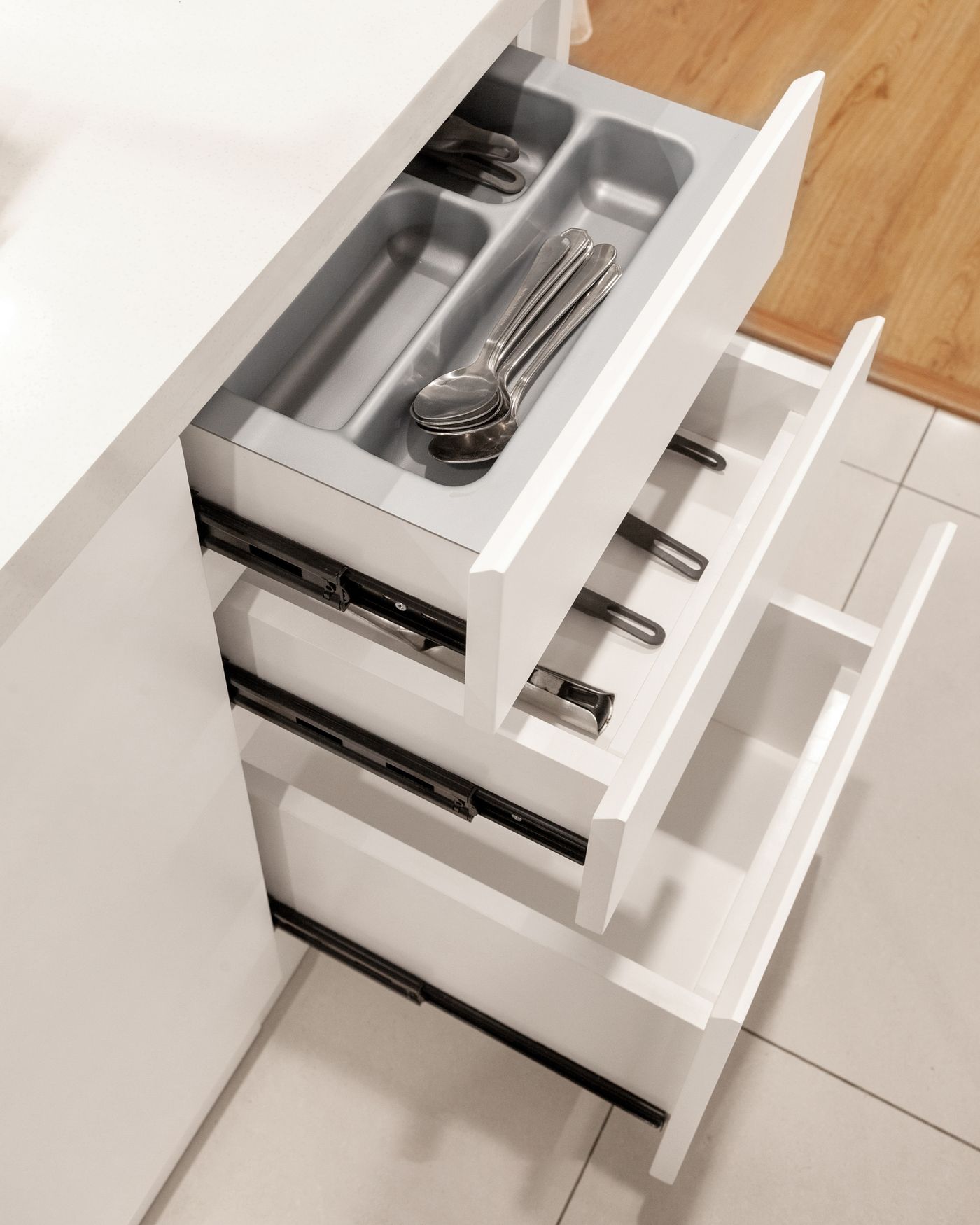
Sort tools around the way you cook and the drawer's real dimensions.
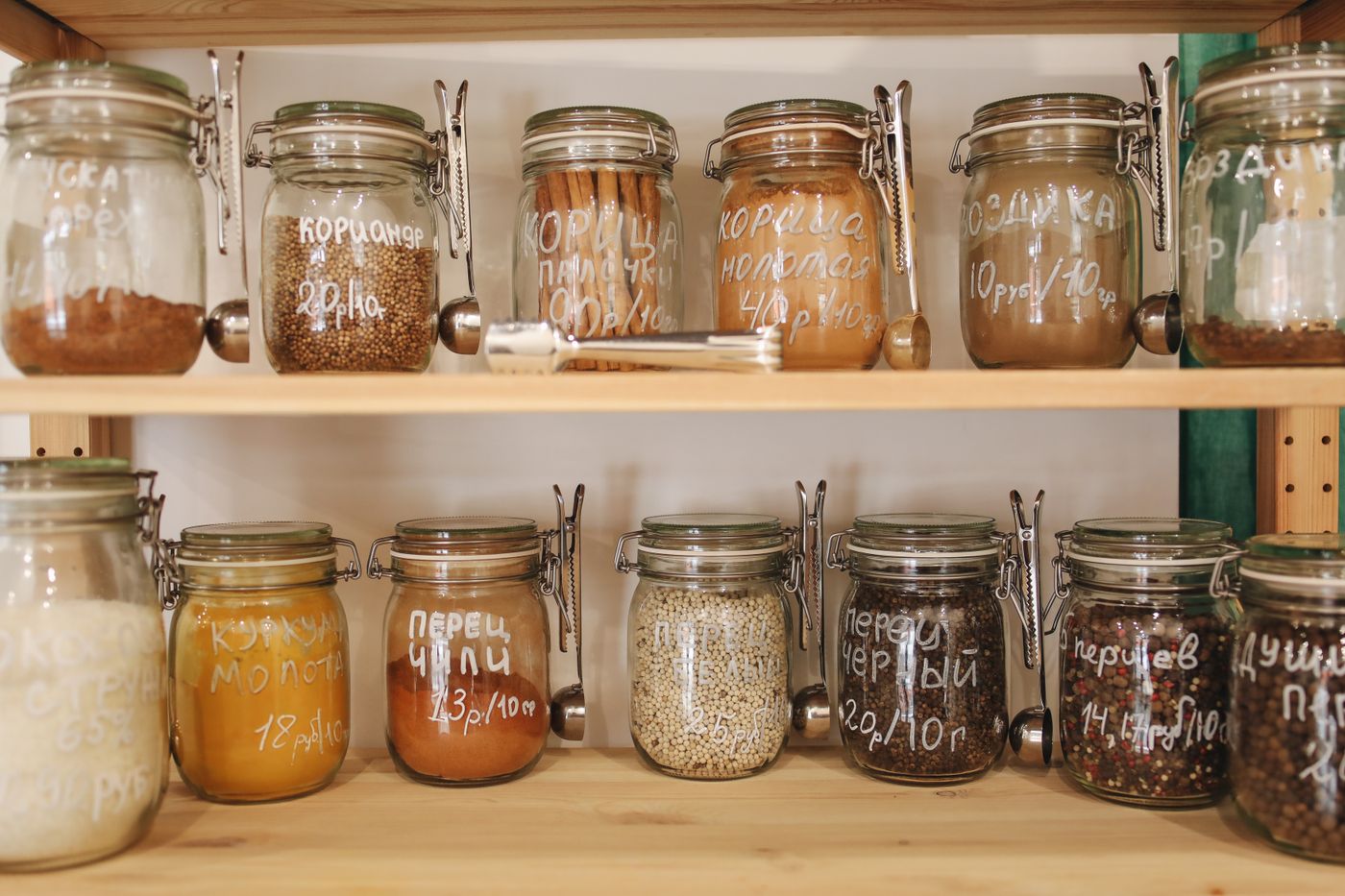
Keep ingredients together when they are used together, while preserving labels and access.
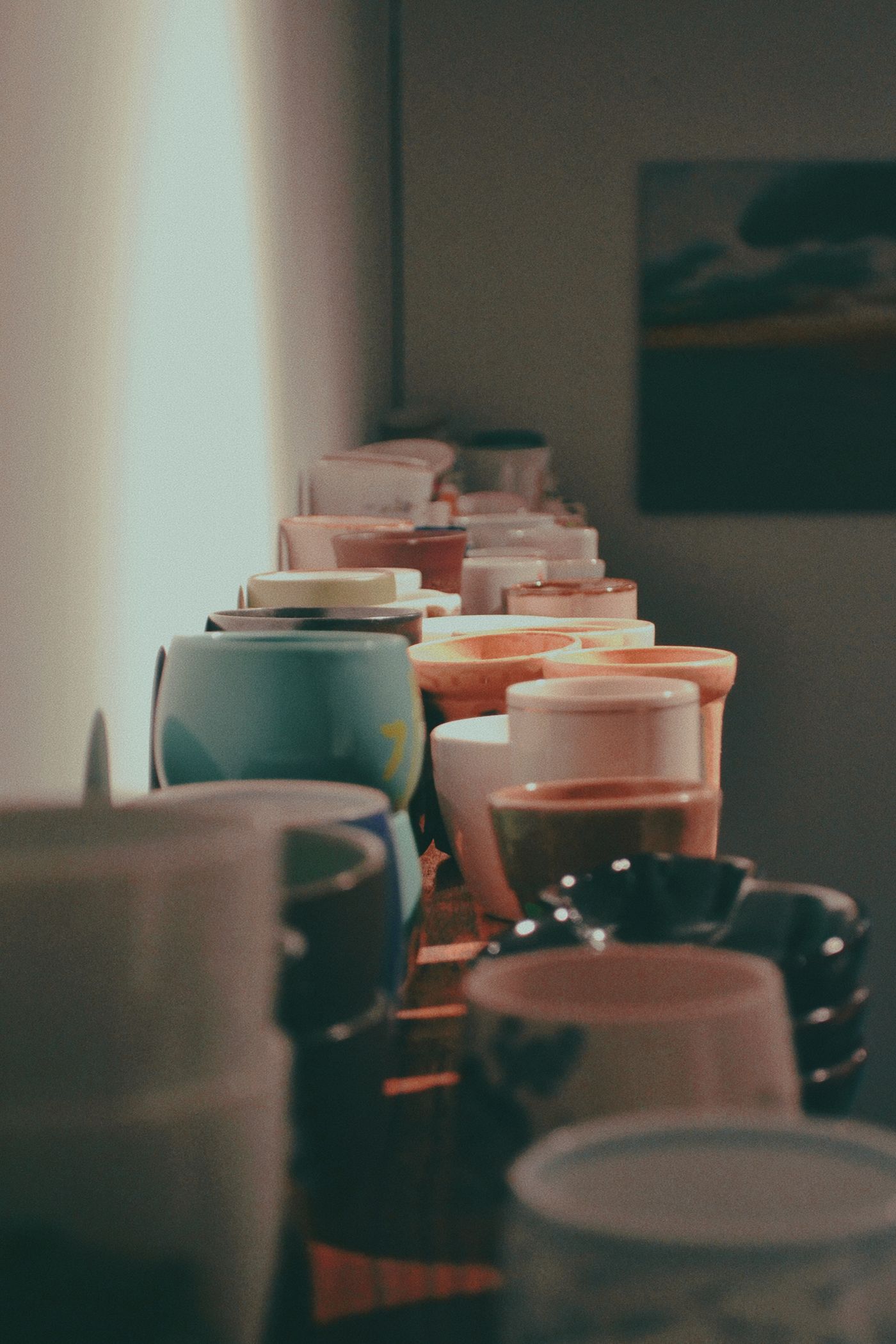
Separate everyday favourites from the cups kept for occasions or memories.
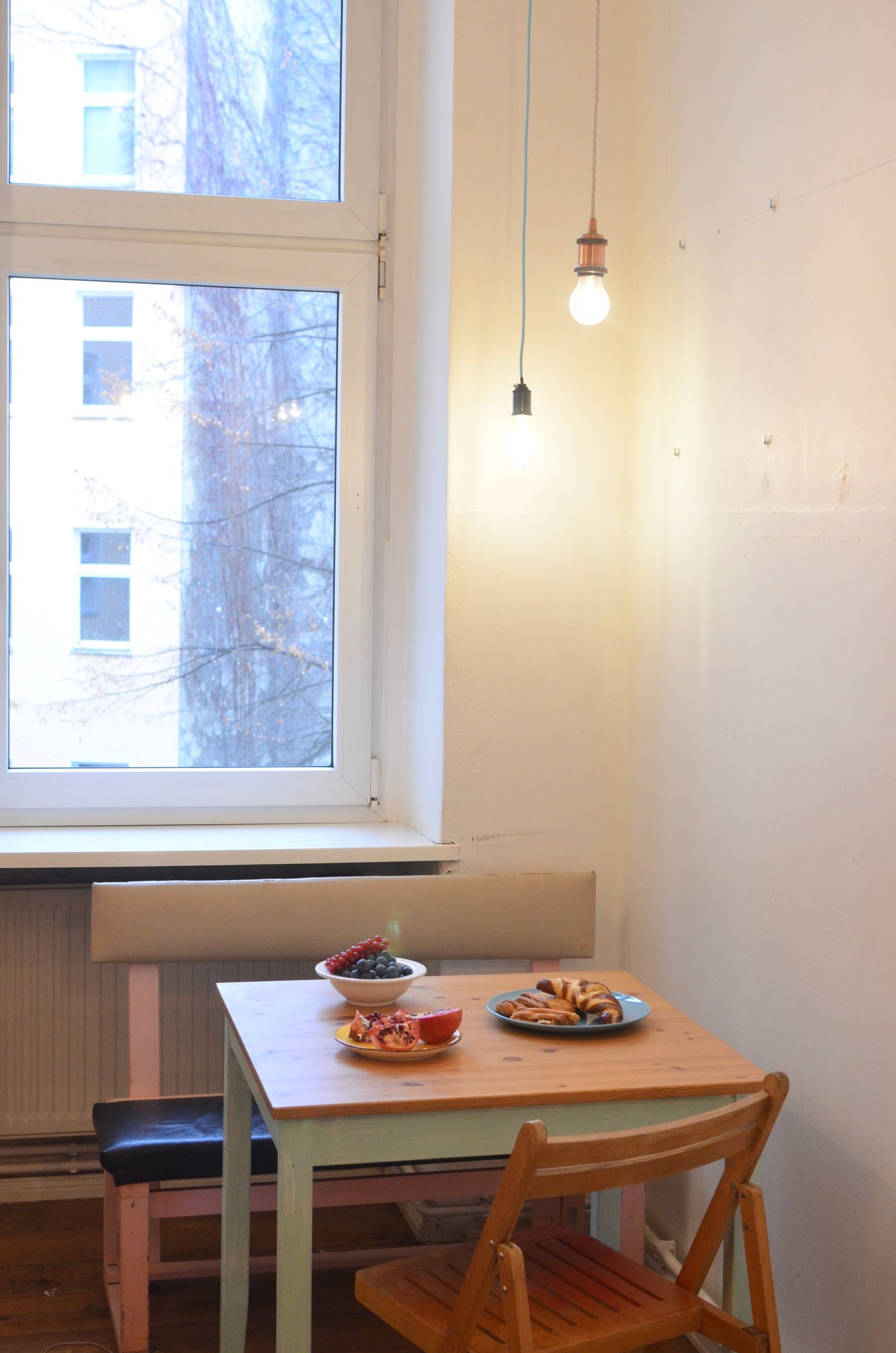
Measure the space needed by people and chairs, not just the table's outline.
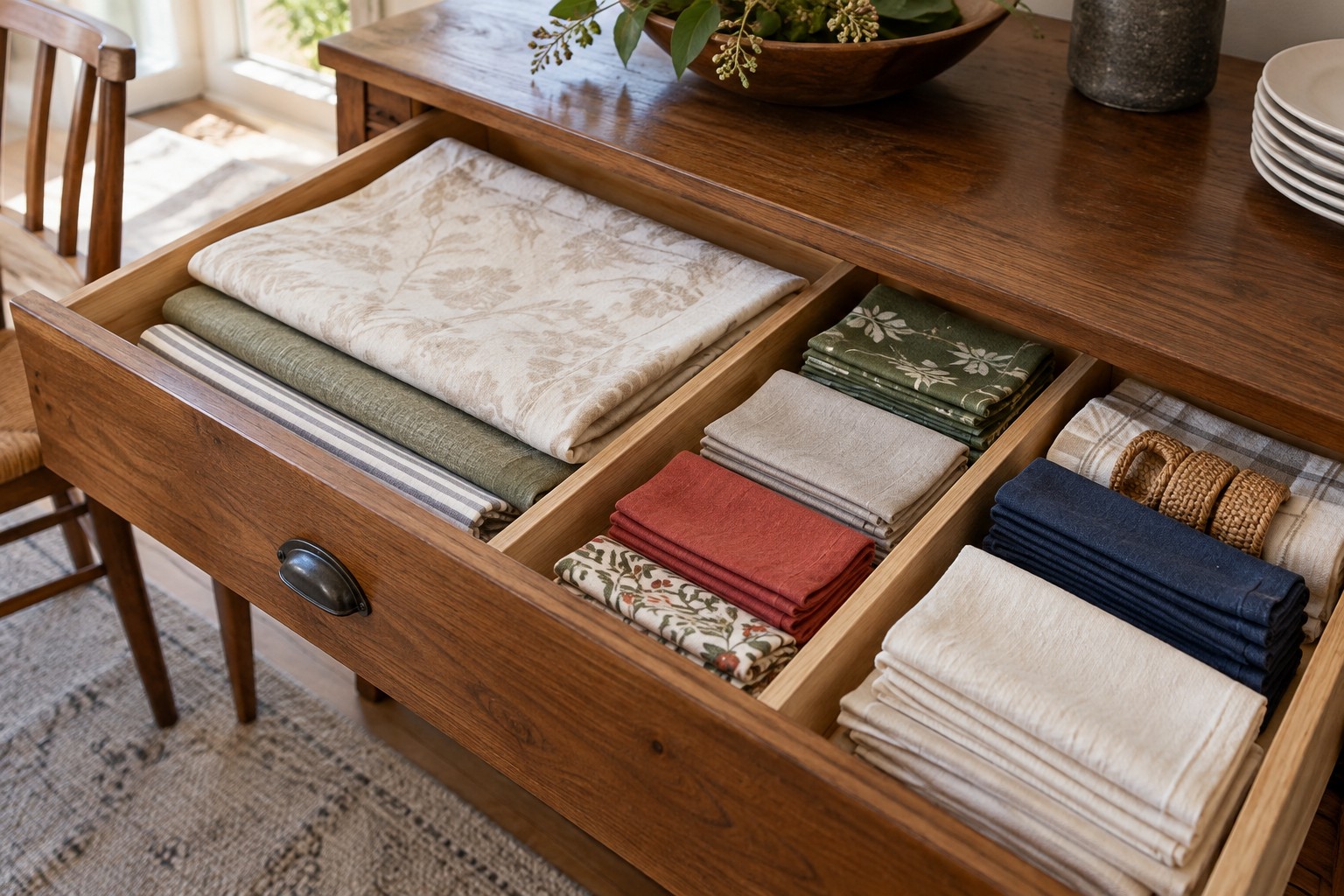
Make size, occasion and completeness visible before you unfold a stack.
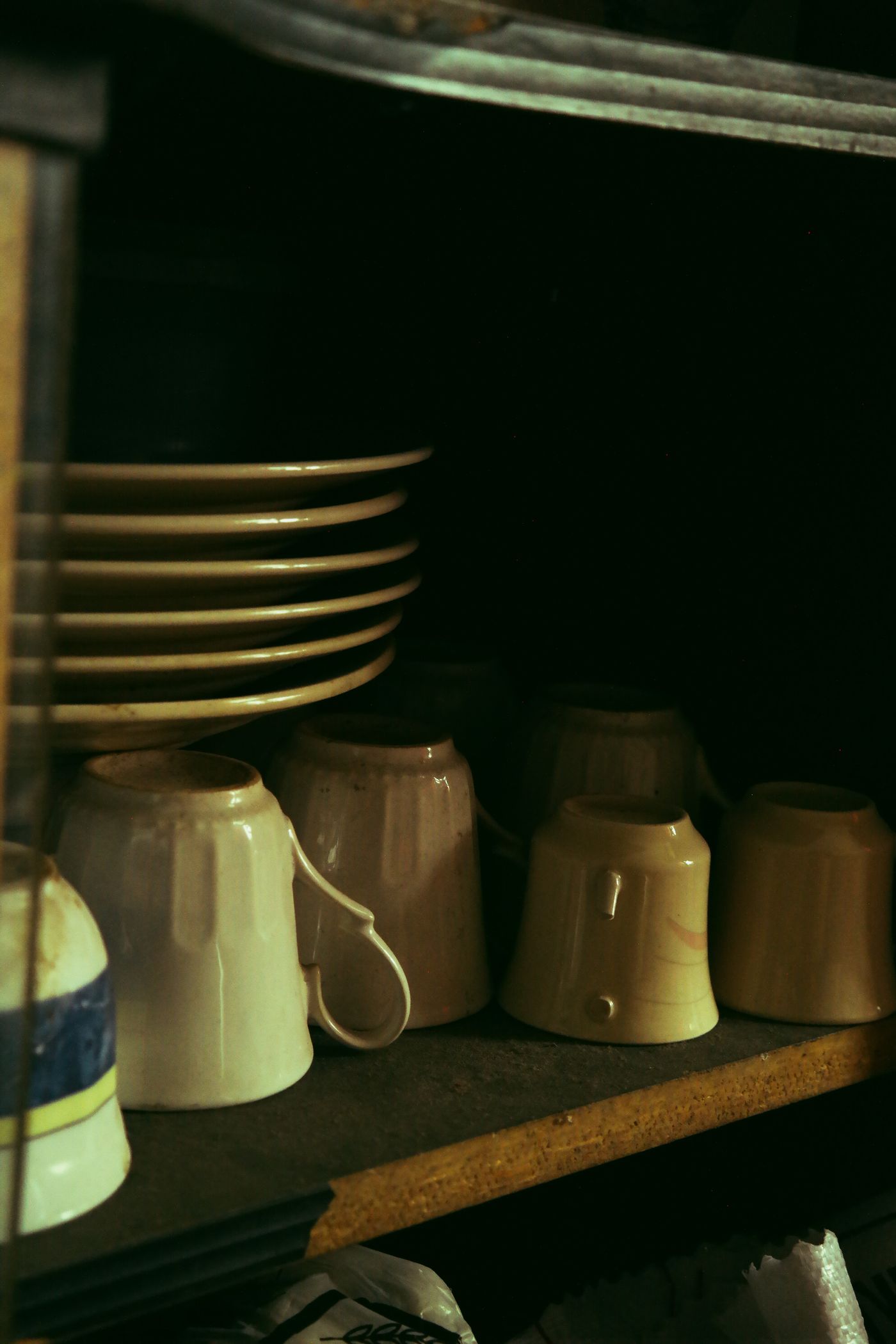
Let frequently handled objects shape the display rather than designing around untouched ornaments.
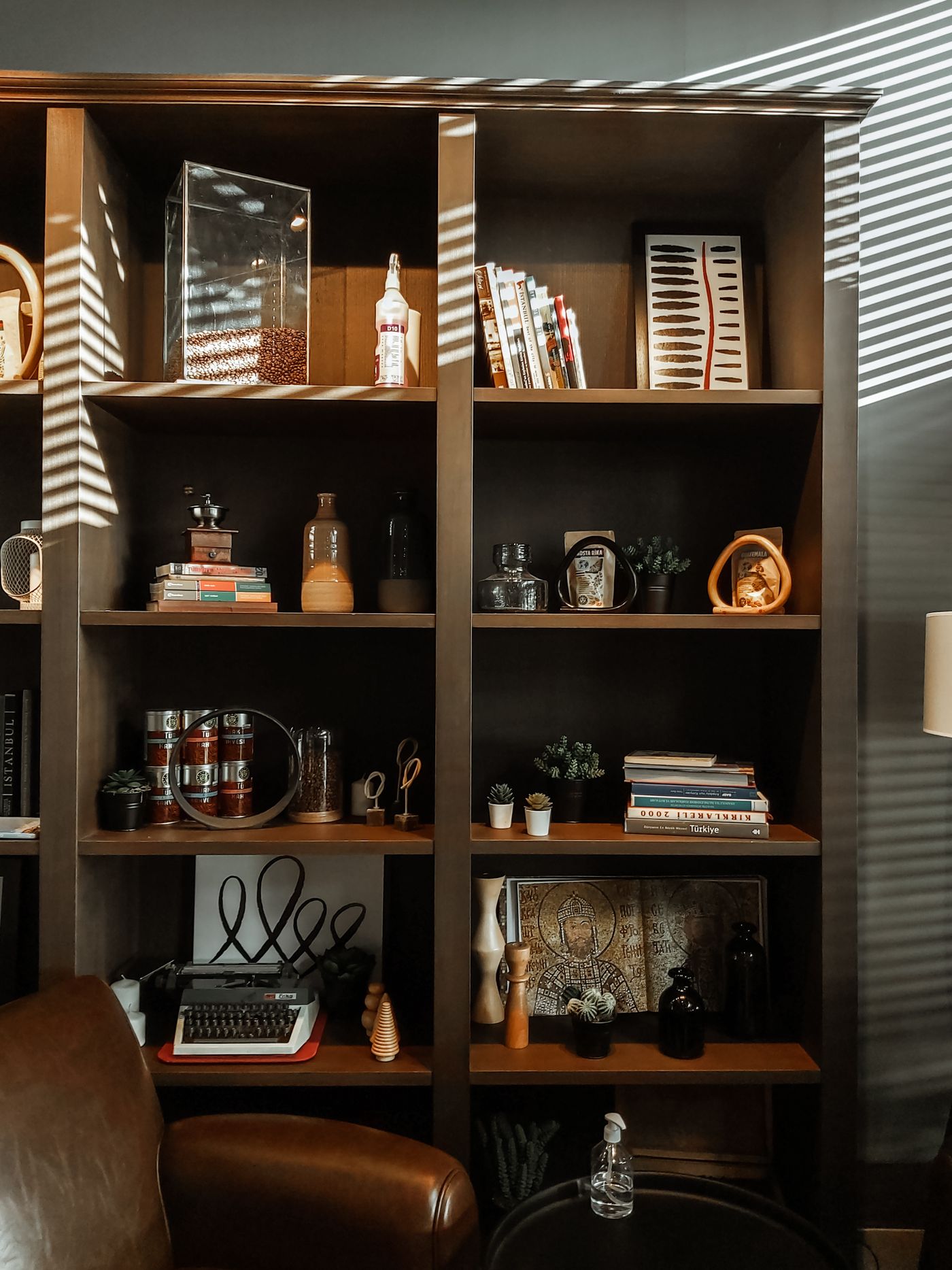
Separate the reading collection from the objects that have gradually joined it.
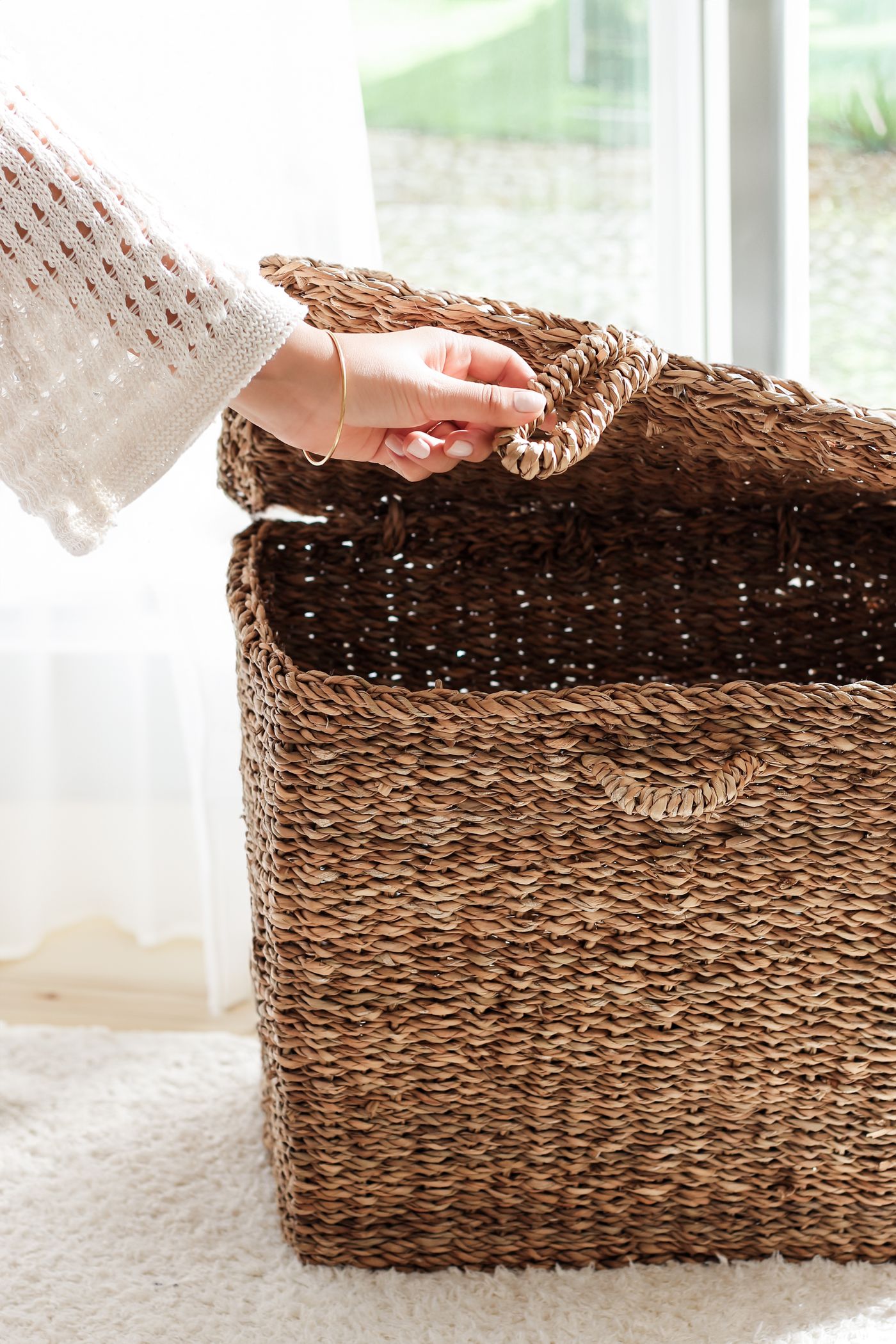
A basket helps when its contents can be named and returned without sorting through a mixture.
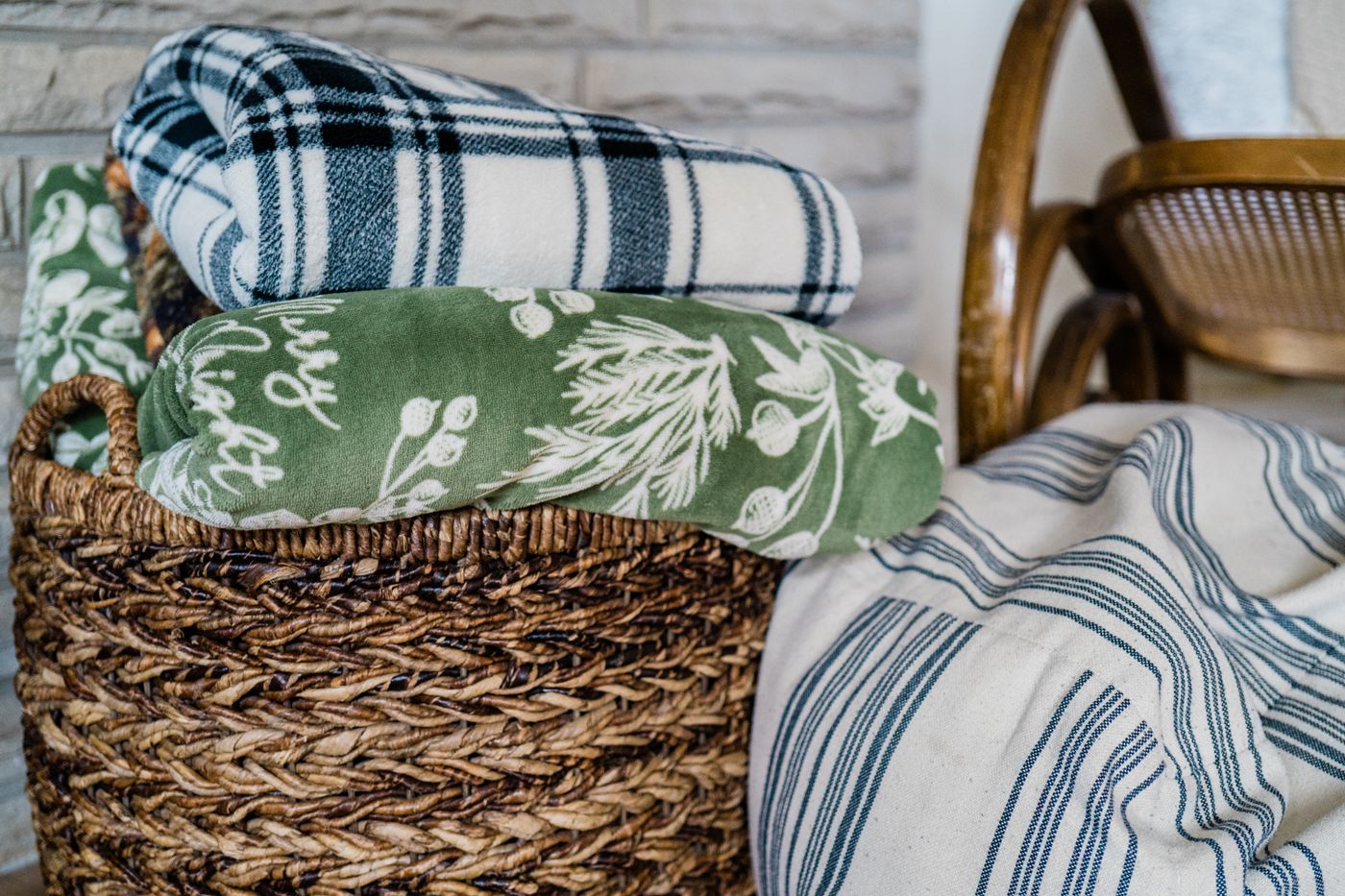
Choose a resting place that is easy to reach and equally easy to put away.
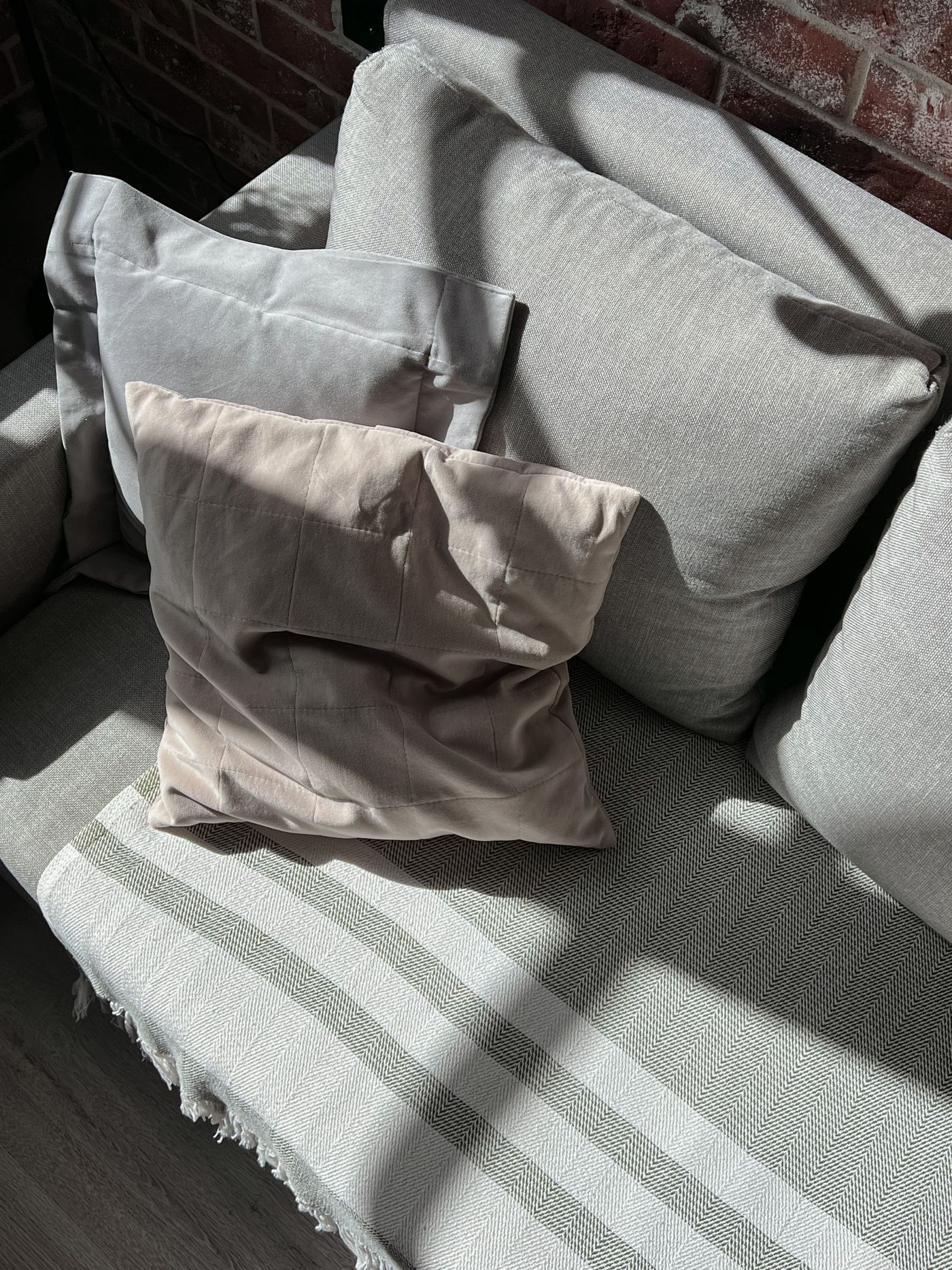
Start with the seat and the room's existing colours, then choose a small number of useful cushions.
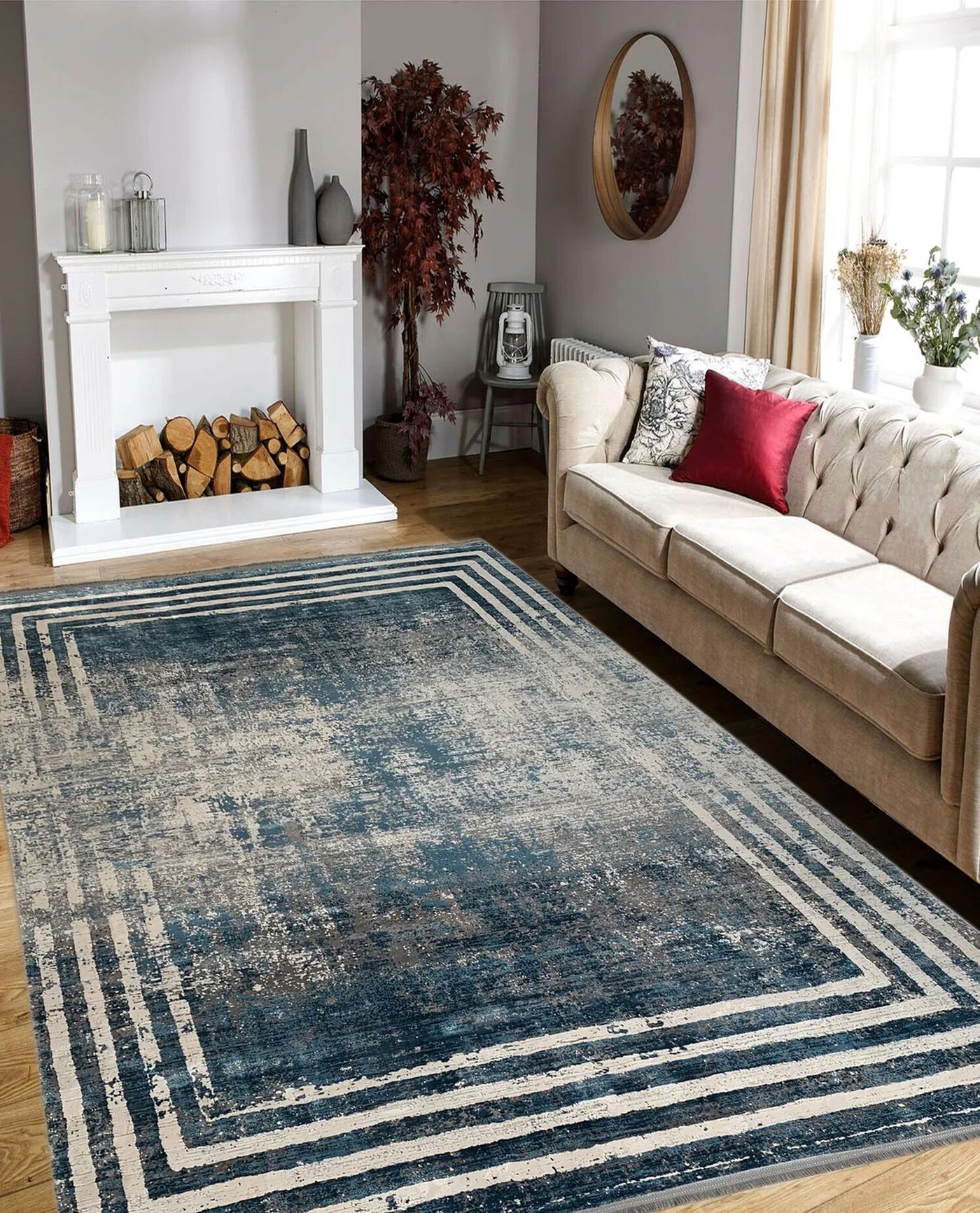
Use the seating arrangement to judge scale, then check doors, edges and everyday movement.
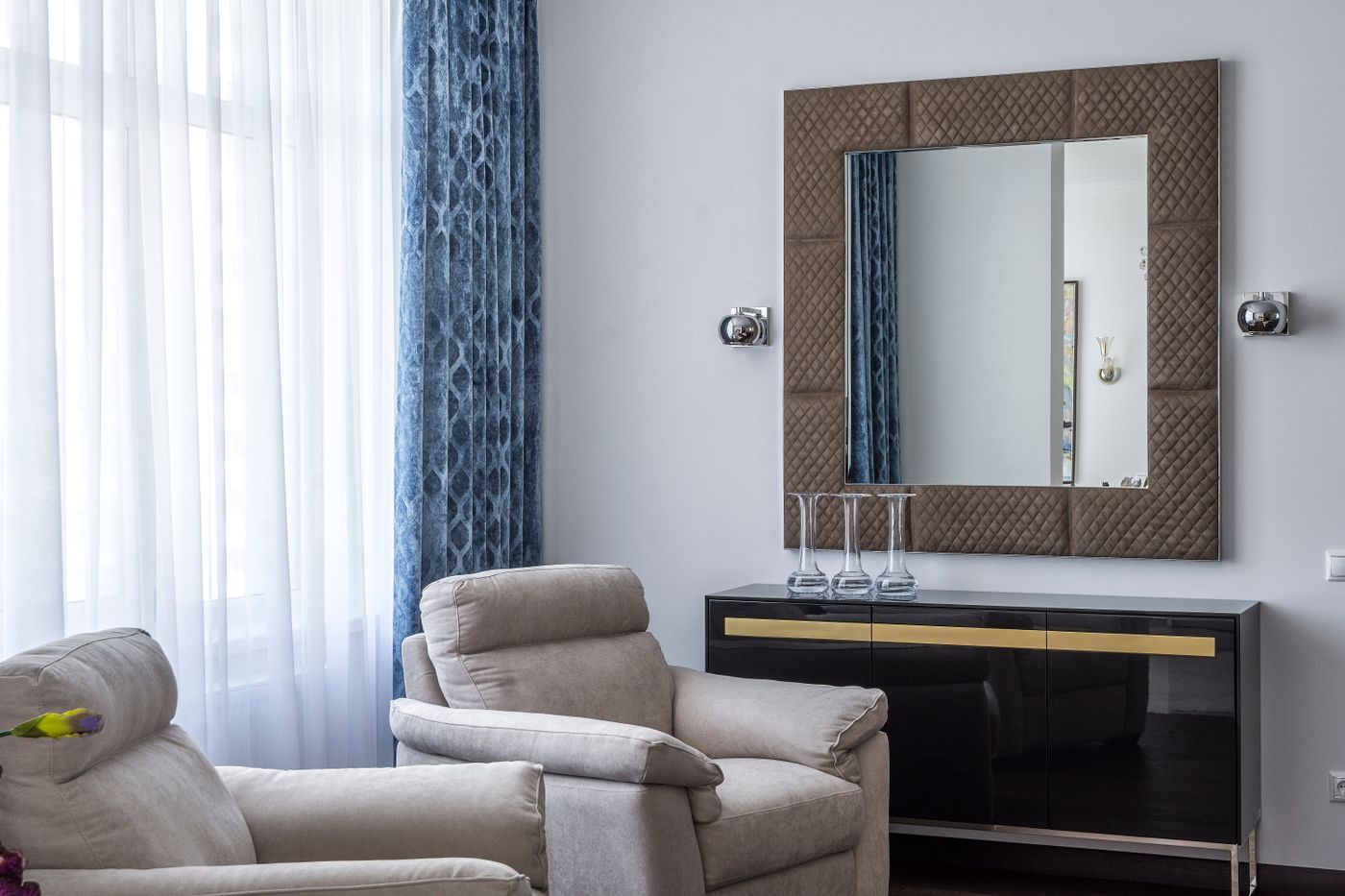
Look at what the mirror shows from seated and standing positions before fixing it in place.
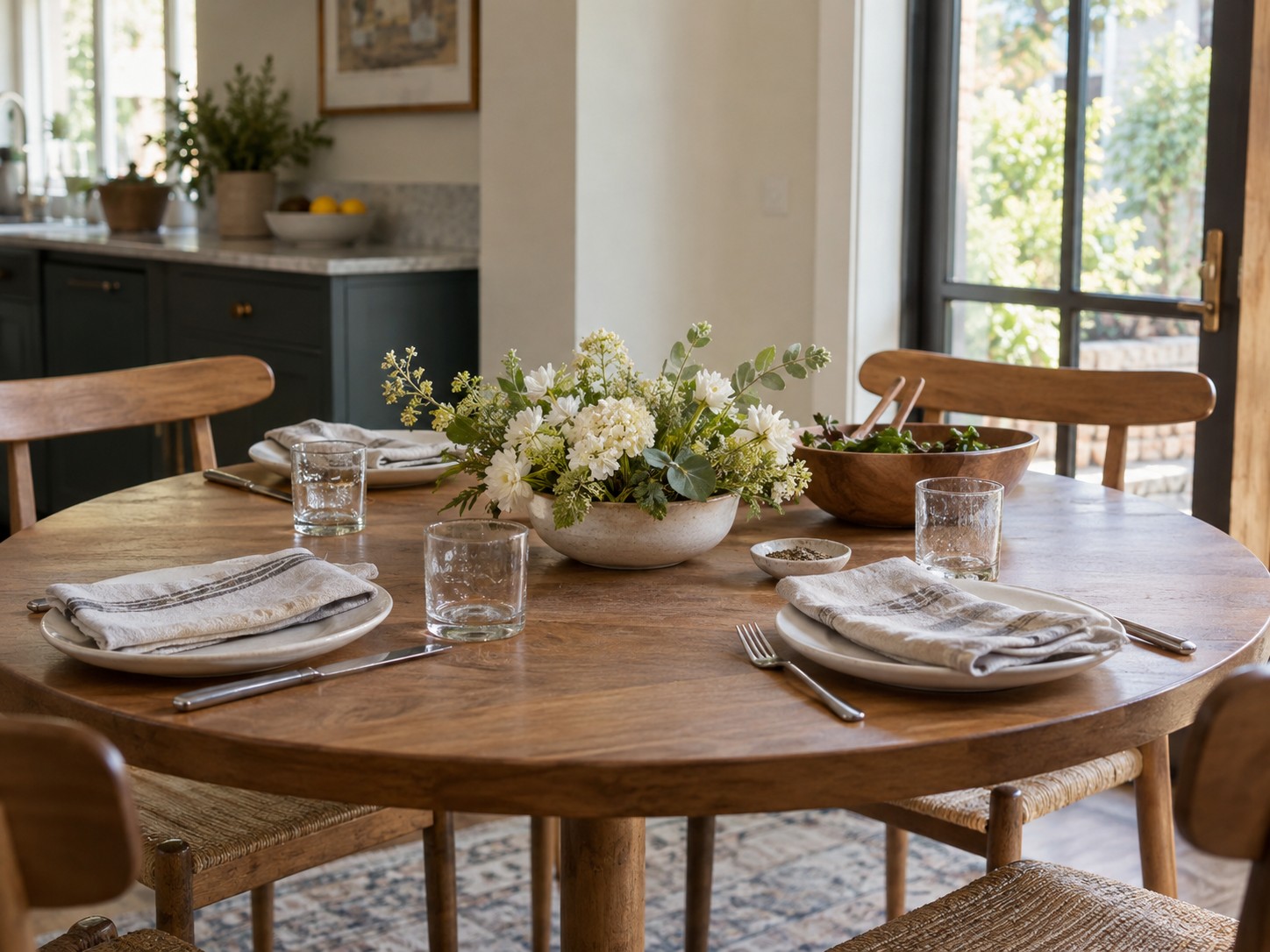
Keep conversation, serving and the ability to clear the table at the centre of the decision.
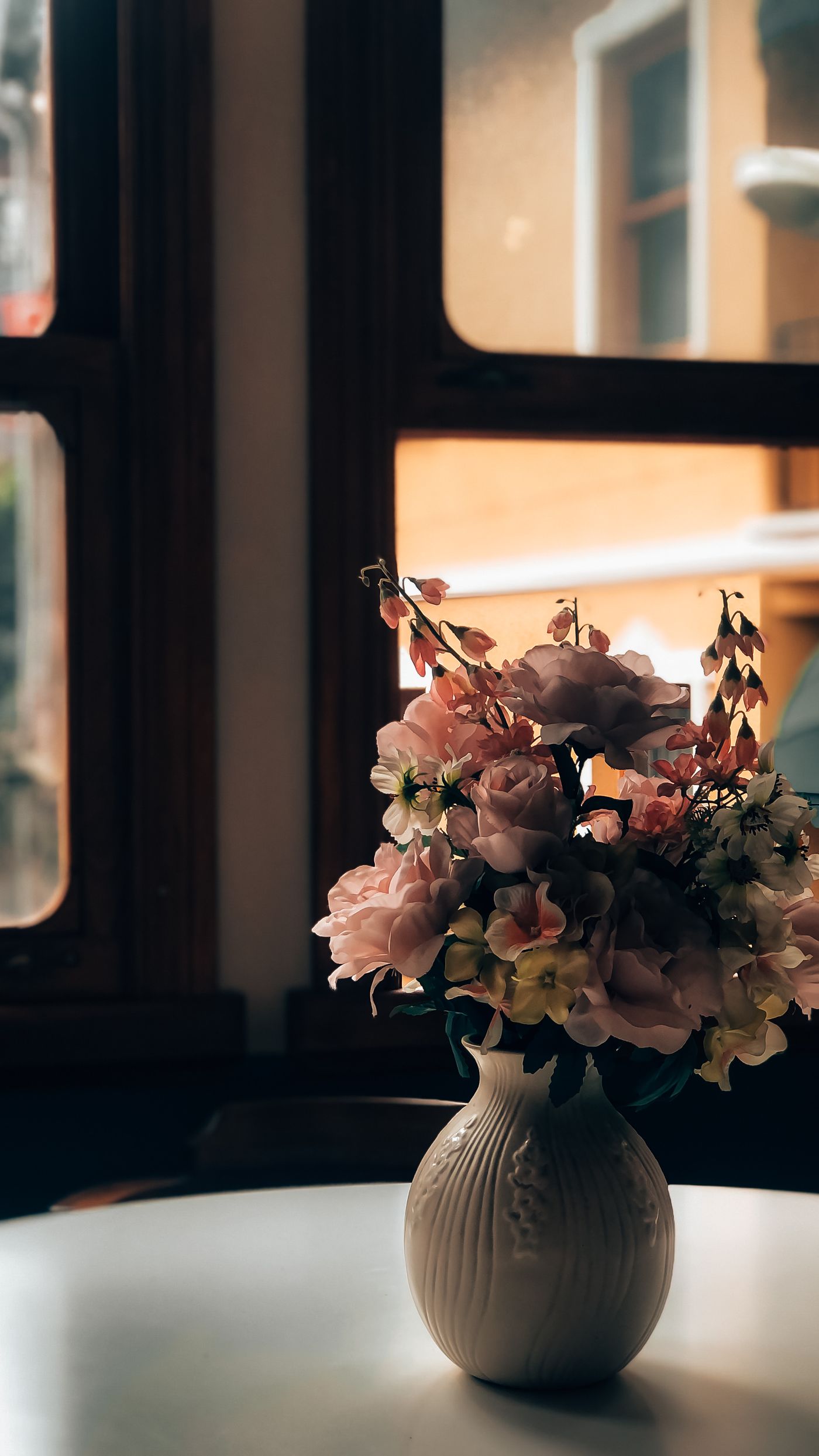
Match the vessel's opening and stability to the shape of the stems rather than collecting every possible vase.
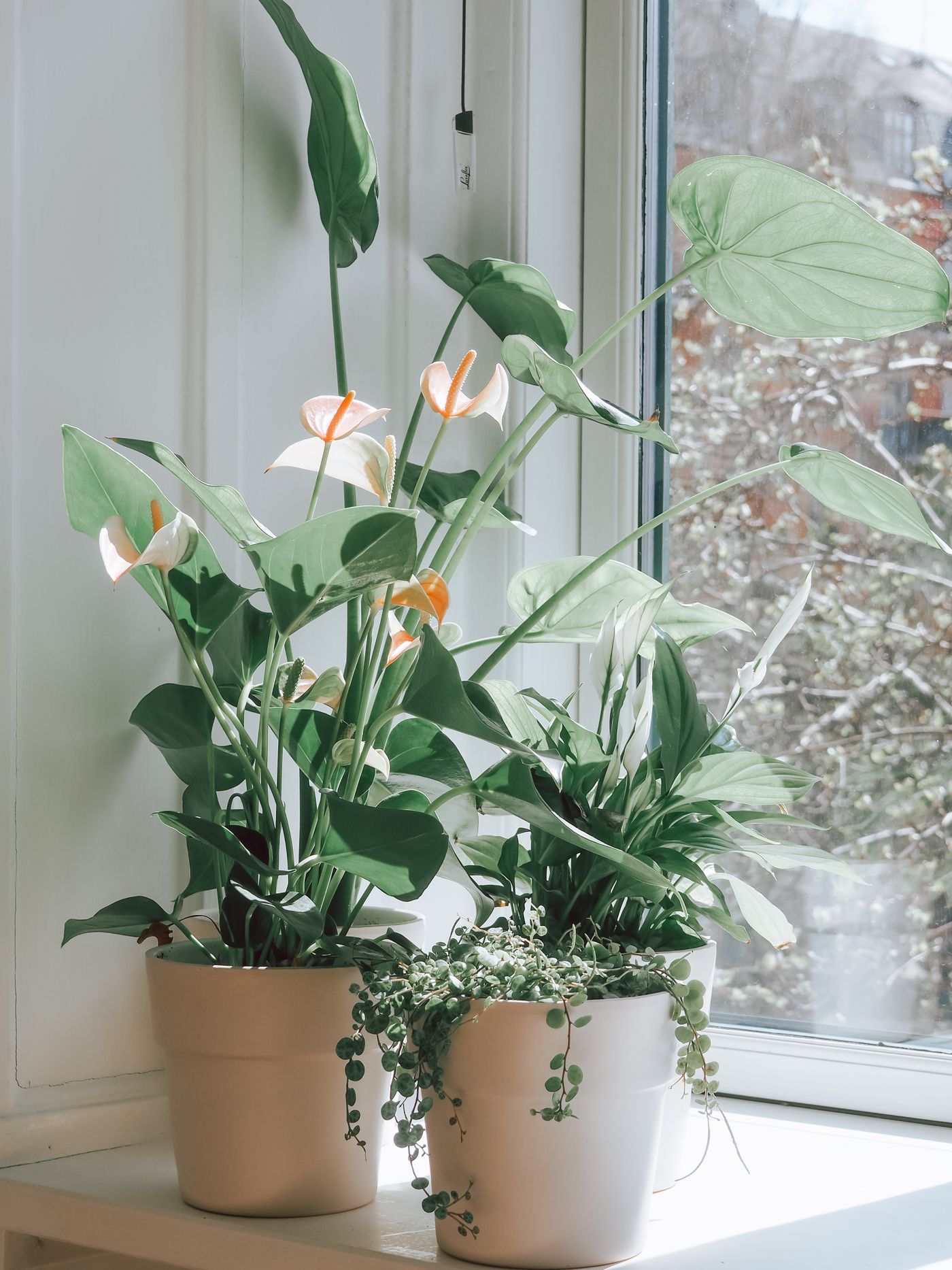
Build the display around each plant's needs before using height and containers to connect it.
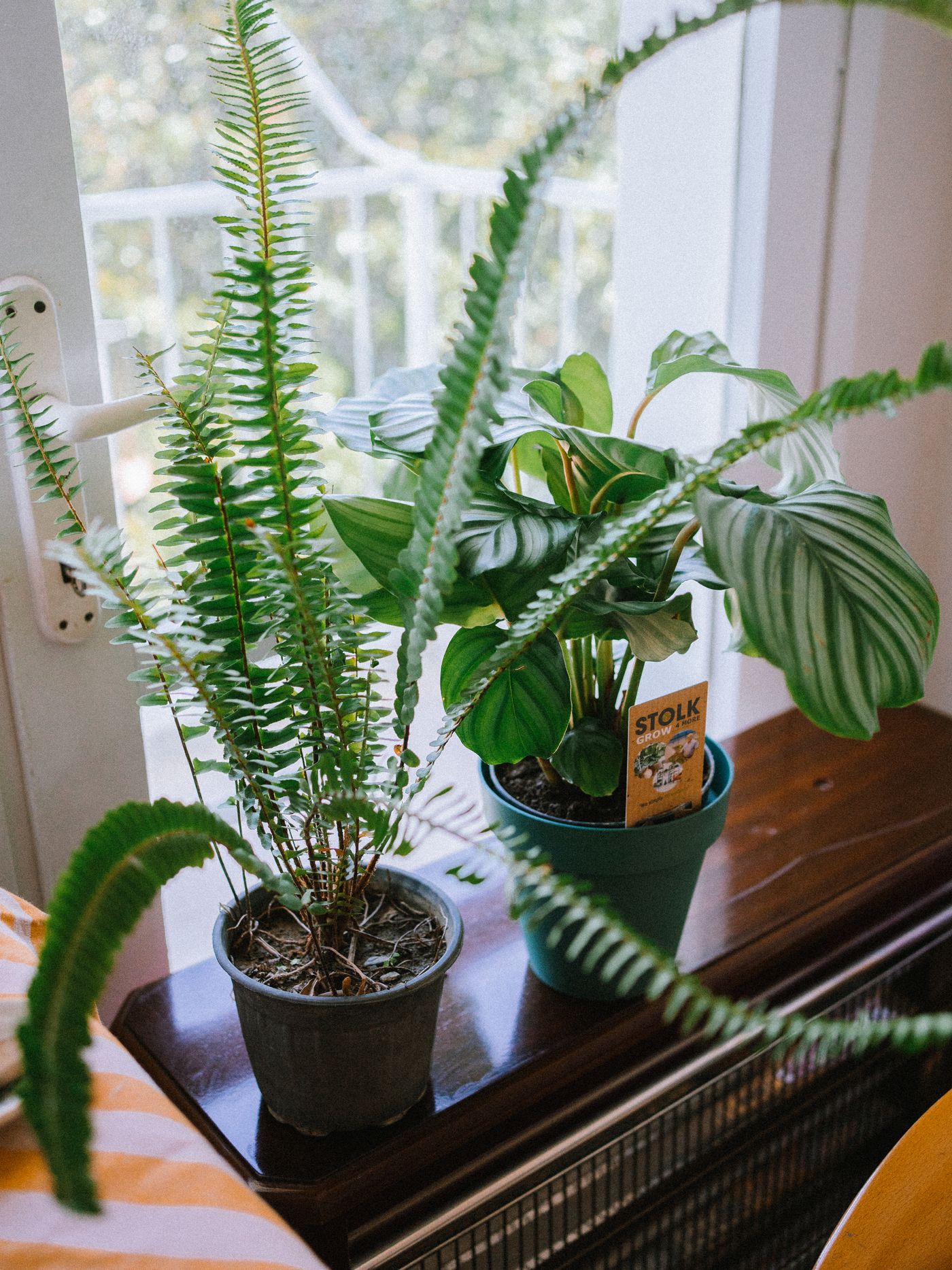
Preserve access to the window and choose objects that suit the changing light.
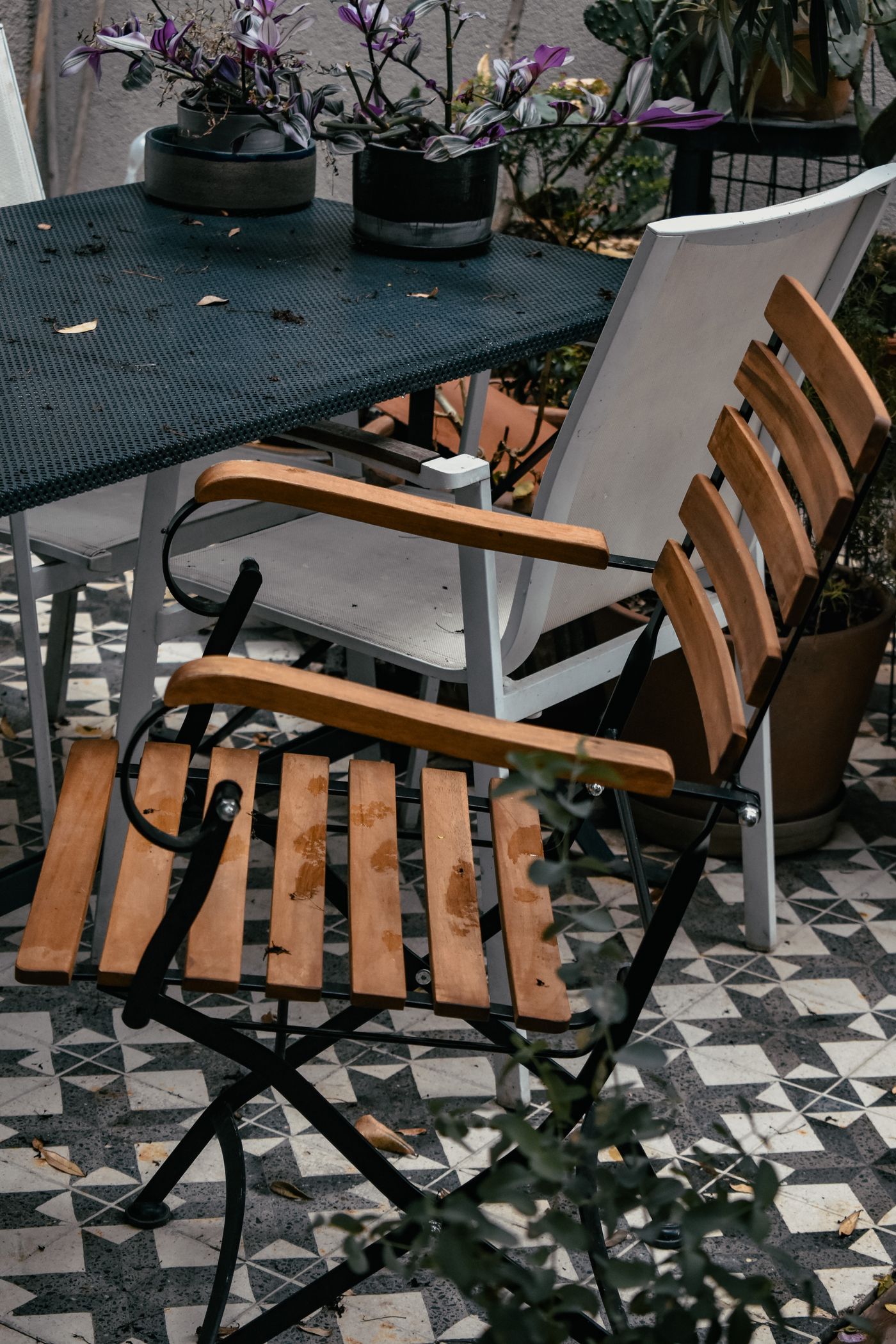
Choose the place to sit after checking access, building rules and the balcony's everyday conditions.
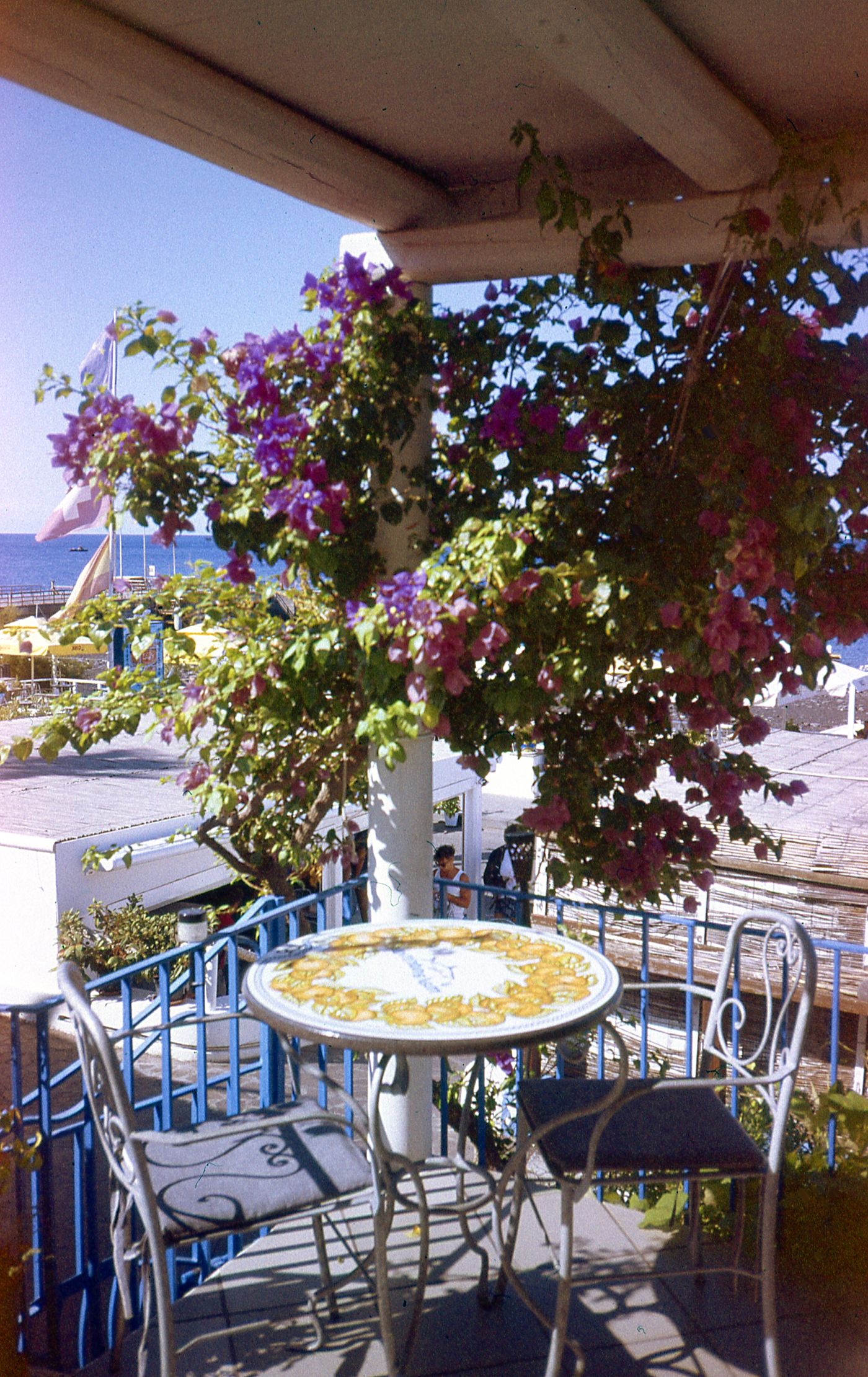
Make carrying, sitting and clearing up simple enough that the table gets used between special occasions.
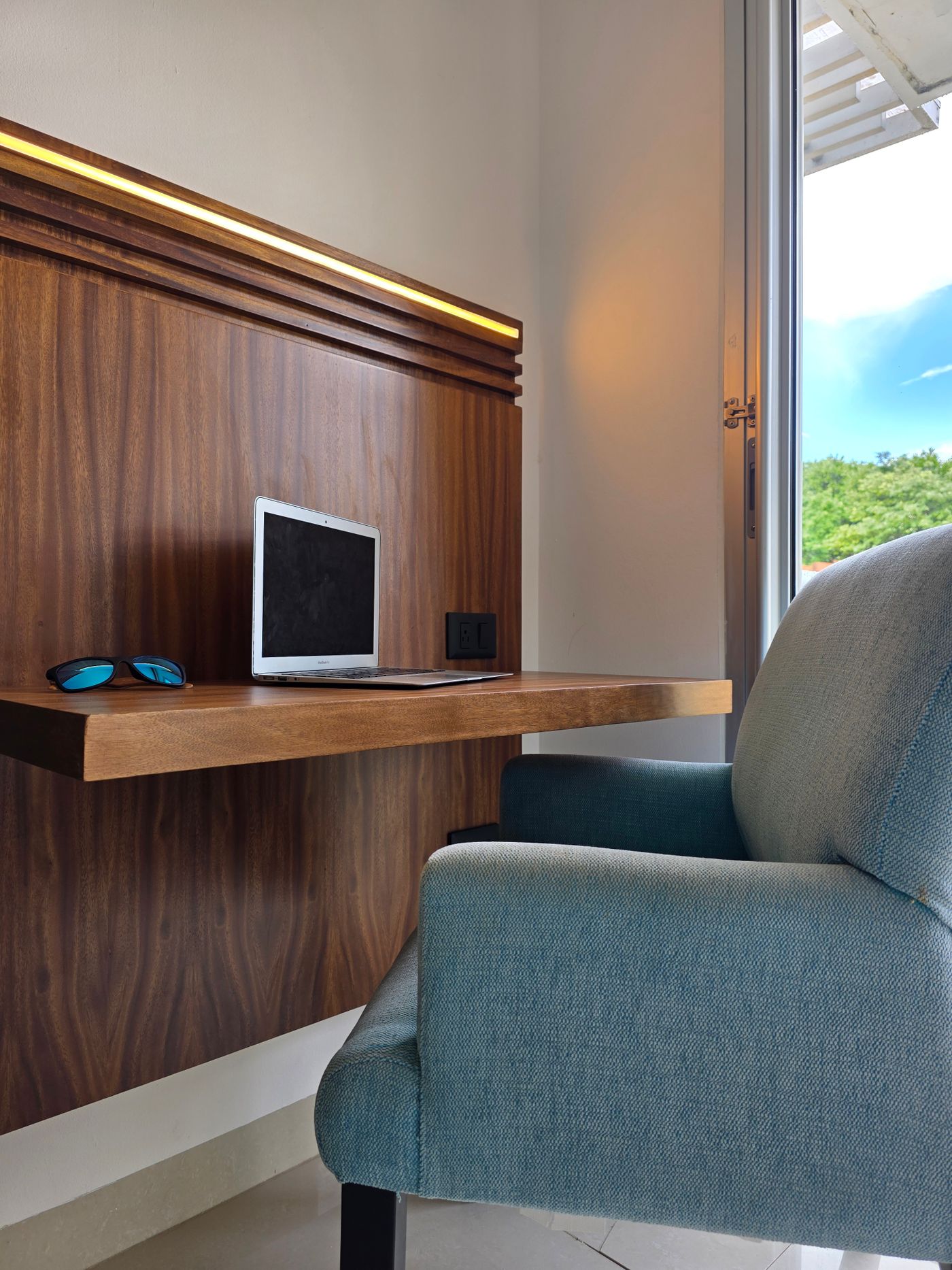
Define the work space through access, equipment and a clear way to finish for the day.

Separate papers needing an action from documents being kept for reference.

Create an accessible, ventilated location without turning chargers into a hidden tangle.
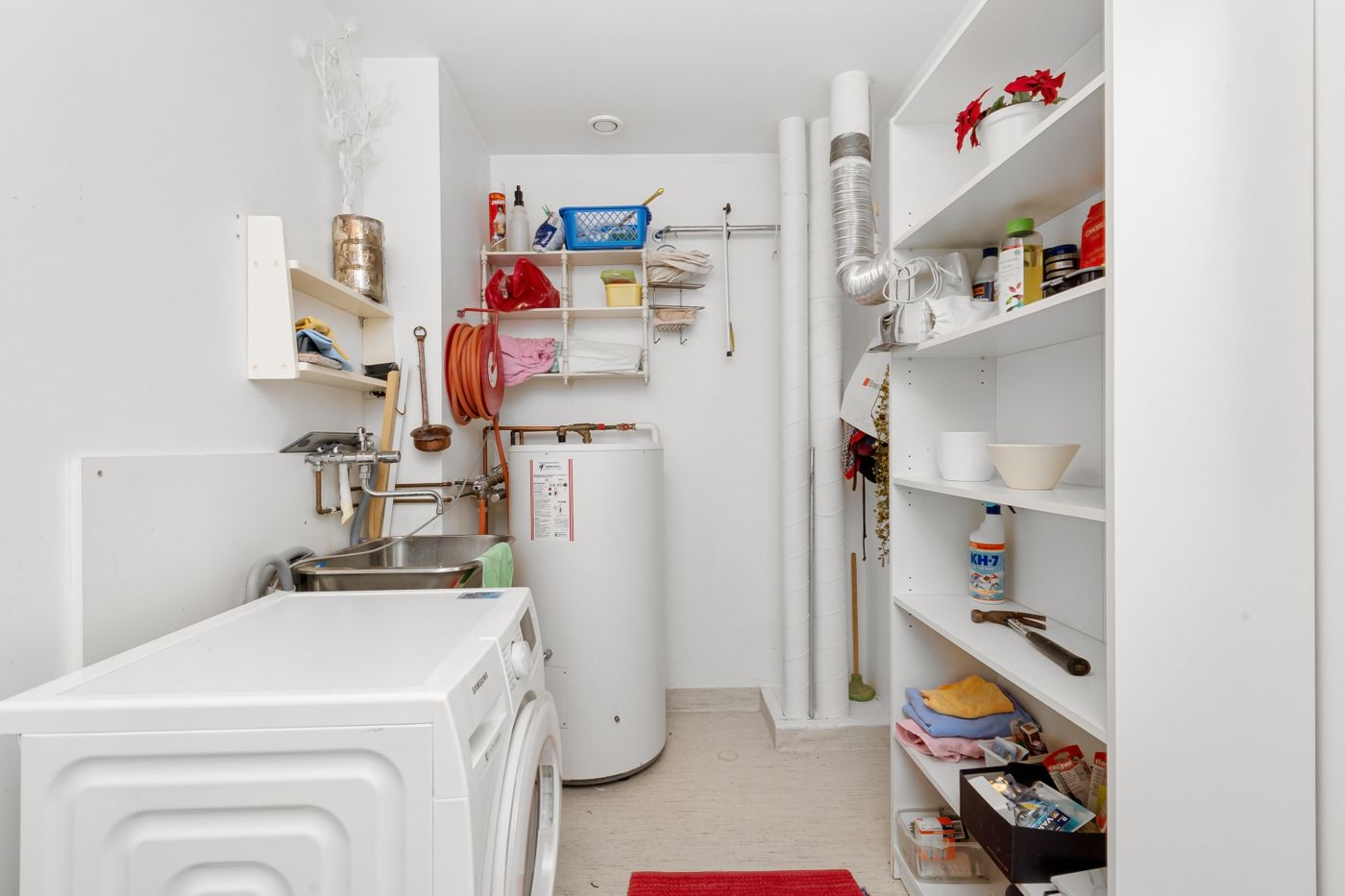
Provide a route from sorting to putting away instead of filling the area only with product storage.
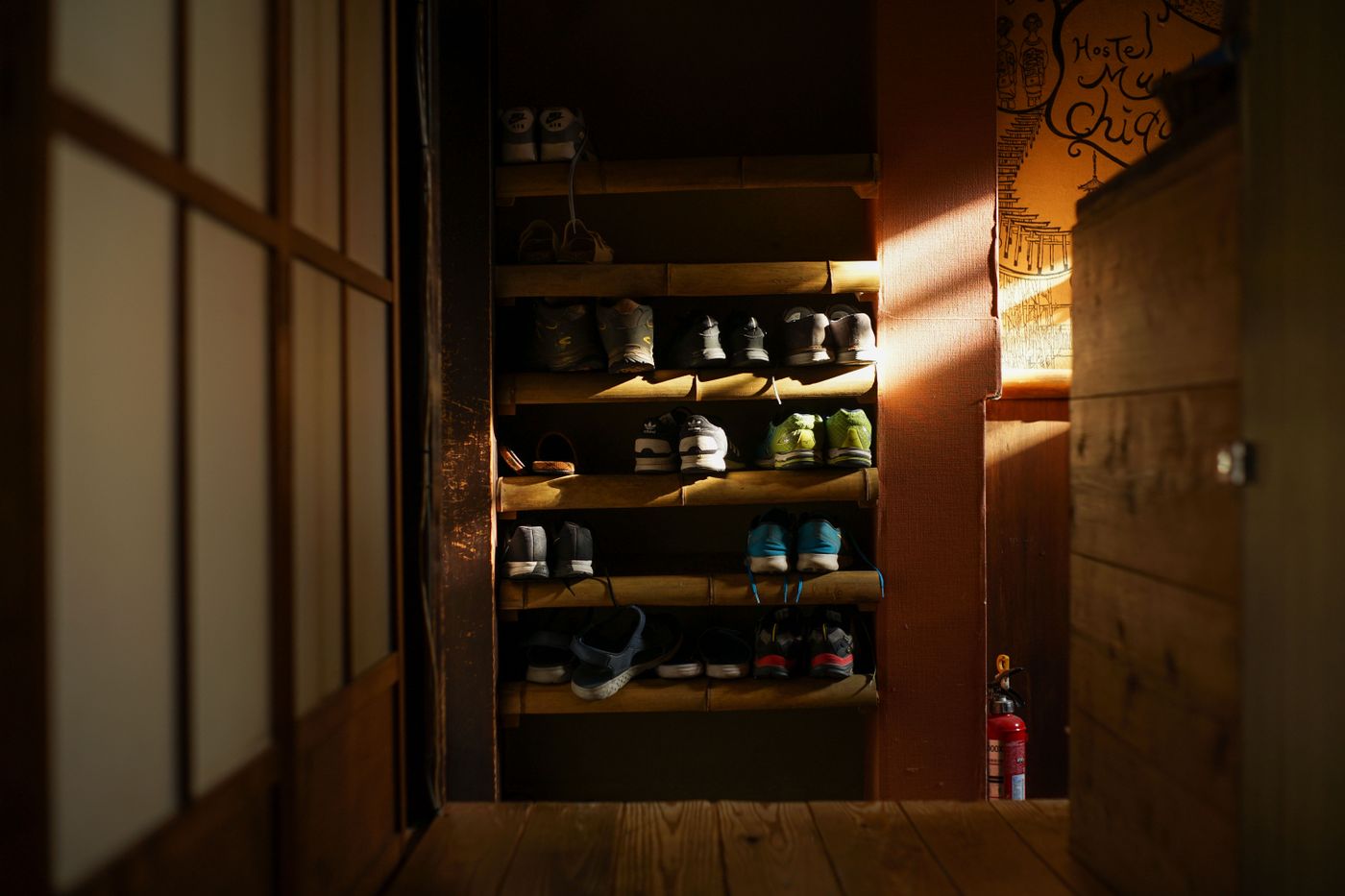
Keep the current rotation accessible and move the rest out of the entrance's working space.
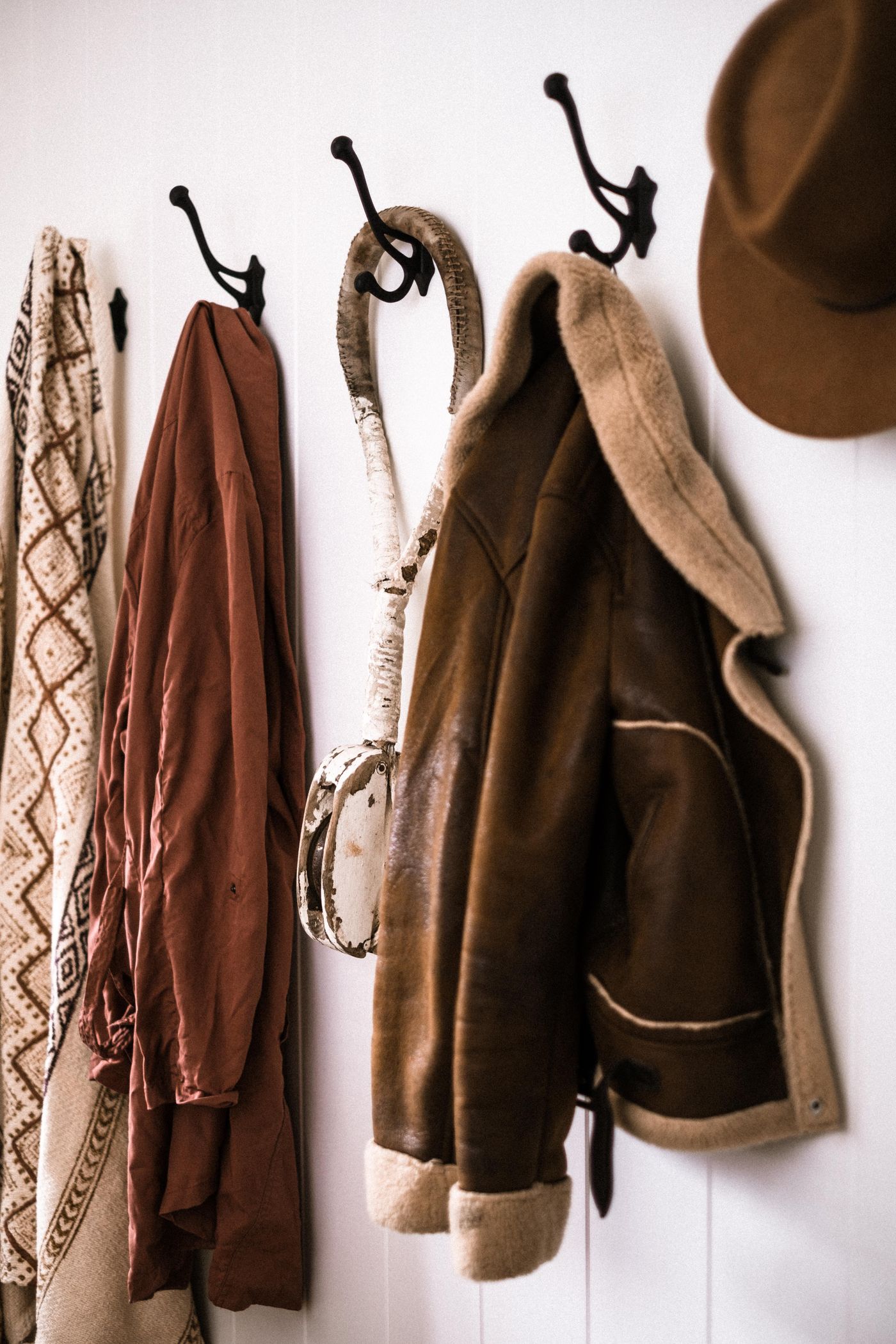
Allow for the width of real coats and bags, not just the spacing between empty hooks.

Store the next setup as a recognisable group while protecting fragile pieces and keeping damaged items separate.
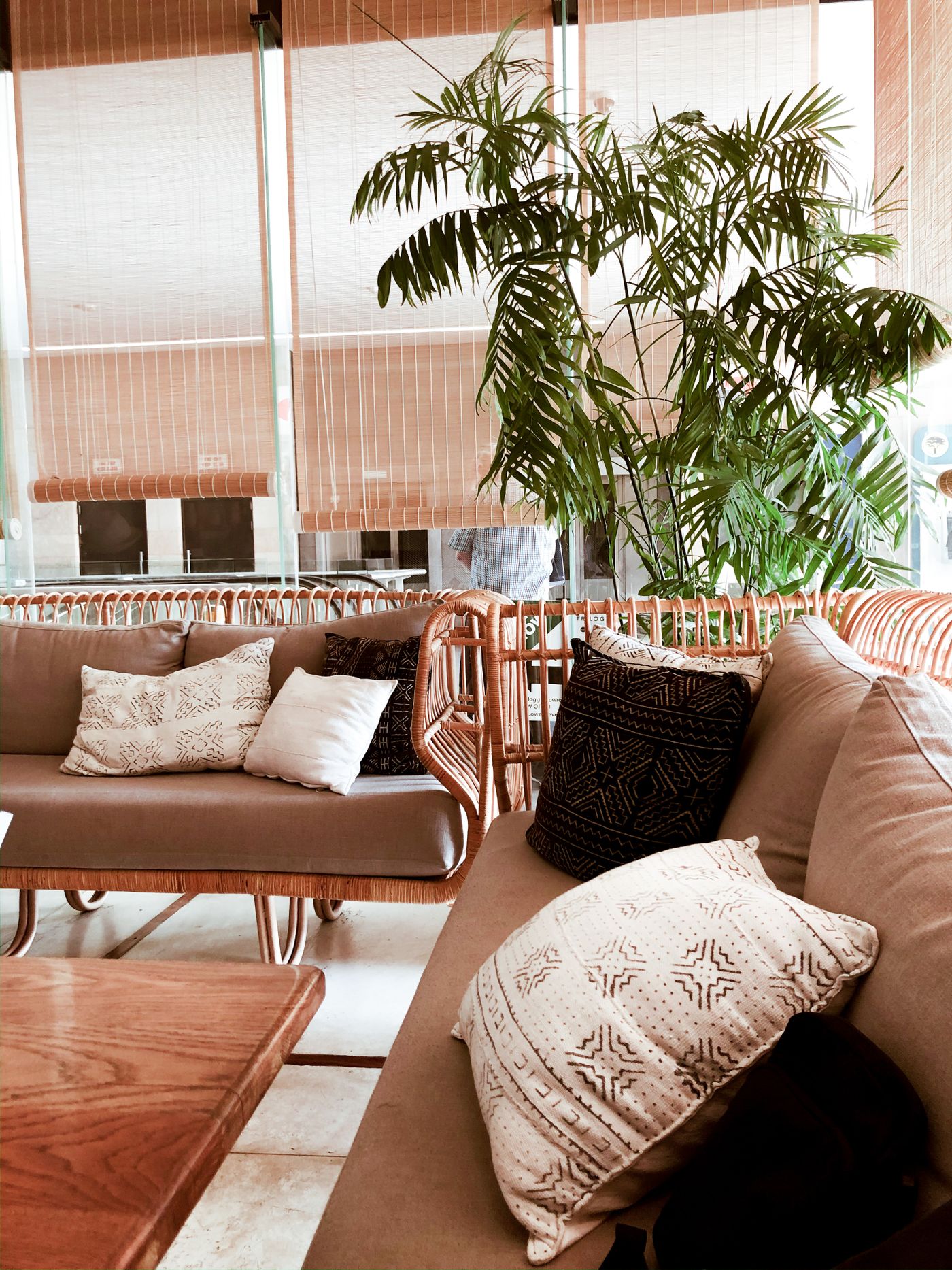
Use differences in surface and scale instead of adding more objects in the same shade.
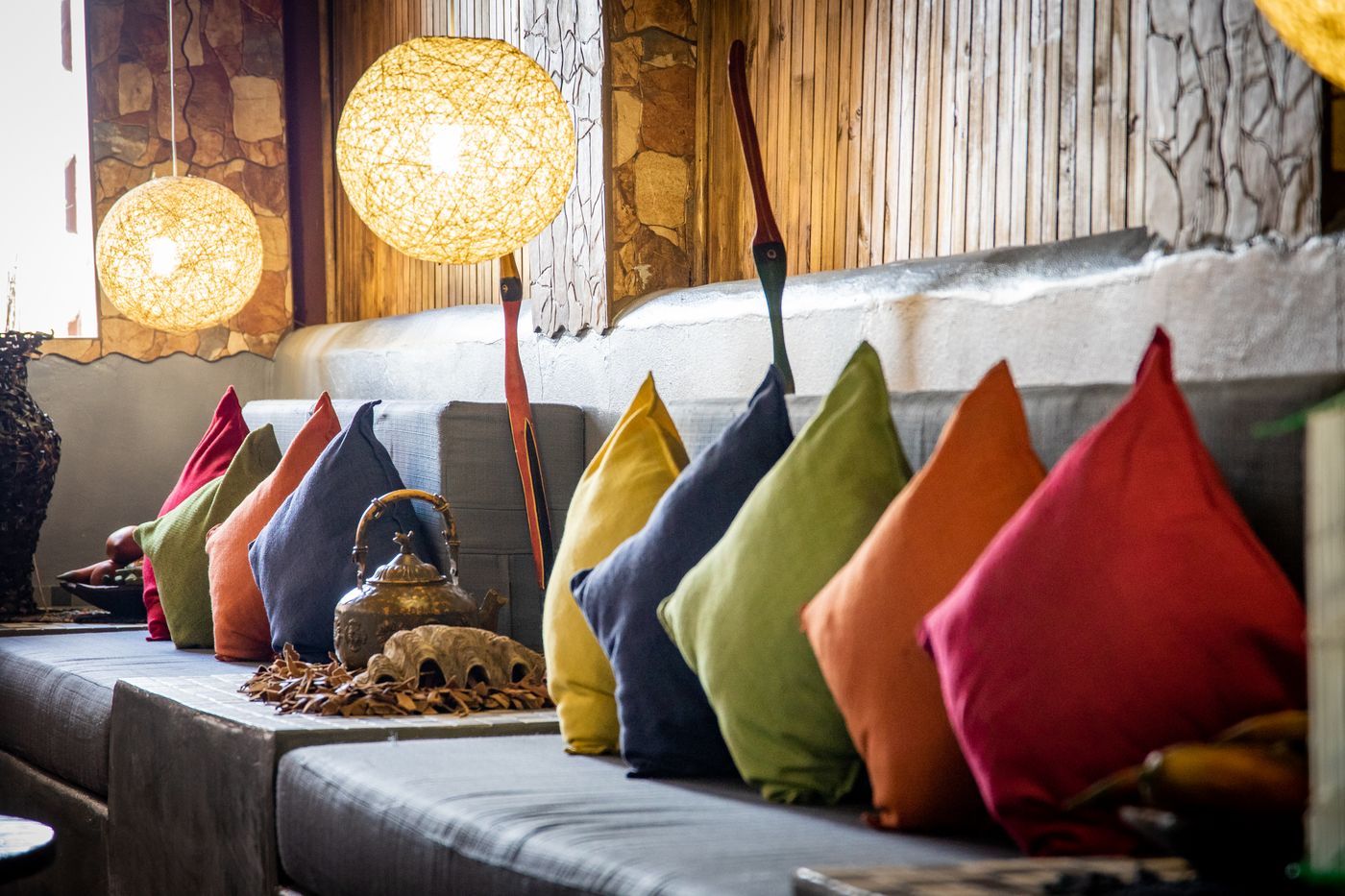
Use a limited experiment to discover whether a colour works in your light and with your existing furniture.
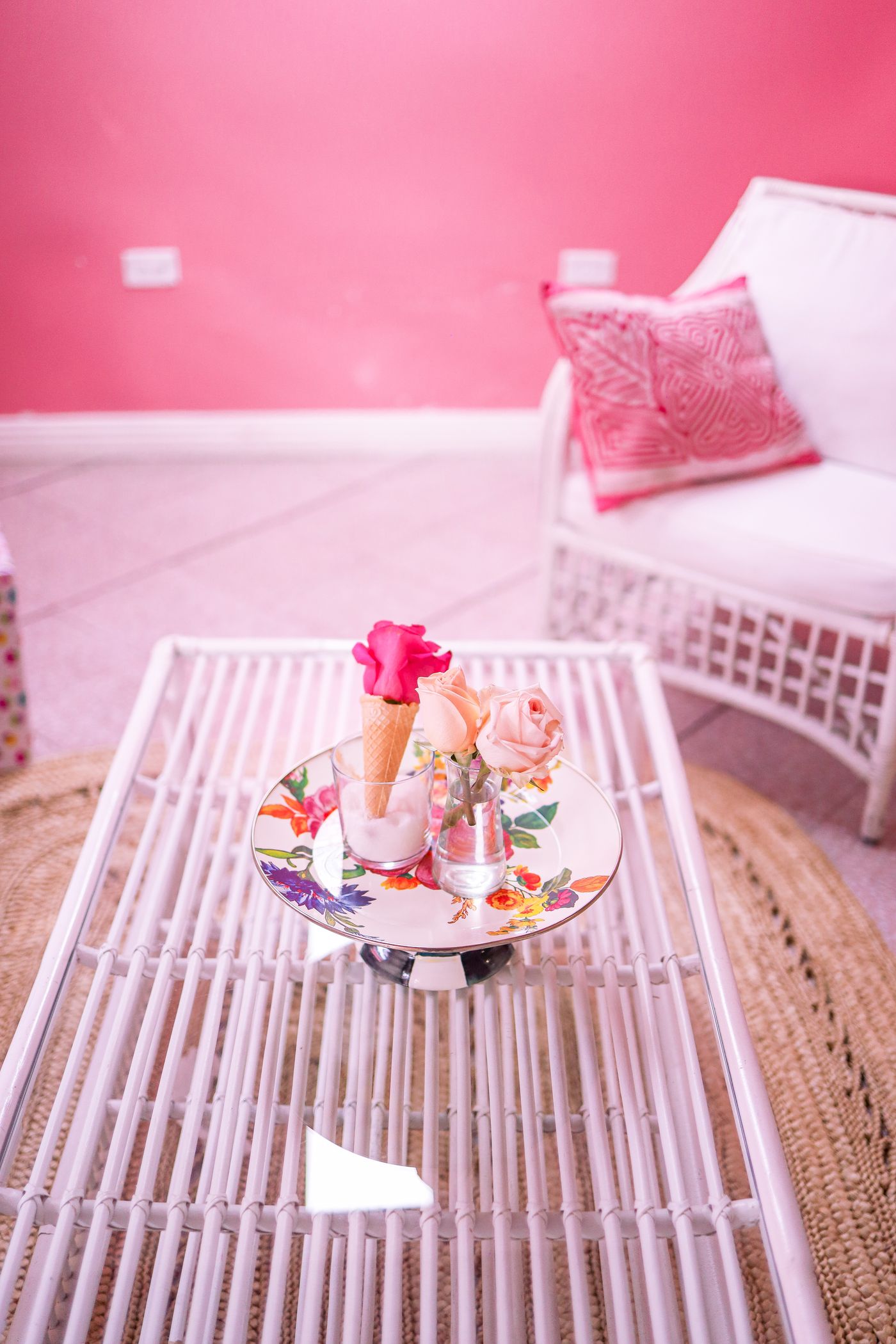
Leave a clear landing place for everyday objects and make the decorative group easy to move.
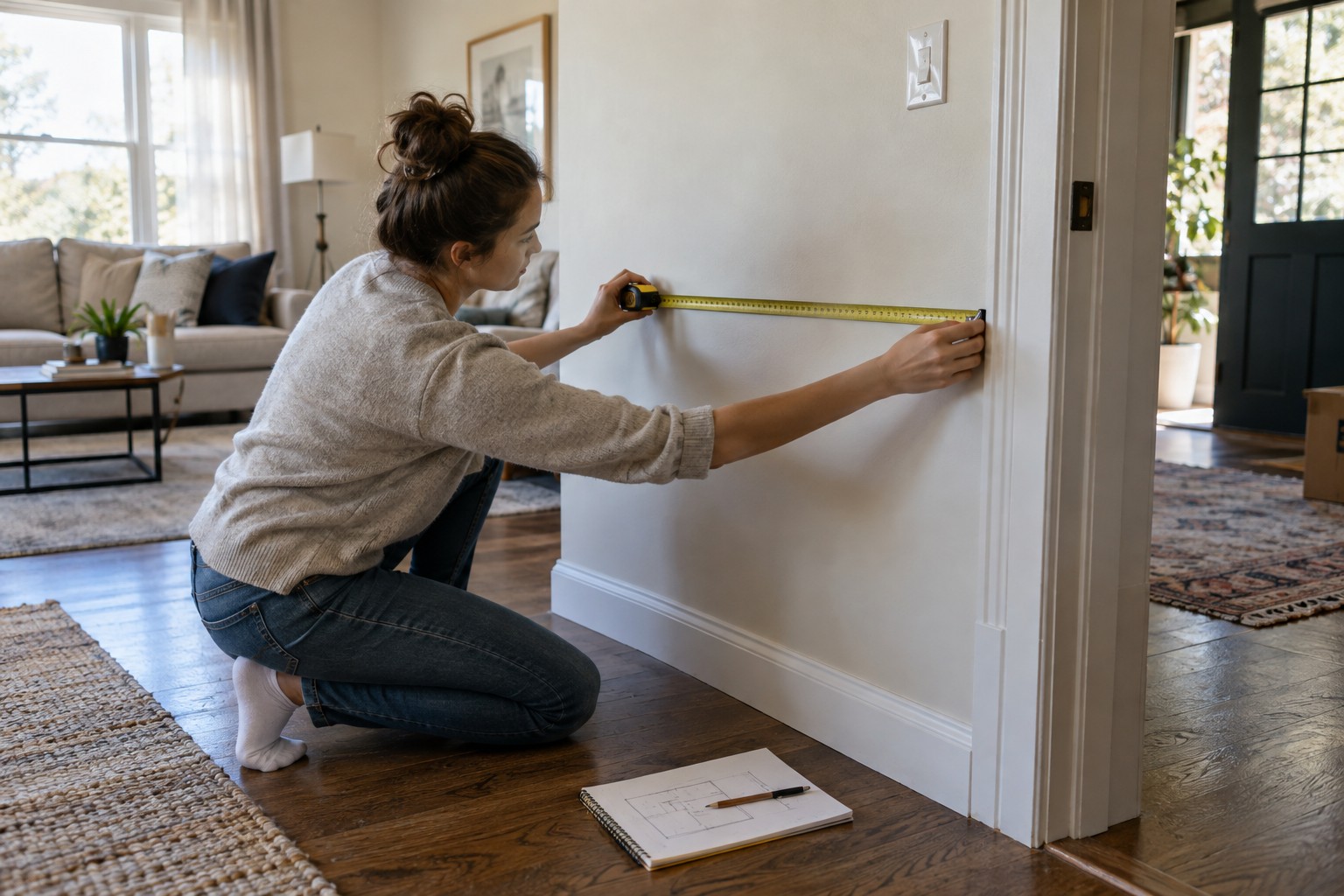
Record the room, the delivery route and the space a piece needs once it is being used.
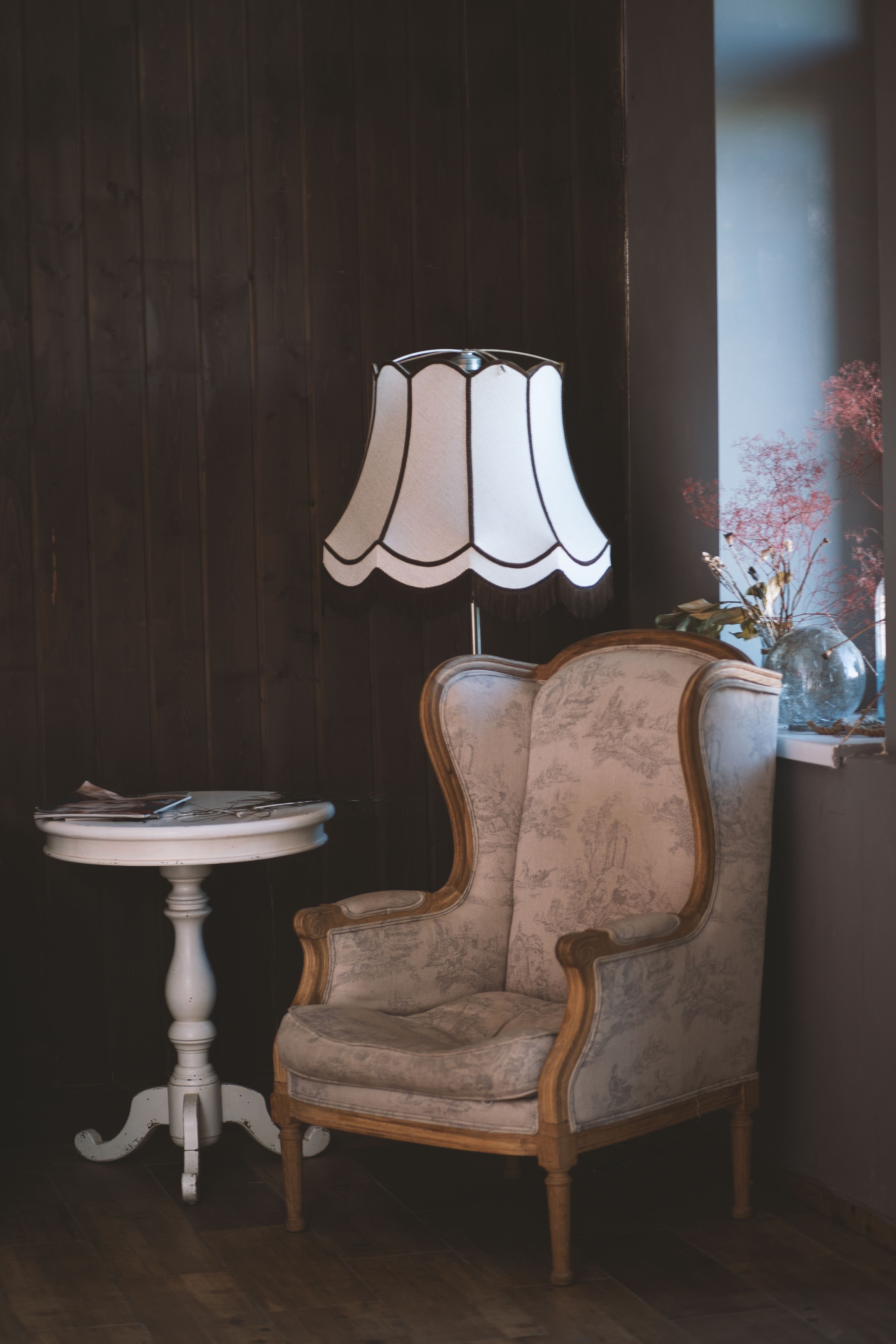
A comfortable chair is a beginning. Light, reach and the route through the room decide whether the corner gets used.