Arrange a pantry around how you cook
Keep ingredients together when they are used together, while preserving labels and access.
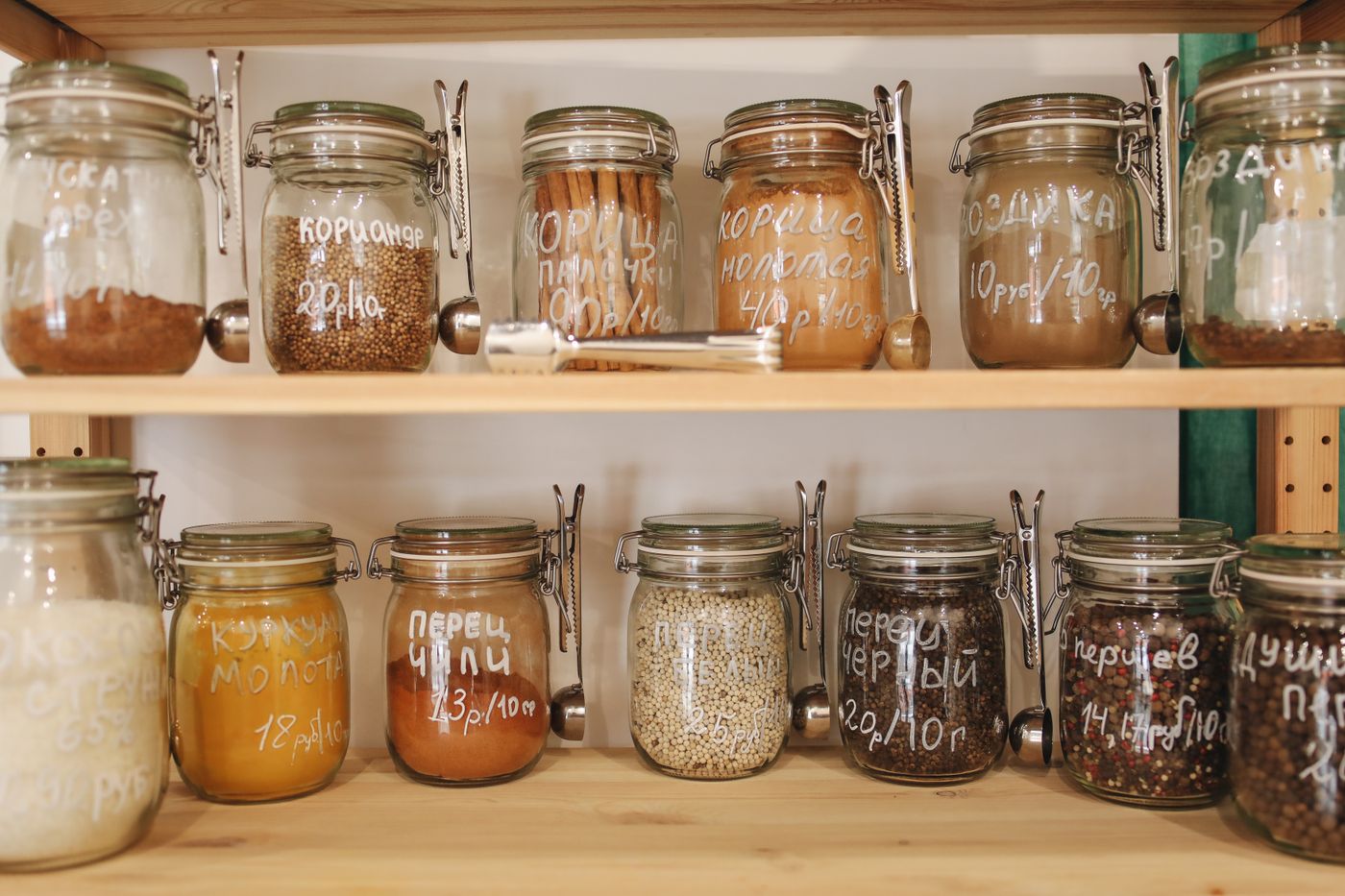
A pantry organised only by container size may look orderly but still send you searching across several shelves for one meal. Begin with the dishes you cook regularly. Breakfast ingredients, baking supplies and weeknight meal staples often form more useful groups than a single row of every packet followed by a row of every jar.
Learn from the shelves before emptying them
Notice what sits at the front, what has been pushed behind it and which ingredients are repeatedly bought twice. These patterns identify access problems. Take stock of existing food and check its packaging information before deciding what should remain. Keep items requiring different storage conditions in the locations specified on their labels rather than assuming everything unopened belongs in a pantry.
Choose a few broad zones that match your household. One shelf might hold grains, pulses and the accompaniments used for quick dinners; another might contain breakfast foods. A baking basket can gather small packets that otherwise disappear between large bags. Avoid making the categories so precise that returning groceries requires a complicated decision.
Keep information with the food
Decanting is optional, not a requirement for an organised shelf. Original packages preserve ingredient, allergen and date information. If you transfer food to a suitable container, retain the necessary details and do not mix new purchases into an older batch without keeping track of what is there. A clear jar is useful only if its contents remain identifiable.
Place older stock where it will be seen before a replacement. A small reserve area can hold unopened duplicates without crowding the everyday section. Make that reserve visible during shopping-list preparation; otherwise it becomes a second pantry that is forgotten until another packet arrives.
Check shelf depth. Two rows can work if the rear items are taller or held in a removable group. Several hidden rows rarely remain easy to use. Turntables may help in a corner, but their usable area is smaller than the rectangular shelf, so test the trade-off before buying several.
Design for an ordinary delivery
Leave enough spare capacity to put away a normal grocery shop. A pantry filled to the last centimetre on the day of organising has no tolerance for a different packet size or an extra ingredient. It will quickly return to loose piles at the front.
Use plain labels if they help other household members understand the arrangement. The label should describe where food belongs, not impose a decorative vocabulary no one uses. After two weeks, revise any group that repeatedly fails. A pantry is working when ingredients are found, used and replenished without an elaborate weekly restoration.
Adapt the system to different cooks
In a shared household, ask another person to put away a few groceries using the proposed arrangement. Where they hesitate, the category may be unclear. If someone prepares breakfast independently, keep their usual supplies accessible without requiring them to reach across the main cooking stock. The system does not need to reflect one person's mental map perfectly; it needs to be understandable to everyone using it.
A weeknight cooking zone might contain the pasta, rice and canned ingredients used regularly, while a nearby small basket holds the seasonings used with those meals. Keep the categories broad enough that a new ingredient has an obvious place. If a jar is used for both breakfast and baking, choose its primary home rather than buying a duplicate to preserve the system. Tell other household members where that shared item lives. A pantry should accommodate overlap in real cooking, not demand that every ingredient belong to only one imagined recipe type.
Plan a place for ingredients bought for a particular meal. Keeping them together temporarily can prevent a key item being used elsewhere before that meal happens. After cooking, return any remainder to its normal category with its packaging information. A permanent special-project shelf, by contrast, can become a collection of forgotten ingredients from meals that never happened.