Everyday Style
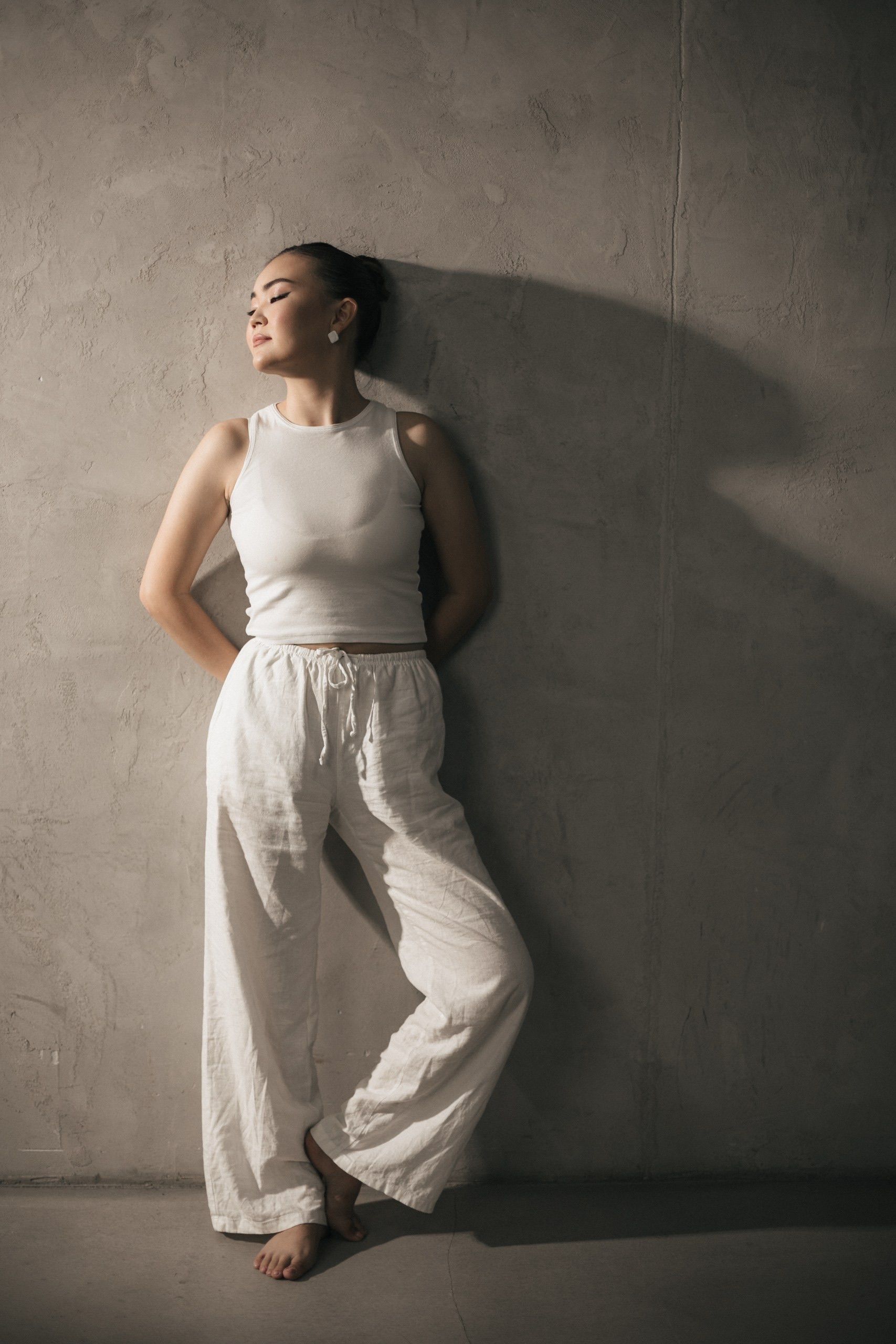
Style linen trousers beyond the holiday suitcase
Work with the fabric's relaxed surface, then choose shoes and proportions for the day ahead.
THE COLLECTION / 35 ARTICLES
Clothes and combinations for the life you lead.
No articles match this search. Try another word or clear the field.
Work with the fabric's relaxed surface, then choose shoes and proportions for the day ahead.
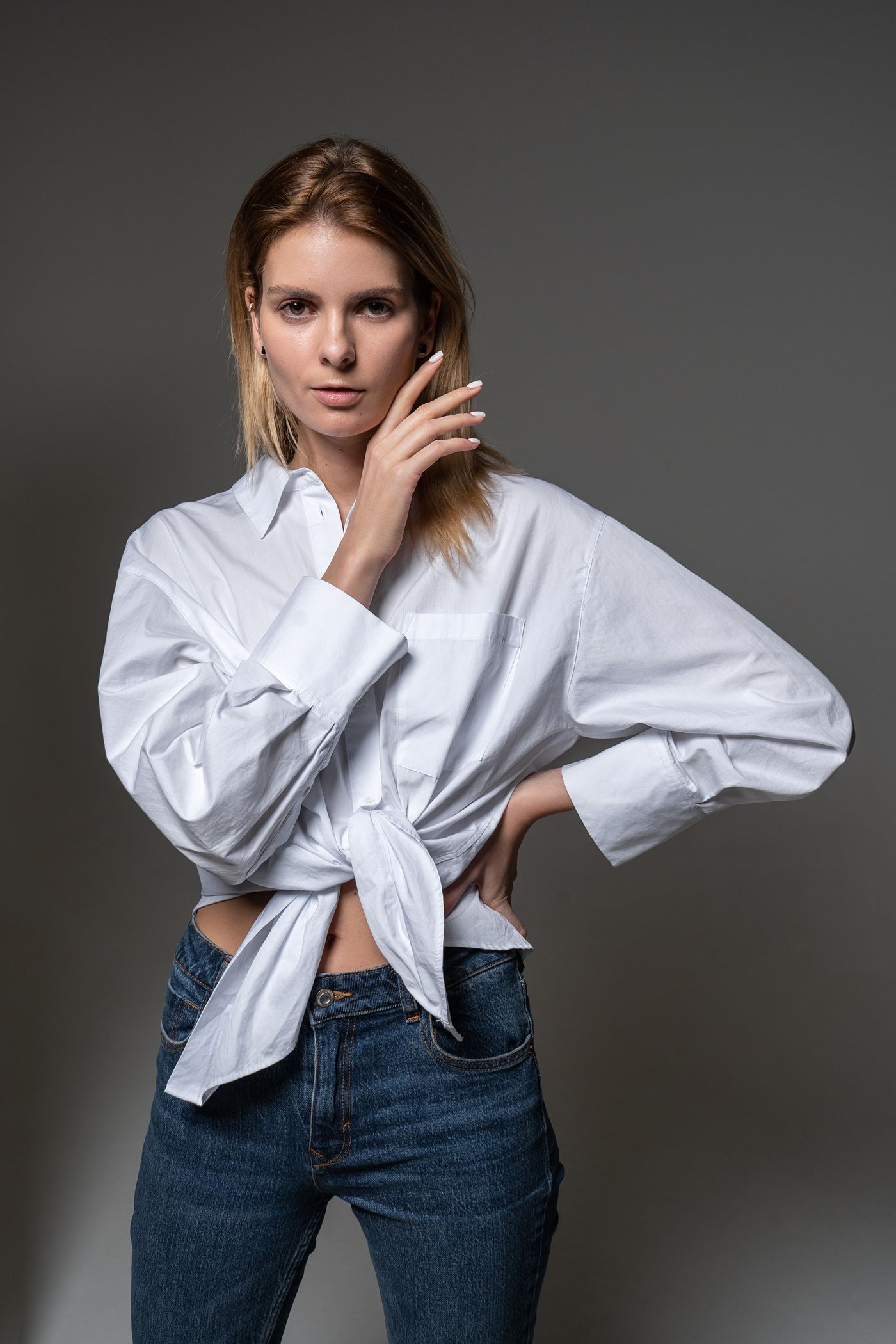
Use fabric, shape and the way you wear the hem to move a familiar shirt between settings.
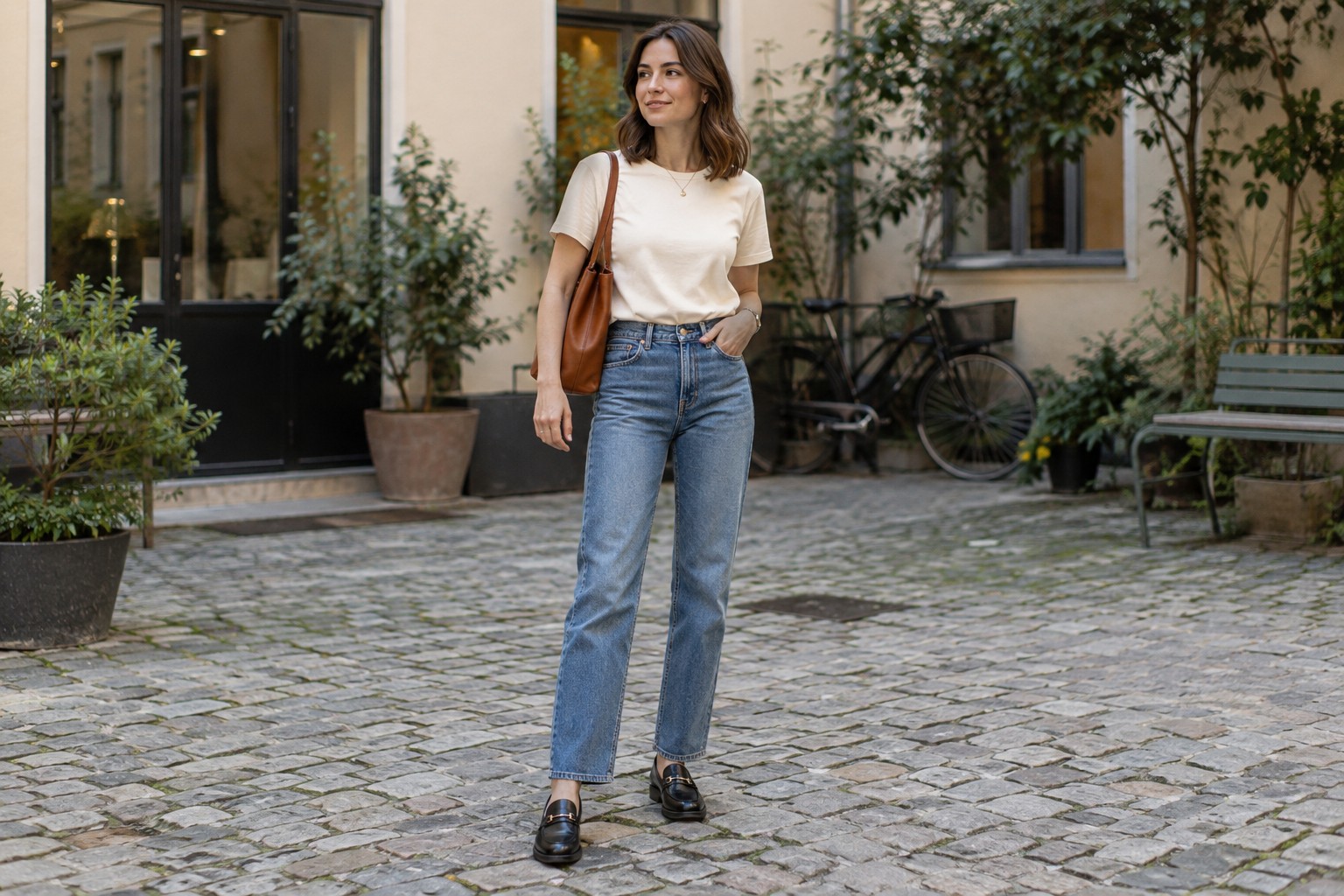
Let the actual rise, leg width and hem length guide the rest of the outfit.
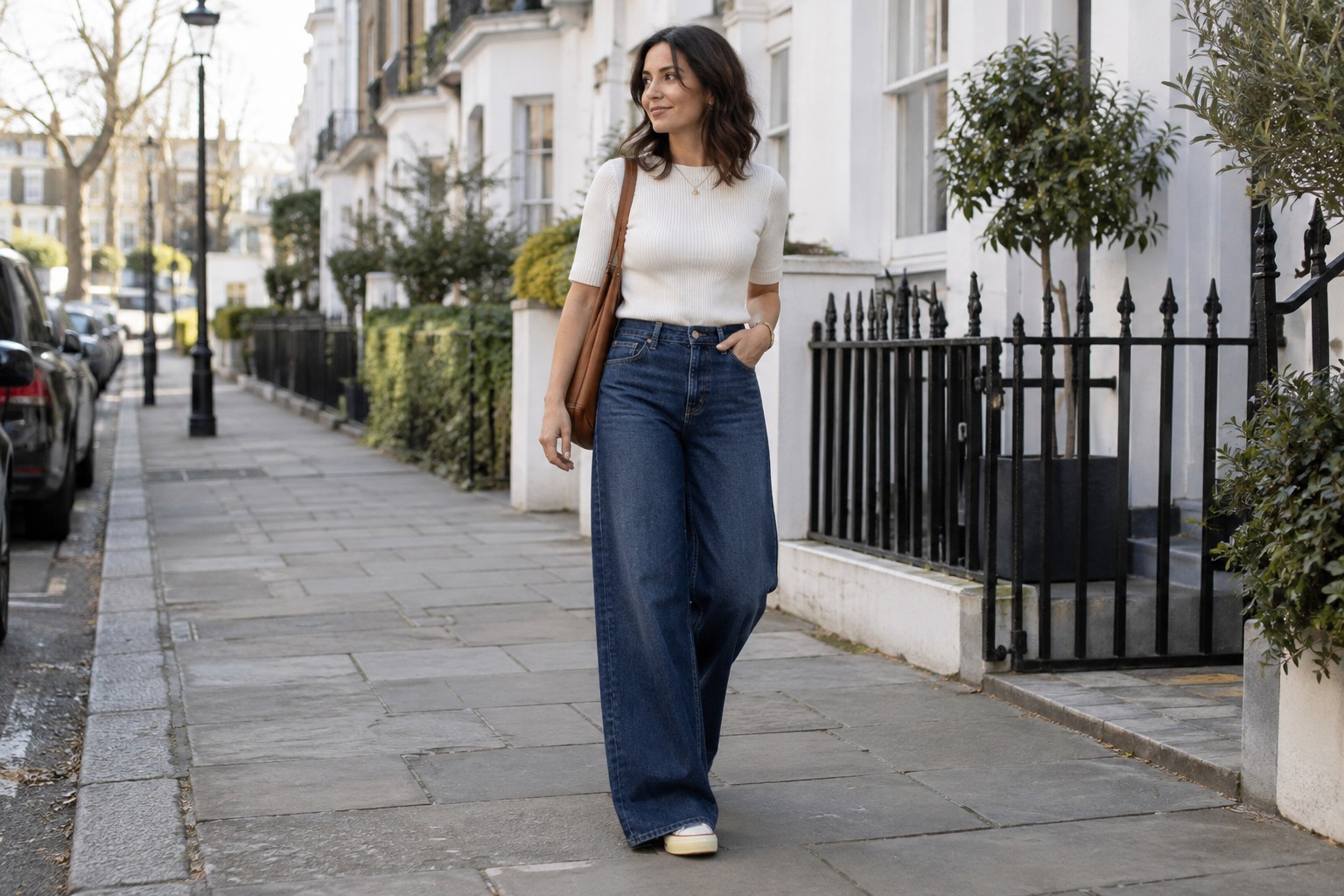
Choose where the outfit feels spacious and where you want a clearer outline.
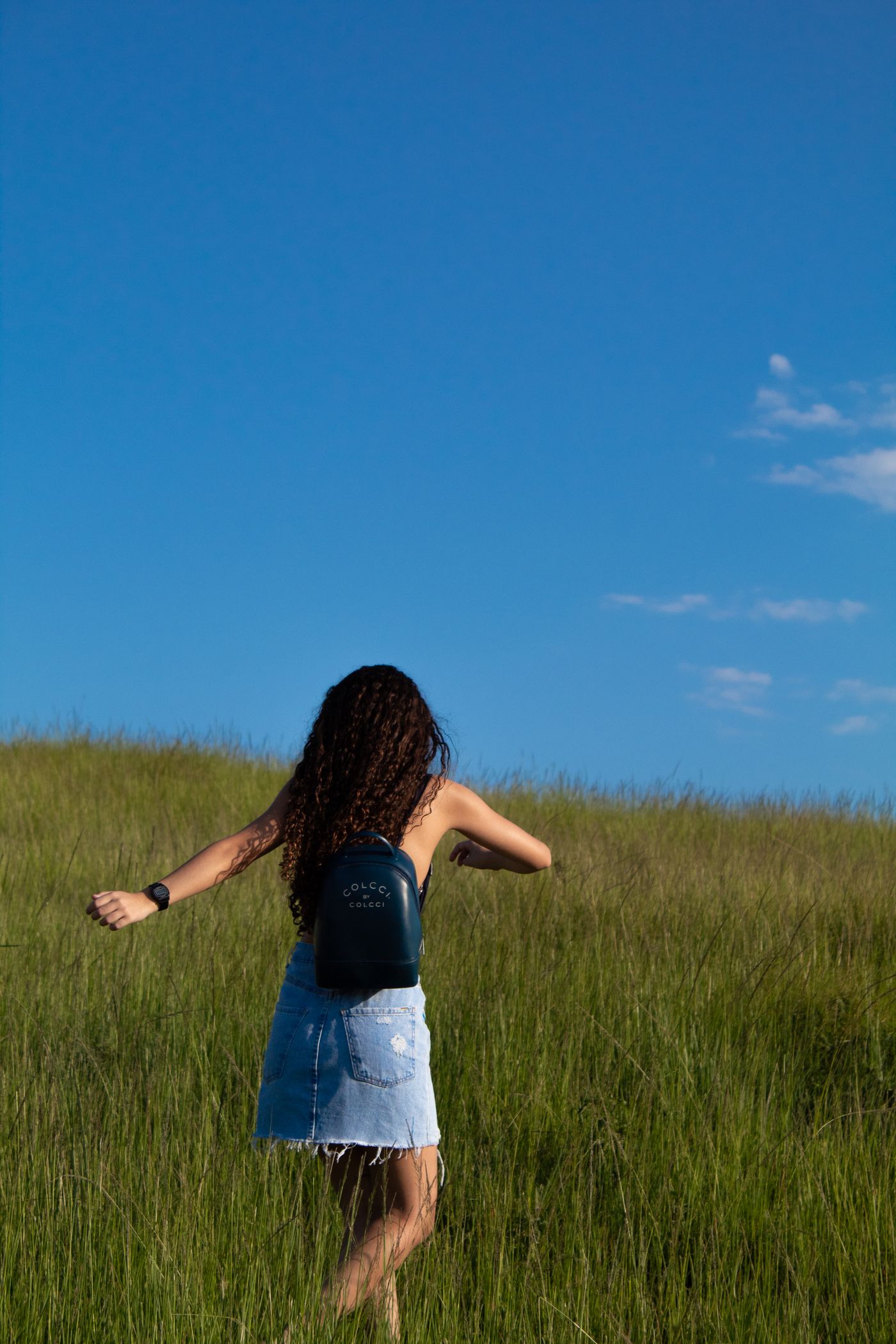
Build around the skirt's length and movement before changing the seasonal layers.
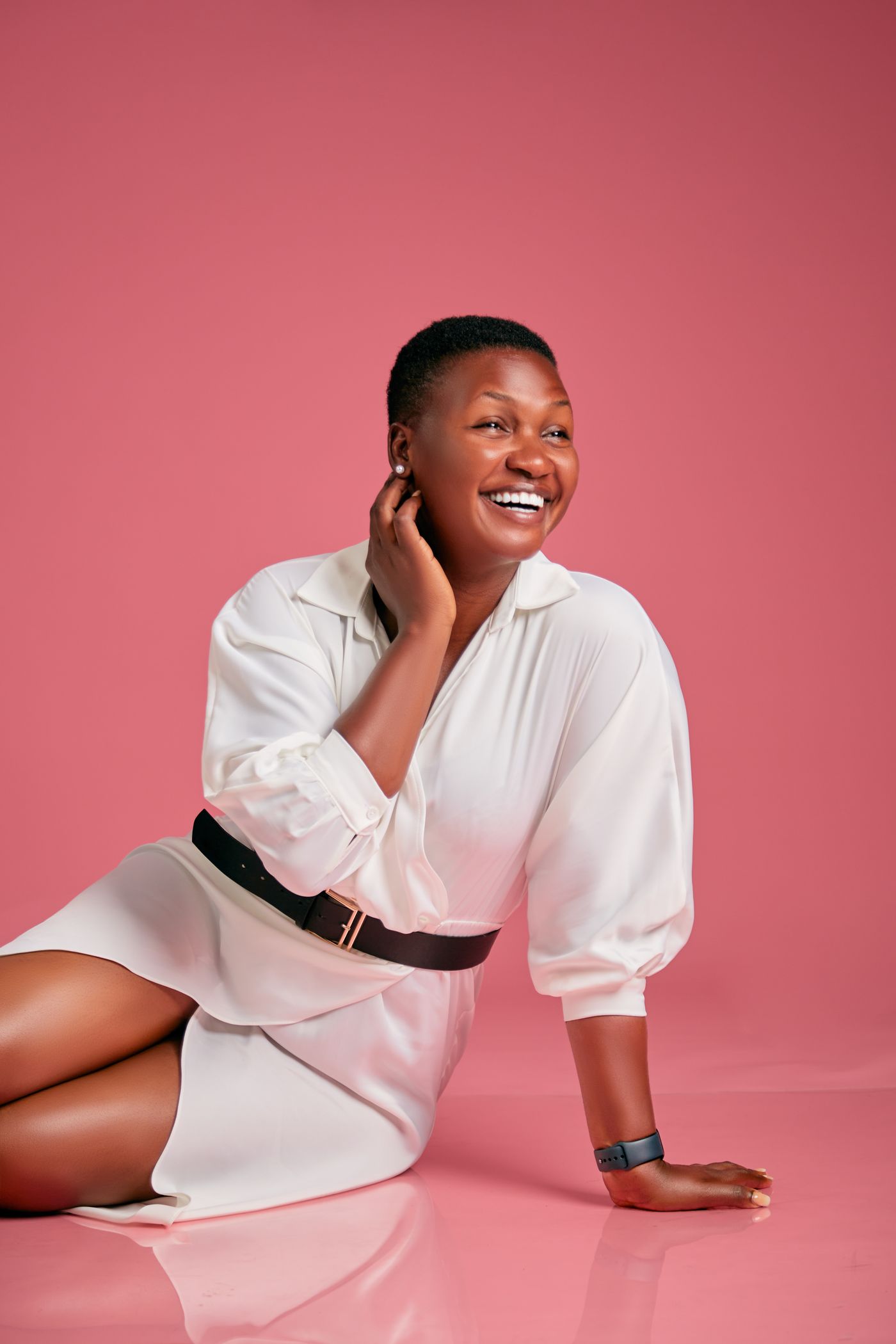
Adjust the waist, shoes and outer layer while keeping the dress's movement and coverage in view.
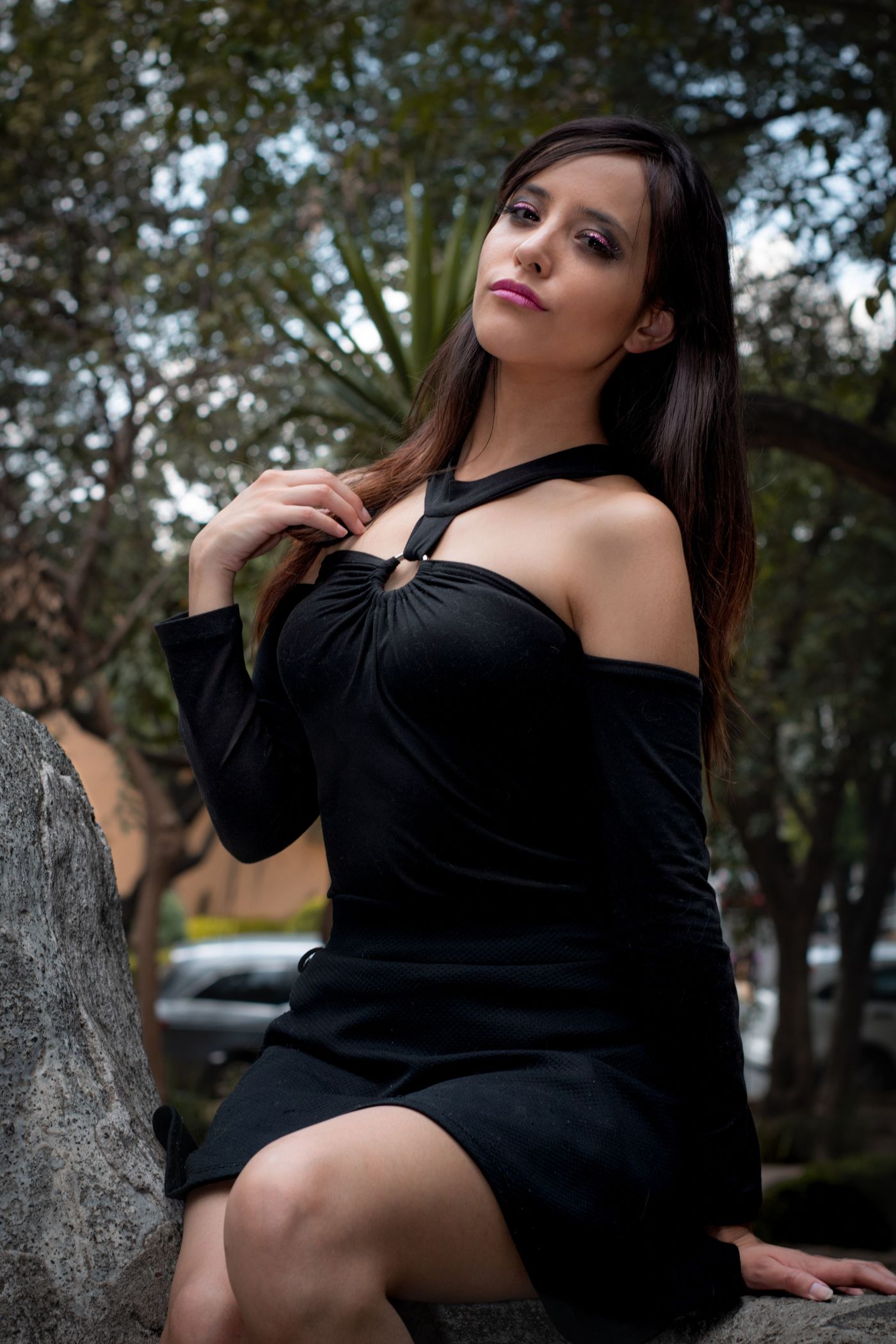
Let the dress's fabric and cut set the limits, then change a few deliberate elements.
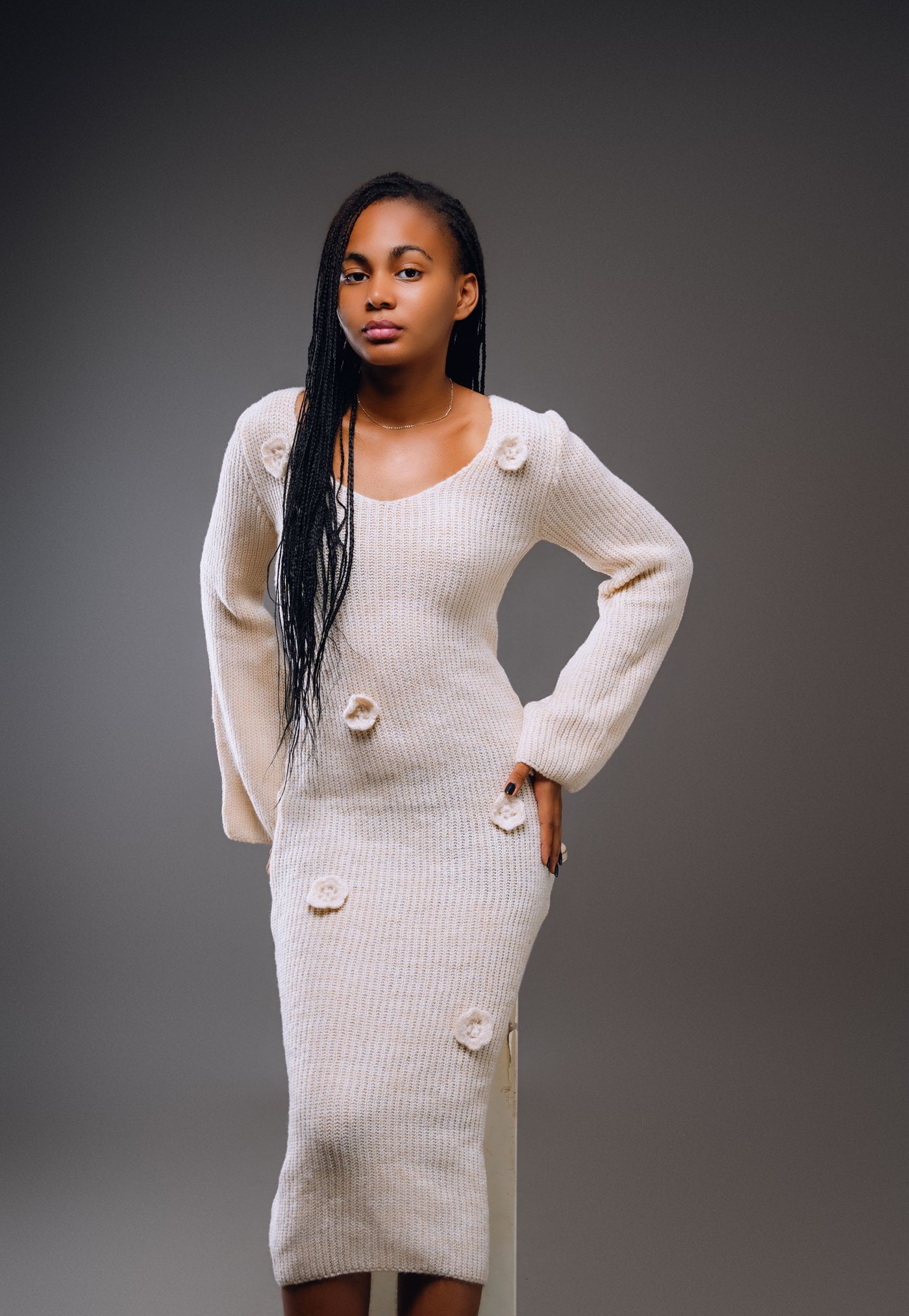
Pay attention to fabric friction and sleeve room as well as the outline in the mirror.
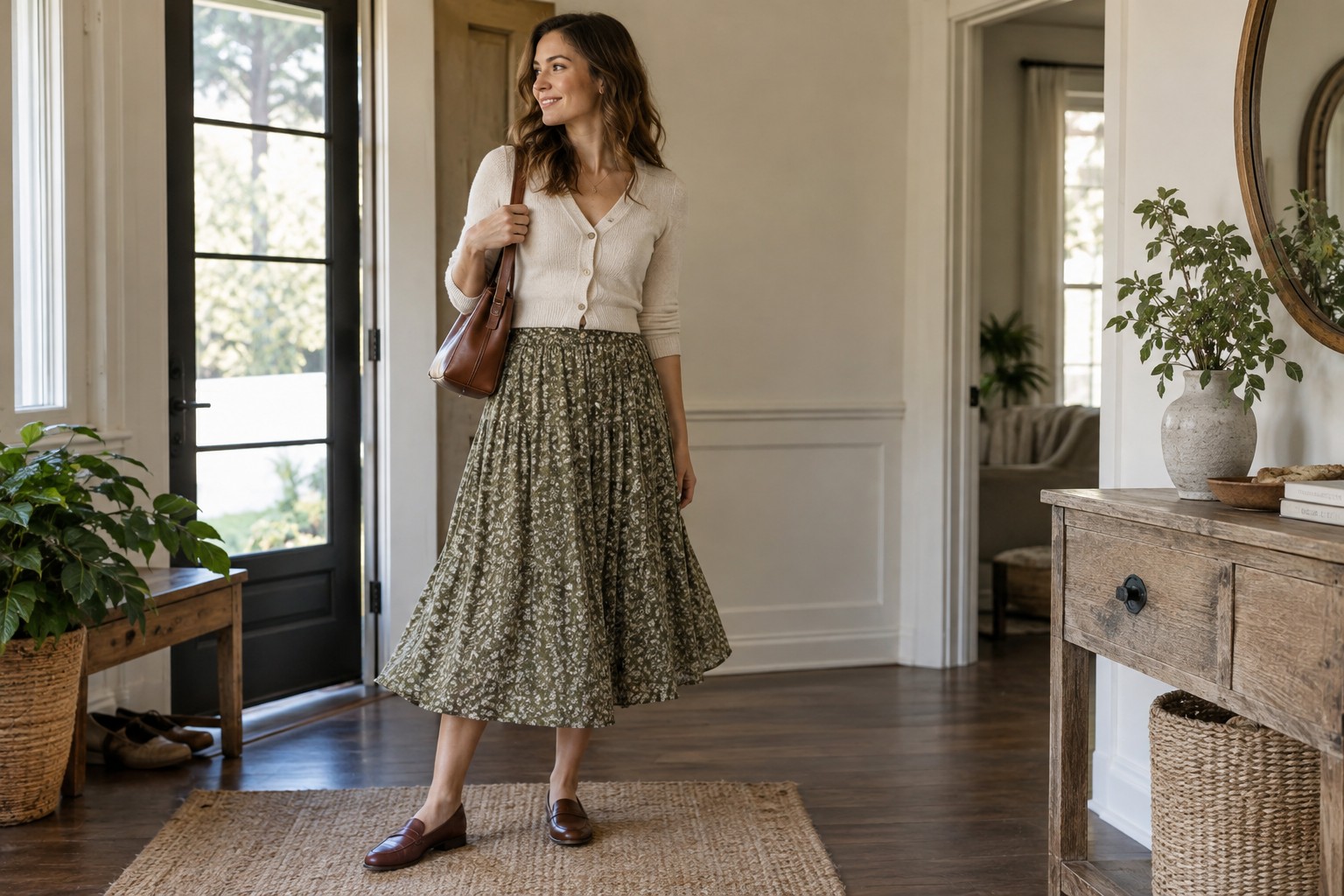
Use the skirt's movement and the shoe's shape to build a combination that feels deliberate.
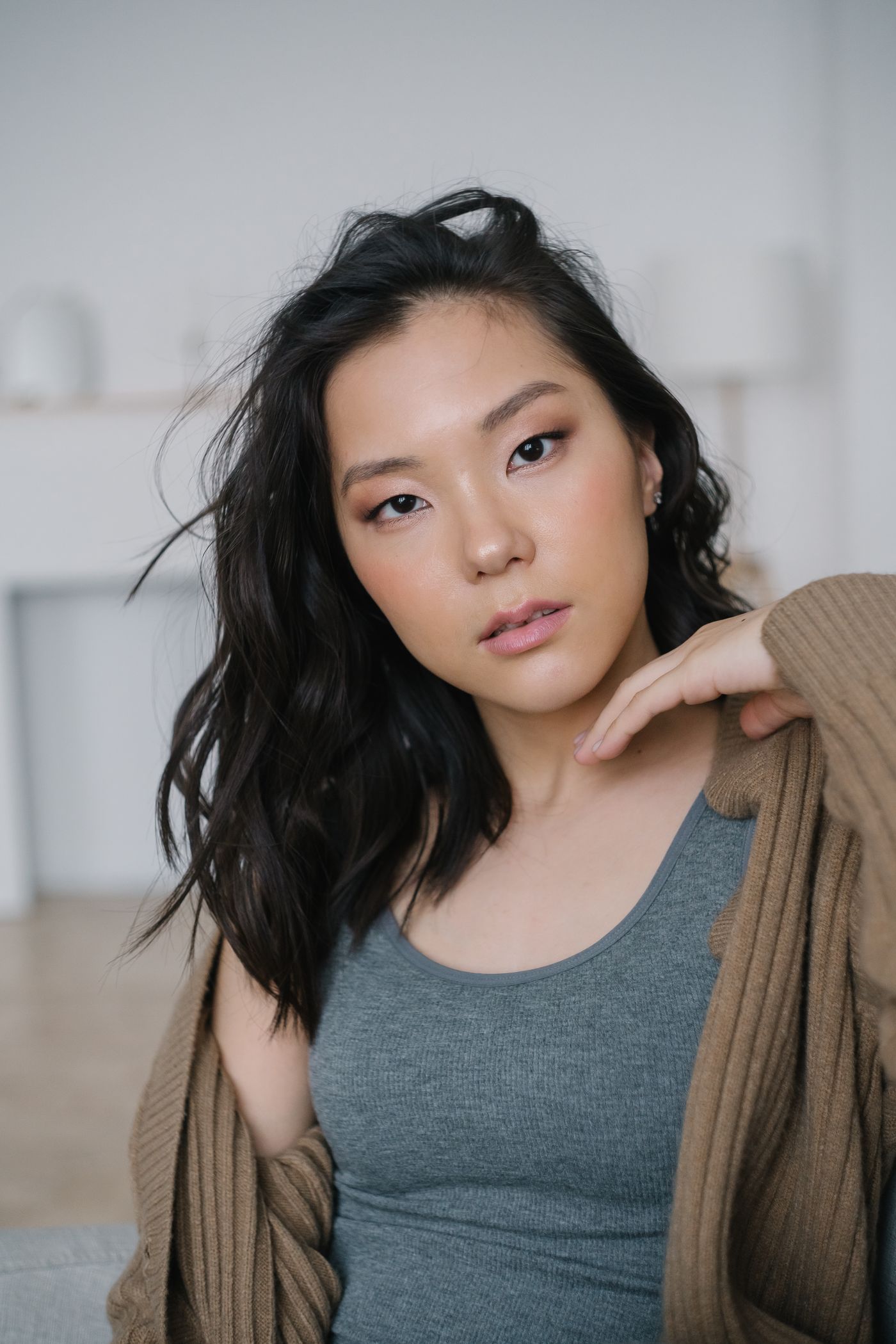
Choose whether the cardigan is the main top, a removable layer or part of a coordinated set.

Let the stripe's scale and contrast determine how much else the outfit needs.
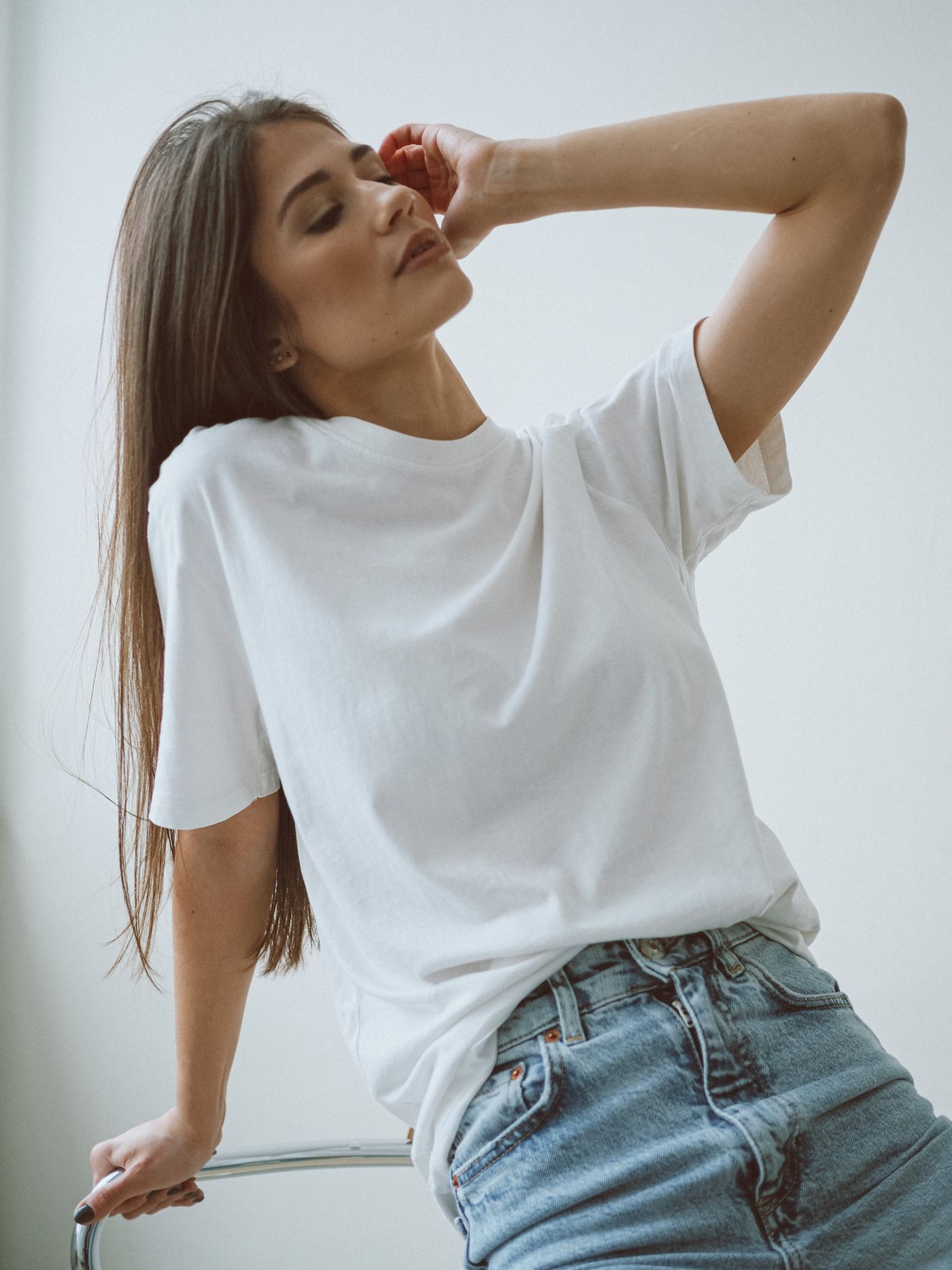
Inspect the neckline, sleeves and movement before treating a tee as an interchangeable basic.

Pair its structure with everyday pieces rather than treating it as half of an absent suit.
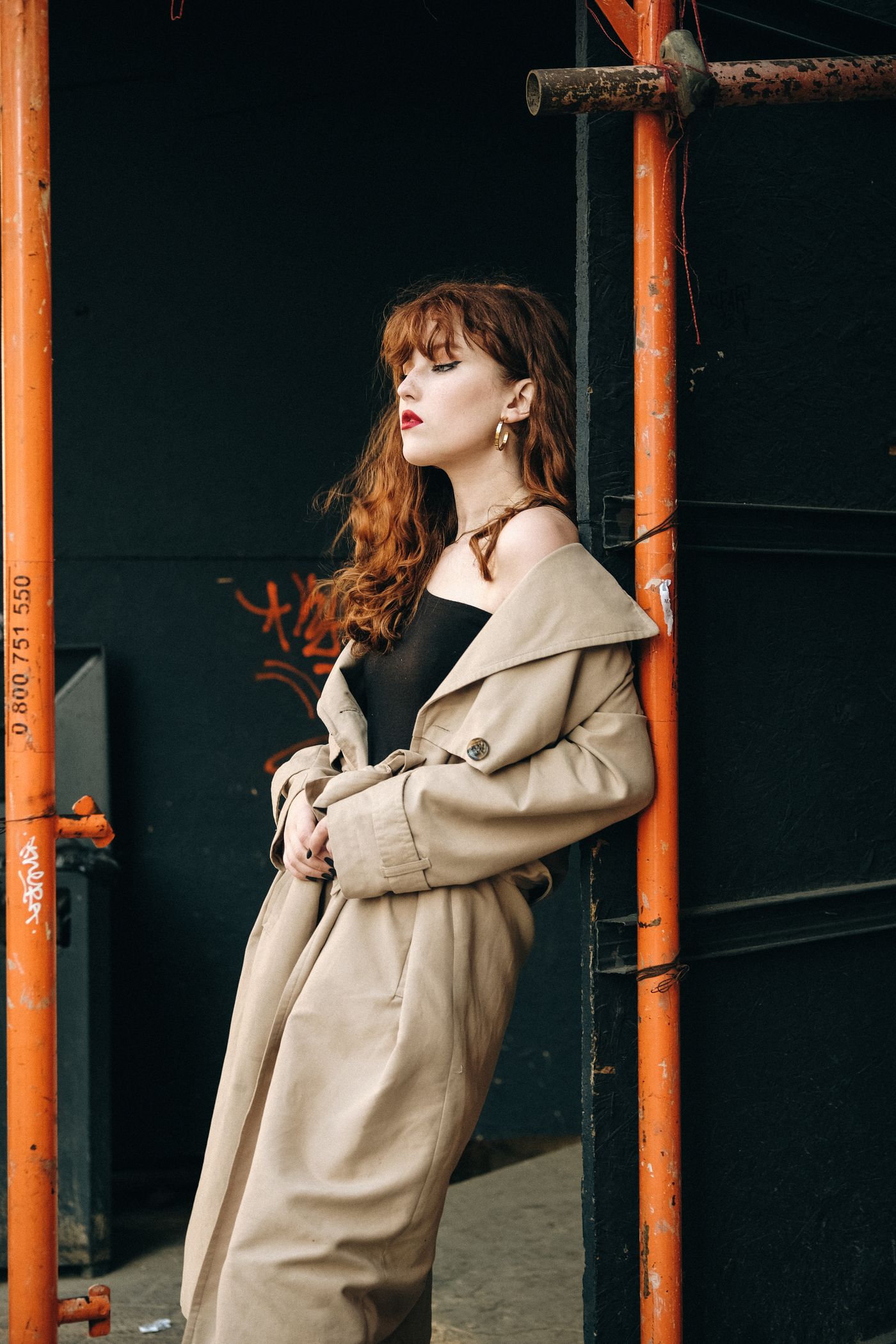
Assess the coat with the clothes you will actually wear underneath, not only with a thin fitting-room top.

Compare length, stiffness and sleeve space with the layers already in your wardrobe.
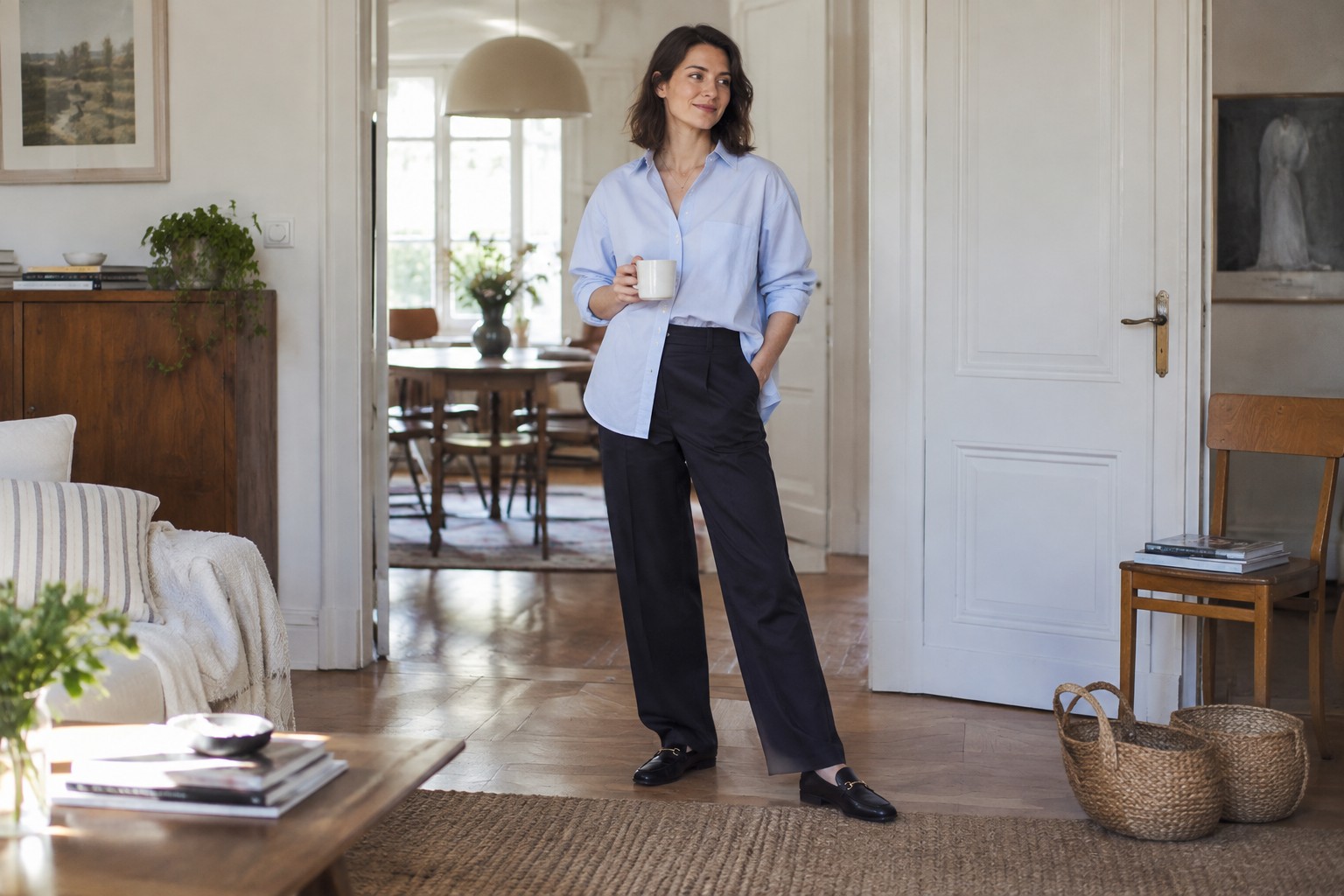
Use a clear hem, sleeve or layering decision without forcing the shirt into a close fit.
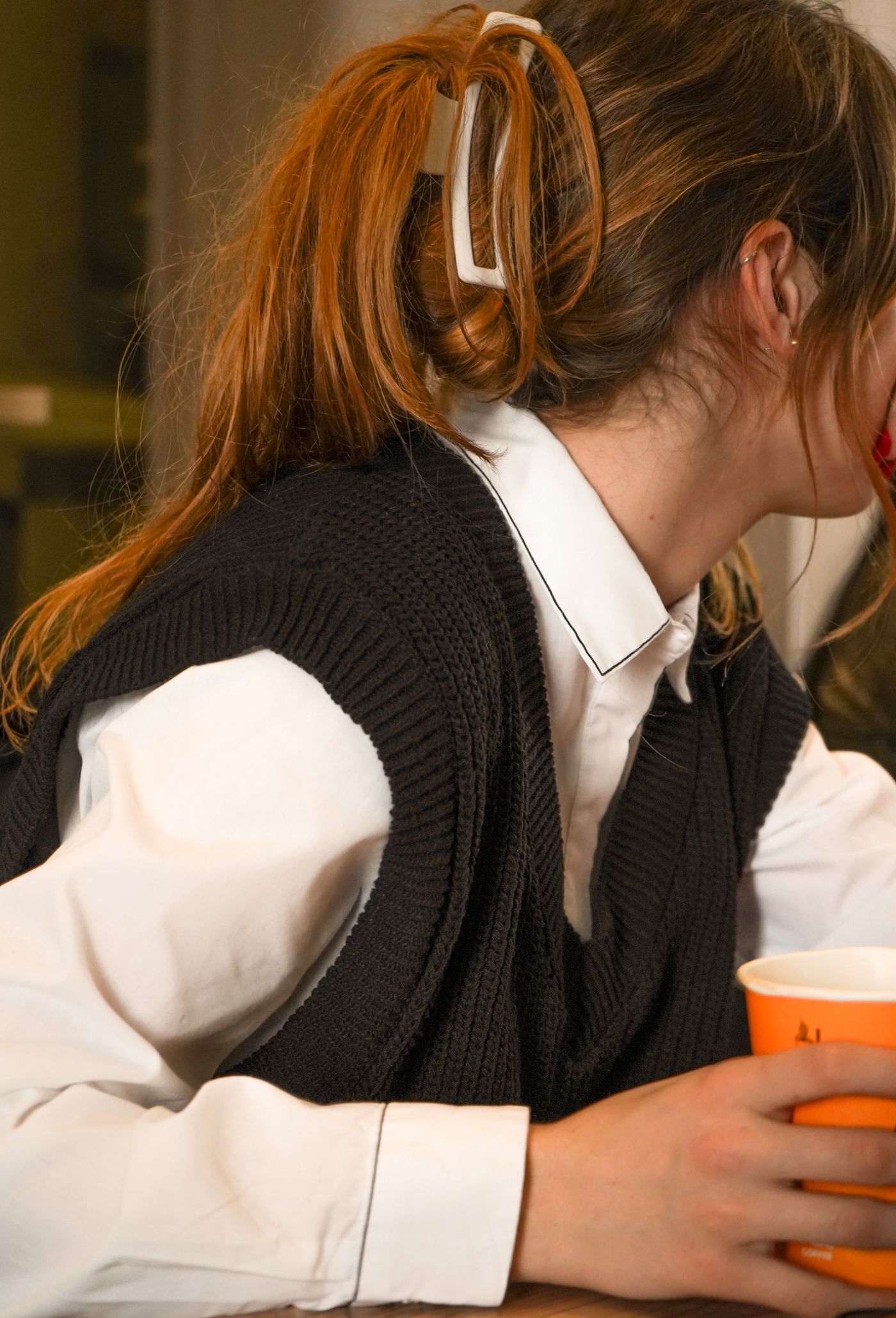
Check the armholes and neckline against the shirt or tee beneath it.

Choose a length and fabric that let you move comfortably, then add the pieces needed for the actual day.
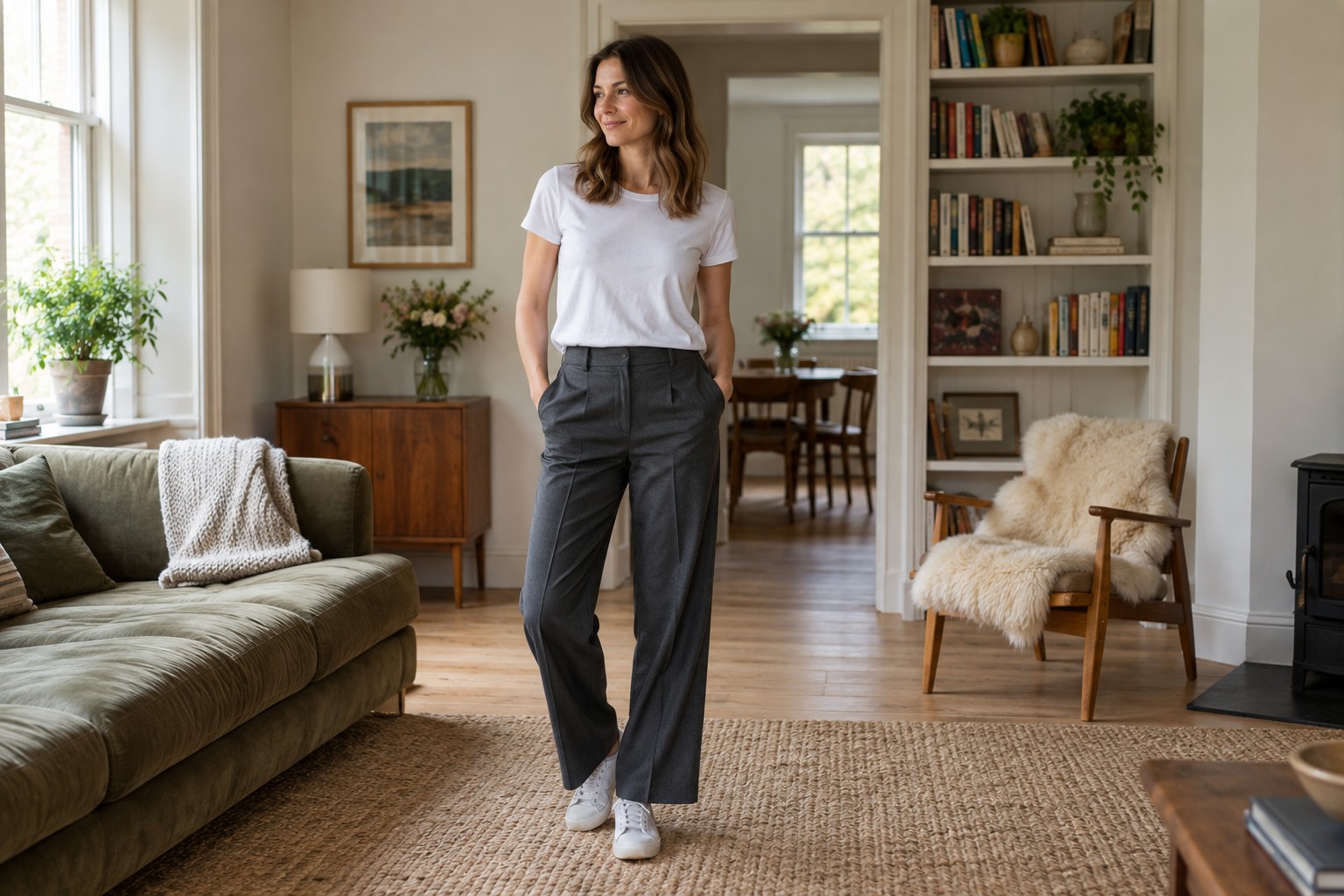
Keep the trousers' shape while changing the texture and formality of their companions.
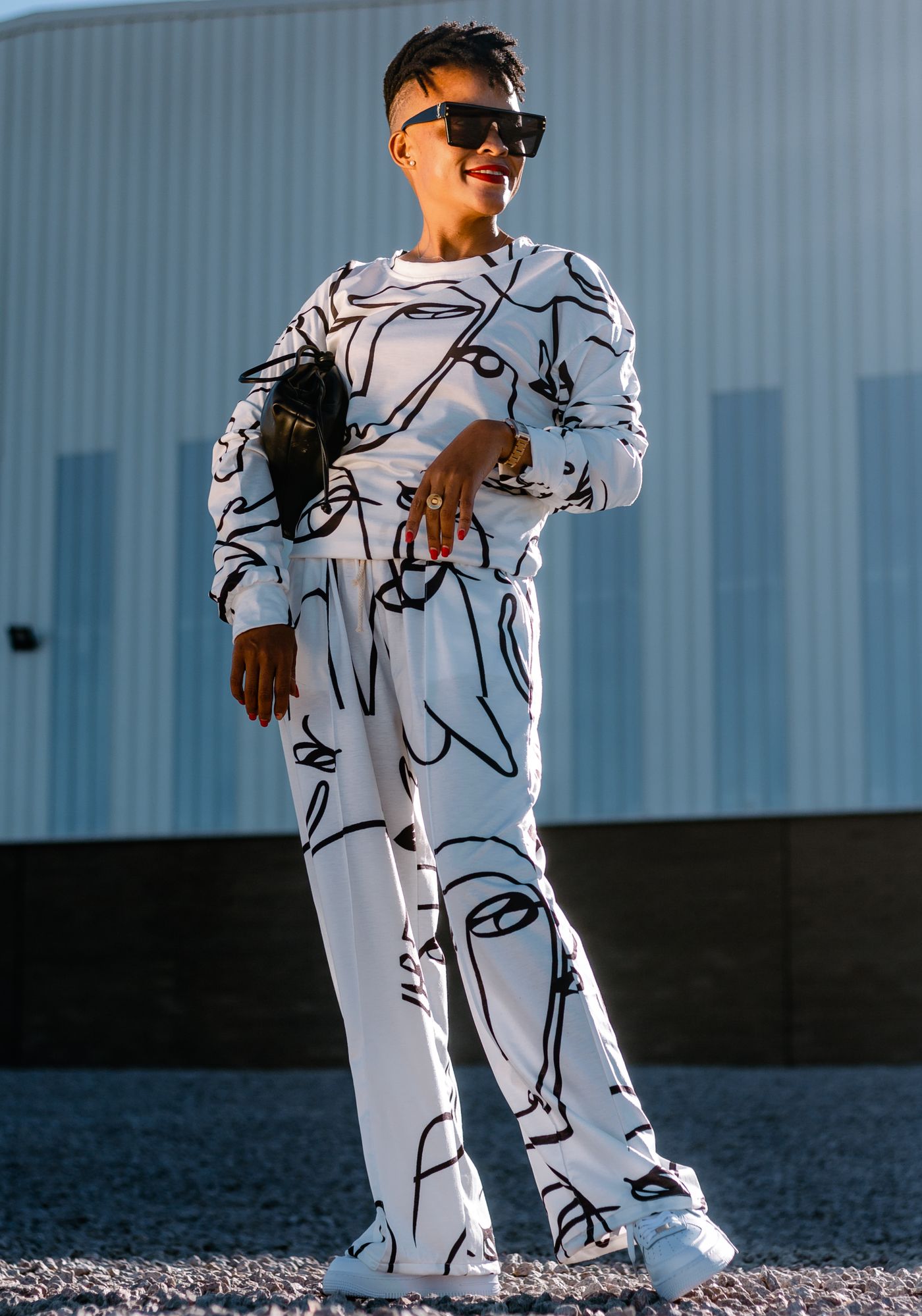
Assess each piece as an independent garment before assuming a coordinated set expands the wardrobe.
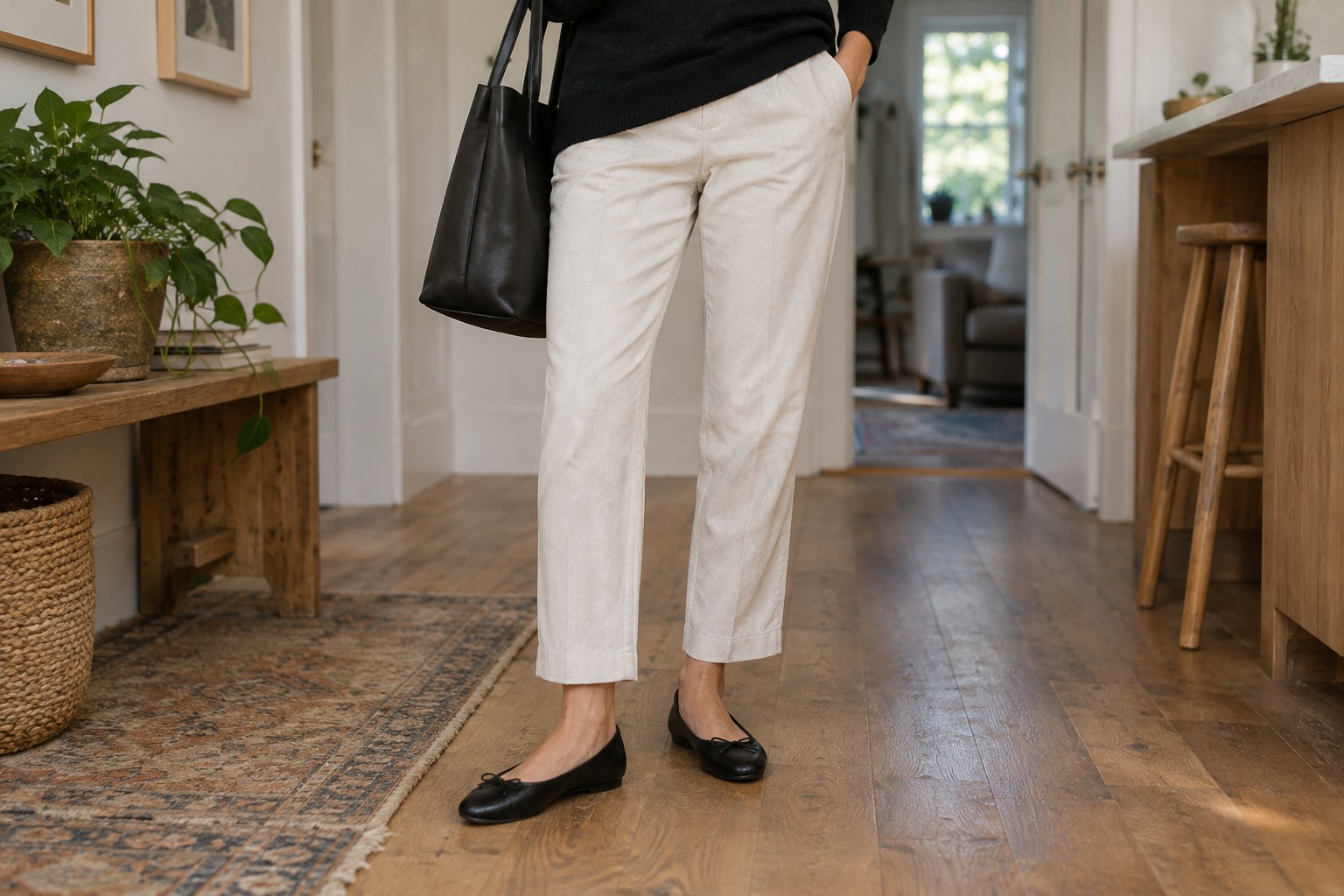
Look at the shoe opening and trouser hem together while keeping fit and walking comfort first.
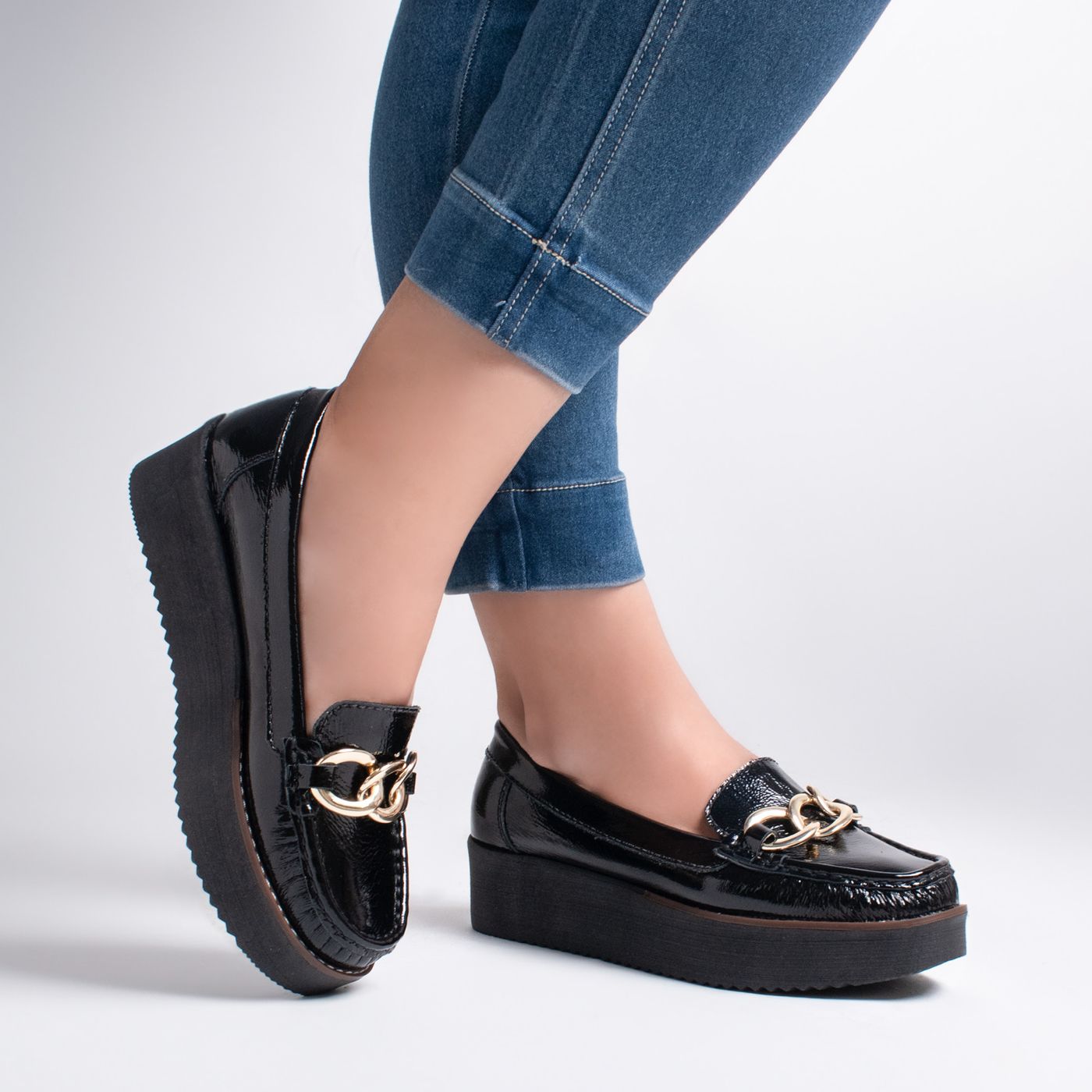
Use the shoe's weight and finish to decide whether the outfit feels relaxed or more structured.
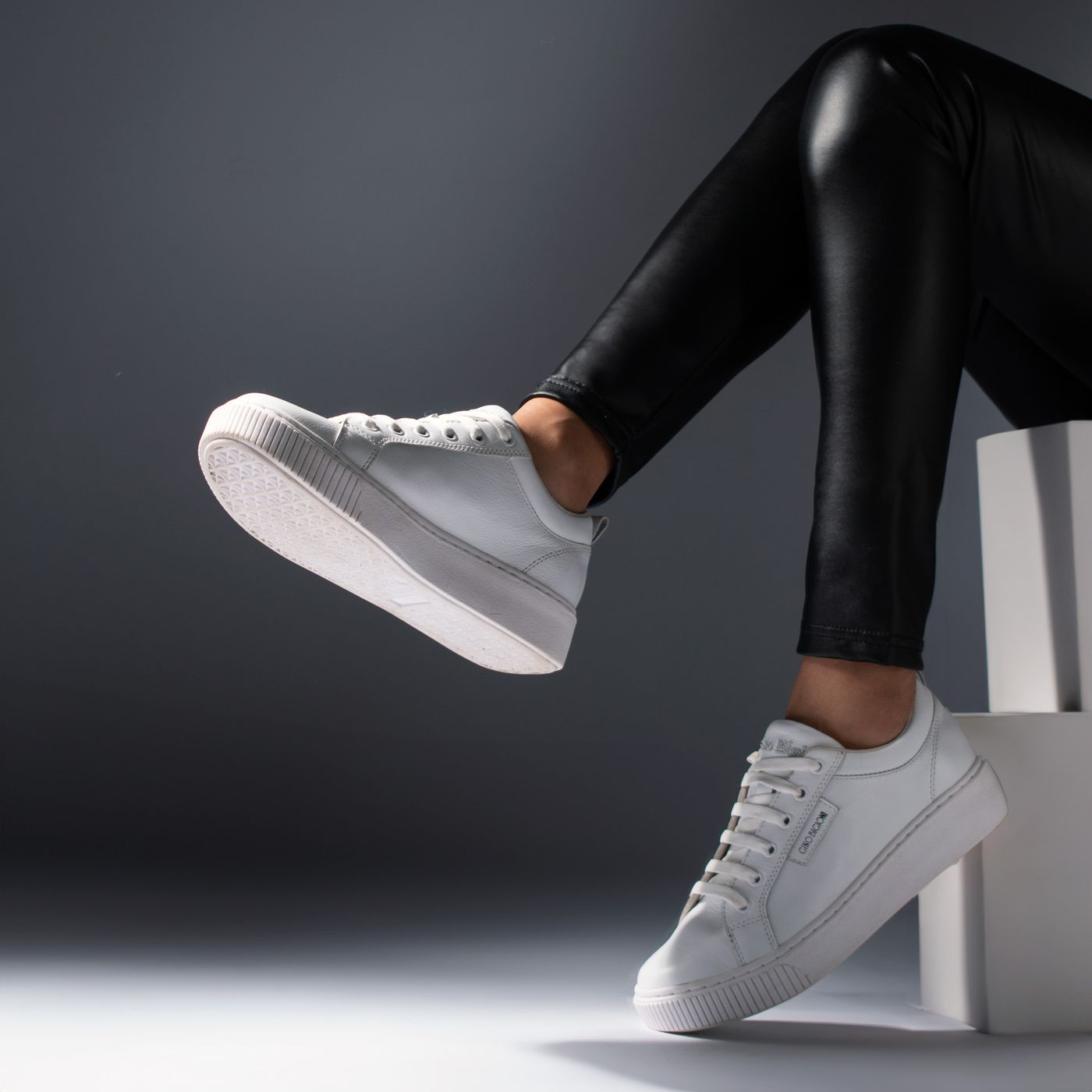
Try them with skirts, dresses and tailored trousers while checking the actual shoe shape and occasion.
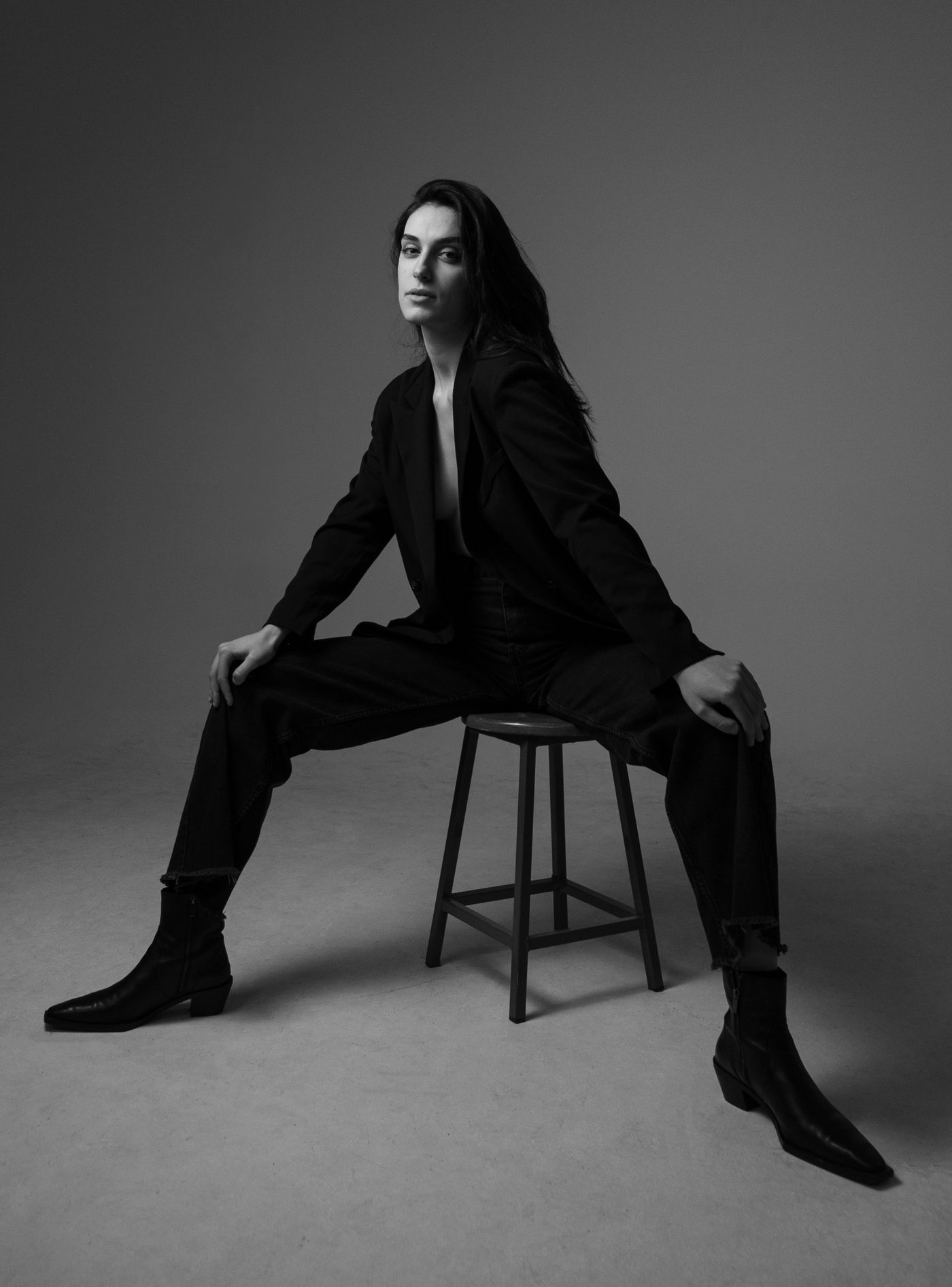
Compare the boot shaft and leg opening together instead of treating a small gap as a universal requirement.
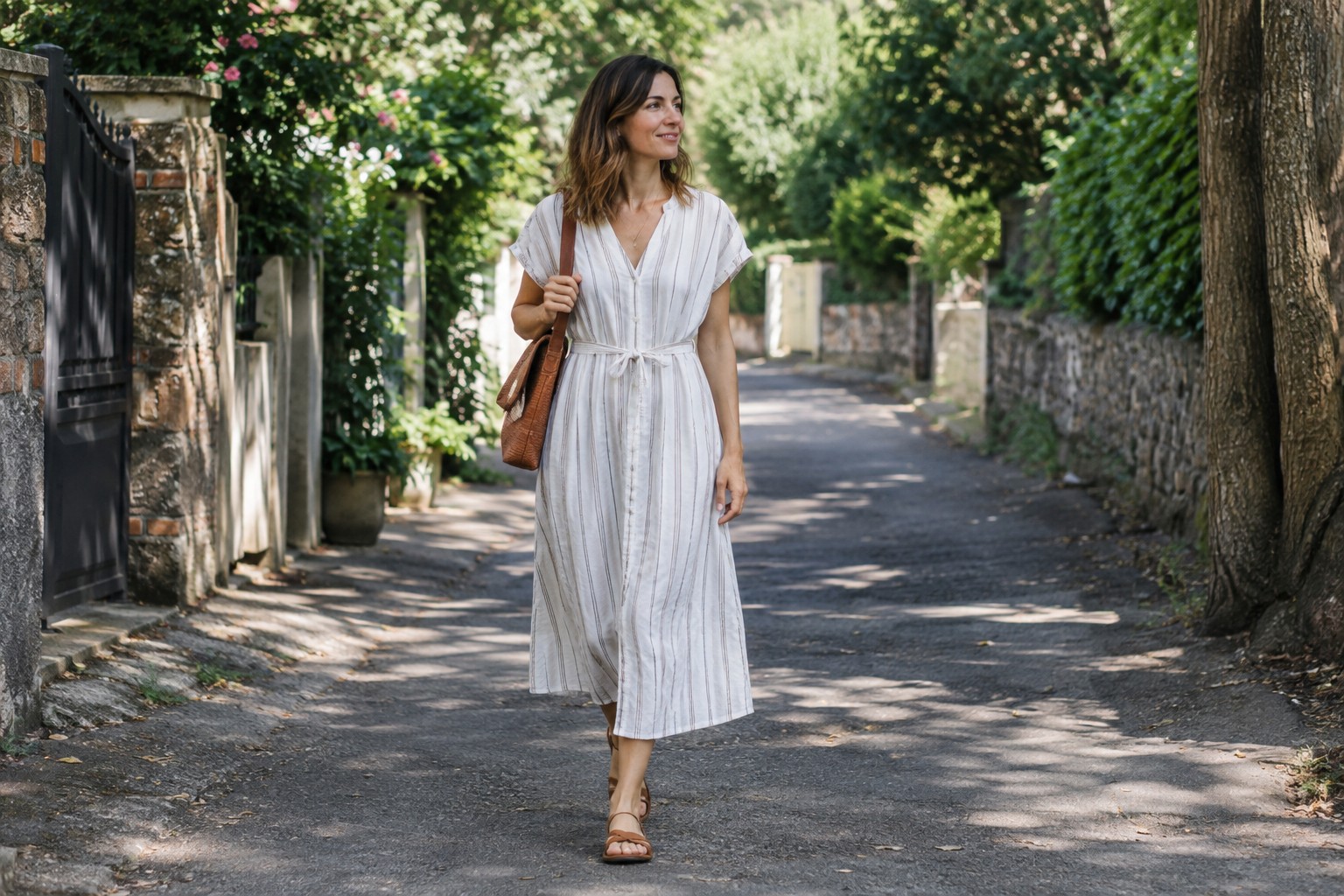
Let strap shape and the day's walking plans guide the clothes around them.
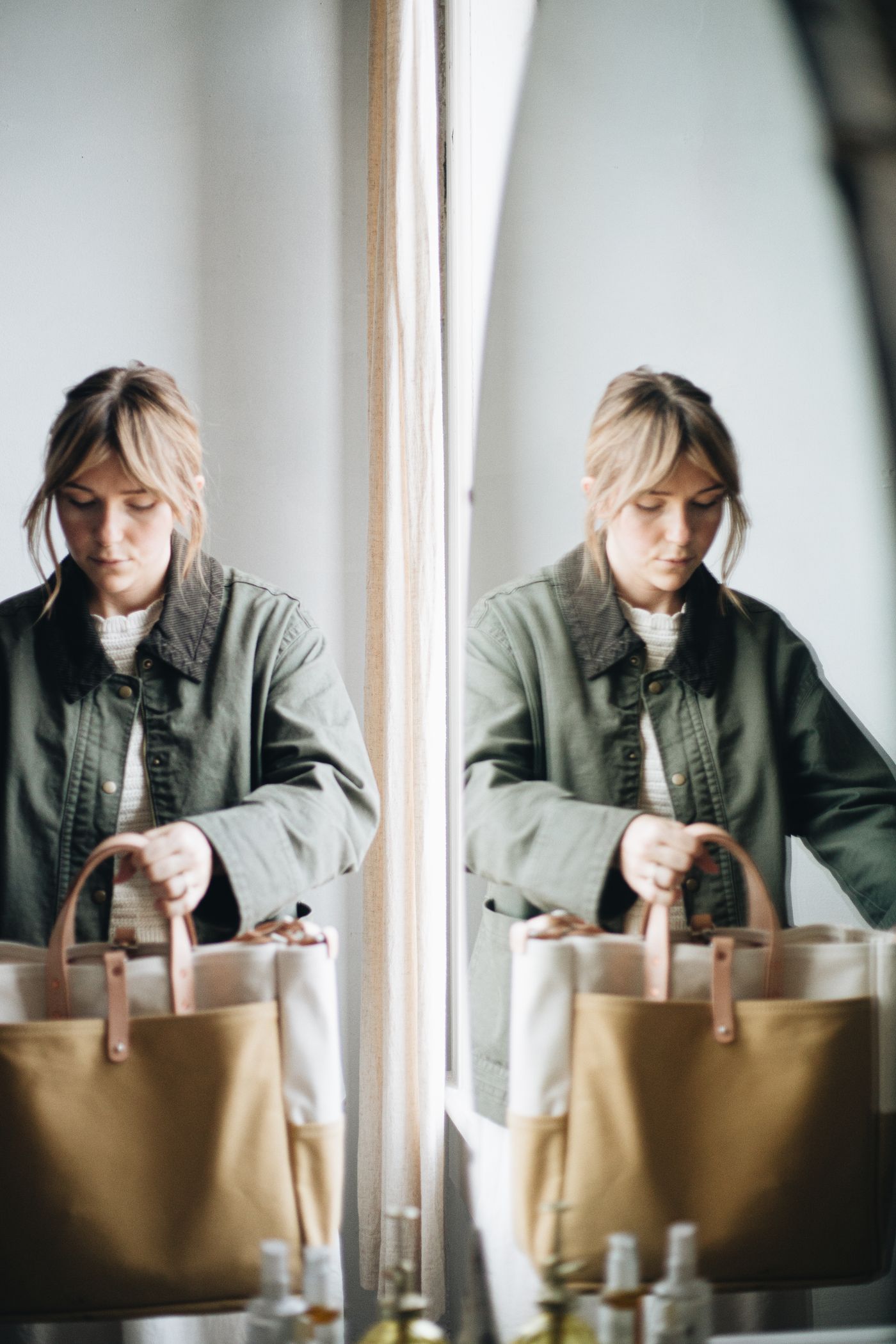
Test the loaded bag, its opening and its handles before judging it by empty dimensions.
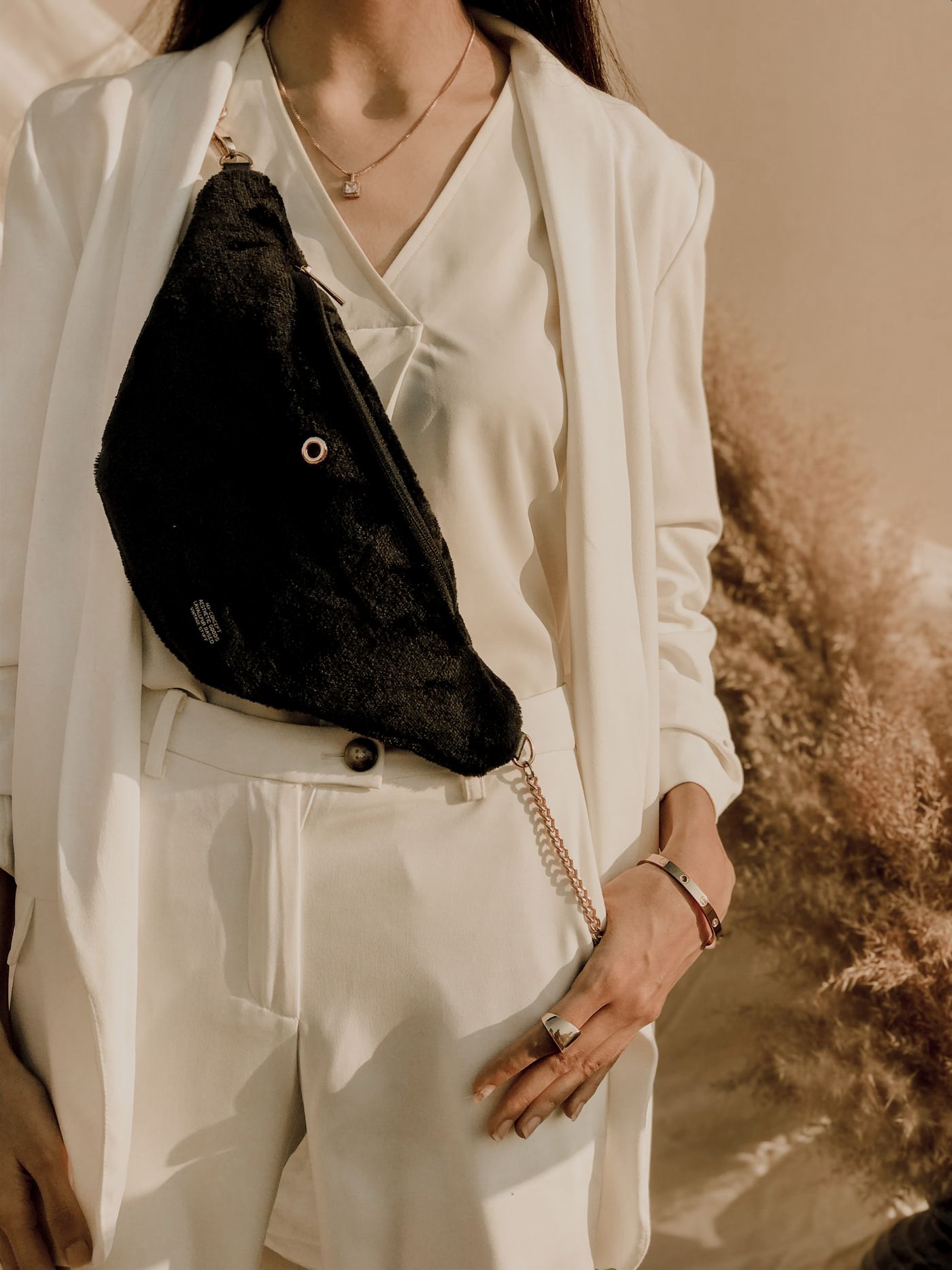
Test strap adjustment, access and the way the bag sits over real layers.
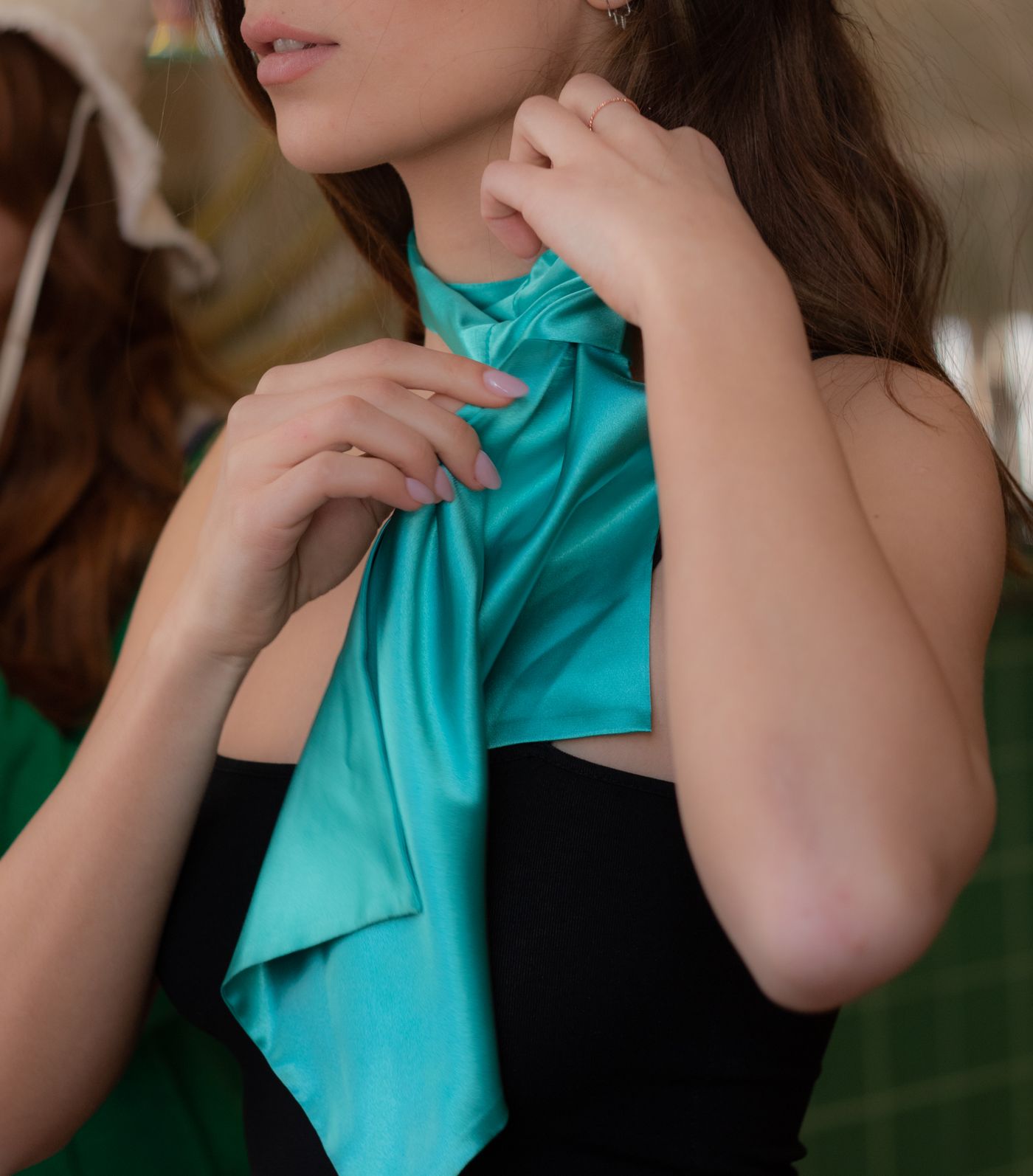
Use the scarf as a modest colour or pattern element and keep the fastening comfortable.
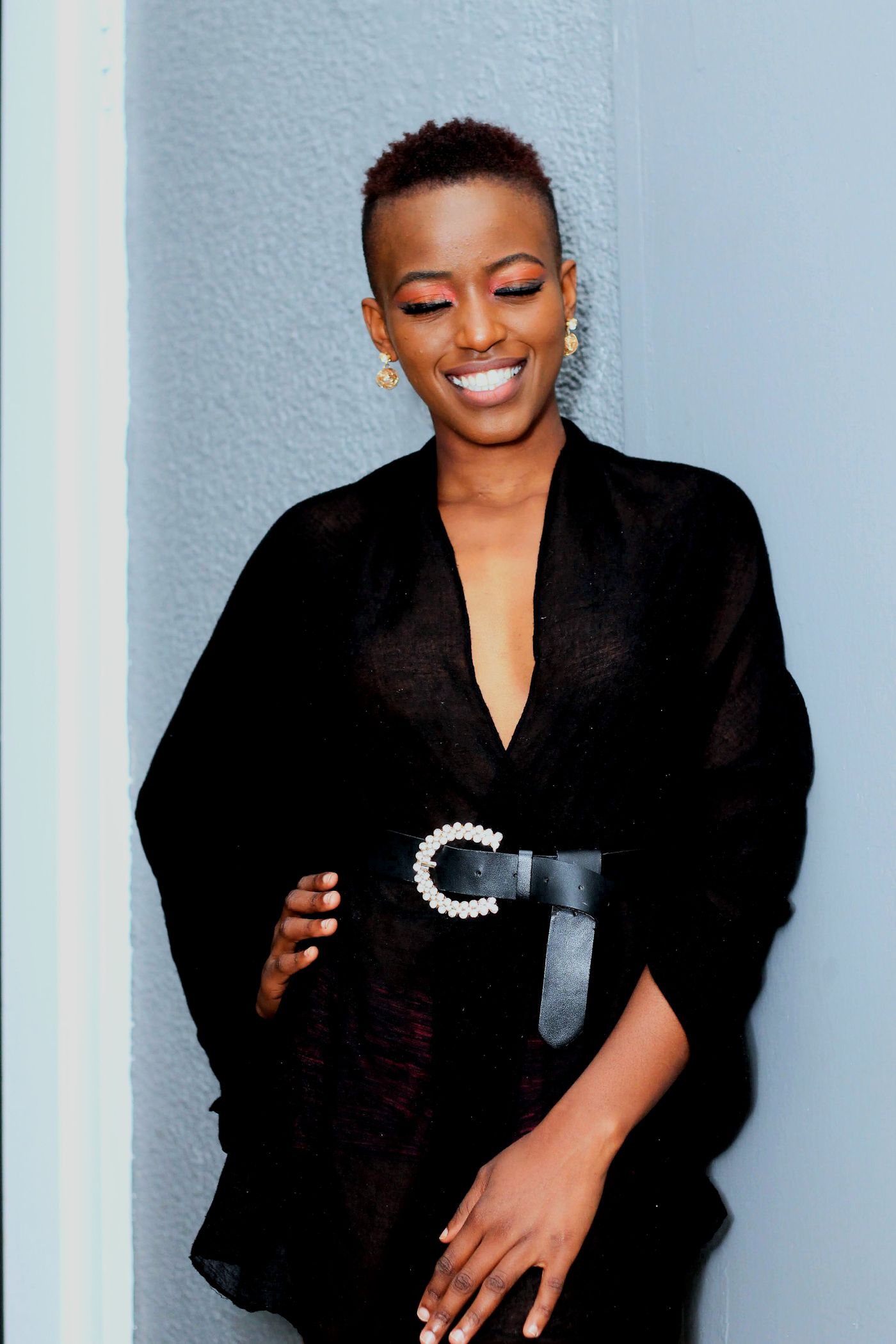
Decide whether the belt needs to hold clothing in place, define a waist or simply add a visible line.
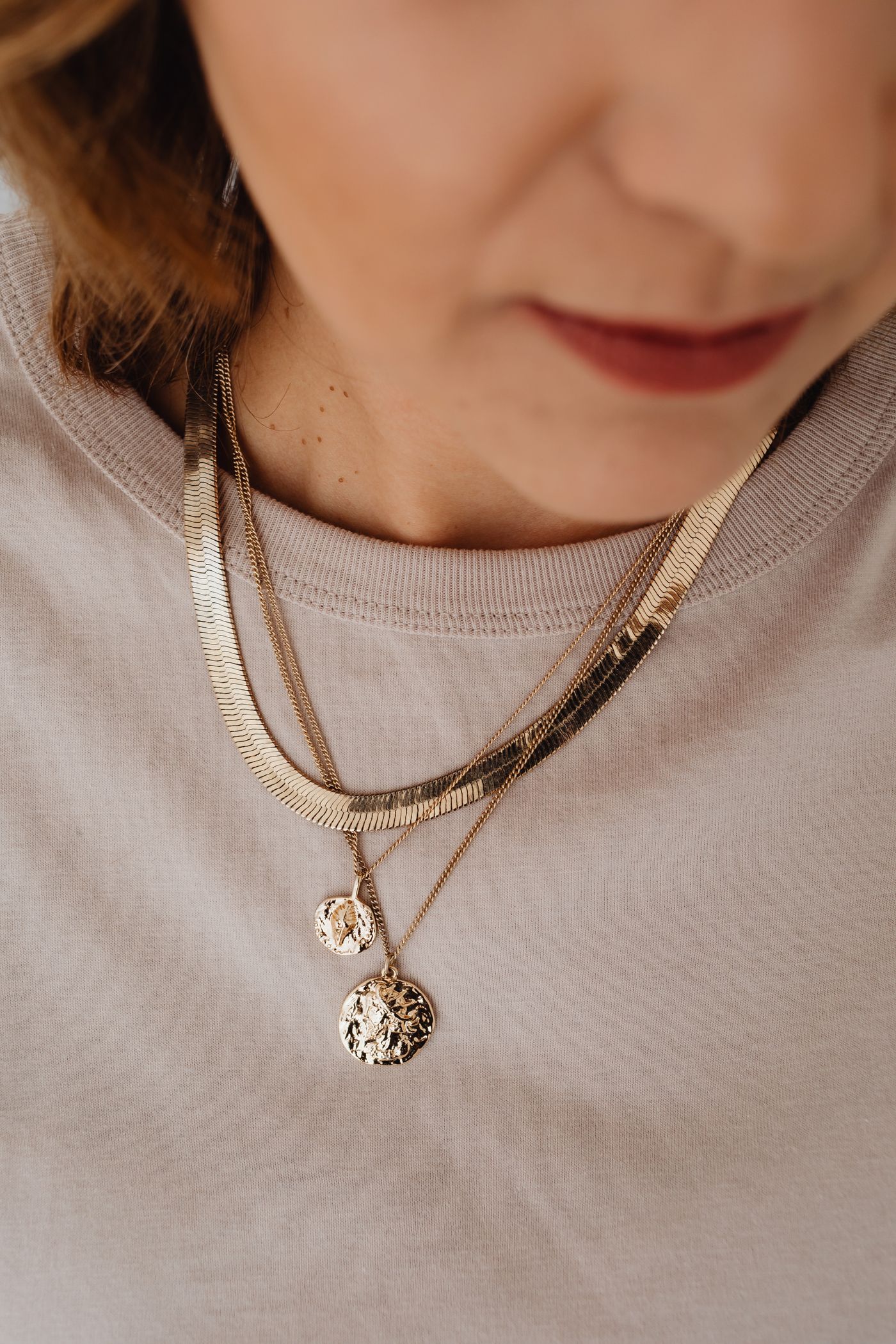
Give each necklace a visible place and test how the chains move together.
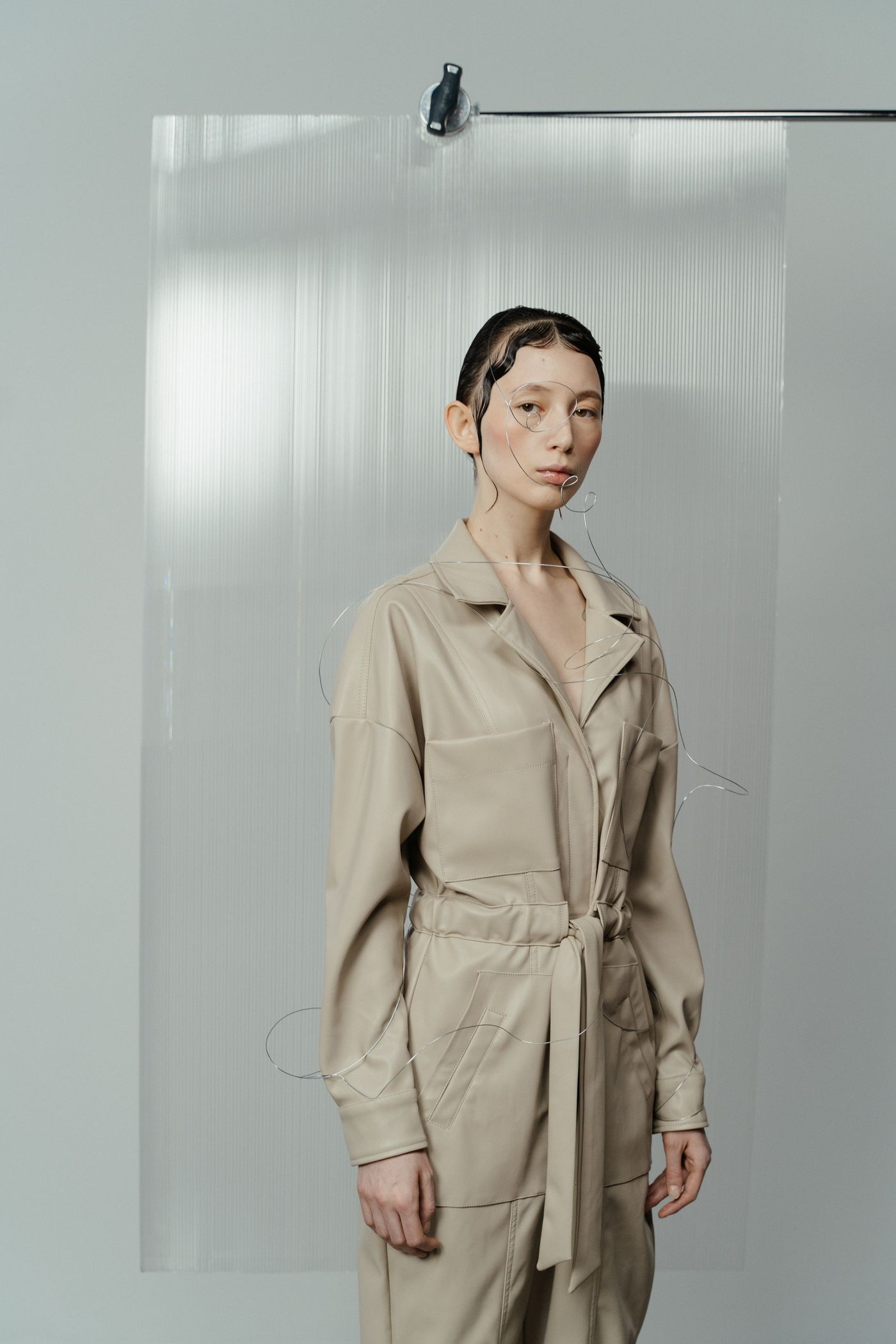
Use differences in tone, texture and shape rather than expecting similar colours to do all the work.
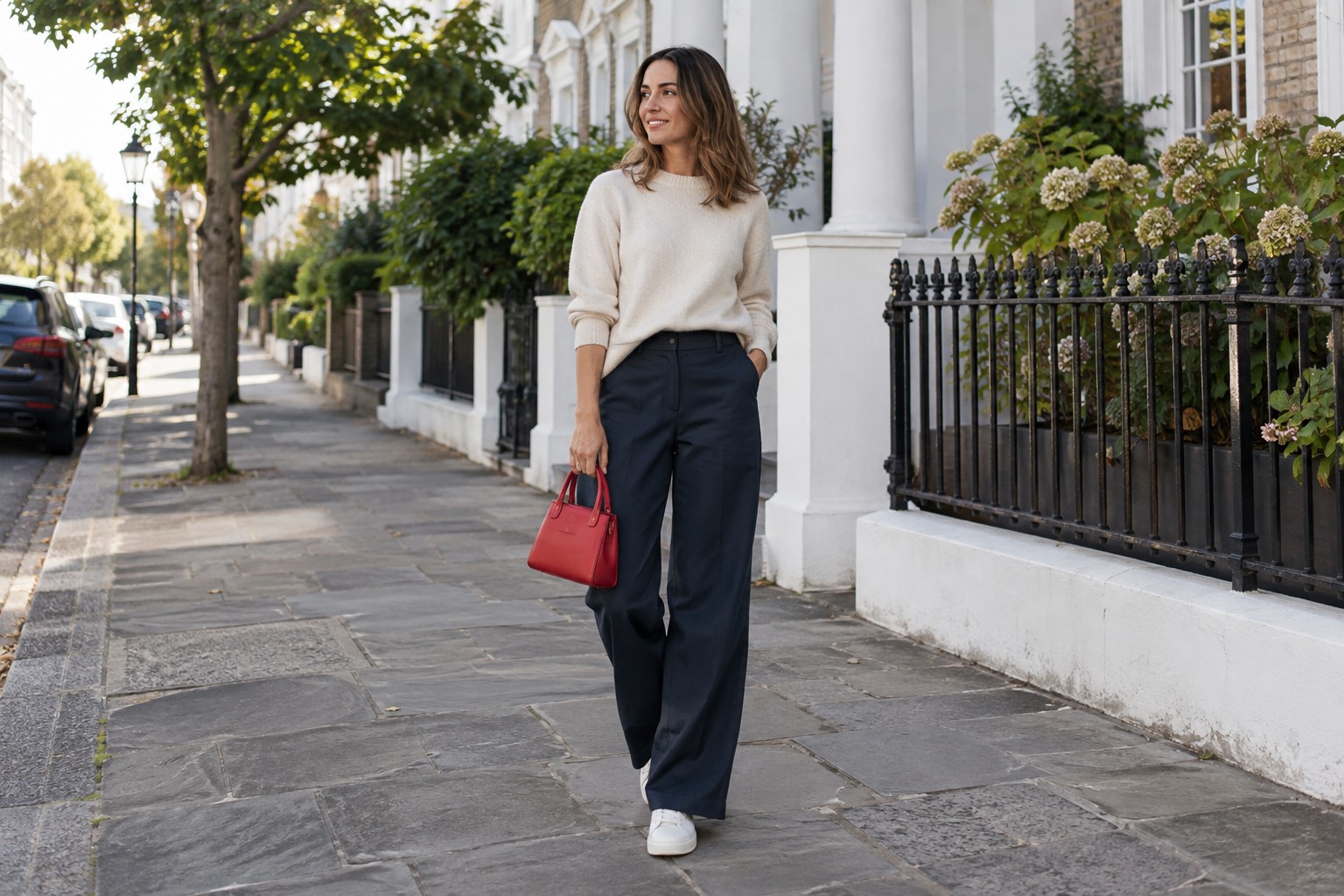
Begin with a familiar combination and decide where you want the new colour to appear.
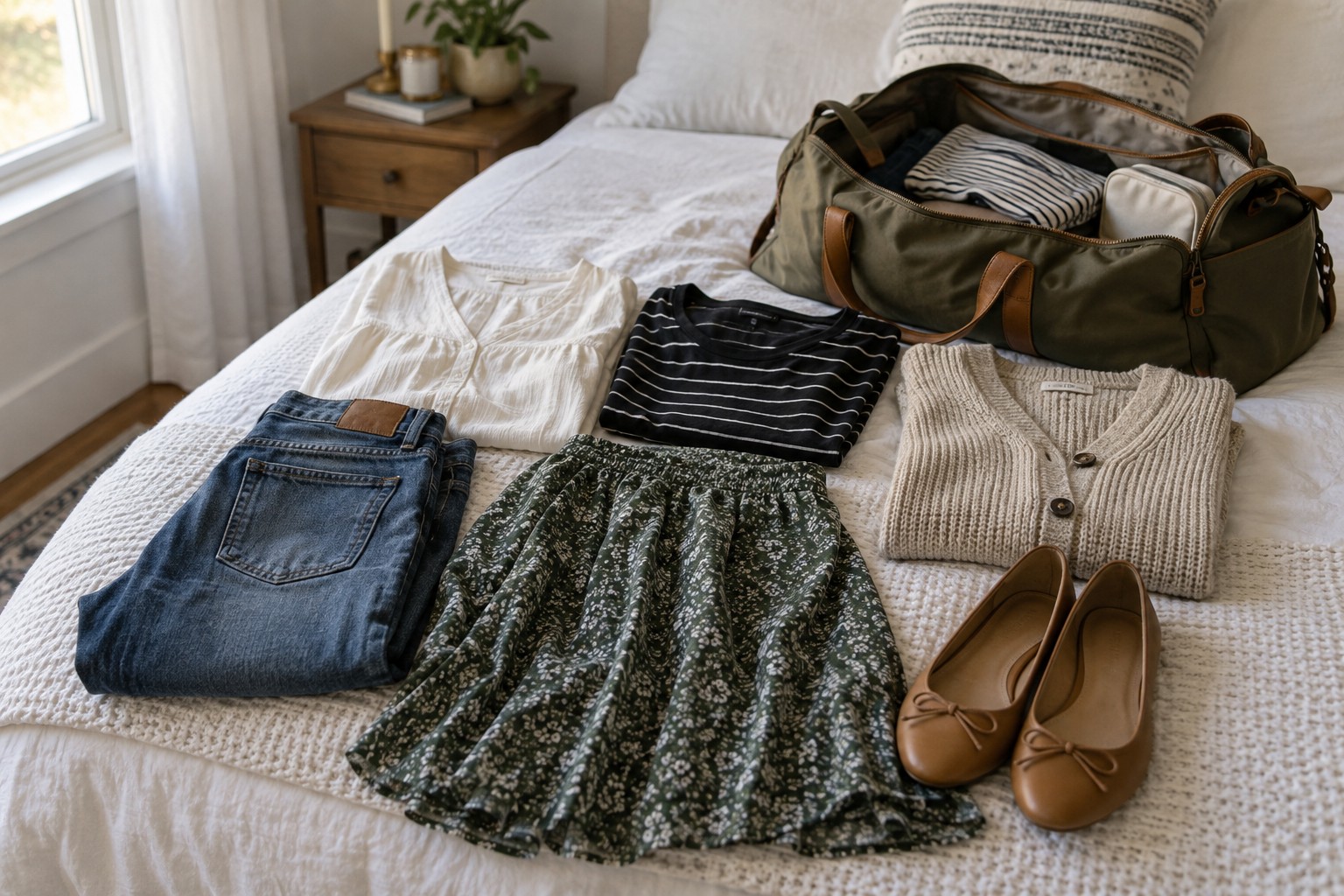
Pack complete outfits for the itinerary, then remove duplicates that serve no separate purpose.

Build a complete warm-weather base, then add a layer that works at your desk without changing the whole outfit.
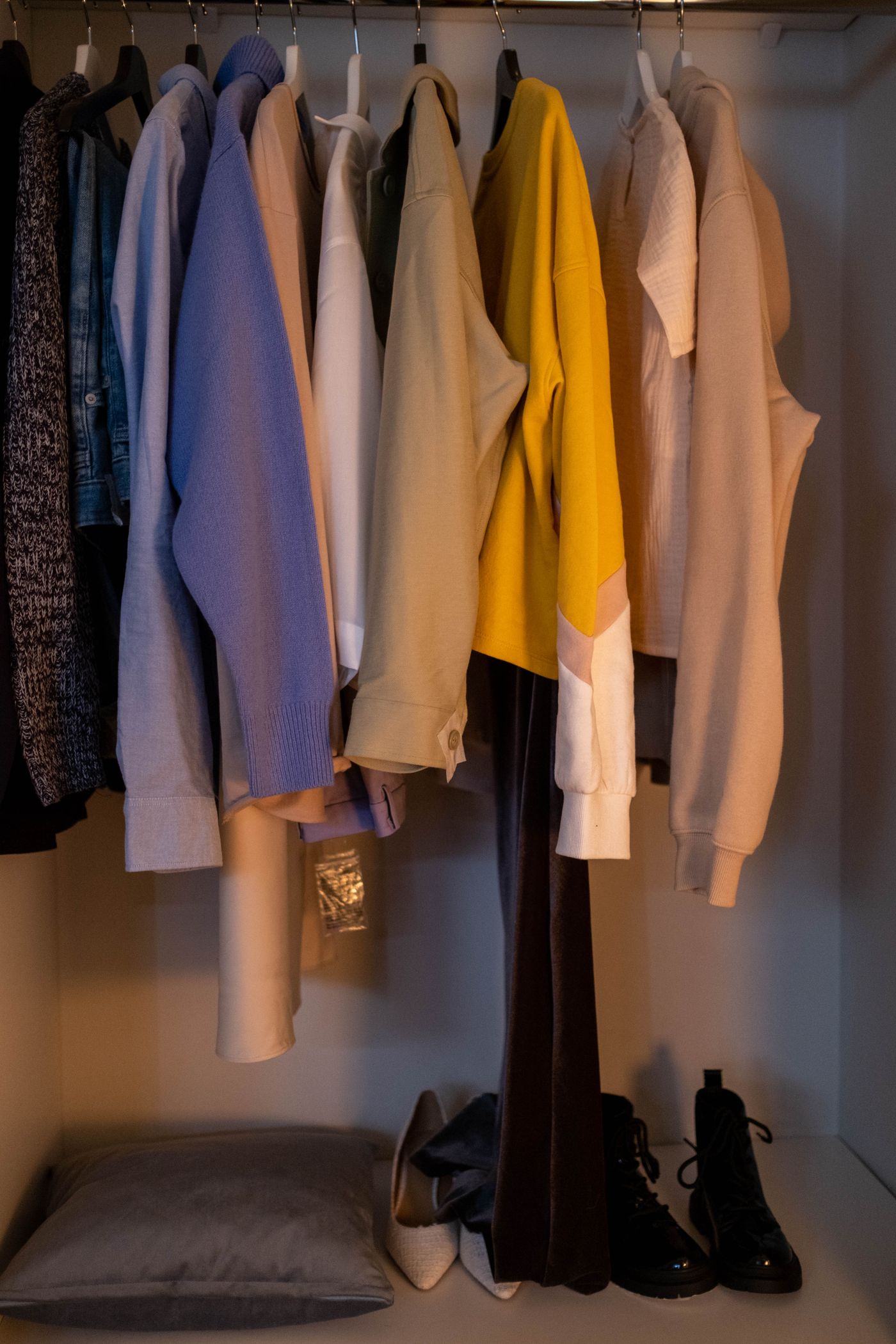
Use unfinished outfits and repeated frustrations to identify a specific need, not a generic list of essentials.