Dress for a warm commute and a cool office
Build a complete warm-weather base, then add a layer that works at your desk without changing the whole outfit.

A warm journey and a cool office create two different clothing needs within one day. The useful solution is usually a base outfit that works independently and a layer that can be added comfortably indoors. Wearing a heavy outfit throughout the commute simply because the desk area is cool may make the first part of the day unnecessarily difficult.
Start with the workplace's expectations
Check the actual dress requirements, including any differences for meetings, visitors or particular tasks. A sleeveless top may be acceptable in one workplace and unsuitable in another. The base outfit should meet the setting's expectations even if the added layer is removed, rather than relying on a cardigan to make it temporarily appropriate.
Choose a top and bottom that feel comfortable during the journey. Assess opacity, movement and the waistband while sitting. A fabric described as lightweight is not automatically comfortable for everyone or every commute. Try the clothes in ordinary use before relying on them for a demanding day.
Choose the indoor layer by function
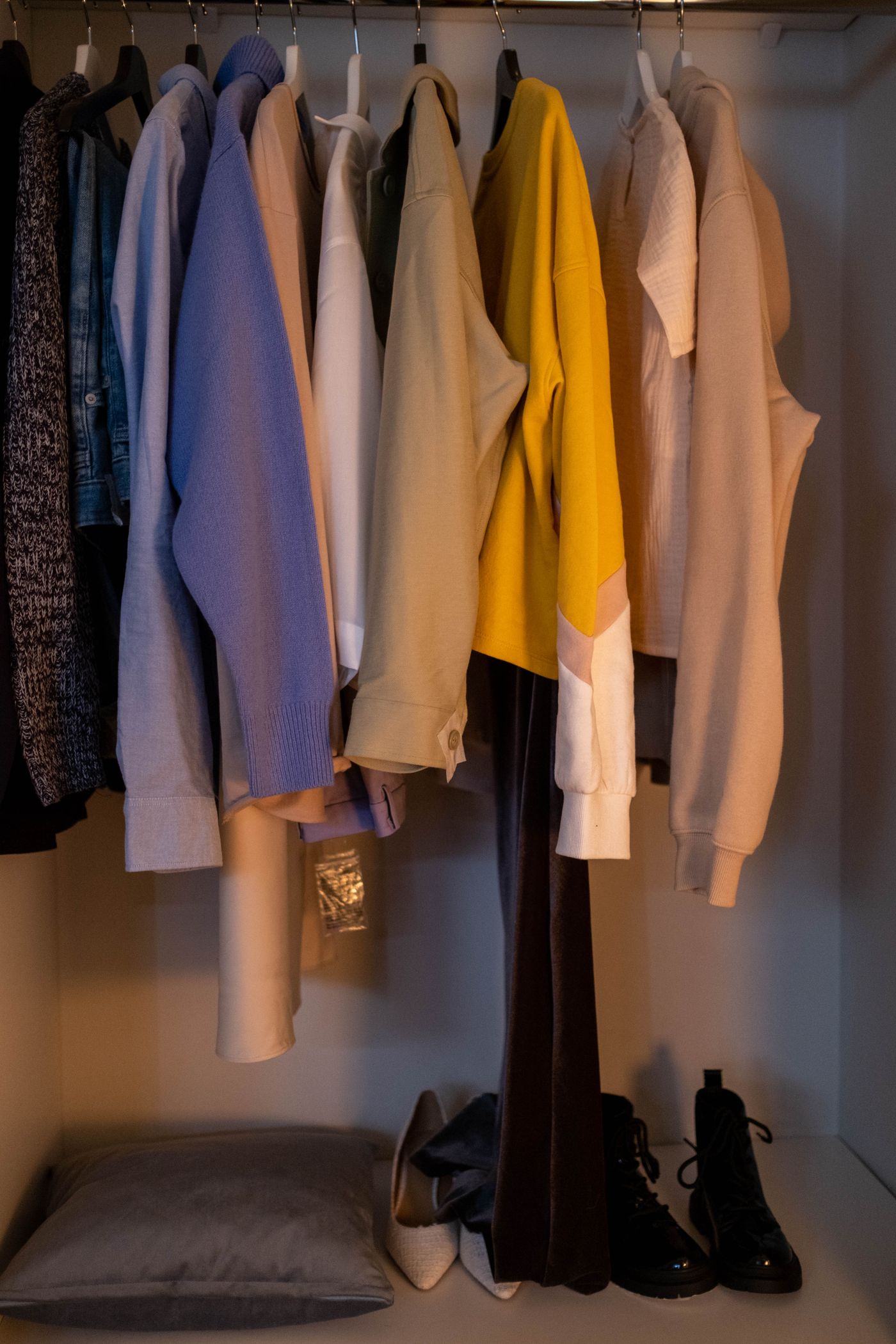
A cardigan can be easy to put on at a desk, while a light blazer adds a more structured outline. A soft jacket or another suitable layer may work better for your workplace. Check sleeve room over the base top and whether the layer can be worn while typing, reaching and moving around.
Consider where it will live when not worn. A layer kept at the office needs appropriate storage and occasional care; one carried daily should fit in the bag without taking over it. Avoid leaving a delicate knit hanging indefinitely on a chair if that does not suit its construction. Follow the garment's storage guidance.
Make the two versions complete
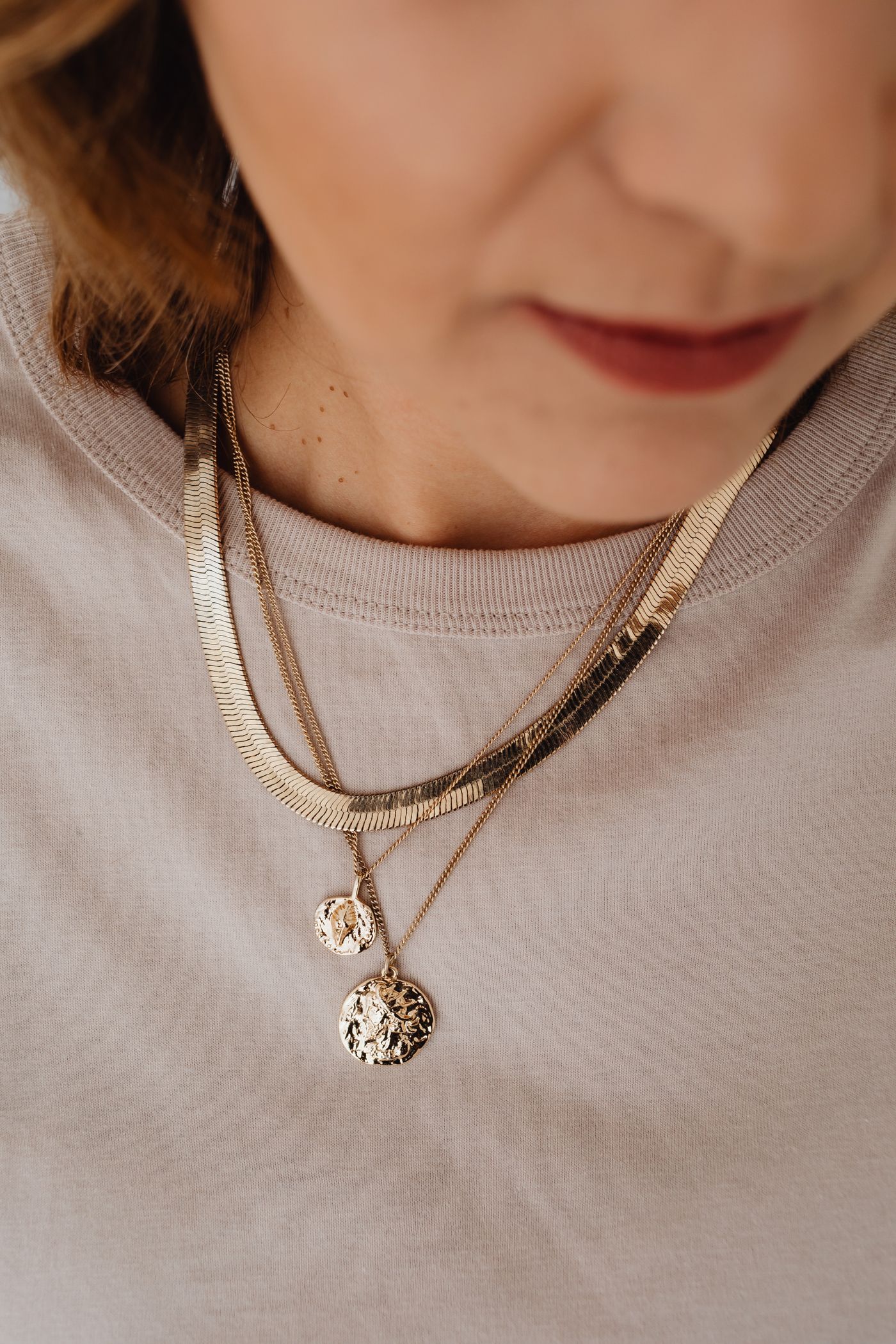
Try the outfit with and without the layer. Look at the neckline, hem lengths and any accessories in both versions. A necklace that sits neatly with a jacket may catch when the jacket is removed, while a long shirt hem may bunch beneath a shorter cardigan. Resolve these small conflicts before the morning rush.
If the base top is loose, check whether the outer layer accommodates it rather than compressing it into folds. If the base is fitted, make sure it remains comfortable after the journey. The aim is not a perfectly identical silhouette indoors and outside, but two usable versions of the same outfit.
Plan the journey details
Choose shoes appropriate to the route. If you change shoes at work, keep the transition manageable and check that trouser hems work with both pairs. A long hem that clears the ground in office heels may drag during the commute in flats. A different length or a different outfit may be more sensible than continually lifting the fabric.
Consider the bag's effect on the clothes. A heavy shoulder bag can shift a neckline or wrinkle a light jacket. Carrying the outer layer separately may be convenient, but only if it can be managed alongside everything else. A spare tote filled with just-in-case clothing can become another daily burden.
Adjust the environment where possible
If the temperature at your desk is consistently difficult, discuss practical workplace options through the appropriate channel. Clothing can help with ordinary variation, but it is not the only factor. A desk directly in an air stream may feel different from another part of the office, and moving a little within the permitted setup might be relevant.
Keep a brief note of combinations that work on different kinds of days. A light cardigan may be enough for one office area, while a thicker layer is needed for a long meeting elsewhere. Build around those observed needs rather than packing every possible layer. The most useful system lets you arrive, add or remove one piece and continue the day without rebuilding the outfit.
A possible starting combination is a short-sleeved top, trousers and a cardigan that fits over the top without pulling. Another is a dress with a light blazer. Test both versions while seated at a desk, including how the sleeves behave against the work surface. A layer that repeatedly slides over the hands can be inconvenient even when it feels warm enough.
If you keep one layer at work, choose it to accompany the colours and necklines you actually repeat. A theoretically neutral cardigan may clash in length or volume with most of your clothes. Photograph it with several common outfits at home before leaving it permanently at the office; that small test can prevent a useful temperature solution from becoming an awkward visual afterthought.