Find wardrobe gaps before buying more clothes
Use unfinished outfits and repeated frustrations to identify a specific need, not a generic list of essentials.
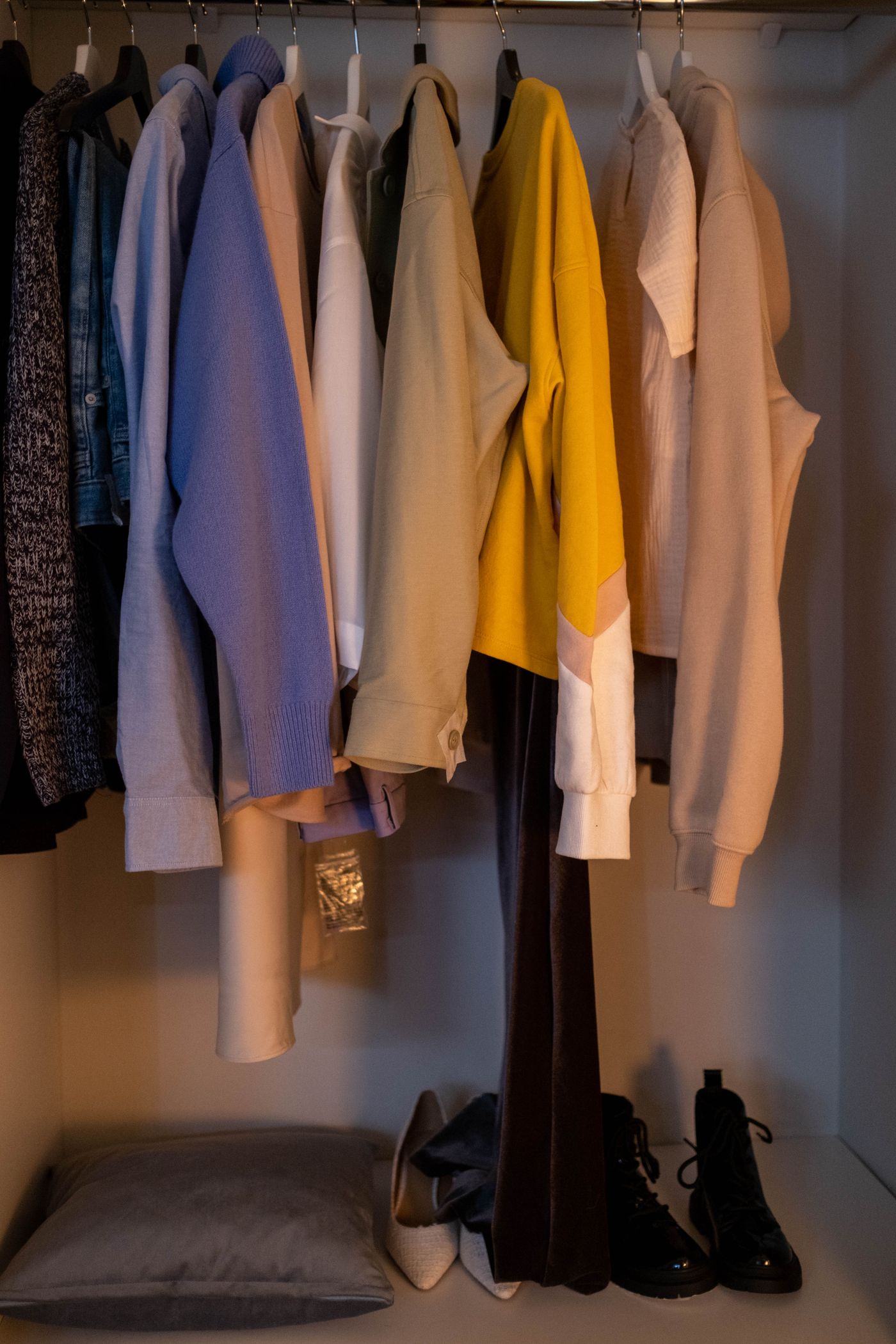
A wardrobe can feel incomplete while already containing plenty of clothes. The missing element may be a useful shoe, a compatible layer or simply a clear set of outfits. Before buying more, identify the exact moment when getting dressed becomes difficult. That moment is more informative than a general feeling that you have nothing to wear.
Start with the clothes you use
Choose a normal week rather than an imagined ideal lifestyle. Note the outfits worn for work, errands, social plans and time at home. Include the weather and any practical demands. A wardrobe for frequent walking needs different support from one built around car journeys and formal indoor events.
Pull out the pieces you reach for repeatedly and ask what makes them useful. It may be a particular length, easy movement, a colour that connects to several others or care that fits your routine. Those details can guide future purchases more reliably than a category such as good basics.
Complete the almost-outfits
Take one garment you like but rarely wear and try it with what you already own. Identify the missing relationship. Perhaps a skirt needs a top that ends at a different point, or trousers only work with a shoe you do not enjoy wearing. Write the need specifically: a comfortable closed flat that works with these trouser hems is more useful than more shoes.
If several unworn garments each require a different new purchase, reconsider whether those garments belong in your current wardrobe. Buying a separate support system for every orphan piece can expand the problem. You may prefer to alter, pass on or reserve some items for occasional use.
Distinguish fit problems from gaps
A waistband that needs alteration is not necessarily evidence that you need another pair of trousers. A missing button or a repair can keep a useful garment out of circulation. Set aside pieces needing work and decide whether the repair is worthwhile. Make an actual plan rather than allowing the repair pile to become another storage category.
Likewise, a garment that no longer suits your taste does not need to be rescued through accessories. It is reasonable to recognise that its role has ended. The aim is a wardrobe that serves the present, not a requirement to justify every past purchase.
Check frequency and duplication
For each proposed purchase, identify the occasions it would cover and the pieces it would join. A frequently needed item deserves different consideration from something for one uncertain event. Look for existing alternatives before buying another version of a familiar favourite. Similar garments can be useful, but only if the duplication supports actual wear and laundry routines.
Do not confuse visual variety with a functional gap. You may want a new colour simply because you enjoy it, which is a valid preference. Naming it as a preference rather than a necessity makes the decision clearer and prevents every attractive item being described as essential.
Write a small, specific list
Keep the list short enough to remember while shopping. Include the important constraints: approximate length, compatible colours, needed closure, footwear relationship or care requirements. Avoid making it so exact that no real garment could satisfy it, but preserve the details that solve the original problem.
When trying something on, imagine or bring the relevant companion garments. Check movement and the full outfit, not only the new item's appearance. If it creates another missing-piece problem, pause. A purchase intended to complete an outfit should not automatically require several more.
Review the list after a few weeks of using the wardrobe differently. Some supposed gaps disappear once an existing combination is found; others become clearer through repeated use. Buy in response to those patterns. The result may be fewer new clothes, but more outfits that are genuinely ready to wear.
For example, imagine three skirts remain unworn because every available top is long and bulky. Before buying three new tops, try one shorter existing knit, a different tuck or an appropriate alteration. If the same specific top shape would complete all three outfits and suit other clothes too, that is a stronger purchase case. The reasoning comes from demonstrated combinations, not from the item appearing on someone else's essentials list.
Set a review point for uncertain purchases before any return period ends. Try them again with the intended outfits and check the seller's current return conditions. Keeping tags attached where required does not replace a careful fit test, but it preserves options while you make the decision. Do not allow a busy week to turn an unresolved purchase into a permanent wardrobe resident.