Use a belt to change an outfit's proportions
Decide whether the belt needs to hold clothing in place, define a waist or simply add a visible line.
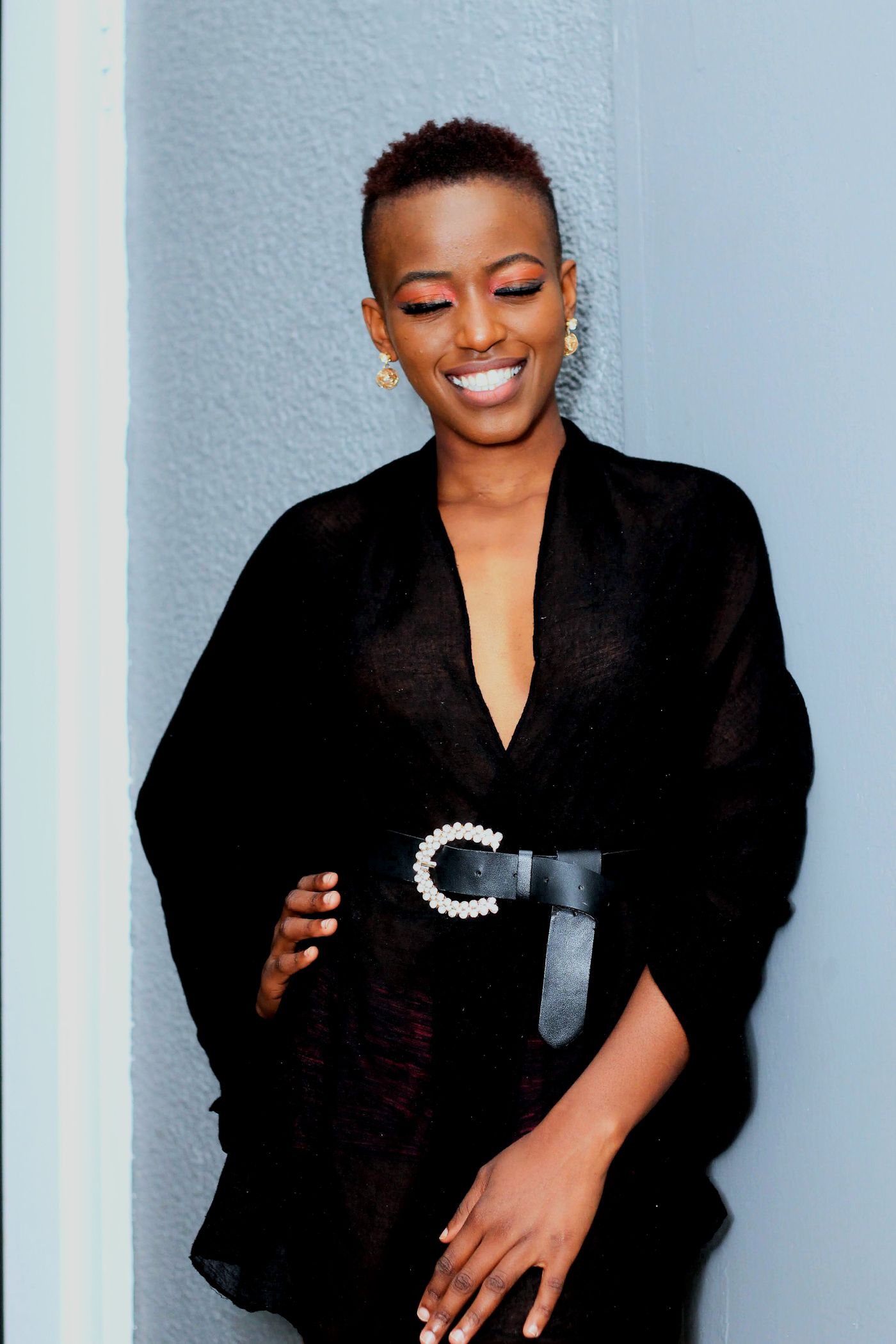
A belt can be functional, decorative or both. Knowing which job it needs to do makes choosing its width and position easier. A belt intended to keep trousers secure has different requirements from one worn over a loose dress.
Start with the garment
If trousers are significantly too large at the waist, tightening a belt may gather the fabric rather than create a comfortable fit. Consider whether an alteration or a different size would address the underlying issue. A belt should not have to compensate for every mismatch.
Check the belt loops before choosing width. The belt should pass through them without force, and the buckle should sit comfortably when you sit down. A large buckle can look appealing standing but press against the body during an ordinary day.
Choose the visible line
A narrow belt creates a smaller interruption, while a wider one becomes more prominent. A colour close to the garment can feel quieter; a contrast makes the waistline clearer. Neither effect is automatically better. Decide whether you want the belt to lead or remain part of the background.
Over a dress or long shirt, try the belt at the position where it naturally feels comfortable. Check how much the hem rises and where fabric gathers. A belt can alter the garment's proportions substantially, so assess movement and coverage rather than treating it as a minor accessory.
Keep surrounding details in balance
A tuck can make a belt visible, but do not pack excessive fabric into the waistband merely to display it. A shorter top may create the same clarity more comfortably. If the garment already has ties, buttons or a strong waistband detail, an additional belt may compete rather than help.
Matching the belt to shoes or a bag is optional. Repeating a colour can connect an outfit, while a different but compatible finish can feel less coordinated. Check the whole combination in daylight when similar browns or metallic finishes are involved.
Compare contrast before changing width
Try a dark belt on dark trousers with a tucked pale shirt, then substitute a lighter belt of similar width. The lighter one creates a more obvious horizontal line even though its dimensions are unchanged. If that line feels too prominent, return to the quieter colour before deciding that all belts of that width are unsuitable.
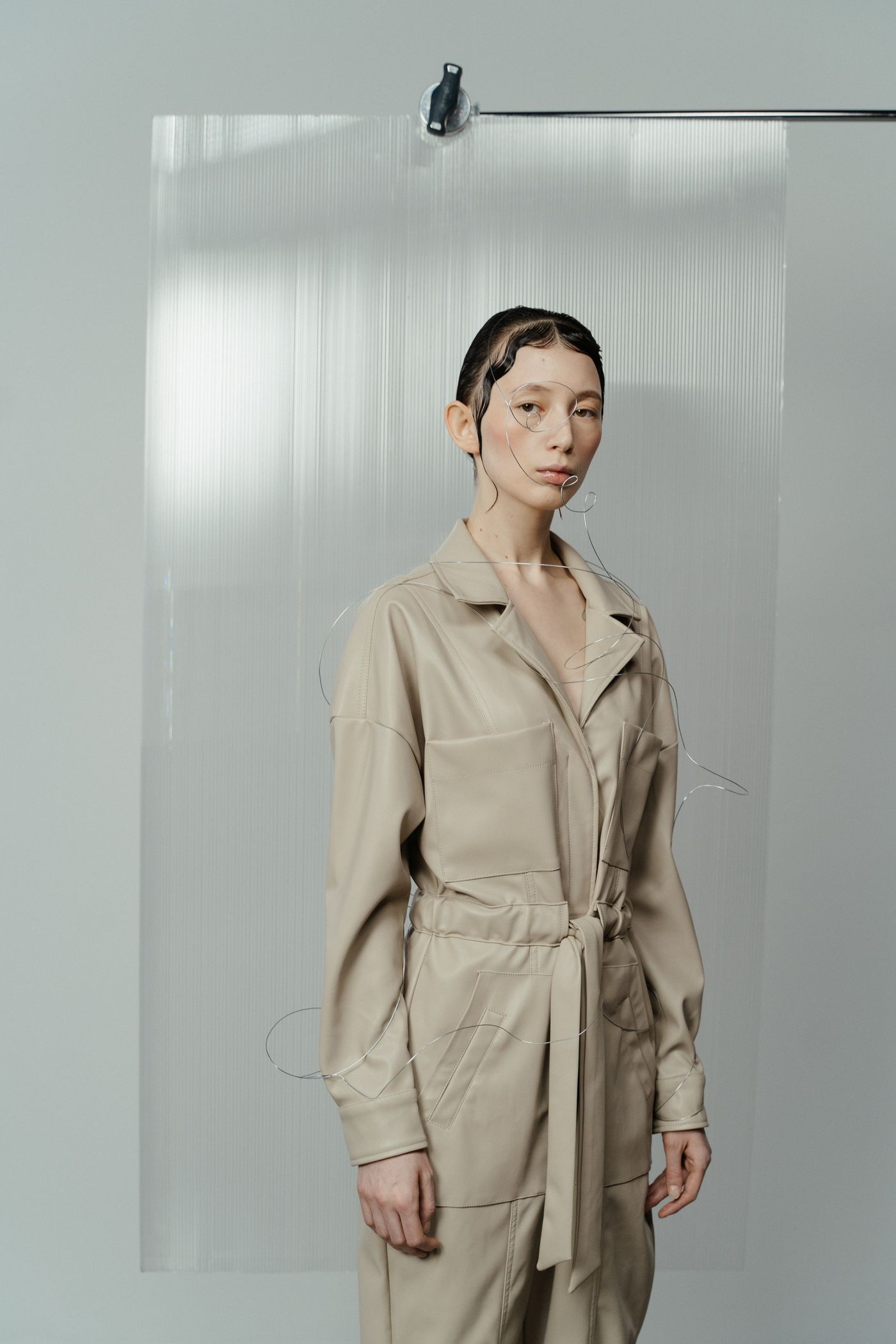
Over a loose shirt dress, compare the supplied fabric tie with a separate belt. The tie may allow softer gathering, while the belt can create a firmer boundary and more visible folds. Check the button line and hem after sitting. If fabric accumulates unevenly, adjust the garment gently or remove the belt instead of tightening it further. The waist definition should serve the outfit and your comfort, not require the dress to be continually rearranged around a rigid accessory.
Walk and sit before deciding the outfit is finished. If the belt shifts, twists or needs constant adjustment, reconsider its size or the garment pairing. A useful belt makes the outfit easier to wear or its outline clearer; it should not create another object you have to manage throughout the day.