Wear matching separates together and apart
Assess each piece as an independent garment before assuming a coordinated set expands the wardrobe.
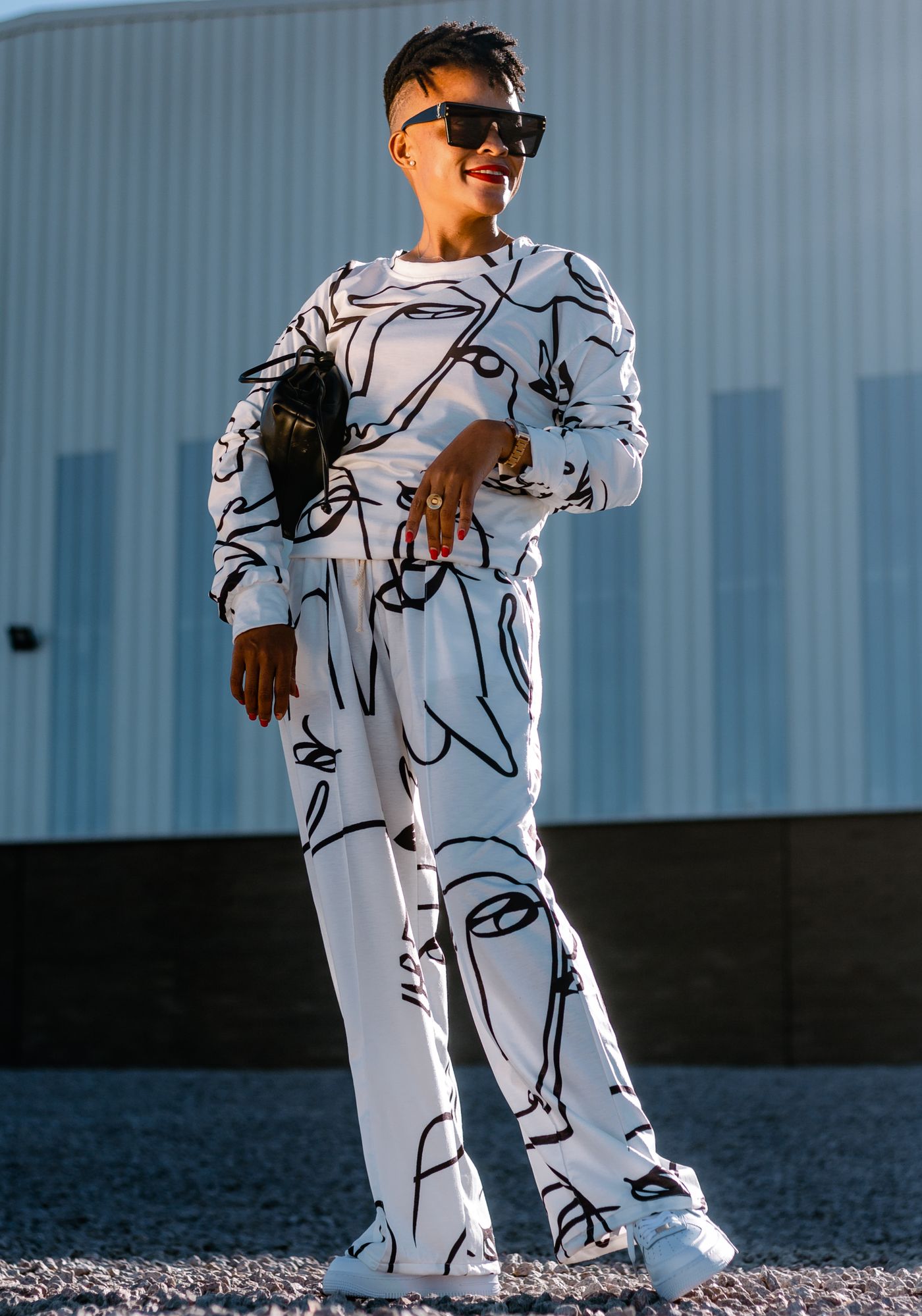
Matching separates offer an immediately connected outfit, but their wider usefulness depends on whether each piece works on its own. Before buying a set, try the top with something you already own and do the same with the bottom half. A set that only works together is not a failure, but it serves a narrower purpose.
Check the match in daylight
Compare the colour, fabric and finish of the pieces, especially if they were purchased separately or at different times. Similar names do not guarantee an exact match. If the difference is visible, decide whether it can become an intentional contrast rather than hoping it will disappear once worn.
Fit each piece independently. The most suitable top size may differ from the bottom size. Do not accept an uncomfortable waistband or restricted shoulders simply to keep the labelled sizes identical. If the set is sold as one size, assess whether both halves genuinely work.
Wear the set simply first
Put the two pieces together with shoes suited to the occasion and a bag that carries what you need. A coordinated print or colour can provide enough interest without several additional accessories. Check the relationship between hems, waistbands and any ties in motion.
A matching shirt and trousers may look relaxed worn loose, or more defined with the shirt tucked. A skirt and top can resemble a dress while allowing different sizes. These effects depend on the actual cut, so try them rather than relying on the product photograph.
Find useful separate outfits
Pair the top with a familiar neutral bottom half and the trousers or skirt with a simple tee or knit. If the set has a pattern, repeat one of its colours or use a quieter companion. You do not need to find a near-match elsewhere in the wardrobe.
Think about care and wear. If one piece is washed or worn much more often, its appearance may change differently from its partner. Follow the labels and avoid assuming the set will remain identical indefinitely. This is a reason to value the separate outfits too.
Record the combinations you actually enjoy. A coordinated set can provide an easy ready-made outfit and several alternatives, but only when those alternatives suit your daily life. Count the outfits you would willingly repeat, not every technically possible pairing.
Consider a plain matching shirt and skirt as an example. Together they may create a dress-like outfit for lunch. The shirt could then work with jeans, while the skirt joins a familiar knit. Those three combinations are valuable only if their proportions and comfort work in practice. If the shirt is unusually short or the skirt depends on the matching top to conceal its waistband, the separate outfits may be less useful than they first appear.
Notice which half does the work
After wearing a set several times, compare how often each piece appears separately. If the trousers join many outfits but the top only works with its partner, that tells you something about the top's particular length, neckline or pattern. It does not mean the purchase was unsuccessful. It means future sets should be assessed with that preference in mind. Keep the useful complete outfit and avoid buying extra coordinating pieces merely to prove that both halves are equally versatile.
Try any belt, jacket or bag with the set before deciding it needs more accessories. A matching outfit already creates a strong continuous area of colour or pattern. Adding a contrasting belt changes that continuity, which may be welcome or may interrupt the feature you liked. Make the choice consciously rather than adding a belt simply because the waist is visible.