Use more than one light in a living room
Give reading, conversation and moving around the room their own usable light.
One bright ceiling light can illuminate a room while leaving the places where you sit surprisingly uncomfortable. The centre may feel harsh, the corner chair may remain dim and a television screen may catch a reflection. Adding lighting is most useful when it answers a particular activity, not simply when another lamp fills an empty surface.
Walk through the room after dark with the lights you already own. Notice where you need to read, find a book, set down a drink or cross the room. Also notice which light sources you can see directly from a seat. A shade that hides a bulb when you are standing may expose it when you sit lower on the sofa.
Make the reading light adjustable
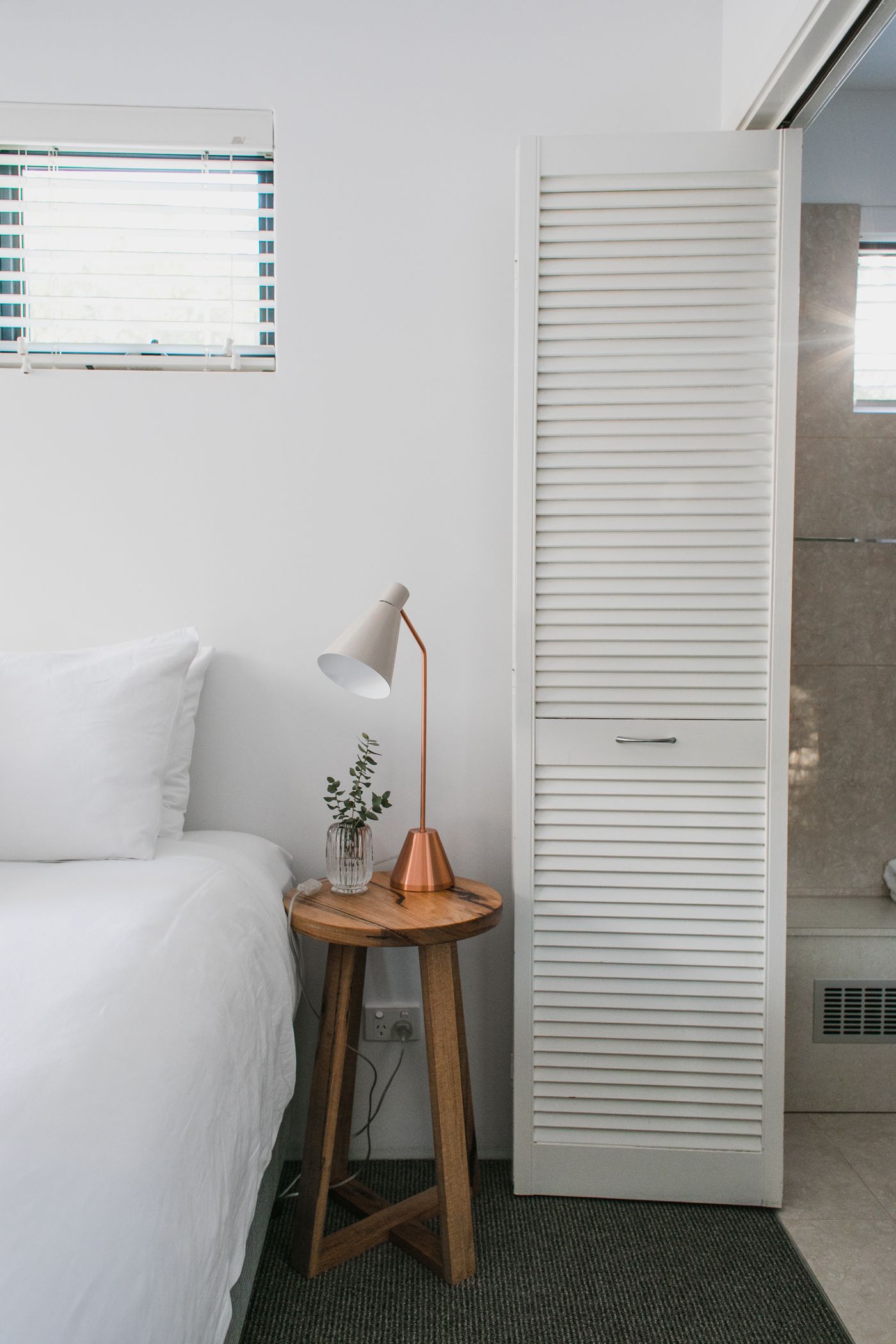
Position a lamp so light reaches the open page without pointing into your face. Test it with the book held naturally rather than laid flat on a distant table. An adjustable head or arm gives flexibility, but check that the lamp stays stable through its range of movement. The switch should be easy to reach from the chair, otherwise the lamp may remain off even when it would help.
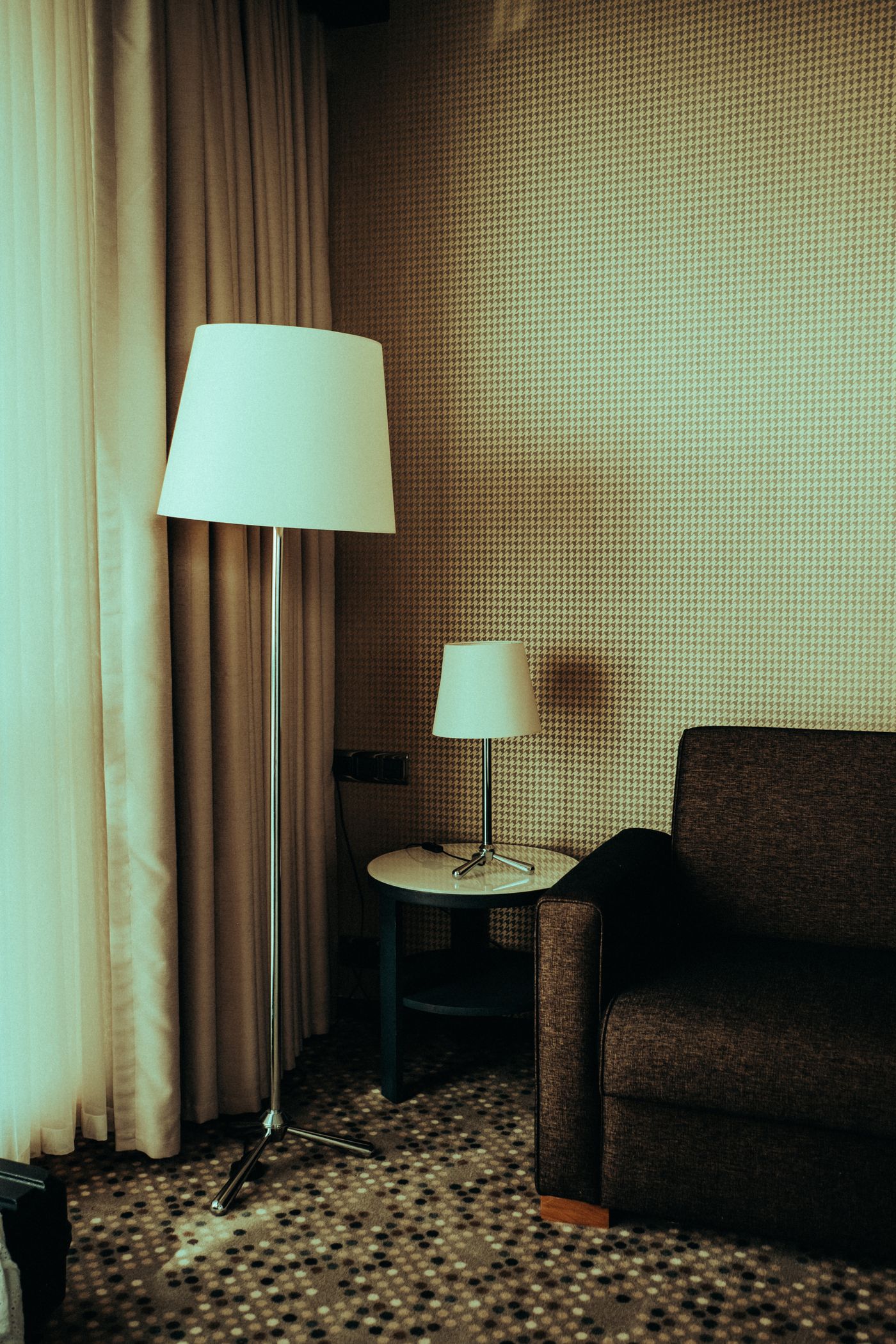
A second lamp can provide softer background light for conversation. It does not need to match the reading lamp. Similar finishes or shade colours can connect different shapes, while placing them at different heights can prevent every source from forming a single bright line around the room. Judge the result at night, when daylight no longer hides the differences.
Think about control before adding more
If every light has to be switched on individually behind furniture, the arrangement may be too cumbersome. Place everyday controls where they can be reached without moving a chair. Dimming can be useful, but the bulb, fitting and control need to be compatible. Check the product instructions rather than assuming any bulb works with an existing dimmer.
Keep cables away from walking routes and do not conceal a cable problem by placing a rug over it. If an arrangement requires electrical changes, use a qualified professional. Follow the fixture's bulb limits and installation guidance. It is possible to improve the room considerably with a well-positioned existing lamp before buying another fitting.
Try a two-seat arrangement
Consider a sofa used for conversation and a chair used for reading. Give the chair an adjustable light that reaches a held book, then try a shaded lamp near the sofa for background illumination. Switch off the ceiling light and sit in both places. If the reader's lamp shines towards the sofa, change its angle or location rather than lowering all the room's light until the page becomes difficult to see.
Next, turn on the television or another screen normally used in the room. A lamp reflected in it may need a sideways shift, not a different bulb. Check whether someone entering the room can find a switch without crossing a dark obstacle-filled space. This rehearsal reveals which source is solving a task and which is merely adding brightness.
Try two or three combinations for different evenings. Reading may call for a focused lamp plus background light; conversation may need only the latter. The goal is not to run every light at once. It is to have a small set of choices that suit what the room is doing.