Give everyday devices a charging place
Create an accessible, ventilated location without turning chargers into a hidden tangle.
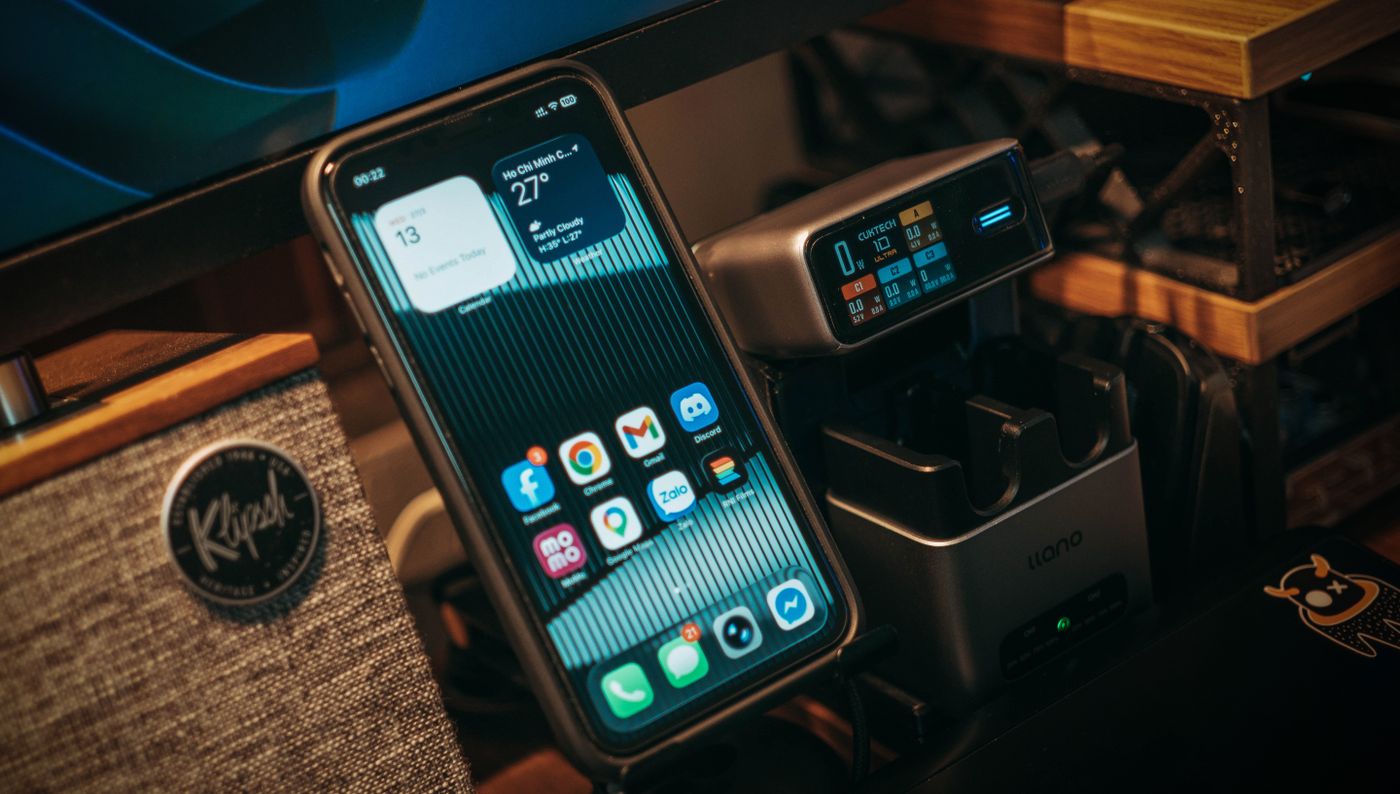
A charging place is useful when devices stop migrating between random sockets and their cables remain easy to identify. It does not need to be a decorative box. Begin by listing the phones, tablets or other everyday devices that genuinely need a shared position, along with their compatible chargers.
Choose the location for use and safety
Look for a stable surface near an appropriate socket, away from water and without cables crossing a walking route. Keep the equipment visible and ventilated rather than burying it beneath papers or fabric. Electrical Safety First advises against charging phones or tablets on beds or under pillows because of overheating risks. A bedside charging place should therefore be a suitable surface, not the bedding itself.
Use chargers and cables that are appropriate for the devices and in good condition, following manufacturer instructions. Do not assume any connector that fits provides a suitable charging arrangement. If a cable is damaged or a charger behaves unusually, stop using it and follow the manufacturer's advice rather than treating the problem as an organising inconvenience.
Make cables recognisable
Label similar cables near an accessible end if that prevents confusion. Keep enough length for connecting the device without strain, but do not let loose loops trail into the room. A simple cable holder can keep an unplugged lead from falling behind furniture. Check that it does not pinch or sharply bend the cable.
A multi-device unit can reduce visual clutter, but compare its actual compatibility and instructions with the devices you own. Avoid buying it solely because the photograph shows several devices arranged neatly. Do not overload sockets or connect extension leads together to create more charging positions.
Leave space between the charging equipment and other objects, and do not enclose it in an improvised sealed organiser. A tray can define where devices rest without needing to hide every part of the setup. Keep drinks elsewhere.
Keep the collection current
Store unused cables separately after identifying what they belong to. A basket of every charger ever owned should not sit beside the daily setup. Review the station when a device changes, removing obsolete or incompatible accessories through an appropriate disposal route.
Finally, test whether the place fits the household's habits. A phone needed as an alarm may require a different location from a shared tablet. Several small, sensible charging positions can work better than forcing every device into one central display.