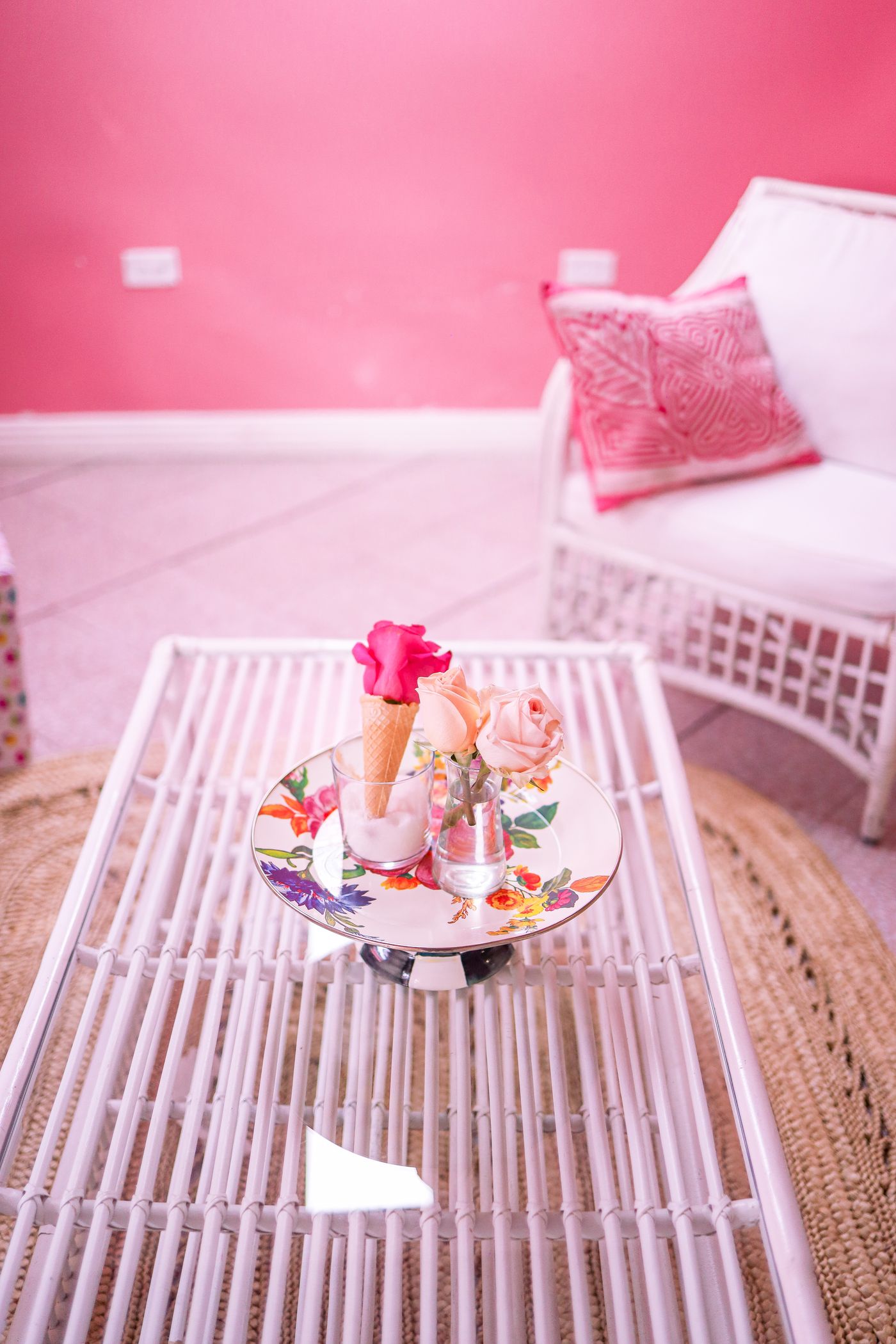
Try a room colour through smaller accessories
Use a limited experiment to discover whether a colour works in your light and with your existing furniture.
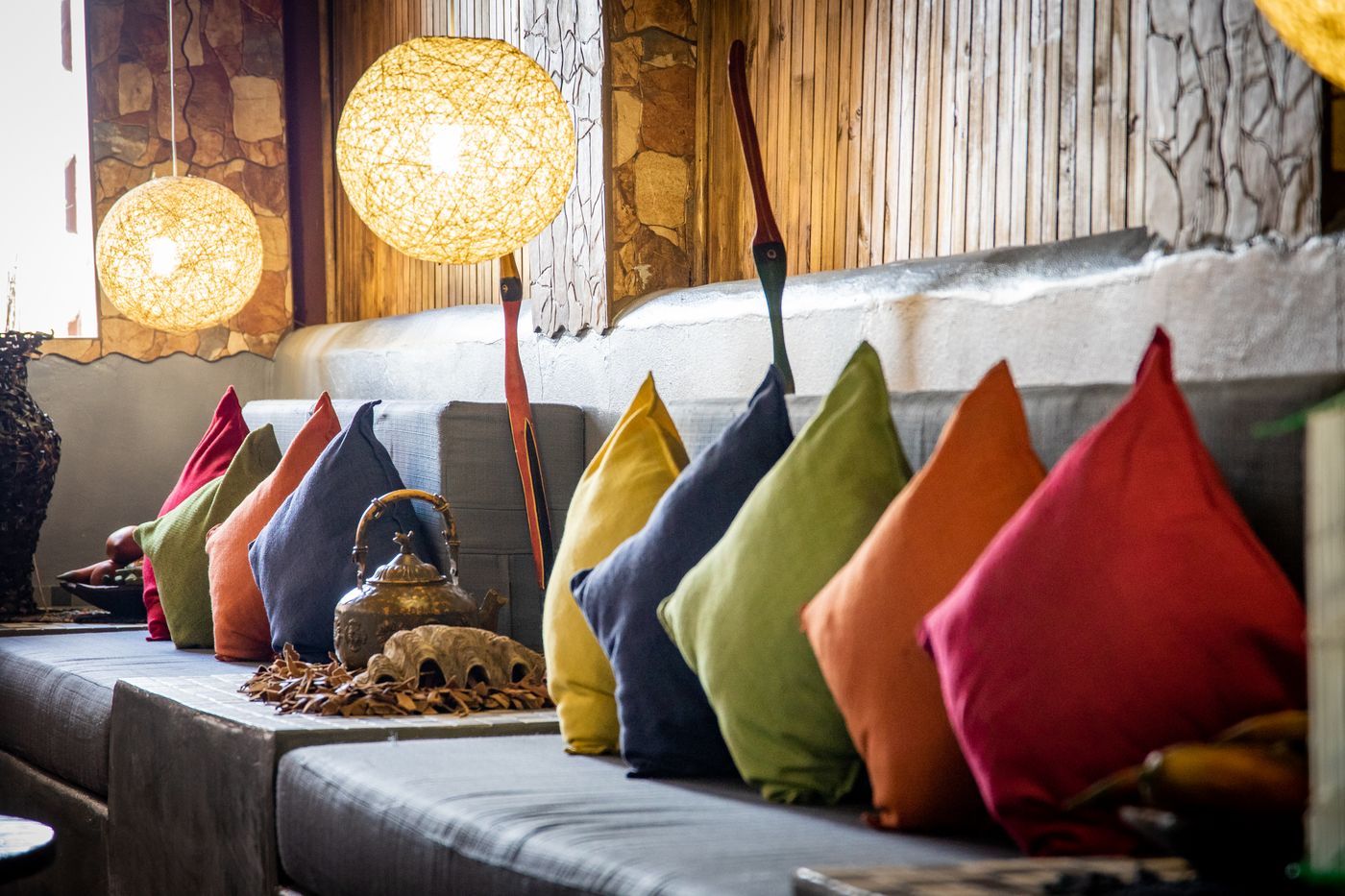
A new room colour does not have to begin with paint or a large purchase. A cushion cover, throw or modest ceramic object can reveal how a shade relates to the furniture already present. Treat it as an experiment, with a clear limit, rather than the start of a shopping list in one colour.
Choose the colour because it interests you or connects to something you already enjoy in the room. It might come from a print, a rug detail or the view outside. Bring a sample or one small object into the space and look at it beside the largest existing surfaces.
Watch the colour through the day
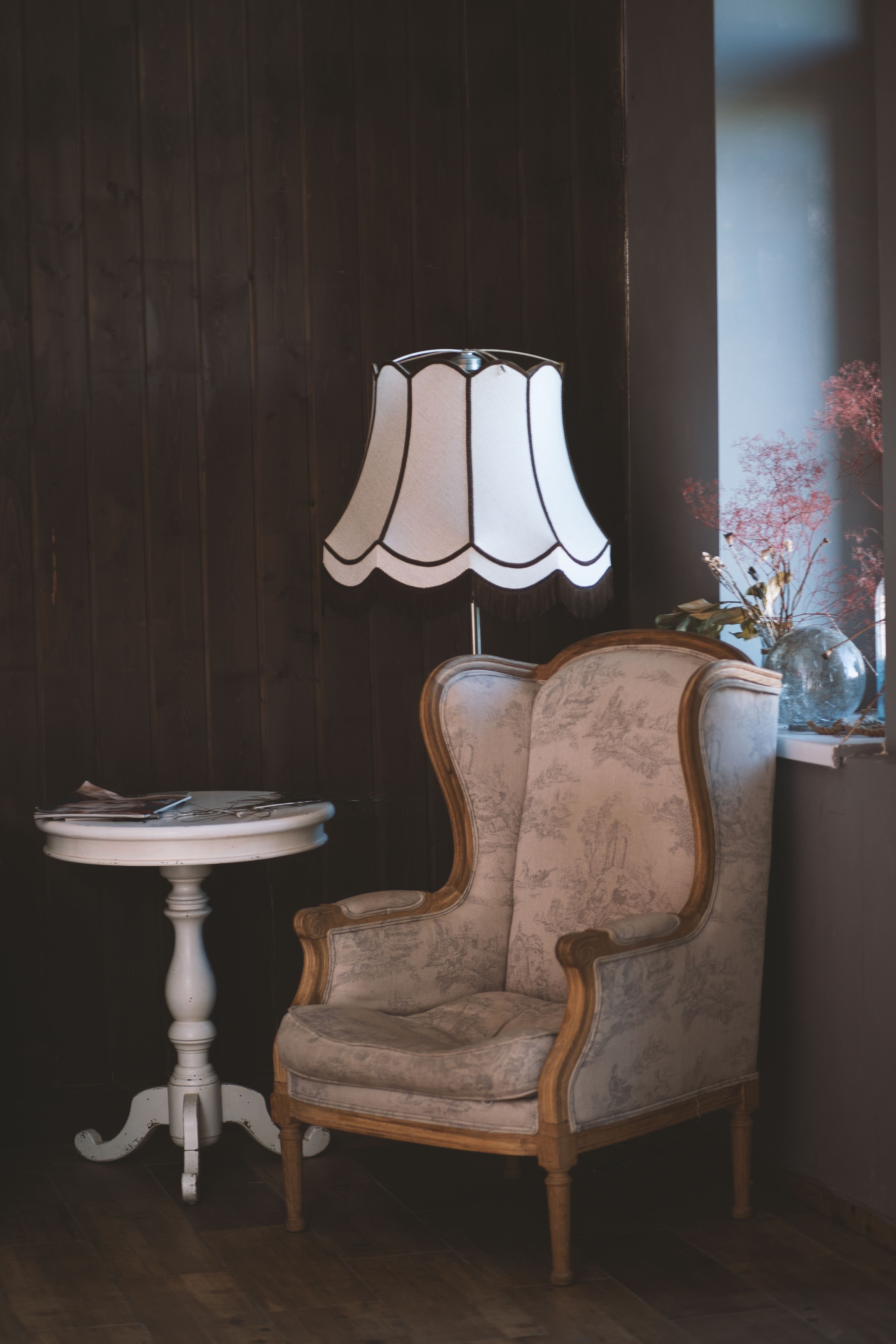
Daylight and artificial light can change its appearance. A soft green may look grey in one corner and vivid beside a warm lamp. Move the sample between likely positions and leave it there long enough to see different conditions. A brief comparison under shop lighting is not the same as living with the colour.
Consider saturation as well as hue. A muted blue and a bright blue can create very different effects even when both are described by the same colour name. If a shade feels too strong, try a smaller amount or a softer version before abandoning the whole idea.
Repeat with restraint
One object can work as a deliberate accent. If it feels isolated, repeat a related tone elsewhere rather than buying several exact matches. A cushion and a small detail in artwork may be sufficient. Avoid distributing identical objects evenly around the room merely to prove that the colour belongs.
Keep the experiment reversible. Covers that fit existing cushions, a textile used elsewhere or an object borrowed from another room can test the idea without creating unnecessary possessions. Check practical requirements such as care, comfort and stability rather than accepting an unsuitable object because its colour is right.
After a week or two, notice your response in ordinary use. Does the colour still appeal when the room is untidy or the weather is dull? Does it connect the space or draw attention to an area you would rather keep quiet? Those observations are more useful than whether the arrangement follows a trend.
Only then consider a larger commitment. You may decide the small accent is enough. Keeping the colour in a few movable pieces is a complete design choice, not a preliminary stage that must eventually lead to painting the walls.