Add texture to a neutral room
Use differences in surface and scale instead of adding more objects in the same shade.
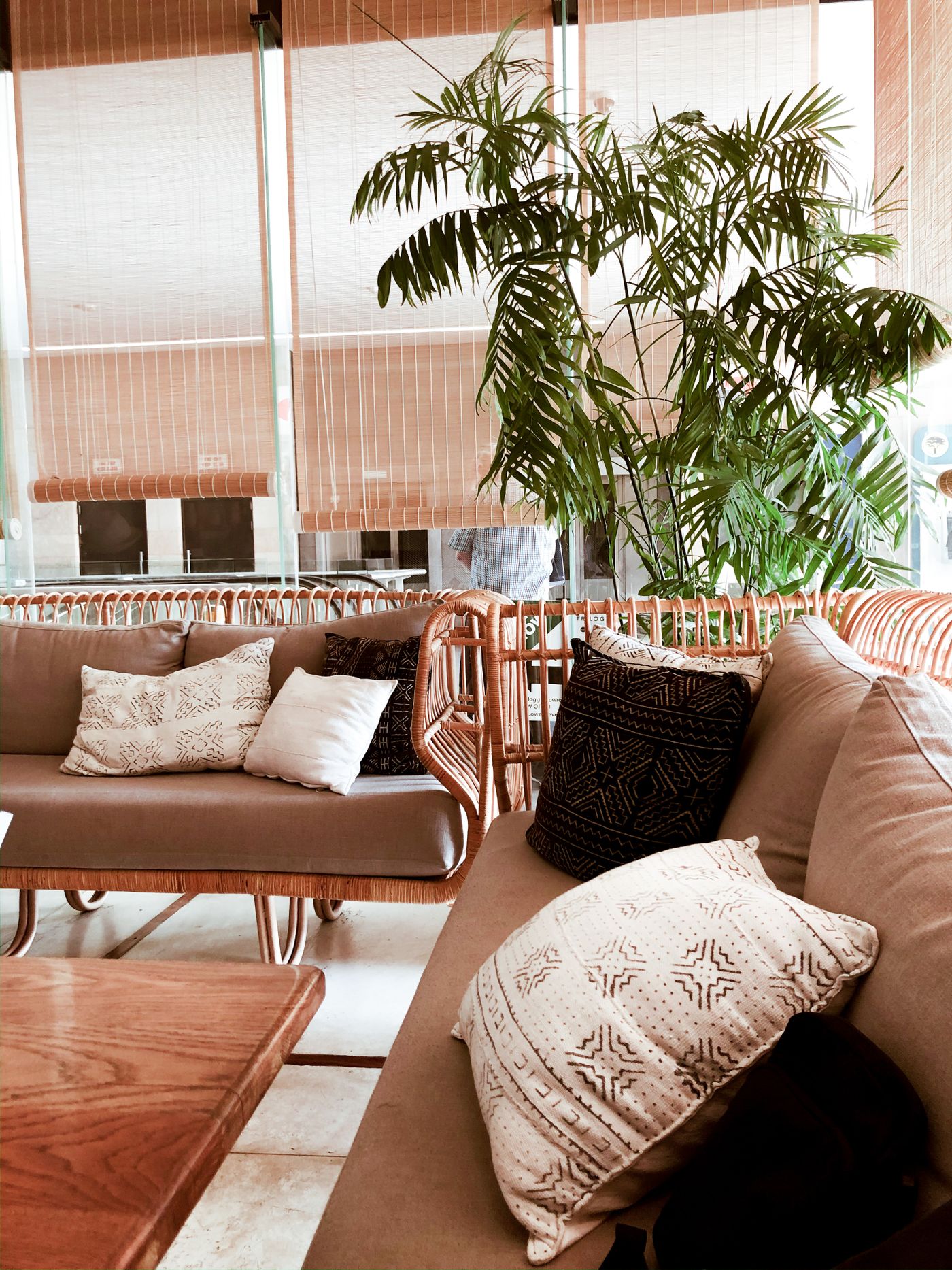
A neutral room can feel flat even when its colours work well together. The missing element may be a difference in surfaces rather than another accent colour. Smooth upholstery, a glossy table and plain painted walls can be balanced by a few materials that catch light differently.
Begin with the largest surfaces
Look at the sofa, curtains, rug and main furniture before choosing small accessories. A textured curtain or woven rug affects more of the room than several tiny ornaments. You do not need to replace everything. Identify the surface that would make the most useful change and consider its comfort, care and suitability alongside appearance.
Contrast can be subtle. A linen-like weave beside smooth cotton, matte ceramic near polished wood or a softly patterned cushion on plain upholstery may provide enough variation. The materials do not all need to share an identical undertone, but compare them in the room's actual light so the differences feel intentional.
Vary scale as well as material
Several fine textures can still blend into one uniform surface from across the room. Include a larger visual rhythm if the space needs it, such as a broad weave or visible wood grain. Keep the effect proportionate: a heavily textured wall, rug and sofa together may create more activity than you want.
Use texture where it can be enjoyed. A throw should feel comfortable, not merely photograph well. A rug needs to suit walking, furniture stability and cleaning. Read care guidance for the actual product rather than assuming a natural-looking material is automatically durable or easy to maintain.
Leave quieter areas. A plain wall or an uncluttered tabletop gives the more tactile pieces room to register. Adding a basket to every corner or a cushion to every seat can turn variation into accumulation.
Judge it at different times
Side lighting can emphasise a weave or grain more strongly than overhead light. Check the room in daylight and after dark before deciding it needs more. Sometimes repositioning an existing lamp reveals texture already present.
Photograph the room from the entrance, then look at it without focusing on individual objects. If it feels balanced, stop. A neutral room does not need to demonstrate every possible material. A few well-placed differences, chosen for the way the room is used, can provide depth while keeping the overall atmosphere quiet.