Prepare a guest bedroom without filling it with extras
A clear place for a bag and usable bedside lighting matter more than a crowded welcome display.
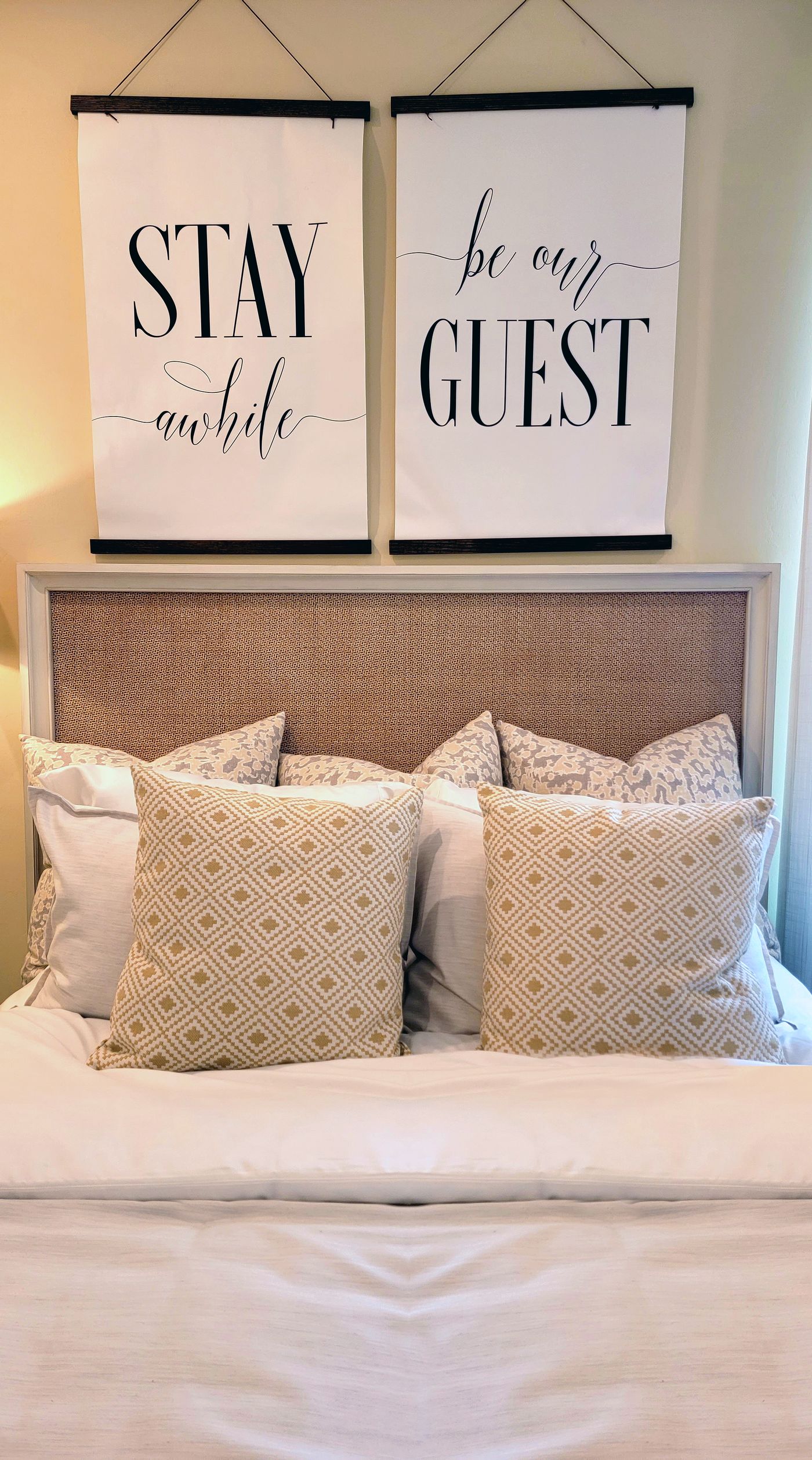
The first question for a guest bedroom is not what to add. It is what a visitor will need to move before they can use the room. A bed covered in decorative cushions, a wardrobe full of household overflow and a chair holding laundry can make a carefully styled space feel unavailable. Clear those obstacles before considering any finishing touches.
Let a guest arrive properly
Provide a place for a suitcase or overnight bag that does not block the route to the bed. A clear chair can work for a small bag, while a luggage stand may suit regular visitors. Check that a larger case can open without forcing its owner to kneel in a doorway. There is no need to furnish a complete hotel room, but a usable landing place helps someone settle in without asking where everything should go.
Offer a few hangers and some genuinely empty storage. If the wardrobe also holds household items, make the available section obvious. A cleared shelf is more useful than an invitation to squeeze possessions between yours. For a short visit, one hook and a little drawer space may be sufficient; for a longer stay, discuss what would make the room easier to use.
Test the room after dark
Sit on the bed and try the lamp. Can the switch be reached without getting up? Is there room beside it for glasses and a phone? Make any available charging socket easy to identify, but avoid assuming a particular cable will fit every device. A visible, accessible outlet is often more useful than a collection of obsolete chargers.
Check how the window covering works and whether the door closes properly. Explain unusual handles or a temperamental blind before bedtime rather than leaving a guest to experiment. Keep the path to the bathroom clear. If household routines mean noise starts early, mention that plainly so visitors can plan their morning.
Keep bedding choices understandable
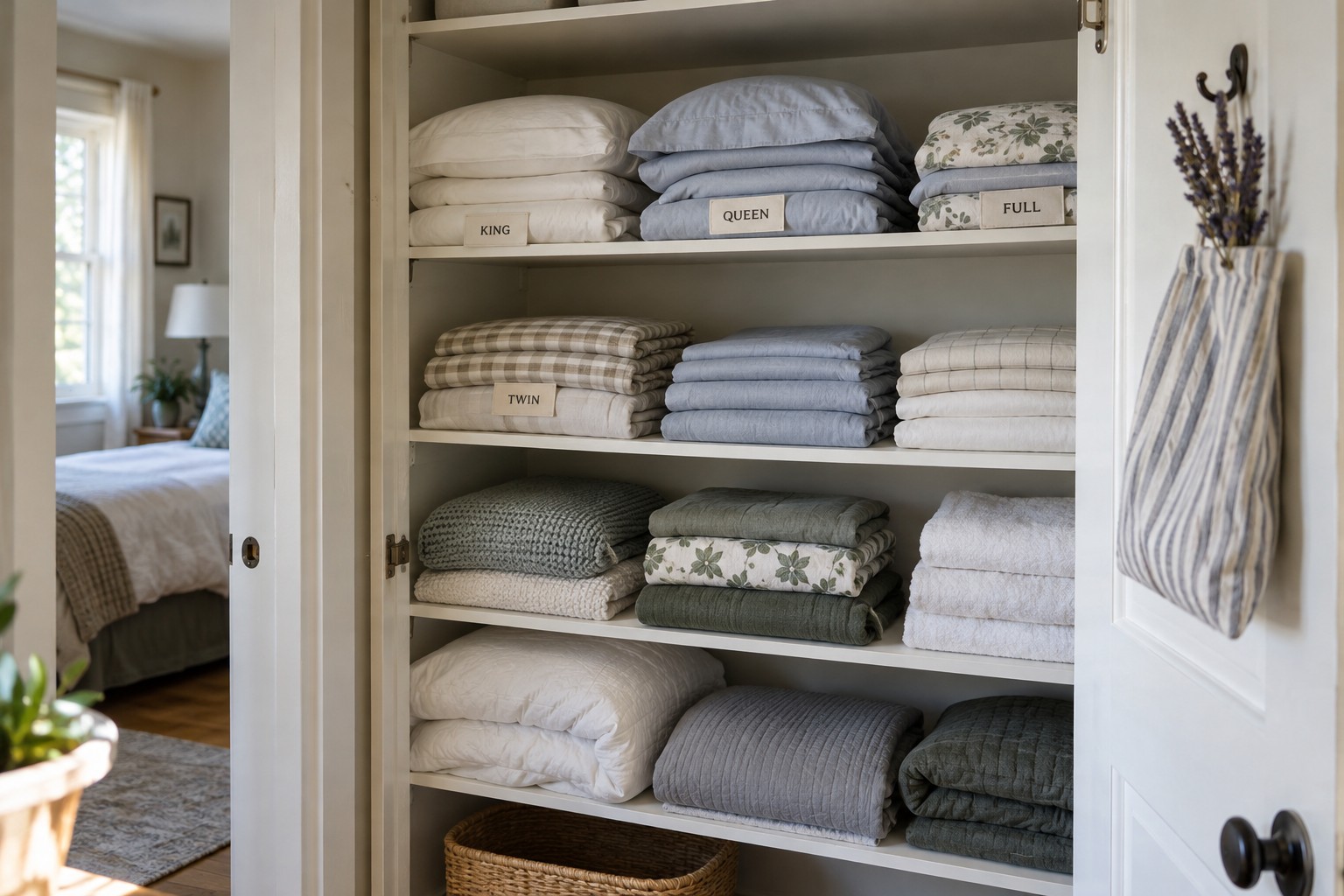
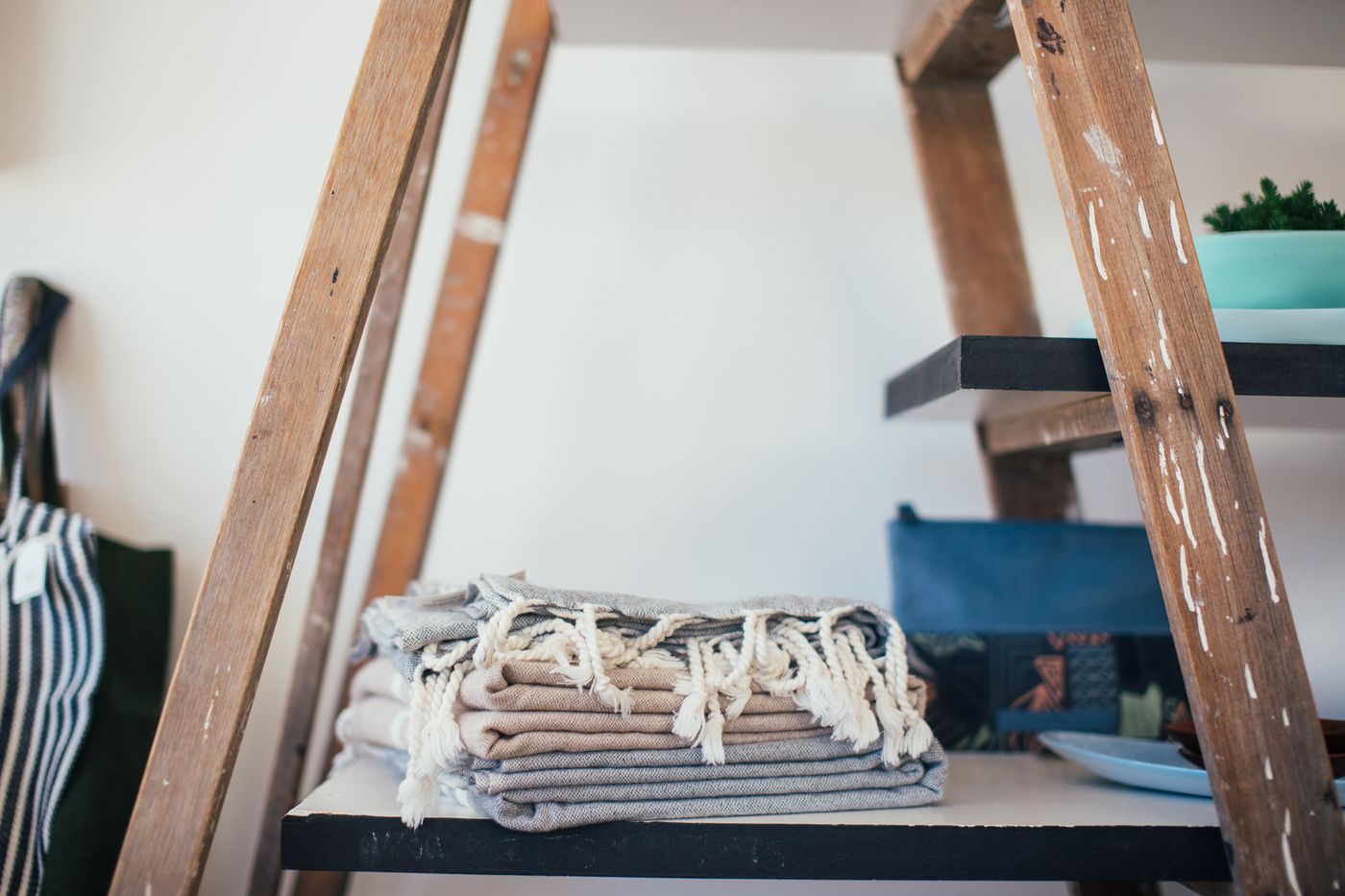
Make the bed with clean bedding appropriate to the room's usual temperature and leave an additional layer where it can be found. An extra pillow can be offered without piling several on the bed. Ask about specific needs rather than promising that one setup will suit everyone. Towels can be placed neatly on a shelf or chair, with space for the guest to hang them after use.
A small card with the Wi-Fi details can prevent repeated questions, if you are comfortable sharing access. Practical household information can be brief: which bathroom to use, where drinking water is available and whether breakfast is planned. Avoid turning the room into a noticeboard of rules. Most arrangements are better explained in a friendly conversation.
Personal touches should leave room for the visitor. A book, a modest vase or a favourite print can make the room feel lived in, but strongly scented products and elaborate food gifts are not universally welcome. Keep the surface space free and ask before offering extras. Once someone arrives, allow the room to become theirs for the visit instead of repeatedly restoring it to a photograph-ready state.
If the room also serves another purpose, prepare a clear boundary before the visit. Move work materials or frequently needed household supplies out so you do not have to enter repeatedly. Explain any storage that still needs occasional access and agree on a convenient time. A room can be multipurpose without making the visitor feel that their belongings are always in someone else's way.
After the stay, note the small requests that arose. An extra hanger, a clearer light switch or a place for a used towel may reveal more than a shopping list of guest-room accessories. Make those modest changes before the next visit. Useful hospitality often comes from removing friction rather than adding another decorative amenity.