Make more of a garden visit
Look at how the garden is organised as well as the plants currently in flower.
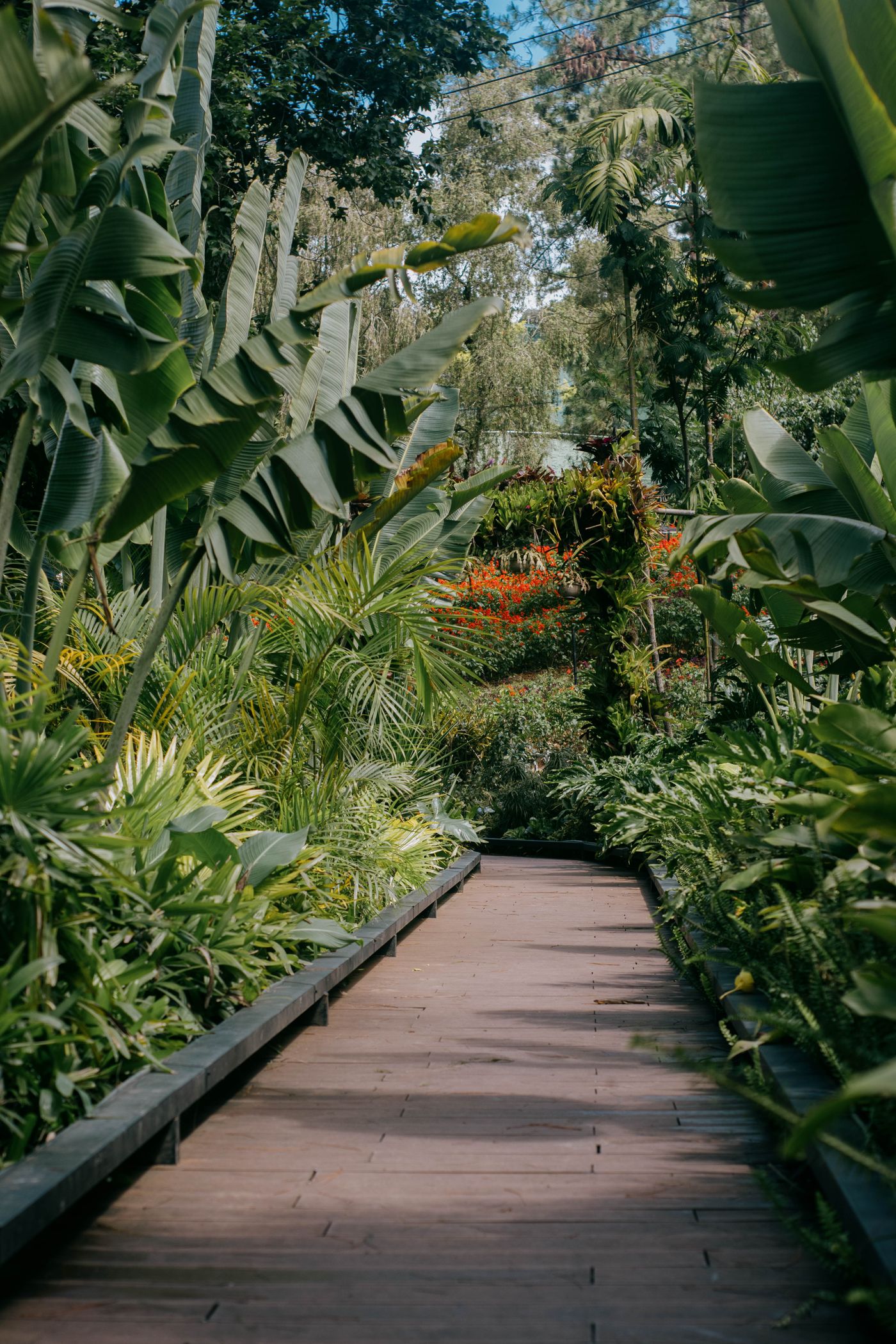
A garden visit offers more than a list of plants to buy. It can show how paths lead the eye, where people pause and how an exposed space becomes sheltered. Choose one of those questions before you go, especially if you want ideas for a very different or much smaller space at home.
Check the garden's current visitor information, including opening arrangements, access, paths and any restrictions. Seasonal photographs are not a promise of what will be flowering on your date. Weather, maintenance and the particular growing year all affect what you will find.
Notice the structure first
At the entrance, look at the way the route is introduced. Is the view open or partly concealed? Does a path invite you around a corner? These decisions are visible even when flower displays are quiet. A garden's framework can provide useful ideas beyond its most colourful season.
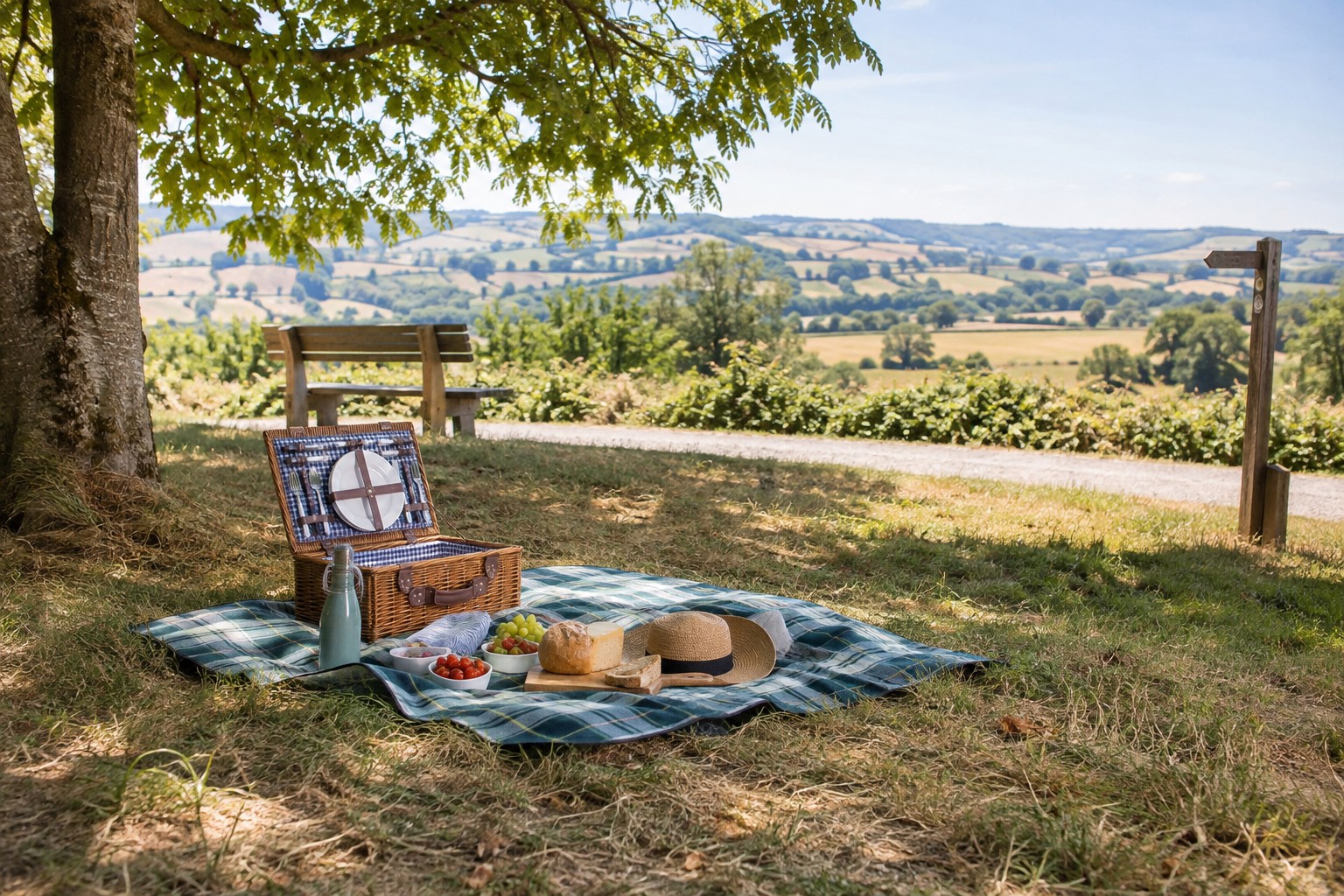
Pause at seats and junctions. Notice what is framed from those points and where the next destination becomes visible. If you are gathering ideas, record the relationship rather than just photographing a beautiful border. A note such as “low planting leaves the bench view open” is easier to adapt later.
Look closely without collecting
Read labels and photograph them where permitted if you want to identify a plant. Do not take cuttings, seeds or fallen material unless the garden explicitly permits it. Stay on the allowed routes and avoid stepping into beds for a better angle.
Compare the growing situation with your own. Light, shelter, soil and maintenance affect whether an idea transfers. A plant thriving in a specialist glasshouse does not automatically suit an ordinary windowsill, and a large border can hide the spacing that a small bed would reveal.
Leave time simply to enjoy the place. Not every corner needs a note, and a visit can become tiring if treated as a research assignment. Sit when appropriate, listen to the setting and allow an unexpected area to change your route.
Before leaving, choose one observation worth taking home. It might be a colour pairing, a path material to investigate or the value of an empty patch around a seat. Applying one well-understood idea is more realistic than trying to recreate the entire garden from a camera roll.