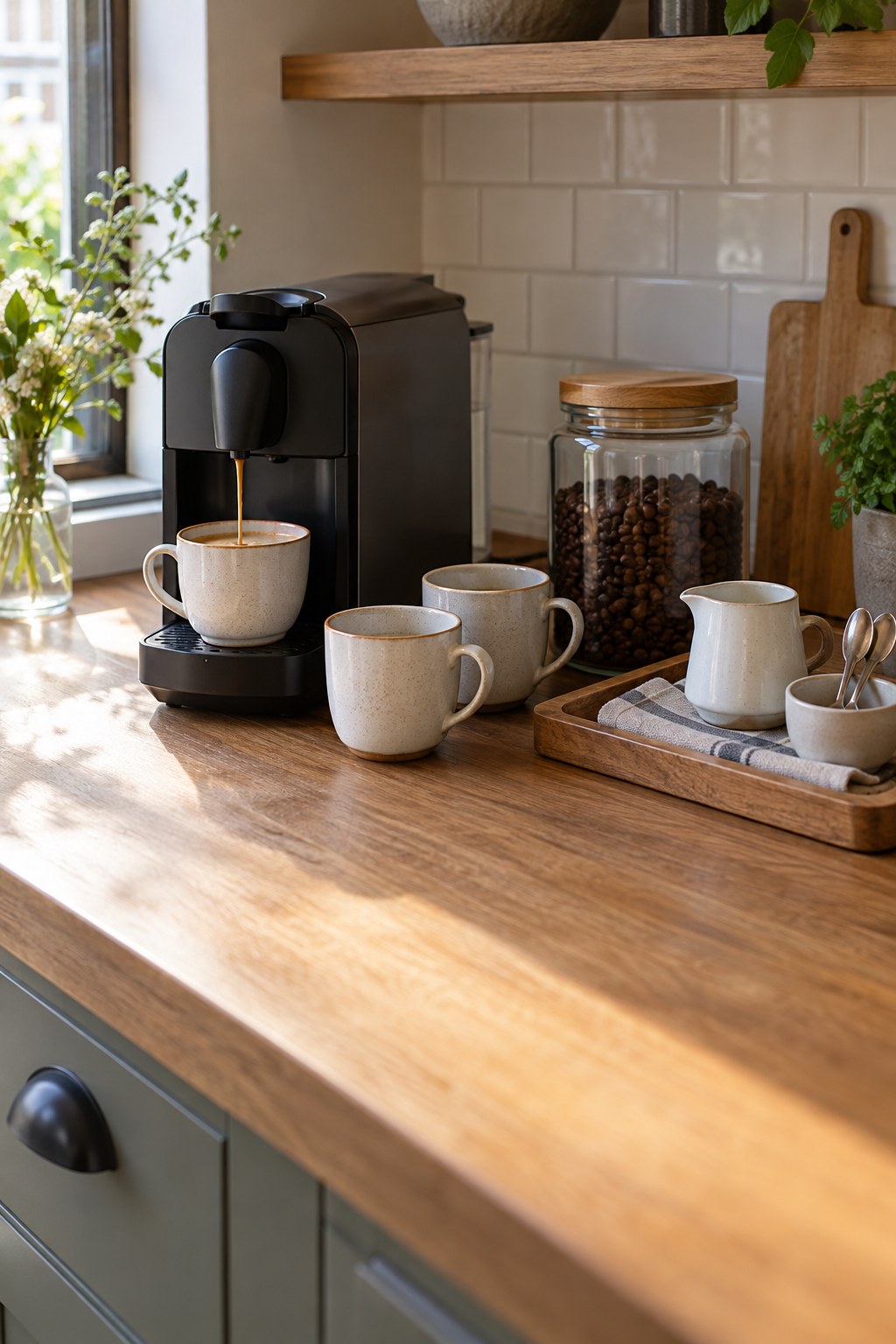
Build a cheese board with room to cut and serve
Choose a few contrasting cheeses and leave the practical space that photographs often hide.
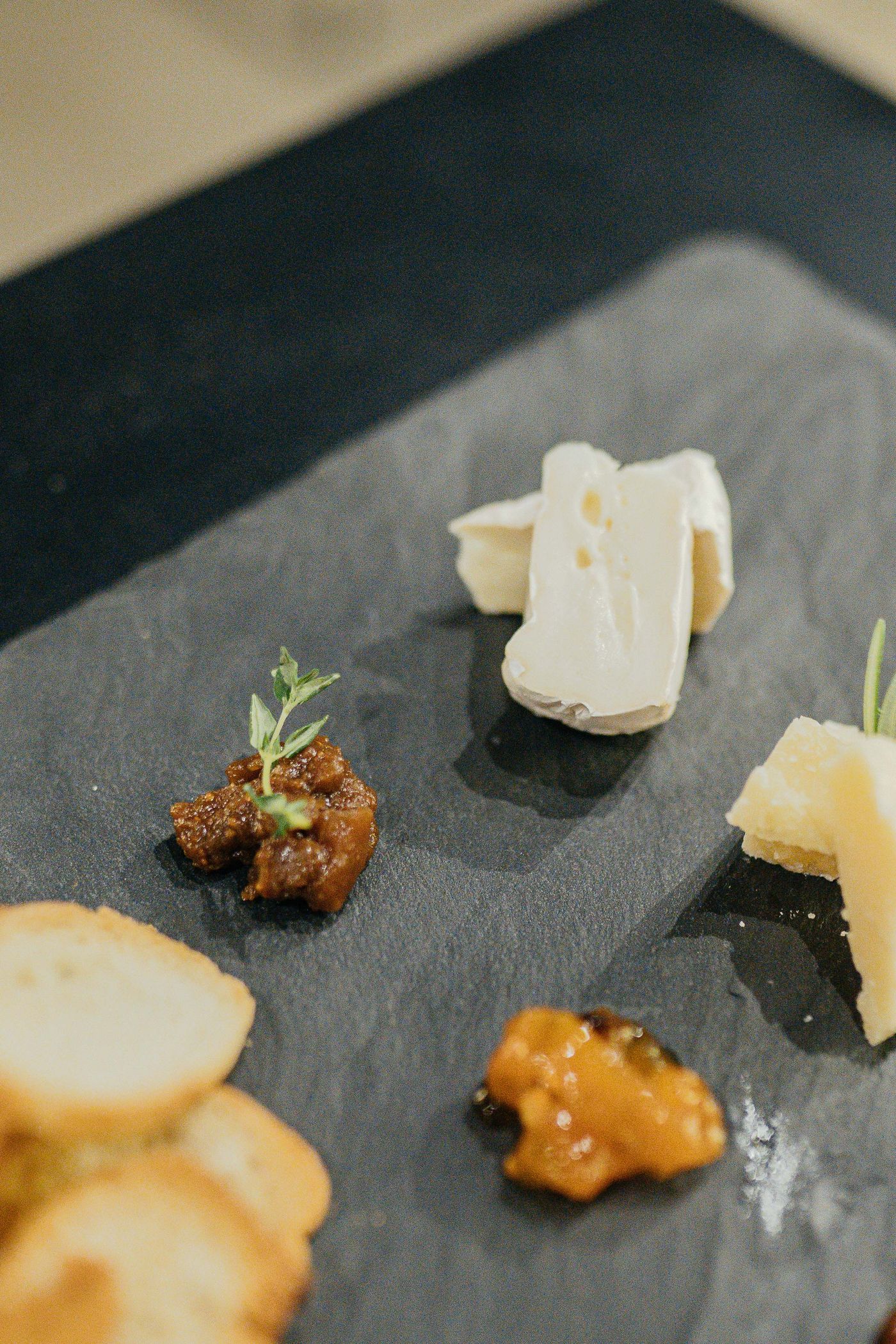
A cheese board is easier to enjoy when guests can identify the cheeses, cut a piece and pick up a cracker without dismantling a display. Begin with the board's usable size. A small selection with clear gaps can be more inviting than a surface covered edge to edge with food. You can always bring out a second plate when the first needs replenishing.
Choose contrast without collecting everything
For a modest gathering, consider a firm cheese, a softer option and a third with a different flavour or texture. Choose quantities according to whether the board is the meal, a starter or something served after dinner. If you already know the guests prefer mild cheeses, there is no need to include a strong one simply to satisfy a formula.
Check dietary requirements before shopping. Some cheeses contain animal rennet, and suitability should come from the product information rather than an assumption about appearance. Keep labels so ingredients and storage instructions remain available. If you include nuts, place them in a separate bowl with their own utensil rather than scattering them across everything.
Arrange the tools before the garnish
Give each cheese an appropriate knife and enough surrounding space for cutting. Start a firm wedge with a few slices if that makes serving clearer, but avoid slicing the entire piece long before it will be eaten. A soft cheese that spreads needs a different tool from a hard wedge that needs pressure.
Place crackers and bread on a separate plate if the board is small. This keeps them away from wet accompaniments and makes replenishment easier. Put chutney or honey in a small dish with a spoon. Fruit should be washed and prepared so people can take a manageable portion rather than trying to cut it while holding a plate.
A few simple labels can help guests distinguish similar-looking cheeses. Use the names from the packaging and make any dietary information precise. Keep the packaging nearby for questions you cannot answer confidently. Describing something as mild or creamy is a flavour observation, not a substitute for ingredient information.
Serve in stages
Follow each cheese's storage instructions and bring out an amount suited to the immediate gathering. Keep replenishments properly chilled. A long afternoon of grazing needs an active food-safety plan rather than leaving the same board on the table throughout. Use clean replacement serving surfaces when necessary and do not mix fresh portions into food that has already been handled.
At the end, separate food that can be safely stored from anything that has been held too long or contaminated during serving. Wrap suitable remaining cheese as its maker recommends. A board succeeds through the choices people can easily make from it, not the number of ingredients you manage to fit into the photograph.