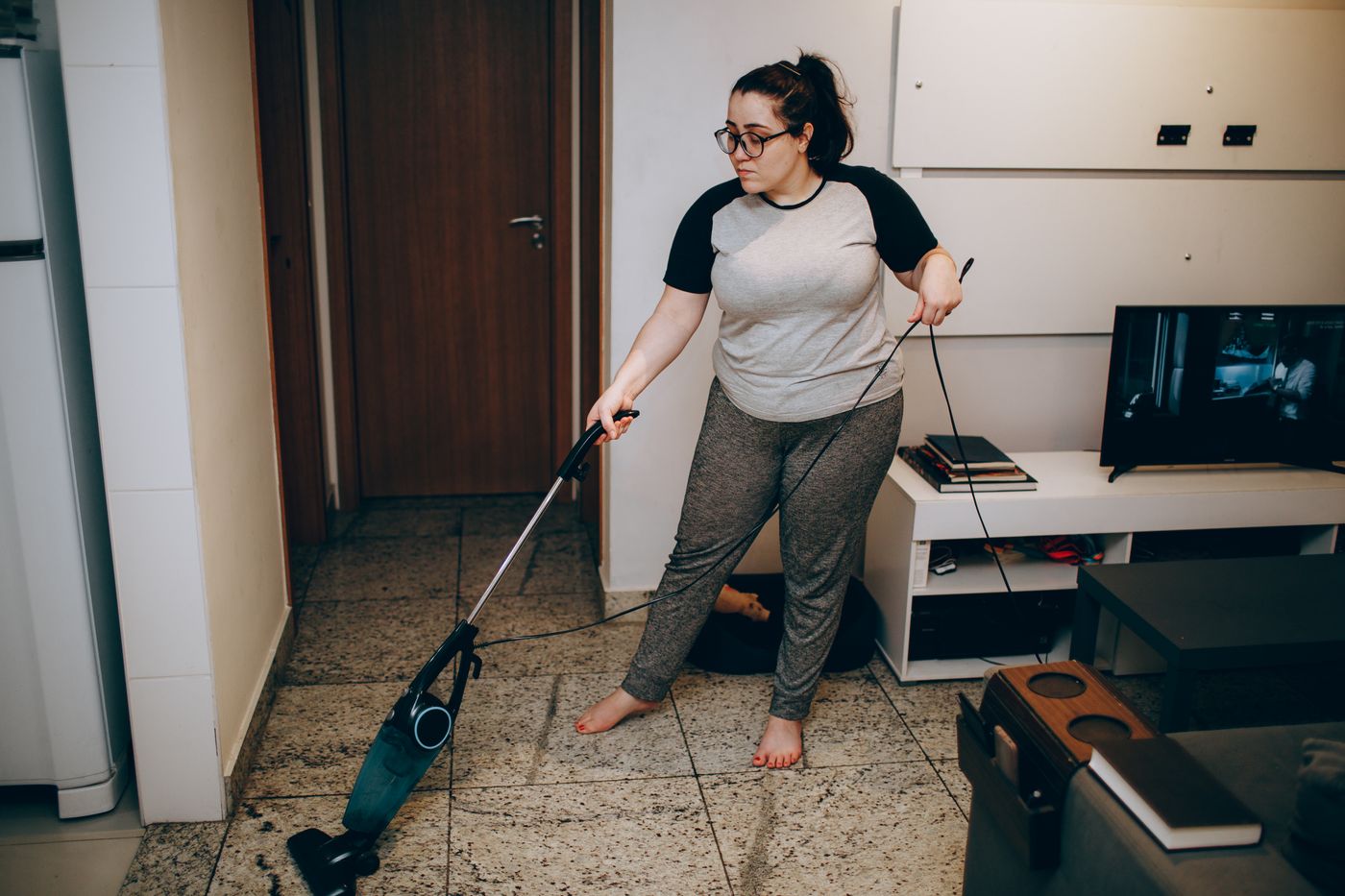
Make a donation box part of a finished task
Give unwanted items a destination and a departure date instead of another long-term storage area.
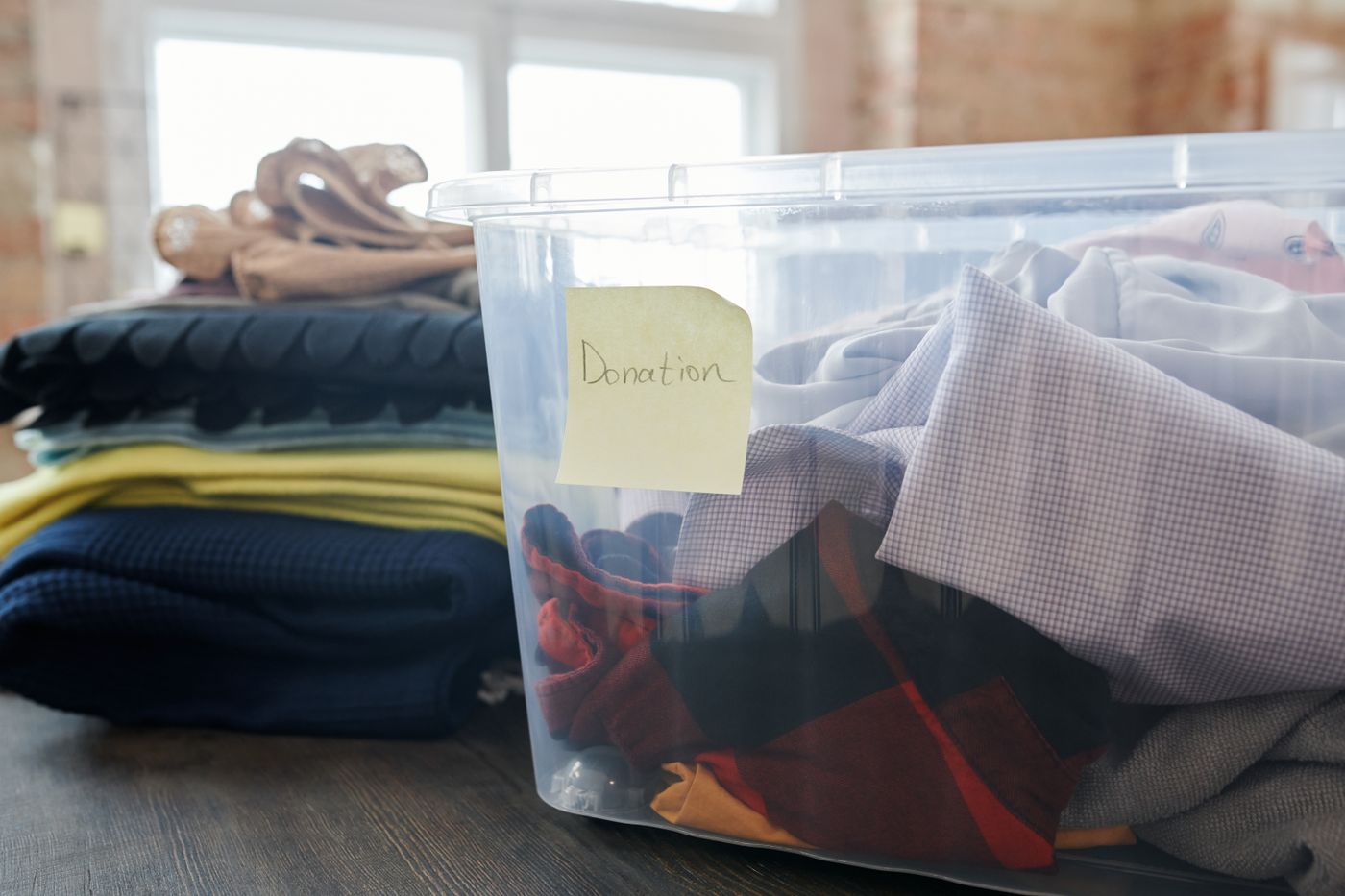
A donation box is the middle of a task, not its completion. Before filling it, choose a realistic recipient organisation and check what it currently accepts. Different locations have different needs and restrictions, and a box of unsuitable items can create work for the people receiving it.
Put the box somewhere convenient but out of circulation routes. Mark it clearly so that household members do not confuse it with storage. Agree whose belongings can be added. Do not donate another person's possessions simply because they have not been used recently or because the shared cupboard is crowded.
Check before packing
Assess condition honestly. Clean, complete items that meet the recipient's requirements belong in the box; broken or unsuitable objects need a different route. Keep parts together and remove personal information from anything that could contain it. Follow appropriate guidance for devices rather than assuming a quick deletion is sufficient.
Pack fragile items in a way that survives the journey and lets the recipient identify them. Avoid sealing heavy mixed boxes that no one can comfortably lift. Clothing and household objects may need separate bags depending on the collection point's instructions.
Set the departure
Choose a drop-off or collection arrangement before the box becomes full. Confirm opening hours and any booking requirements with the organisation. Put the trip on a day when it fits your actual route, allowing time to hand the items over properly.
If the box remains untouched for weeks, identify why. Perhaps the destination is inconvenient or the items were never suitable. Change the plan rather than buying a larger container. A smaller completed donation is more useful than a growing pile waiting for ideal circumstances.
Keep a short pause for doubtful decisions outside the donation box. An item that someone is still considering should not be mixed with things ready to leave. Give that decision its own review date, especially when it involves sentimental or shared possessions.
After delivery, return the empty space to its intended use. You may keep a small ongoing collection point, but it should have a capacity and an exit routine. The measure of success is not how much fits in the box; it is whether suitable items reach a place that can use them.