Choose what belongs in a Sunday reset
Choose a few preparations that make Monday easier, rather than treating Sunday as a second working day.
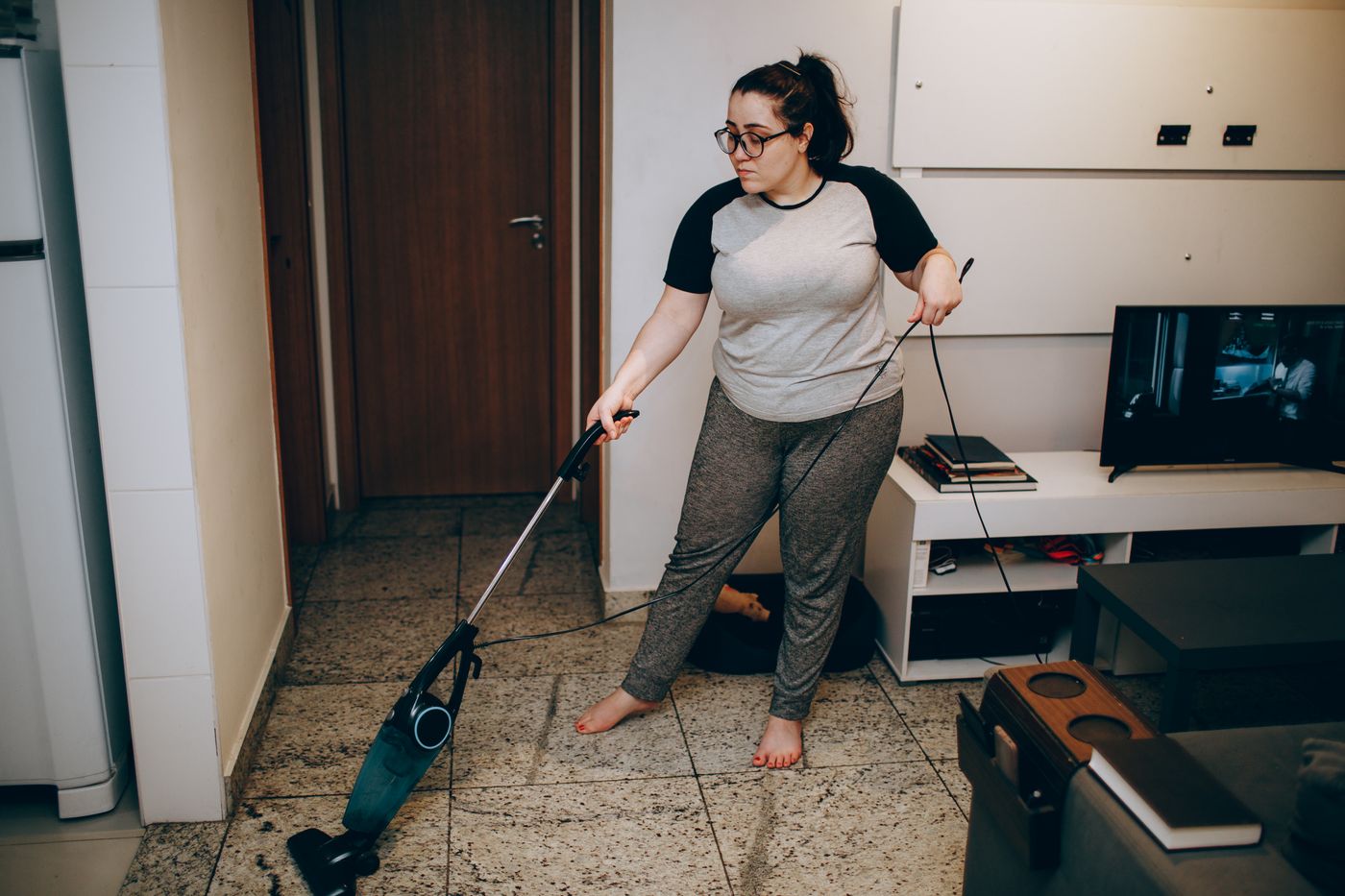
A Sunday reset is useful only when it removes a particular difficulty from the week ahead. Washing every surface, preparing five dinners and reorganising a cupboard may all be worthwhile jobs, but collecting them under one reassuring name does not make them fit into an afternoon. Start with the next two days instead of an ideal version of the whole week.
Look for the first bottleneck
Check appointments, journeys and the clothes or equipment they require. If Monday begins with an early train, finding the ticket and packing a bag may matter more than folding every towel. If someone needs a packed lunch, check the containers and ingredients. Write down the preparations that would otherwise interrupt that first morning, and choose only those you can realistically finish.
Separate preparation from catching up. Laying out clean clothes supports tomorrow; sorting an entire wardrobe is a project. Replacing a used kitchen towel is a small reset; emptying every kitchen cabinet is not. Both types of work have a place, but mixing them makes a short routine expand without a clear endpoint.
Give the reset a boundary
Choose a window that leaves time for something you want to do on Sunday. Within that window, try three jobs with visible finishes: clear the breakfast surface, check the calendar and put tomorrow's belongings together. Stop when those jobs are done. You do not need to invent additional work because there are a few minutes left.
Shared households need shared decisions. Ask each person what they need for the coming morning rather than quietly packing every bag yourself. A child might collect their own library book, while another adult checks a booking. Put responsibilities next to the tasks so that the same person does not become the unannounced manager of everyone's week.
Some Sundays will be spent away from home, working or caring for others. Keep a smaller version for those weeks: check the first appointment, locate essentials and decide breakfast. Move the larger chores to another day instead of treating an incomplete reset as a failure.
After two or three weeks, notice which preparations actually helped. Keep those and drop the decorative extras. A routine that frees the evening is doing more useful work than a checklist that makes Sunday feel permanently unfinished.