Reset your everyday bag before it becomes storage
Remove yesterday's leftovers while keeping the essentials easy to locate.
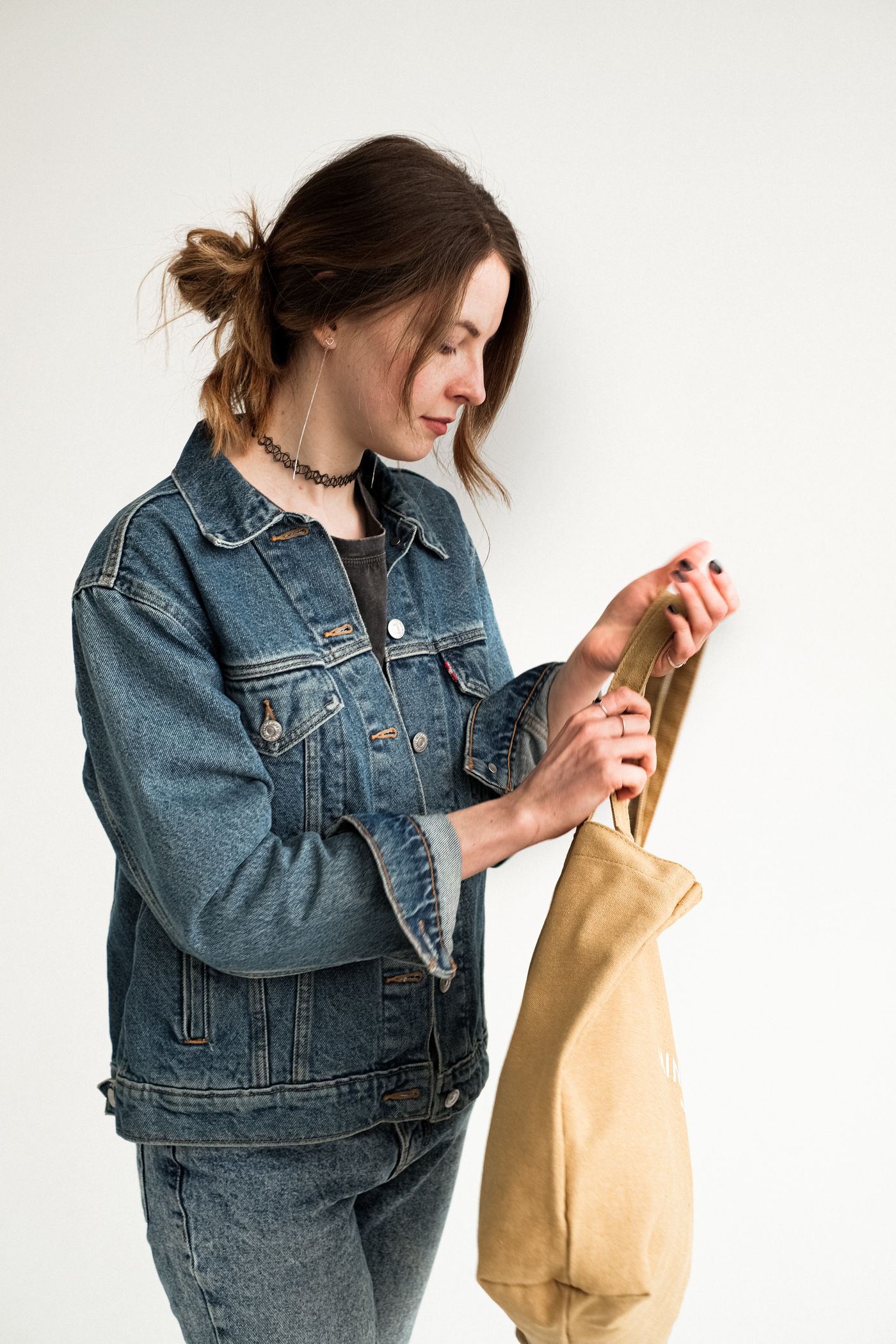
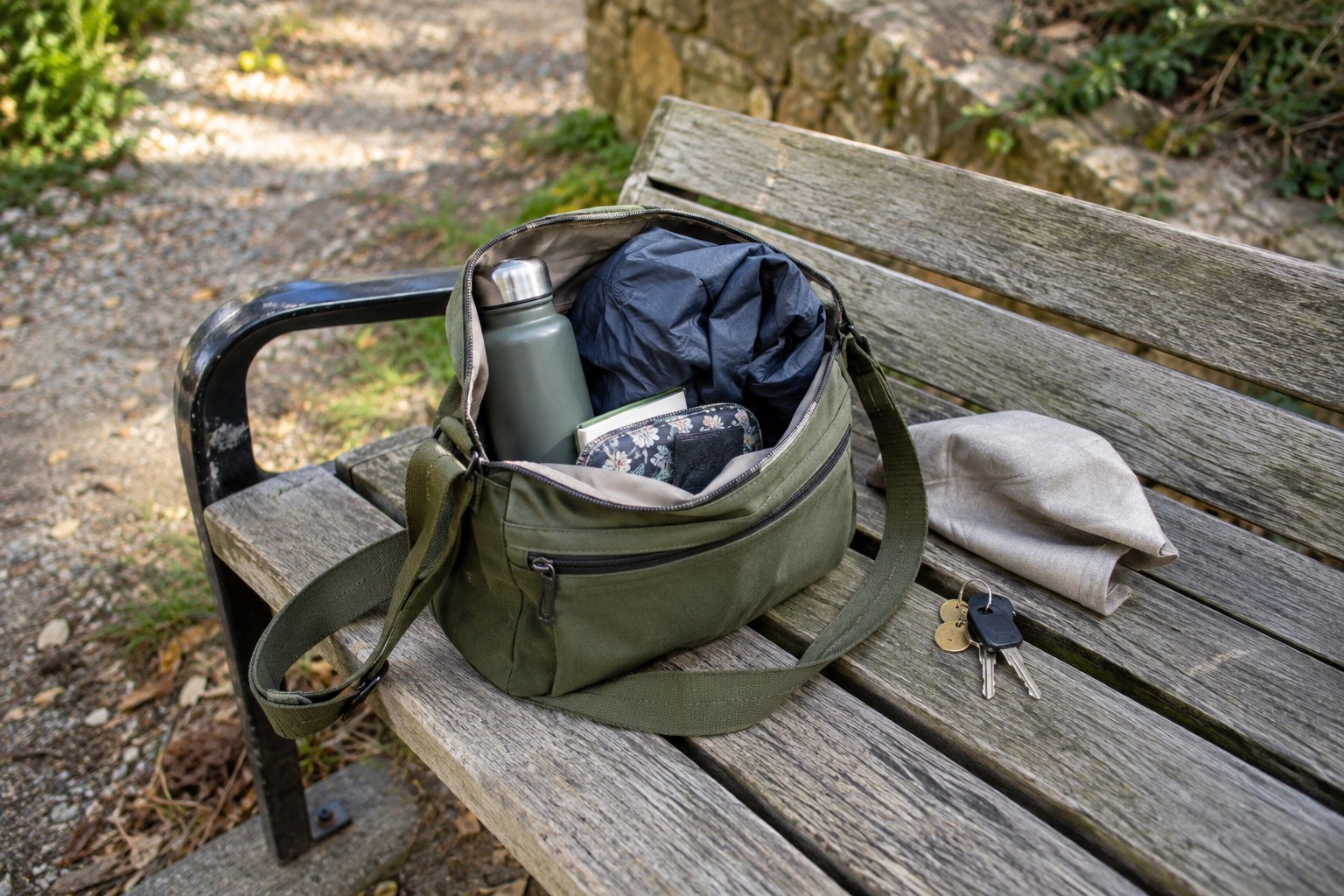
An everyday bag can quietly become a small archive: old receipts, spare pens, a folded leaflet and several objects carried “just in case”. Empty it onto a clear surface when you can finish sorting, not moments before leaving. Seeing everything together makes duplicate and forgotten items easier to recognise than searching through individual pockets.
Separate daily essentials from occasional equipment. Keys, a wallet and a phone may belong every day, while a book, lunch container or gym item depends on the trip. Keep the occasional items near the place where you prepare them instead of making the bag store every possible activity permanently.
Give pockets clear jobs
Reserve an accessible compartment for something you reach for often, provided it remains secure. Put small loose items in a pouch only when the pouch makes them easier to find. Several nested pouches can turn a simple search into opening one container after another.
Check that essential objects fit without being forced. A bottle that tips across the opening or a notebook bent around other items may be better carried differently. Follow the bag maker's care instructions when cleaning the lining, and let it dry fully before repacking.
Remove paperwork that has a purpose elsewhere. File a receipt needed for a return, transfer an appointment detail and recycle unnecessary scraps appropriately. Personal information should be disposed of with suitable care rather than left in a public bin.
Pack for the next actual day
Look at tomorrow's plans before restoring optional contents. A local errand does not need the same equipment as a day involving work and an evening class. Set frequently changing items together by the bag so that they are chosen consciously, rather than left inside because they were useful last Tuesday.
If you switch bags, use a short transfer check for essentials. Keep the list near where bags are stored or use a small removable essentials pouch. Check coat pockets too; moving to another bag does not guarantee that the keys were in the old one.
A quick reset after a particularly full day may be enough between occasional complete emptying sessions. Remove food containers, damp items and rubbish promptly, then return borrowed objects to their proper places. The aim is not a permanently empty bag but one whose contents match the next outing.