An evening reset that has a stopping point
Close a few open loops, then let the house be lived in until tomorrow.

An evening reset needs a definition of done. Without one, putting away a mug can lead to cleaning the kitchen, sorting a drawer and remembering three more chores just as you meant to stop. Decide which small conditions make the following morning usable, and let everything else belong to another time.
A useful finish might be a clear place for breakfast, a walkway without bags and the belongings needed for tomorrow gathered together. These are observable results. “Get the house organised” is not: there will nearly always be another object that could be moved or another surface that could be improved.
Follow a short route
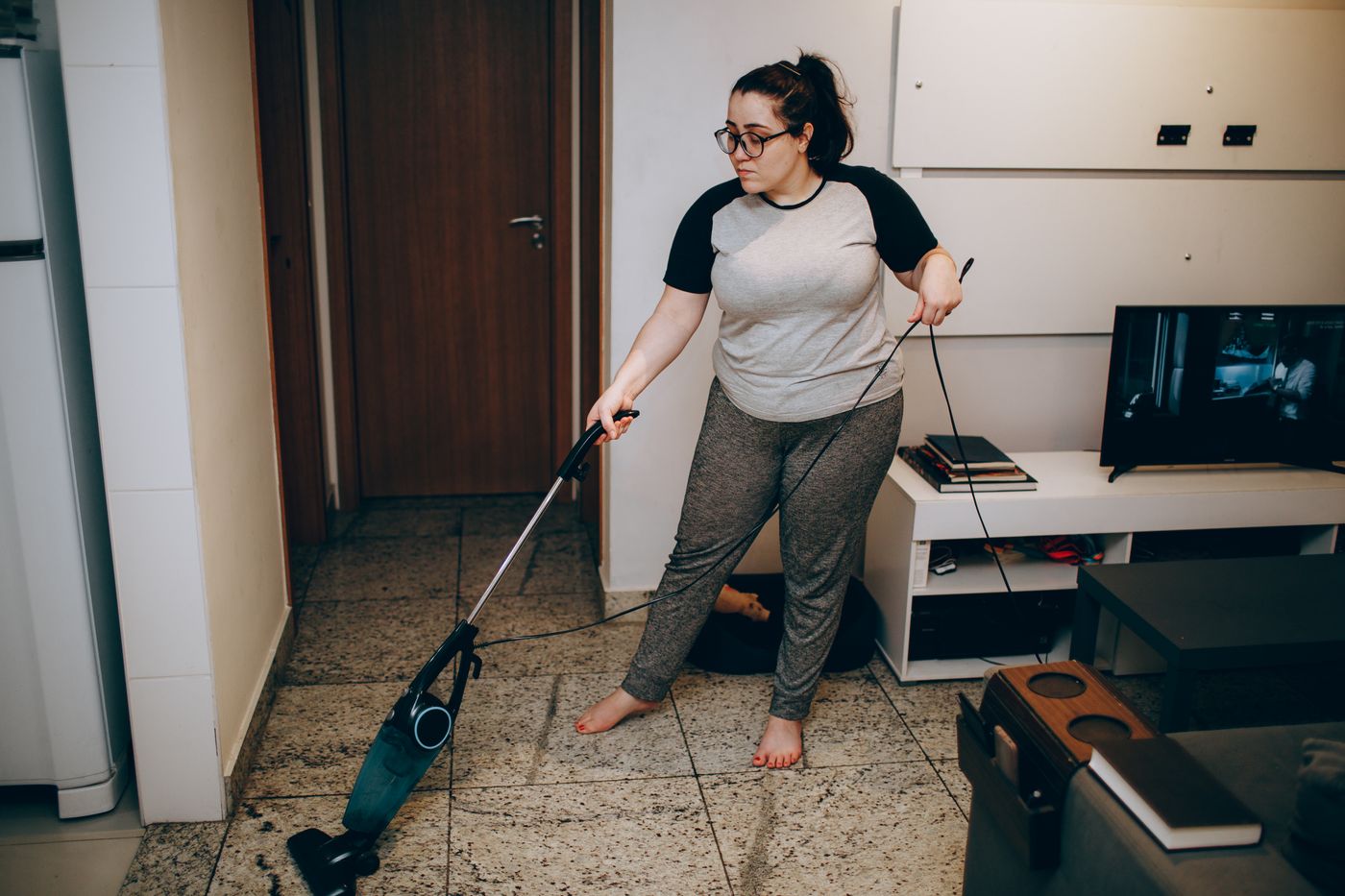
Begin where the evening activity ended. Carry cups to the kitchen, return remote controls to their place and put cushions back only if doing so makes the seats usable. Move on to the entrance and check tomorrow's bag. Following one route reduces the tendency to circle the house discovering unrelated jobs.
Use a small basket for items that belong in another room only if you empty it during the same session. Otherwise the basket becomes a new holding area. When a room is occupied or someone is asleep, set aside the return for a suitable time rather than disturbing them to complete a checklist.
Decide which tasks are shared and which belong to individuals. Everyone can take their own dishes and clothing with them when leaving a room. A household reset does not have to become one person's nightly tour of other people's belongings. Keep the request specific enough that others know what to do without further instructions.
Leave projects closed
If an unfinished activity must stay out, give it a boundary. Keep puzzle pieces on a board, paperwork in a folder and sewing materials in a lidded container. Write the next step on a note. That lets the project resume without leaving every tool spread across the surface overnight.
On a late evening, use the shortest version: deal with food appropriately, clear walking routes and locate tomorrow's essentials. Leave polishing, decorative rearrangement and long sorting jobs alone. A timer can help, but it should signal permission to stop, not pressure to move faster.
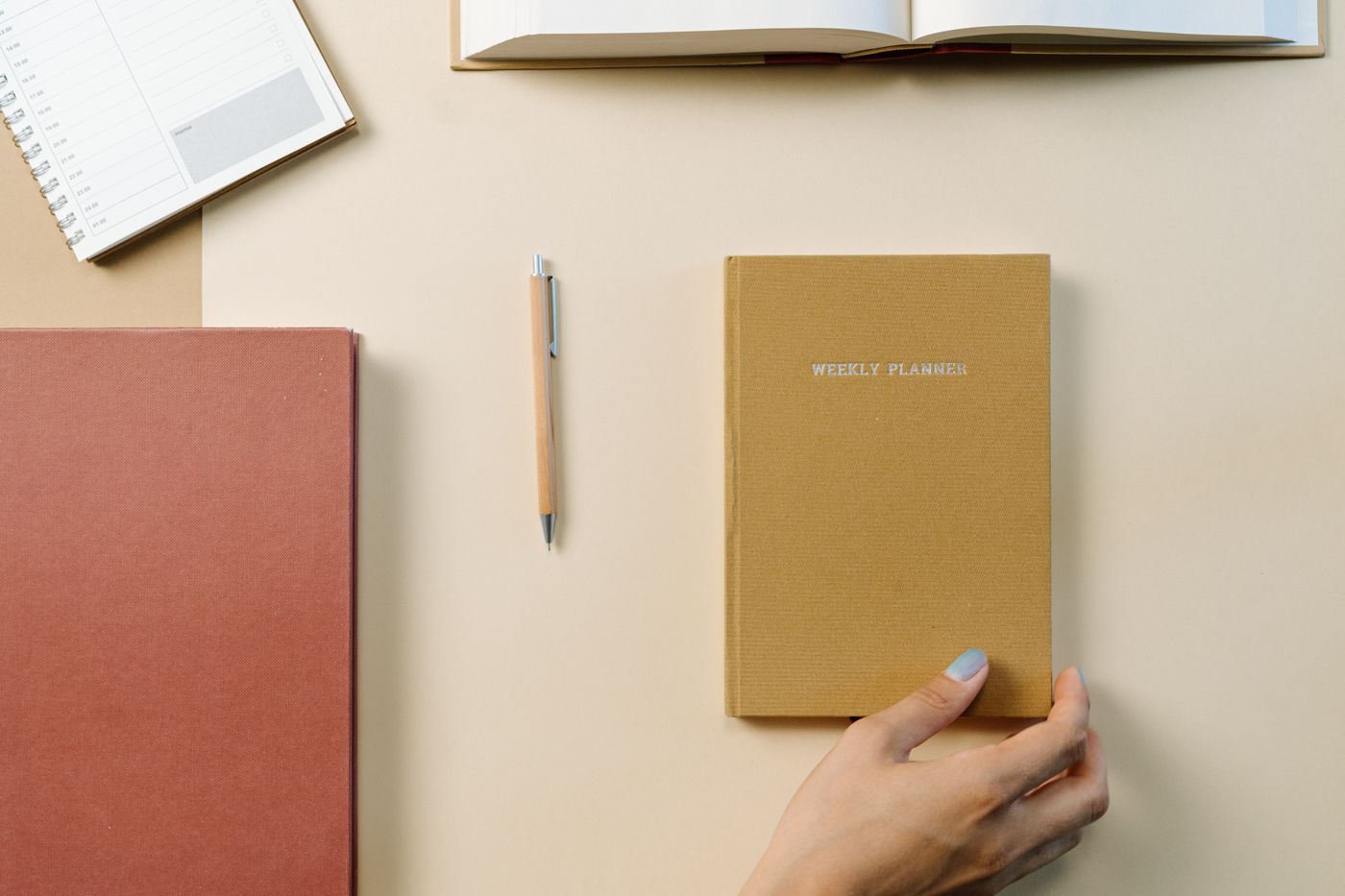
Finish by checking that the chosen conditions are met, not by searching for imperfections. Turn off the task light, close the notebook or put the basket away. A small physical ending makes it easier to recognise that household maintenance is finished for the evening.