Pack a homemade food gift with useful information
Choose a food you can prepare, label and transport appropriately, not just one that looks attractive in a jar.
A homemade food gift needs two kinds of care: the cooking itself and the information that travels with it. Before choosing a recipe, ask about the recipient's dietary needs, allergies and whether they would welcome homemade food. Do not assume that a familiar dish is suitable because it looks simple or contains only a few ingredients.
Start with a dependable recipe
Choose a recipe from a reliable source and follow its preparation and storage instructions. The Food Standards Agency's home guidance covers cooking, cleaning, chilling and avoiding cross-contamination. Packaging does not make food shelf-stable, and a sealed decorative jar is not evidence that its contents can be kept at room temperature.
Avoid improvising preservation methods for gifts. If a recipe requires a particular validated process or equipment, either follow appropriate authoritative guidance fully or select a different gift. A cake or biscuit also needs storage advice specific to its ingredients and preparation; there is no universal homemade-gift shelf life.
Keep ingredient information attached
Write the full ingredients used, including relevant components of bought ingredients. Retain packaging information so that you can answer a question accurately. Where allergies are involved, be clear about what you can and cannot control in your kitchen. Do not label something allergen-free unless that claim is genuinely supported.
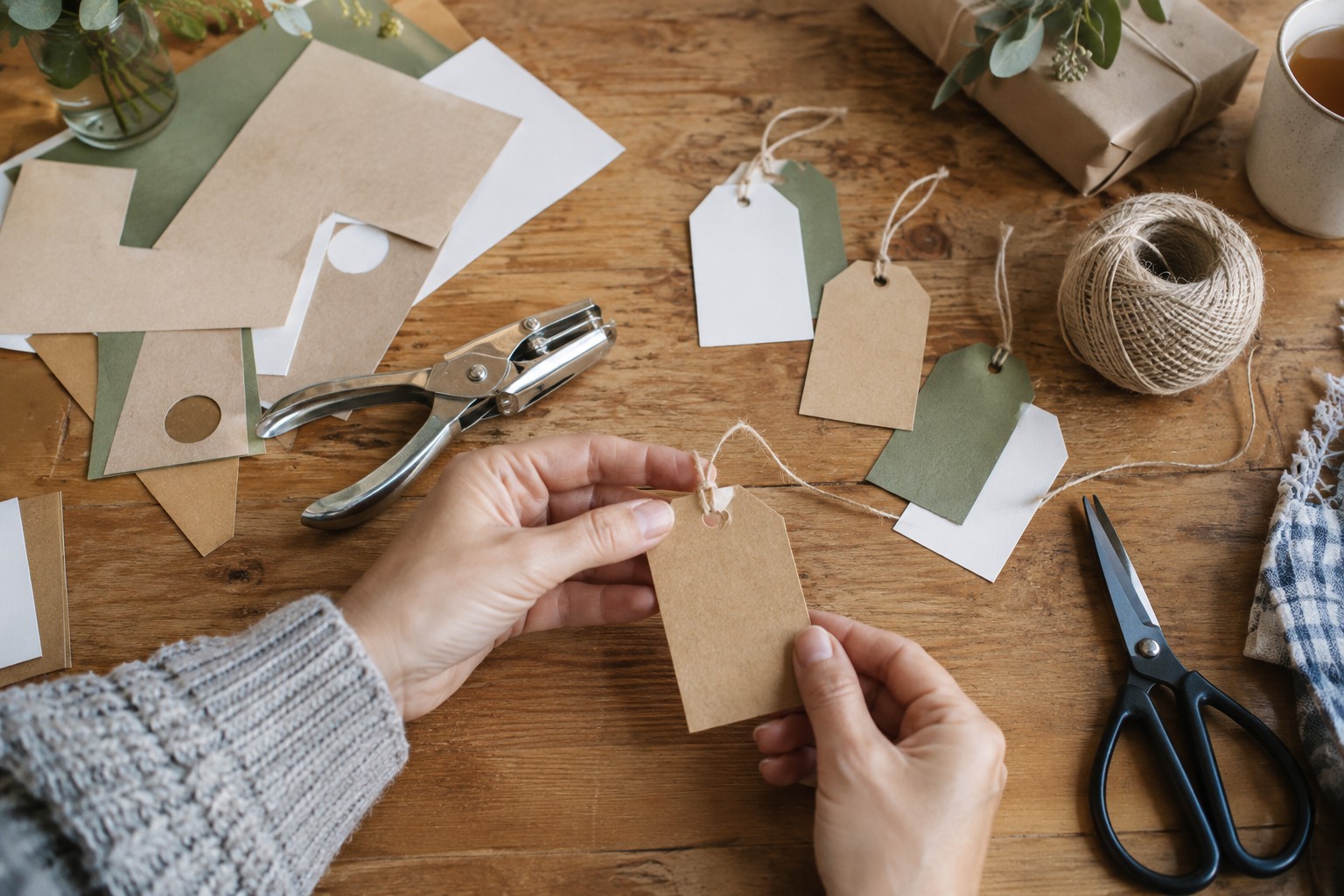
Explain any important storage and use instructions from the recipe, and include the preparation date. These details should stay with the food, not only be mentioned during a busy handover. If the gift is passed to someone else in the household, the information must still be available.
Package for the journey
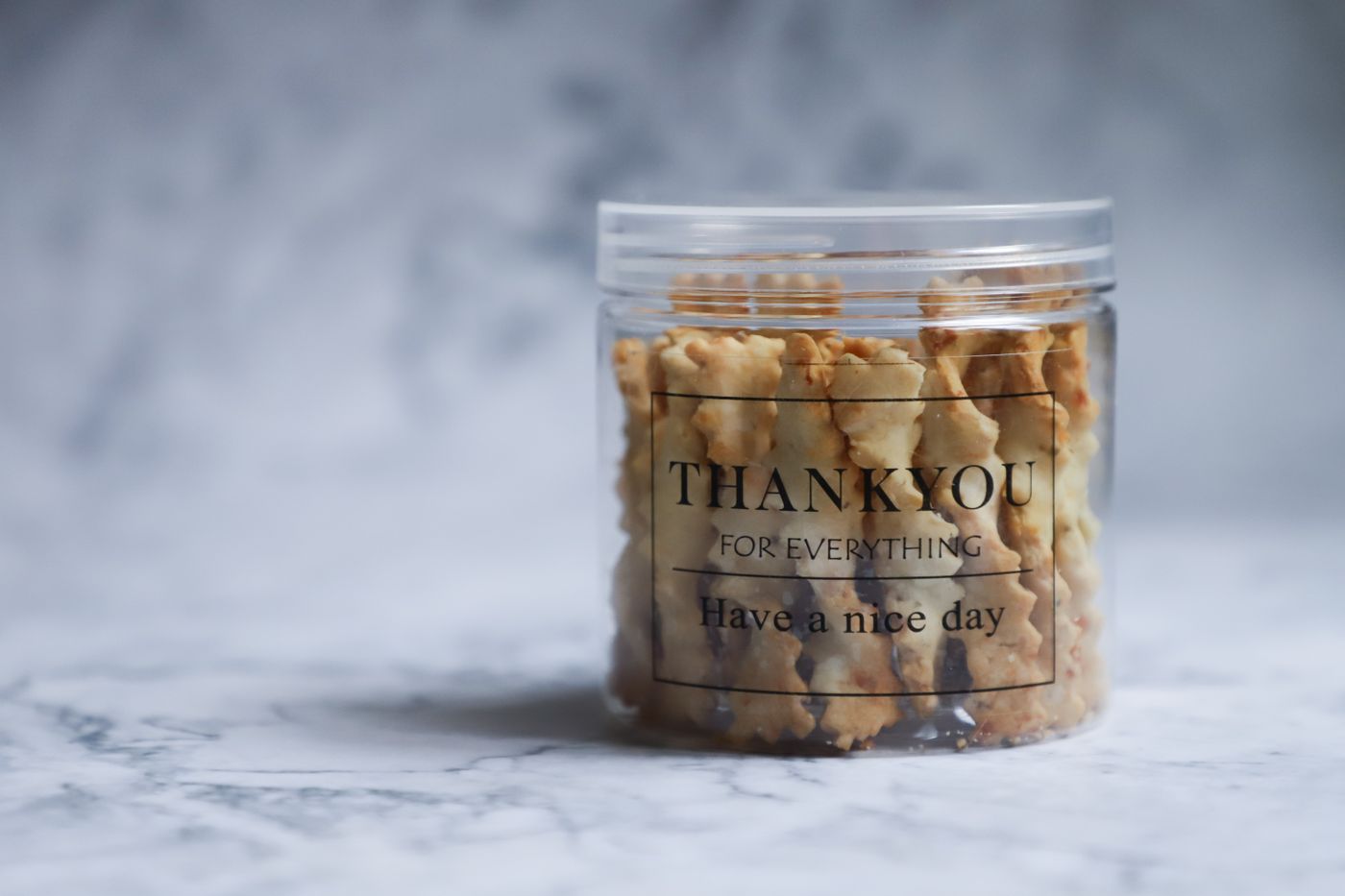
Use clean packaging suitable for contact with that food. Decorative craft paper, paint or reused containers are not automatically appropriate. Keep wet or greasy food from leaking and protect fragile items without placing unsuitable material against them.
Plan the time and temperature of transport. Food that needs chilling must remain in suitable conditions during the journey and be handed over when the recipient can store it appropriately. Do not leave it on a doorstep or in a warm car as a surprise.
Make the quantity manageable. A small household may appreciate a modest portion more than a large batch that must be used quickly. Consider whether the recipient is travelling or already preparing food for a celebration.
At the handover, point out the label and any immediate storage needs. Make it easy to decline or share the gift without embarrassment. The recipient's confidence in what they are eating is more important than preserving the surprise.
If the logistics or dietary requirements cannot be handled confidently, choose a commercially packaged item with suitable information or a non-food gift instead. Homemade effort is not a reason to ask someone to take an uncertainty they would otherwise avoid.