Build a gift basket around one idea
Choose one coherent use for the contents, then stop before the basket becomes a collection of filler.
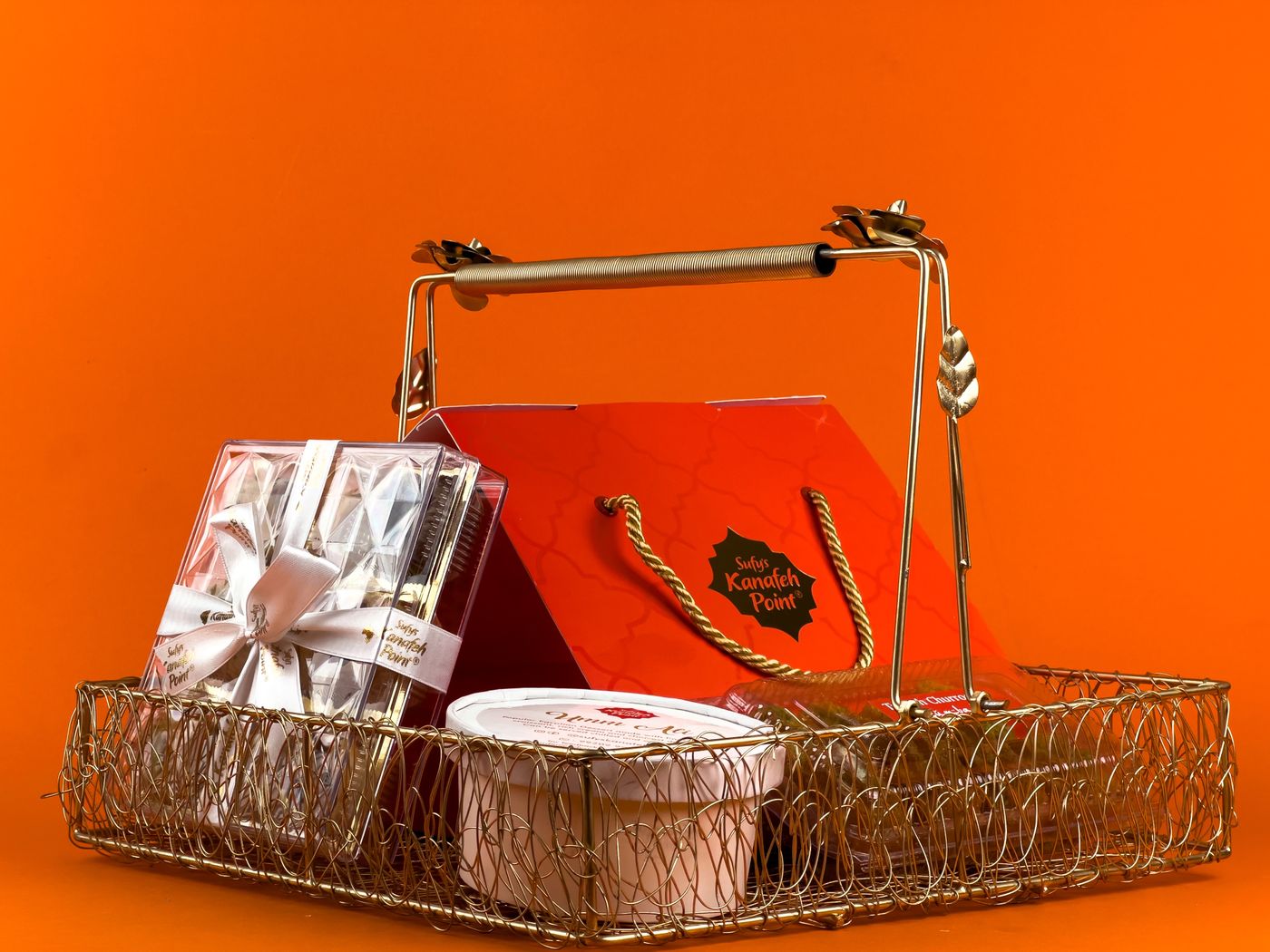
A gift basket is easier to choose when it has a clear purpose. “An afternoon of reading” suggests a book and a drink the recipient likes; “a small baking project” suggests a suitable recipe and a few useful ingredients. A vague theme such as “lovely things” makes it easier to add objects simply because they fit the available space.
Set the budget for the complete gift, including packaging. The container should not consume so much that the contents become an assortment of inexpensive filler. A reusable box or simple bag may suit the gift better than a basket the recipient has nowhere to store.
Choose the central item first
Select the thing that makes the gift meaningful, then add only supporting items that will genuinely be used. If the main item already stands on its own, it may not need a basket at all. Presentation should clarify the idea rather than make a modest gift look artificially larger.
Consider the recipient's preferences across every component. A food basket needs appropriate ingredient and storage information; scented products may not be welcome; hobby supplies may have compatibility requirements. One unsuitable item can make the rest feel less carefully chosen.
Pack for opening, not only photographing
Keep labels and instructions available. Place heavier items securely and avoid hiding fragile objects under loose filler. Use packaging suitable for the contents, particularly anything that touches food. Check that the handle and base can support the finished weight before lifting it.
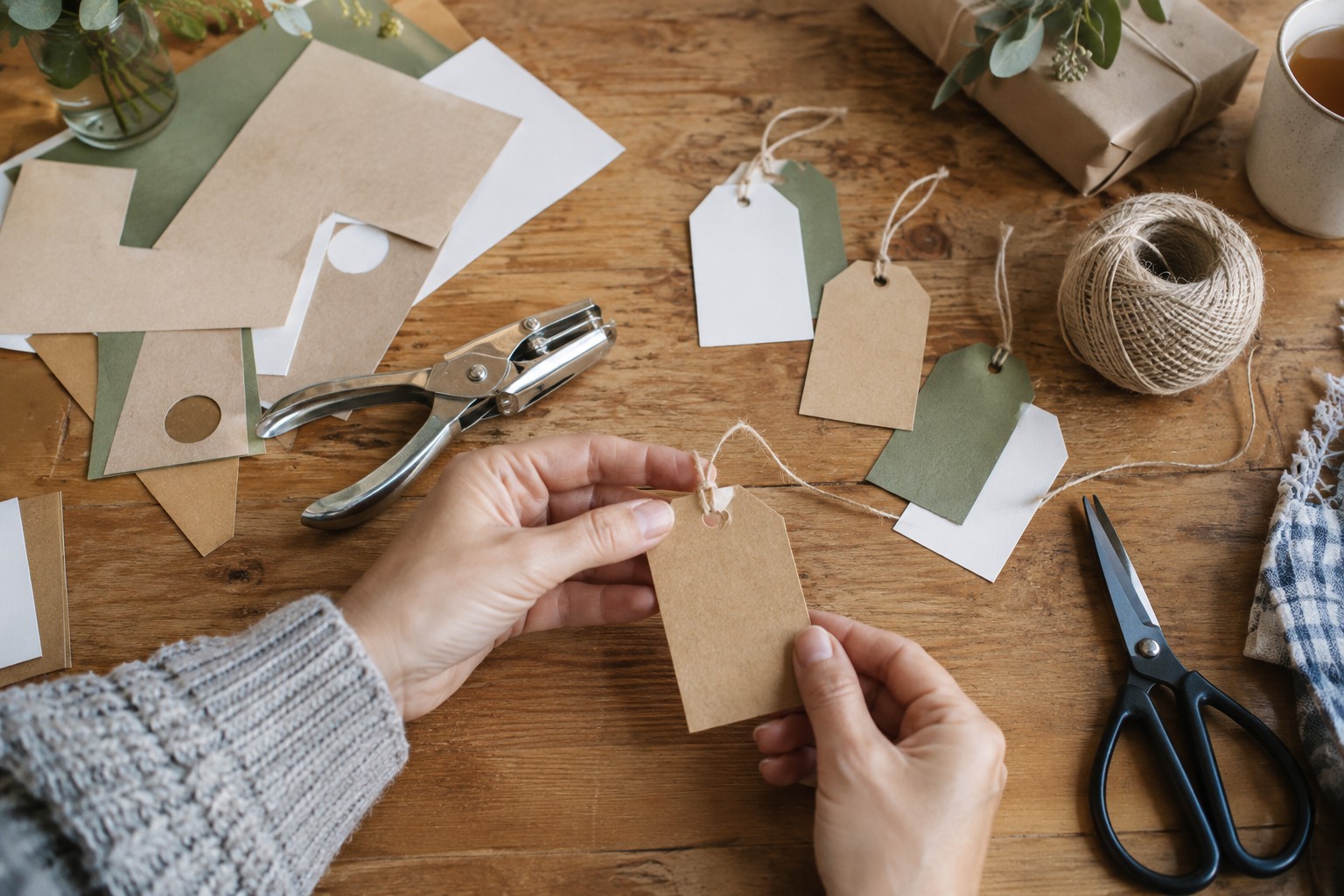
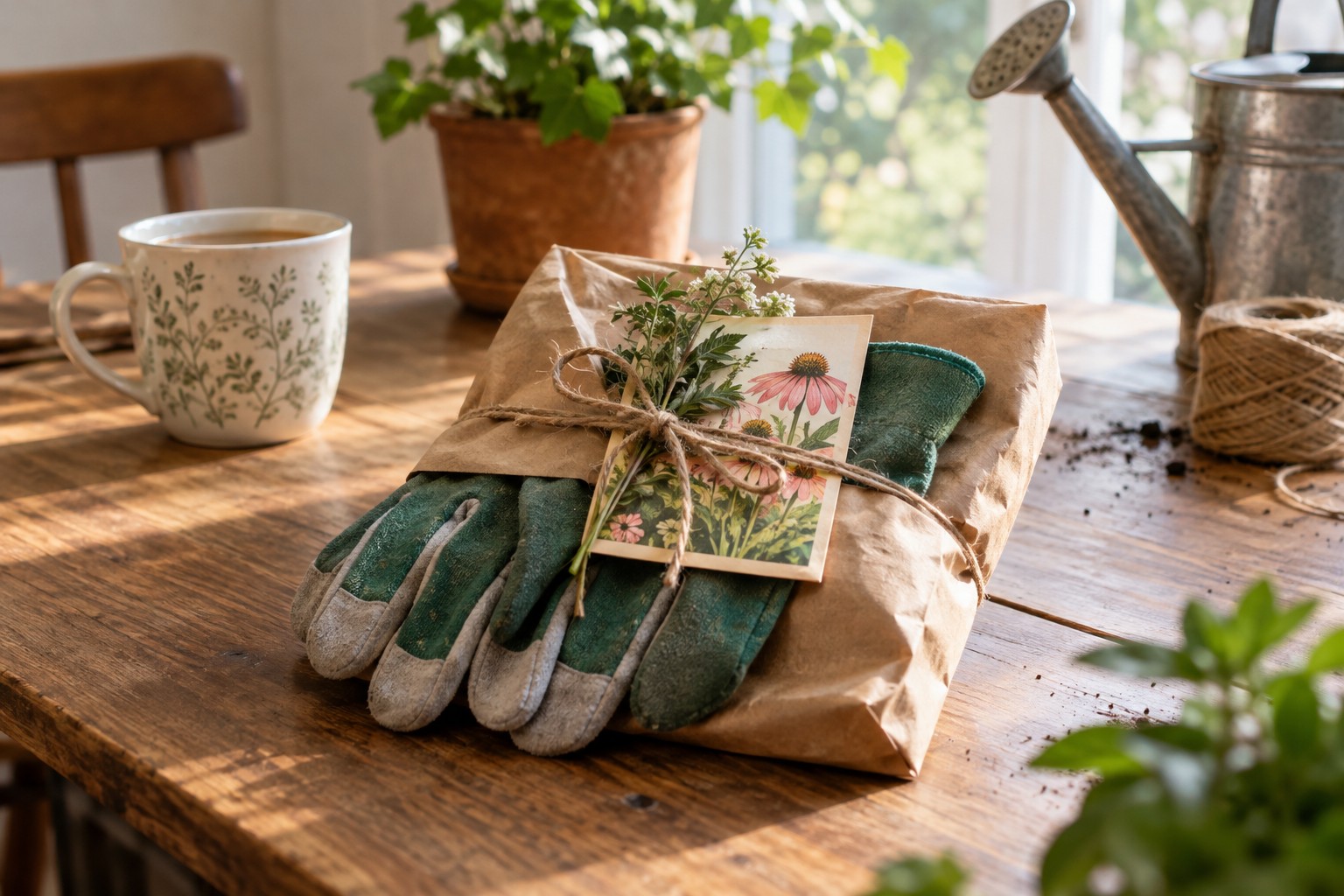
Arrange the contents so that they can be removed without untying a complicated structure. A simple card explaining the theme is often enough. There is no need to attach a separate message to every item or build a display that cannot survive the journey.
If the basket is shared by a household, make that clear. Include quantities that make sense for the group, and avoid assuming everyone shares the same tastes. A small selection of distinct items may work better than many identical portions.
Build one example without filler
For a reader who enjoys tea, begin with a book you have reason to think they want. Add a tea they already like or have expressed interest in trying, with its original information intact. A bookmark can complete the idea if useful. A mug is not automatically necessary; the recipient may already have more than enough.
Put those items in a container that fits them. If a large basket looks empty, change the container rather than adding unrelated sweets, scented products and novelty objects. The scale of the presentation should follow the contents, not dictate another round of shopping.
For a hobby basket, avoid treating low-cost materials as interchangeable. Paper, thread or tools can have specifications that matter to the person using them. Ask about a preferred type or choose a narrower, well-understood selection. Several compatible items serve the theme better than a visually abundant collection that cannot be used together.
Stop when the idea is complete. Empty space is not a problem that must be filled with another product. A coherent gift with a few chosen pieces can feel more personal than a large hamper whose contents were selected to occupy every corner.