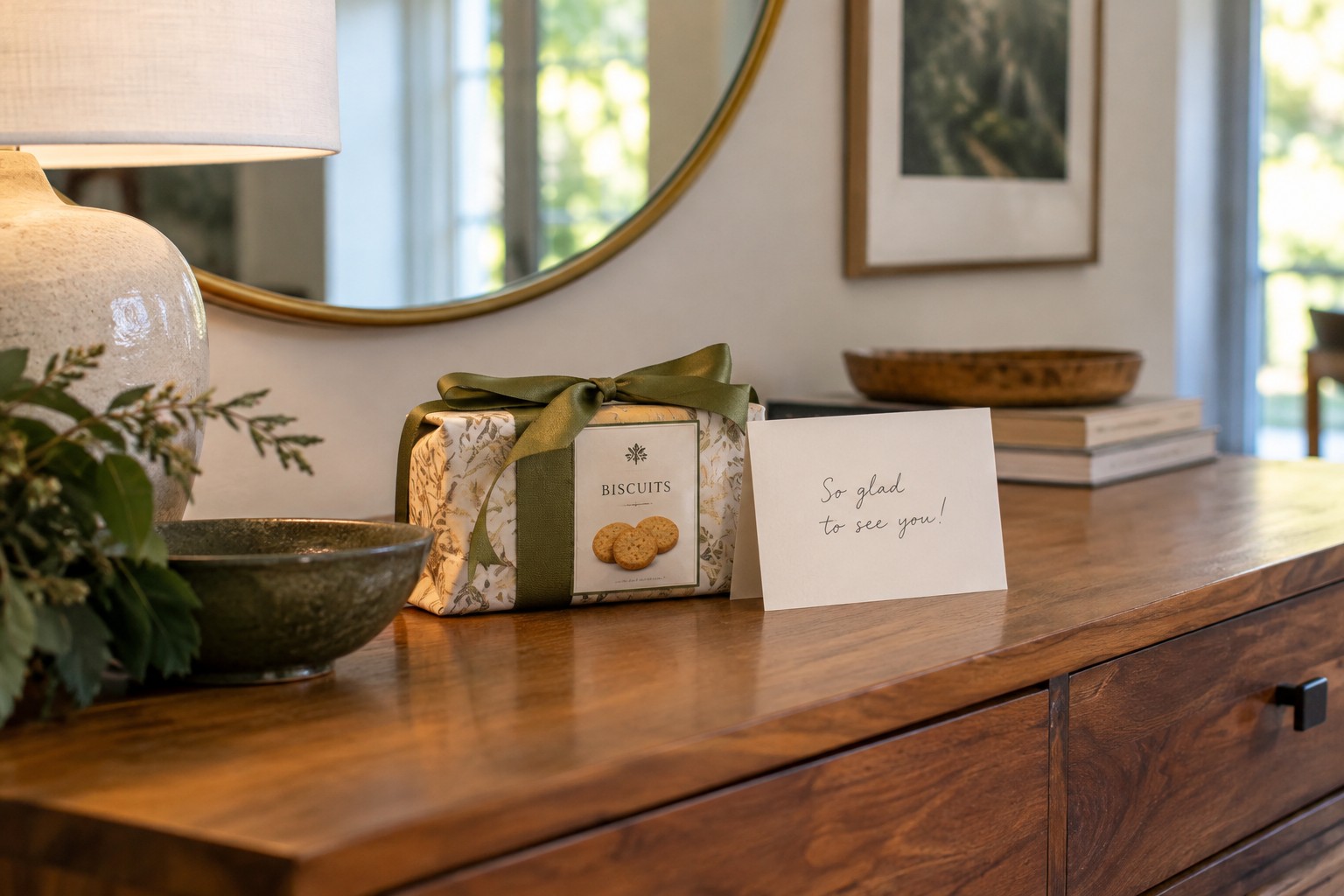
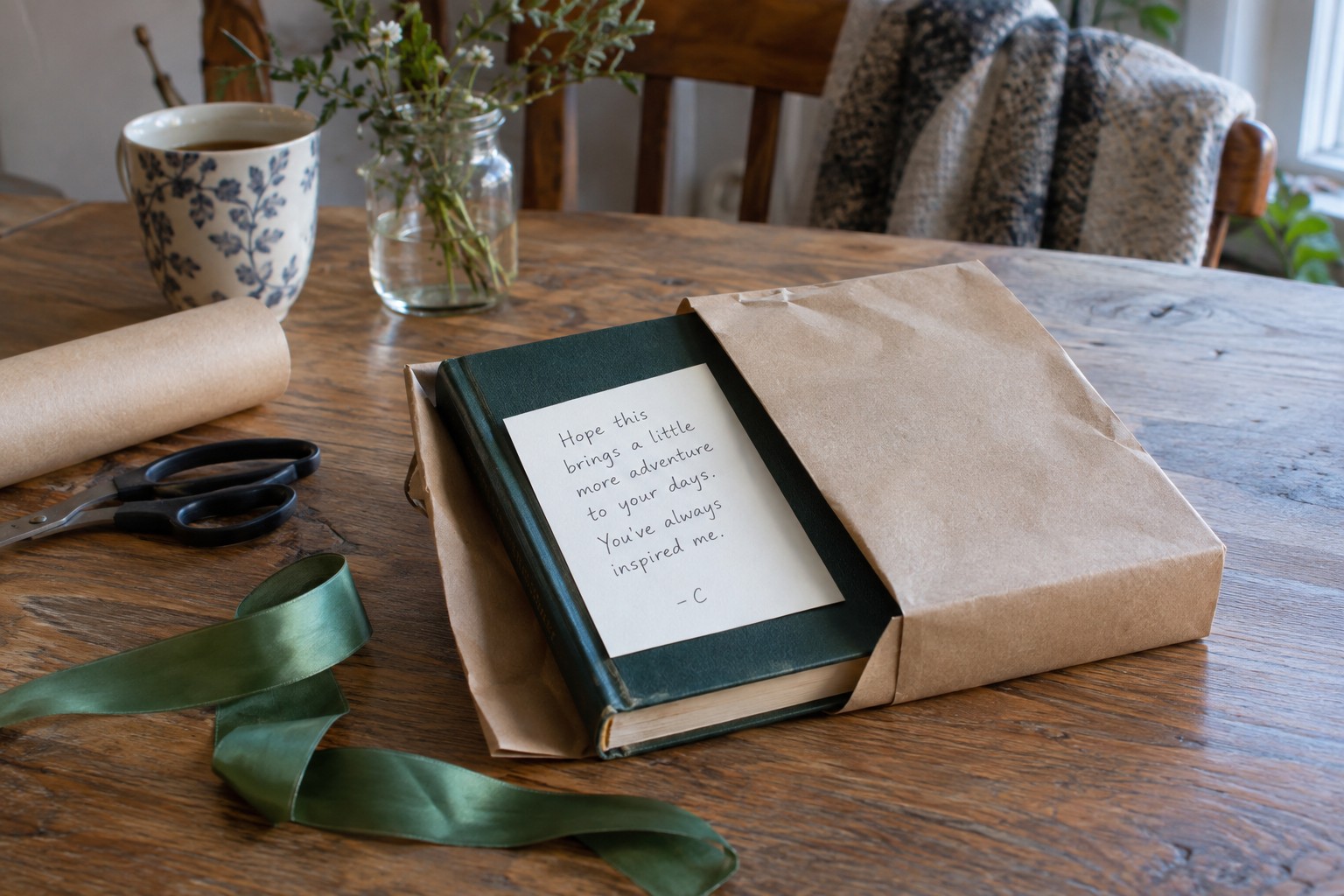
Choose a gift from someone's everyday interests
Notice how someone spends ordinary time before searching for a category labelled with their age or gender.
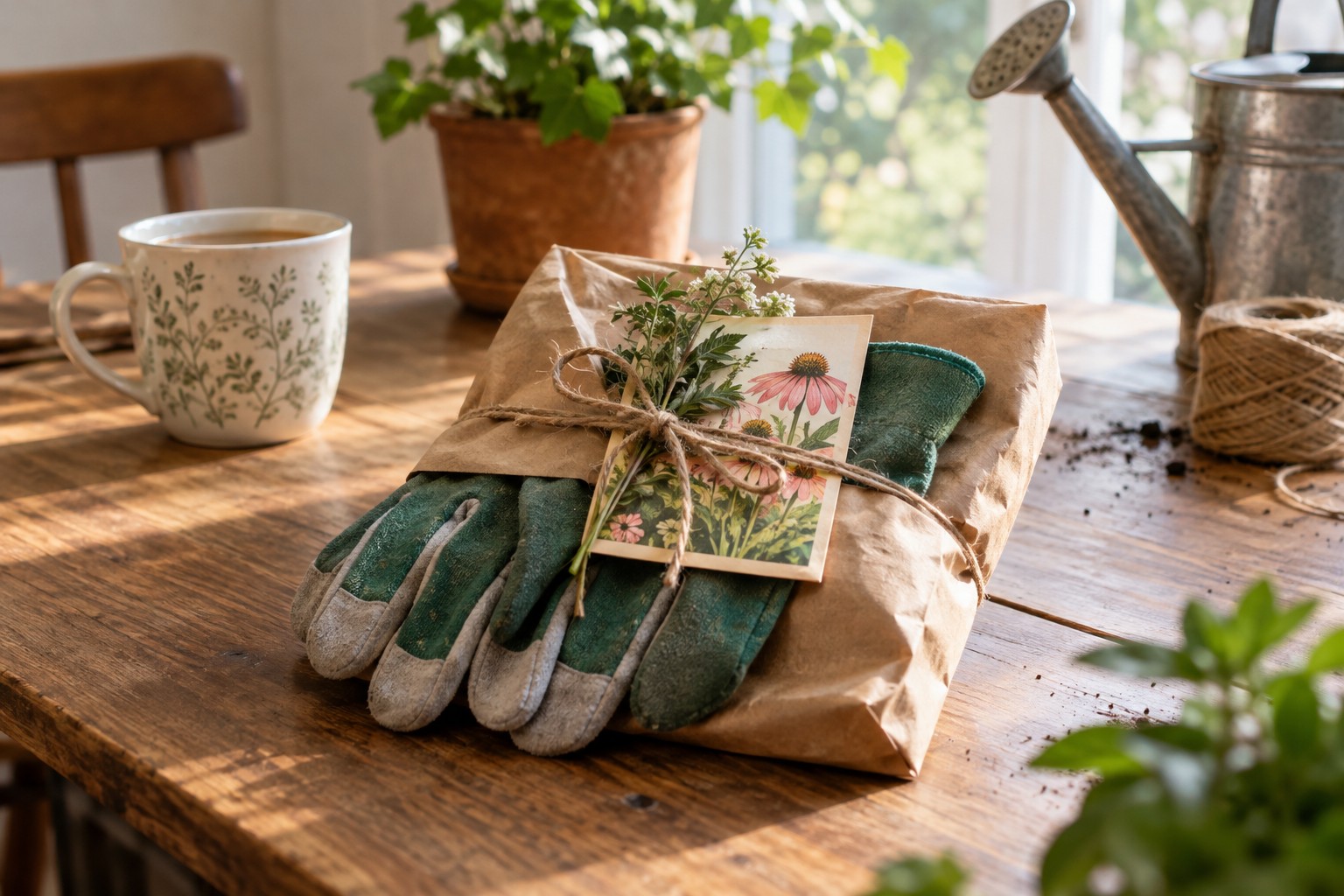
Good gift clues often appear in passing conversation. Someone mentions a book they want to read, replaces a worn kitchen tool or spends weekends drawing. These details describe their actual interests more accurately than a generic list of gifts for a demographic group.
Keep a brief private note when a specific idea arises, but distinguish a passing comment from a request. Admiring an object in a shop does not always mean wanting to own it. The recipient may like looking at large decorative pieces while preferring very little clutter at home.
Look at the way the interest works
A keen hobbyist may have strong preferences about equipment. Instead of guessing at a specialist tool, ask about a particular item or choose something adjacent that you understand. A book on an aspect of the interest, a suitable consumable or a contribution towards a chosen purchase may work better than an impressive but incompatible device.
Consider time and space as well as taste. A gift that requires a long class, ongoing subscription or large display area creates commitments. Check before arranging something that fixes the recipient's schedule or costs them money later.
Choose a useful level of surprise
You can ask for a shortlist while keeping the final choice a surprise. This is especially helpful for clothing sizes, books someone may already own or equipment with exact specifications. Knowing that the gift will be wanted does not make the gesture less thoughtful.
Avoid framing the gift as an improvement the recipient ought to make. Fitness, cleaning, appearance or productivity items can carry an unintended message unless they have been requested. Choose from what they enjoy or need, not from a problem you have decided to solve for them.
Set your budget before adding extras. One appropriate item can communicate more attention than a larger collection of loosely related products. If a gift receipt is available, include it in a discreet, usable way.
Compare two ideas against the same person
Suppose a friend enjoys baking and often mentions a favourite recipe book. A second book by the same author might be welcome, but only after checking that they do not already own it. A specialised baking tin could be useful if it matches something they want to make and fits their equipment. A decorative sign about loving cake may reference the interest without contributing anything they would use.
The difference is not that useful gifts are always better than decorative ones. It is that the choice should follow the person's actual preferences. Someone who enjoys displaying small objects may love a decorative gift; someone with limited shelf space may prefer a consumable.
For an experience, consider the work needed to redeem it. Travel, booking availability, companion costs and expiry terms can turn a generous idea into a task. Check the provider's current conditions and discuss essential constraints before committing, while keeping the exact date or optional details a surprise if appropriate.
When giving the gift, explain the connection briefly: “You mentioned wanting to try this kind of sketching.” Then allow the recipient to respond naturally. A gift does not need a long defence of how much research or effort went into it; the attention is already present in the choice.