Make space for handwritten letters
Use a small writing kit and a specific memory to begin a letter worth sending.
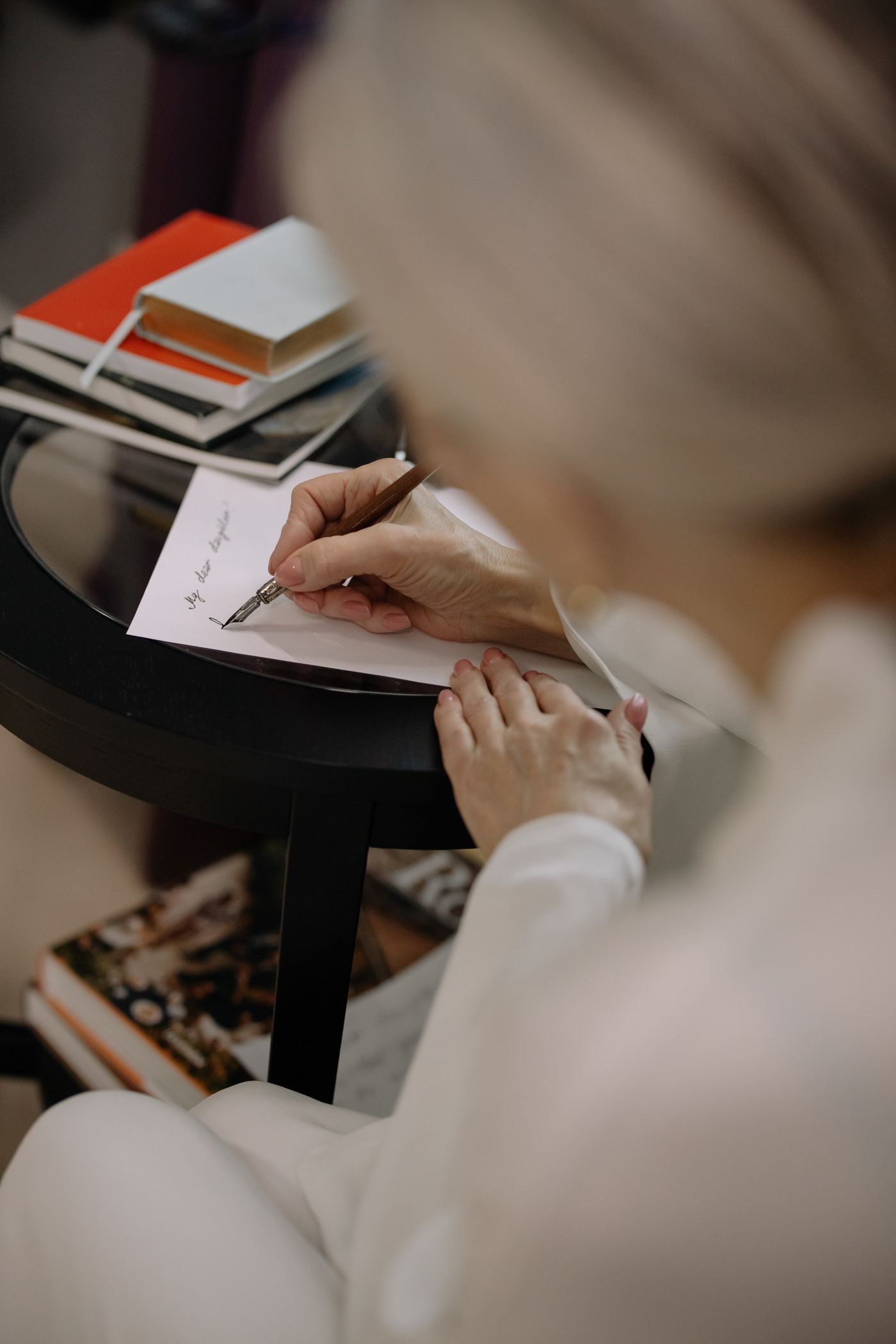
A handwritten letter can begin with the detail you would mention if the recipient were sitting across the table. Perhaps a flower has appeared in the garden, a book reminded you of them or you finally used the recipe they suggested. Starting with that detail is often easier than opening with an apology for how long it has been.
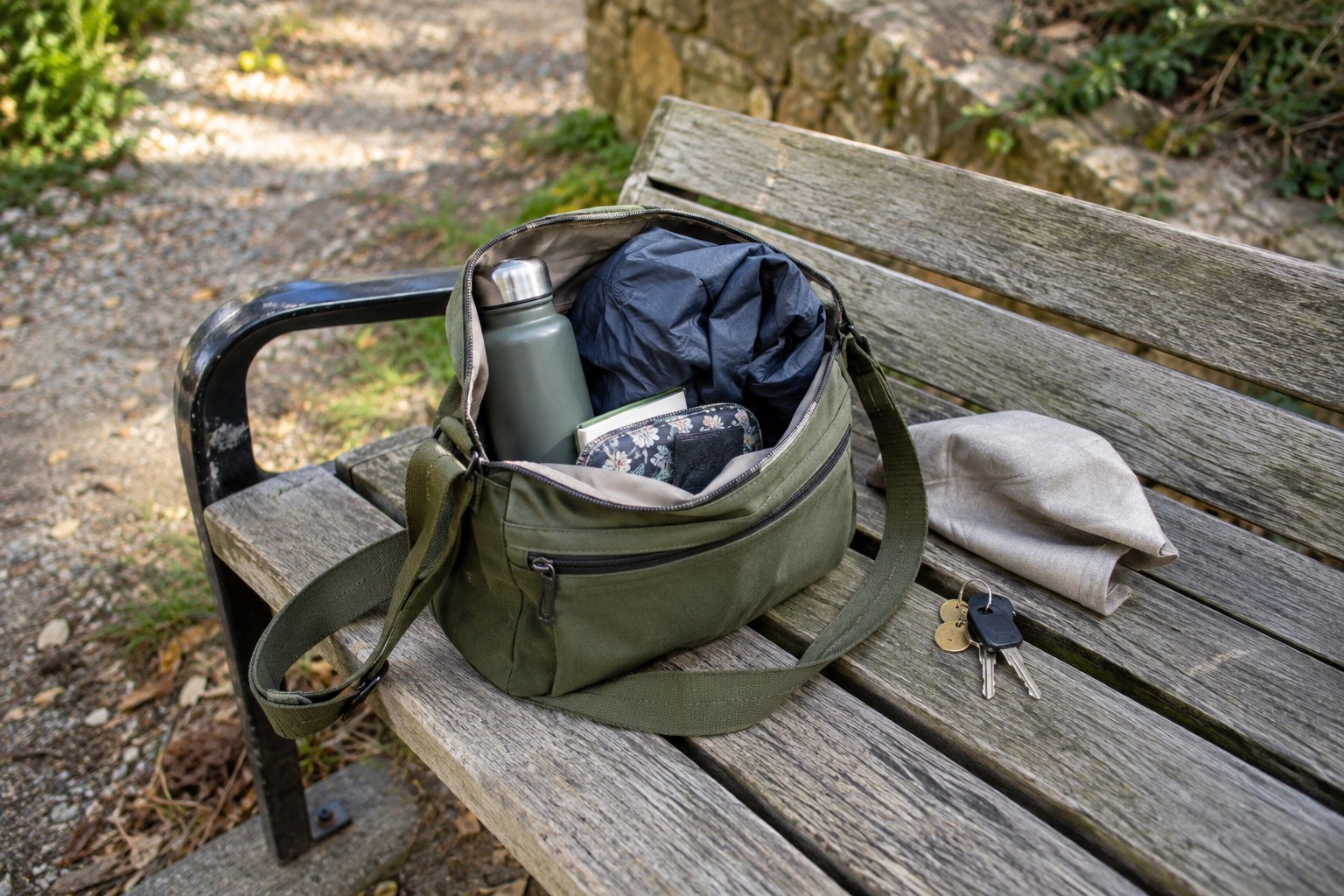
Keep a modest writing kit together: paper, envelopes, a comfortable pen and the addresses you are entitled to keep. Add stamps only after checking that they are suitable for the destination and current postal requirements. A beautiful box of stationery is unnecessary if ordinary paper makes you more willing to begin.
Write for the person rather than for an imagined audience. Explain a local reference they may not understand and ask about something you genuinely want to hear more about. A letter can hold both news and small observations. It does not need to be an annual summary of achievements or a carefully ordered account of everything since your last contact.
If the blank page feels large, use a smaller sheet. You can also draft a few points on scrap paper before starting, without writing an entire polished version twice. Crossings-out are usually less distracting than a letter that never gets sent because the handwriting was not perfect.
Leave room for a reply without creating an obligation. One or two thoughtful questions are enough; a long questionnaire can feel like work. Consider the recipient's circumstances and whether they enjoy handwriting, email or a telephone call more. Your chosen form should be a gift of attention, not a test of whether they respond in the same way.
Before sealing, check that the letter, address and envelope belong together. Keep sensitive information out unless sending it this way is appropriate. If you include a photograph or small flat item, make sure the packaging and postage suit its thickness and destination.
Finish the process by deciding when the envelope will reach a postbox or counter. A stack of completed letters beside the desk has not yet become correspondence. Put the outgoing letter with the belongings for your next suitable trip, then allow it to travel without repeatedly rewriting in your head what you should have said.