Build a day out around one local destination
Let one destination give the day a shape, then add only what fits around it.
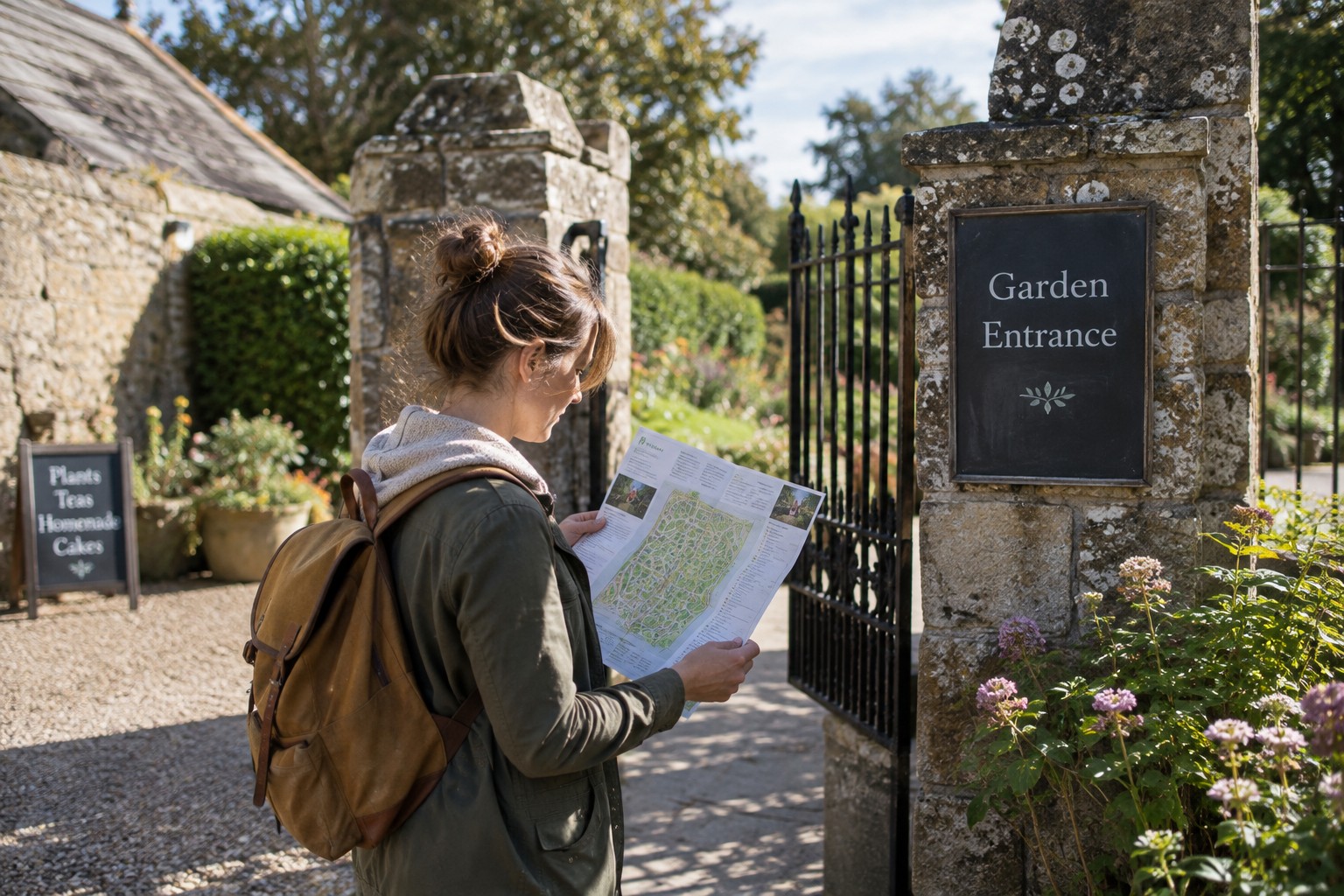
A local day out can become surprisingly complicated when every nearby attraction is added to the plan. Choose the one place you most want to visit and build around its location, opening arrangements and the energy available. A garden, gallery or small town can be enough of a reason to leave home without an additional itinerary of compulsory stops.
Check the destination's own information before travelling. Opening times, access arrangements and booking requirements can change, and an old search result may not reflect a private event or seasonal closure. Save the relevant details somewhere you can reach without repeatedly searching.
Plan the edges first
Work out the journey there and back, including the last part from a station or car park. Think about where you can pause, eat and use facilities. These ordinary details often affect the experience more than adding another attraction. If travelling with others, ask about walking tolerance and accessibility needs before selecting the route.
Choose one possible meal or refreshment stop, with an alternative if it is unavailable. You do not need to reserve every minute, but knowing where the next break could happen prevents hungry wandering from becoming the main event. Check directly when a particular venue or dietary requirement is important.
Keep an optional margin
Add one nearby possibility rather than a long list. It might be a short riverside walk, a bookshop or another room at the main destination. Treat it as optional from the beginning so that skipping it does not feel like failing to complete the day.
Set a sensible return window. If the outing is meant to be restful, avoid arriving home so late that dinner and the next morning become difficult. A shorter visit can be more enjoyable than staying until everyone is tired simply to justify the journey.
Pack for the actual activities and conditions. Comfortable footwear, a layer and the essentials for your circumstances matter more than carrying a bag for every imagined scenario. Leave space for any purchases without assuming that bringing something home is part of the outing.
Try the journey on paper
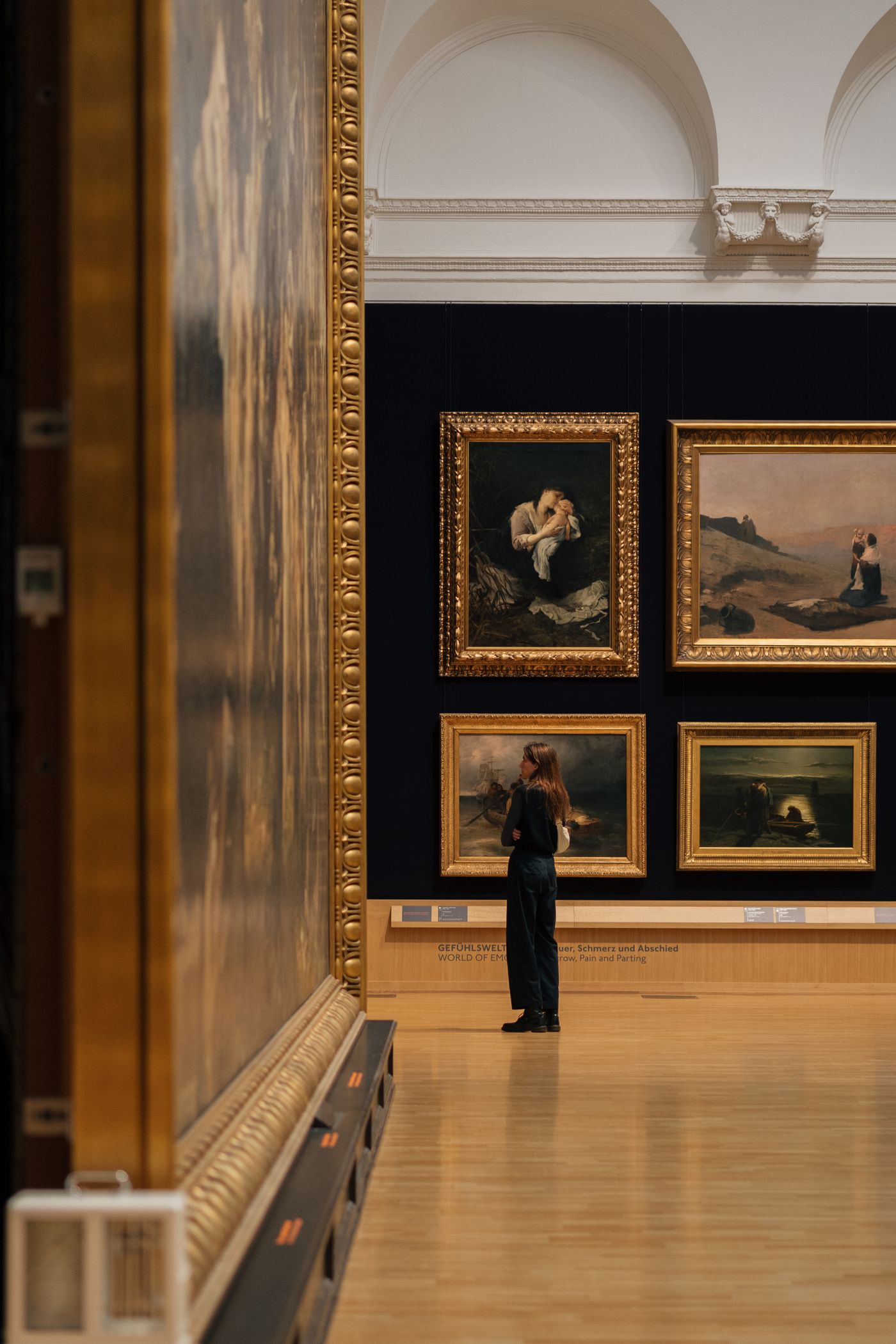
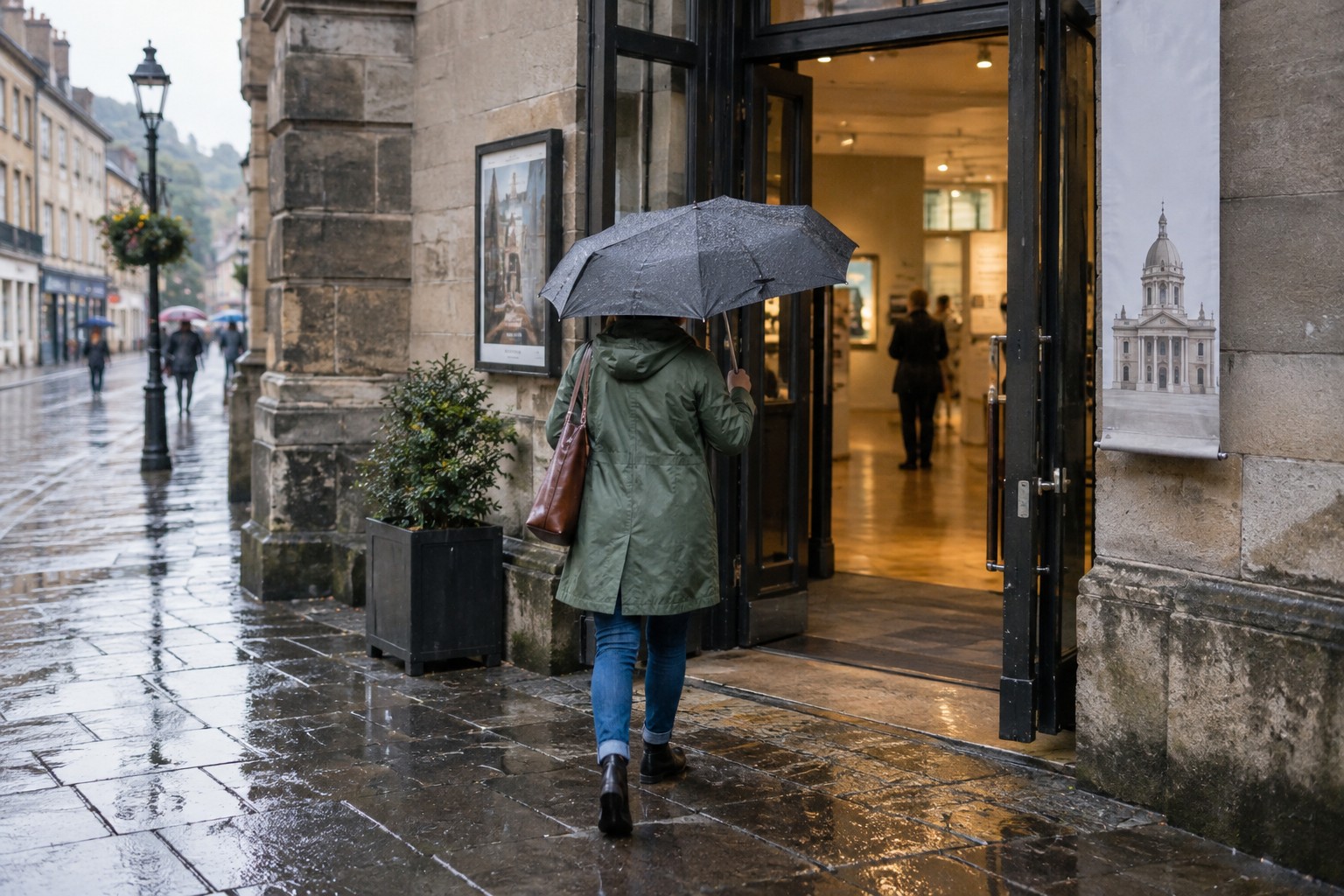
For an afternoon gallery visit, start with the last comfortable journey home and work backwards. Allow for the walk to the stop or car park, time in the gallery and a break if needed. If the remaining visit window is very short, choose a nearer destination or leave earlier rather than hoping to compress every stage.
Now check the optional stop against the route. A shop five minutes from the gallery may fit naturally; one on the other side of town could require another journey and change the whole day. Keep that second idea for a different outing unless it matters more than the original destination.
For a mixed-age group, identify where people can pause independently. A seated break near the main attraction may let some people continue browsing without making everyone move at one speed. Agree how and when to meet again, and make sure nobody is left with an arrangement they cannot comfortably manage.
Afterwards, keep a note of what worked: a useful transport connection, a quiet place to sit or a section worth returning to. A local destination does not have to be exhausted in one visit. Knowing that you can come back makes it easier to leave while the day still feels good.