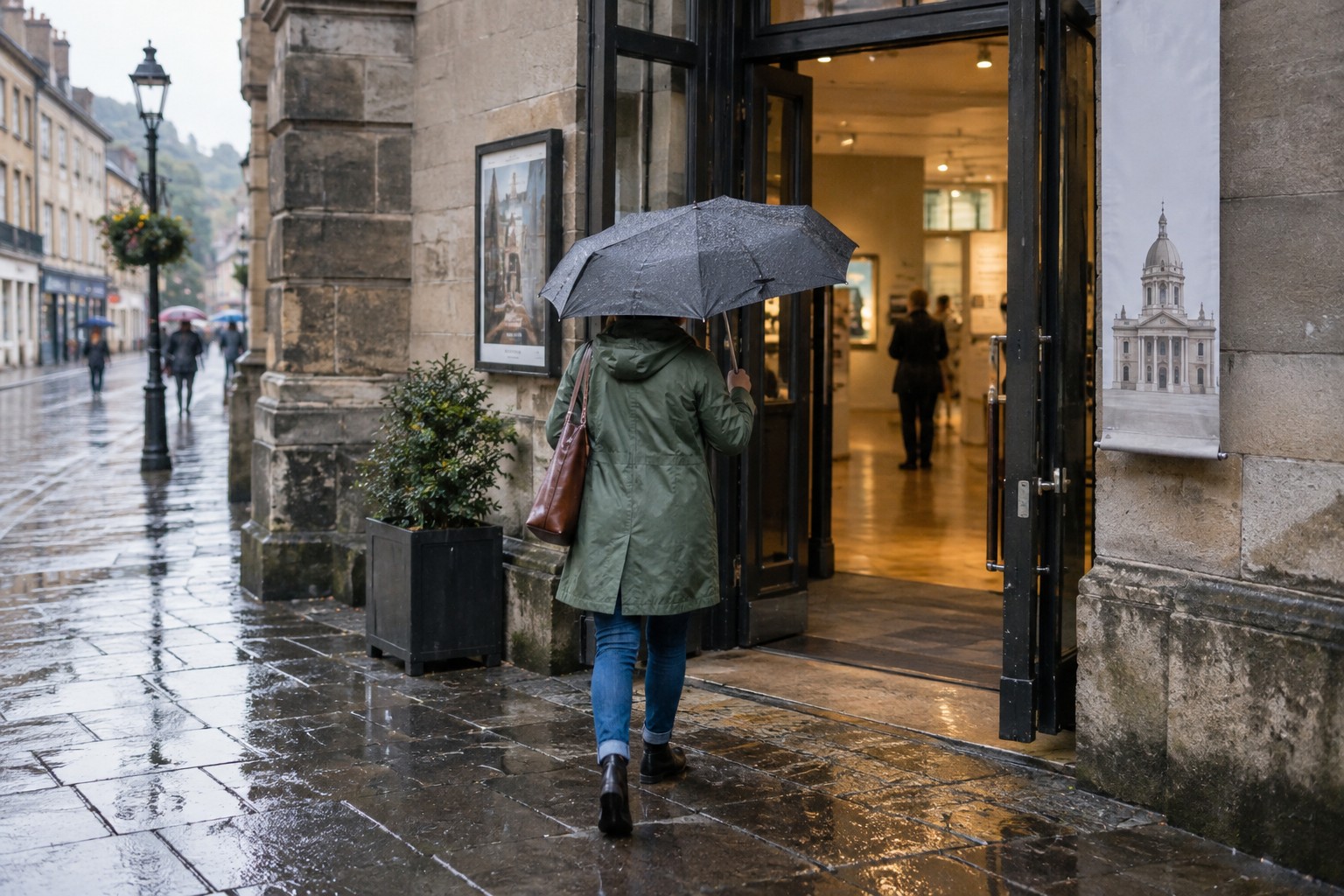
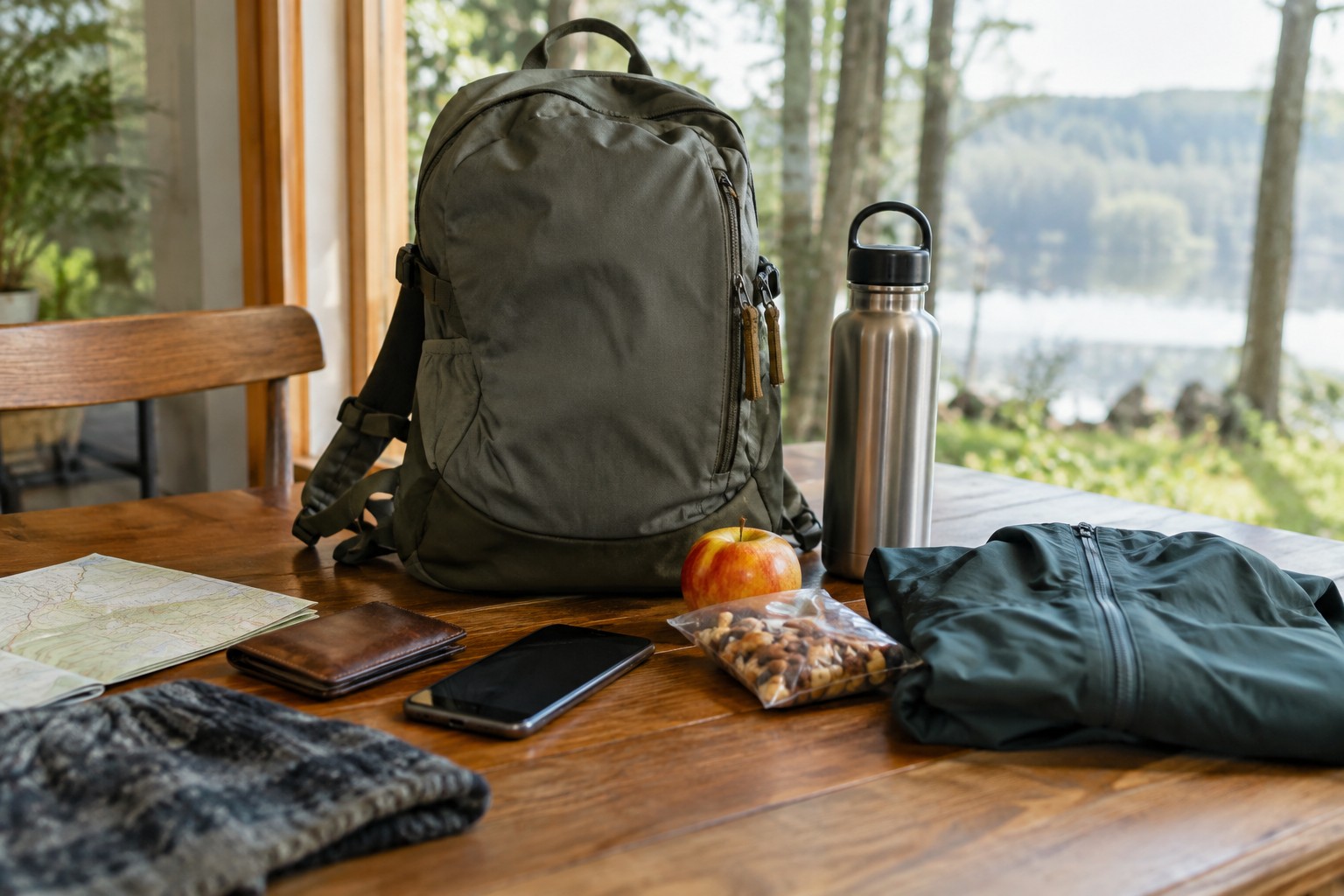
Plan a museum visit without trying to see everything
Choose a thread through the collection and allow attention, not floor area, to set the pace.
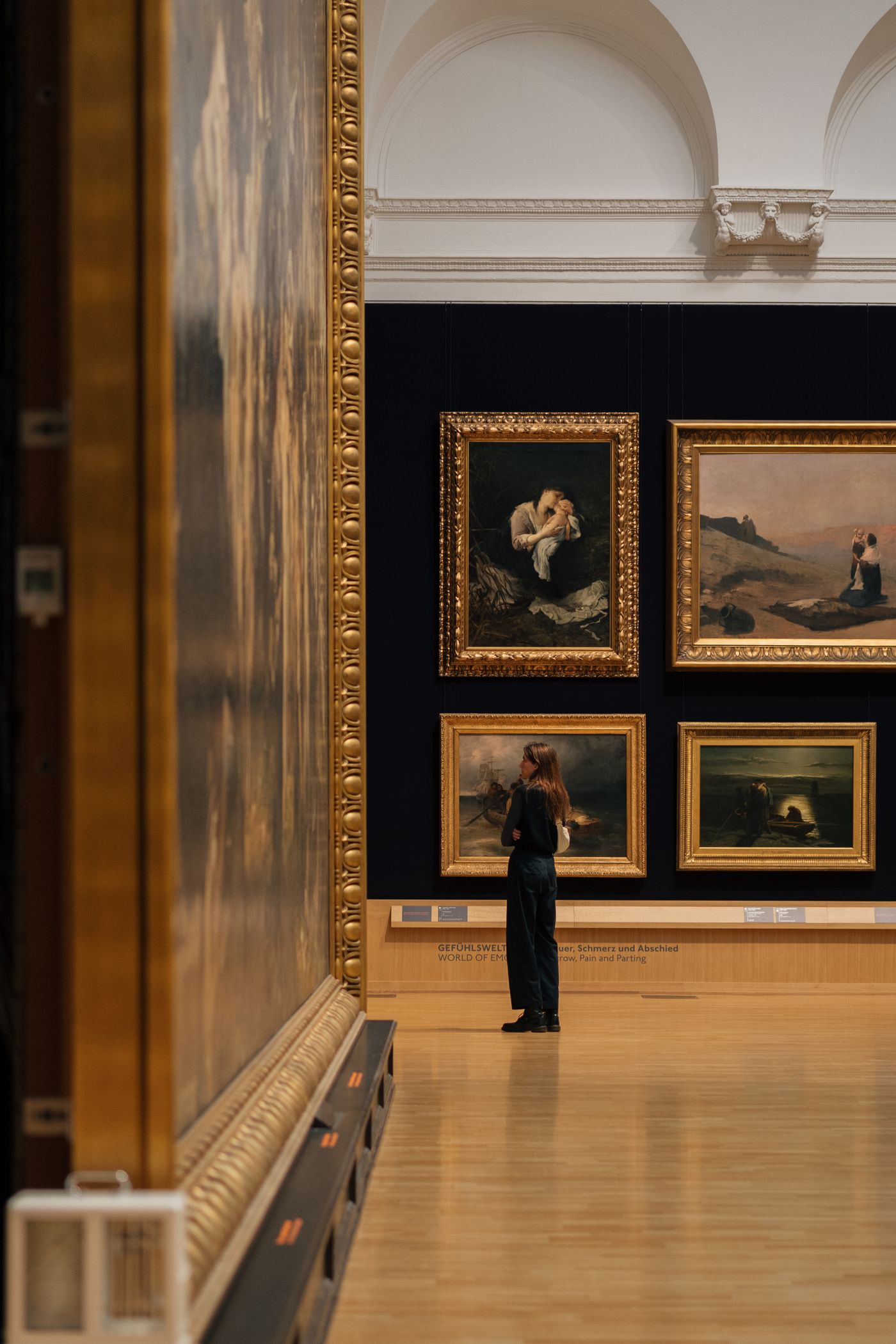
The entrance map of a large museum can make a visit look like a task to complete. Every gallery is numbered, every staircase leads to another section and the permanent collection seems to continue indefinitely. Instead of starting at the first room and hoping to see everything, choose what you want the visit to contain.
Look at the museum's own website before going. Confirm opening arrangements, tickets and any exhibition booking that matters to you. Check accessibility information and contact the venue if the published details do not answer a specific need. A general description such as “accessible” may not explain the route, seating or facilities relevant to your visit.
Give the visit a subject
Choose a small theme: one artist, a material, a period or a question. You might look at how clothing appears in portraits, how everyday vessels were made or how a particular city changed. A theme gives unrelated rooms a connection without requiring you to read every label.
Select a few objects or galleries as anchors. Locate them on the map and notice the distance between them. If they are on opposite sides of the building, decide whether the connection is worth the walking. There is no special virtue in a route that crosses the same large hall four times.
Spend time unevenly
Some objects deserve a longer look because they catch your attention; others can be passed without guilt. First look at the object itself, then read the label and look again. Notice what the explanation changes. This can be more memorable than reading a succession of labels while barely looking up.
If visiting with someone, agree whether to stay together throughout. Different people move at different speeds. Meeting at a named location and time can allow each person to follow their interest without one person continuously waiting or hurrying.
Take a break before concentration disappears entirely. Find designated seating or a refreshment area rather than leaning on display furniture. A pause is part of the visit, not time stolen from it. Check whether leaving and re-entering is permitted if you plan to go outside.
Photograph with a purpose
Follow the museum's photography rules. If photography is allowed, choose a few images that record something you want to revisit, perhaps an object detail and its label. Avoid turning every room into a camera task or blocking another visitor's view while composing a picture.
A small note can sometimes do more than a photograph: “look up the maker of the blue bowl” or “compare the two portraits”. Keep it brief enough that it does not remove you from the experience. You are collecting a route back to an interest, not producing a complete catalogue.
Use the map again halfway through
After the first section, compare your interest and energy with the original plan. You may have found enough in one gallery to make the visit satisfying. Alternatively, a label may point towards another room that now matters more than the object you initially selected. Changing the route in response to the collection is a useful part of looking.
For a visit with children, choose a small observable question rather than expecting the adult route to hold their attention. Looking for animals in paintings or comparing the handles on vessels can create a connection without requiring a worksheet. Follow the museum's rules about touching and movement, and stop before the activity becomes a demand to keep producing answers.
If an exhibition is crowded, consider whether another gallery offers a better use of the present time. Check any timed-entry conditions before leaving a booked area, but do not assume that remaining in the busiest room is the only legitimate way to experience the museum.
End with one section you genuinely want to see rather than a final rush through everything missed. The shop is optional, and a purchase is not necessary to make the visit count. Leave with one or two things you can describe in detail. That is a substantial result from a building that may hold thousands of objects.