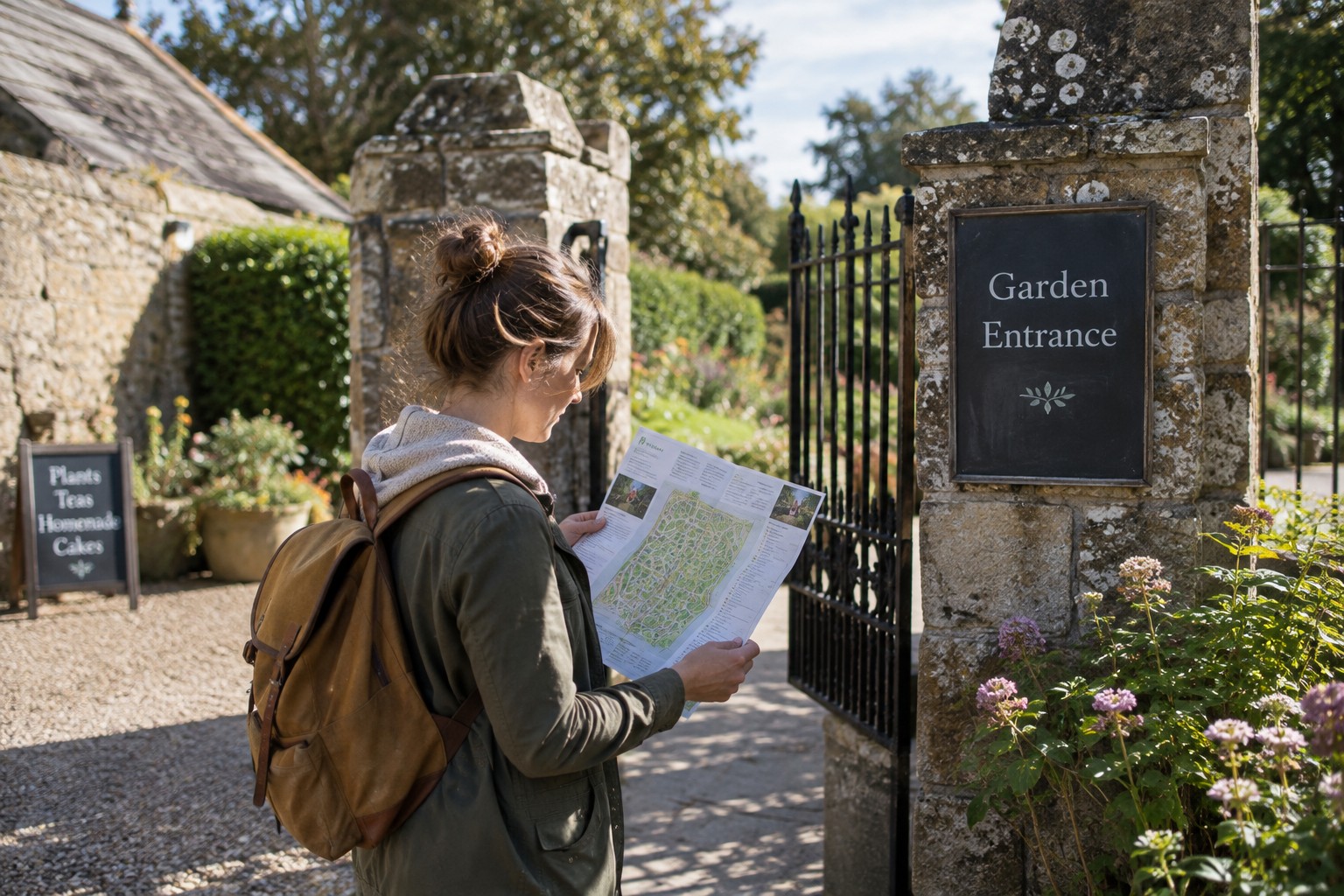
Choose what belongs in a day-out bag
Choose the bag around the outing's weight, weather and access needs.
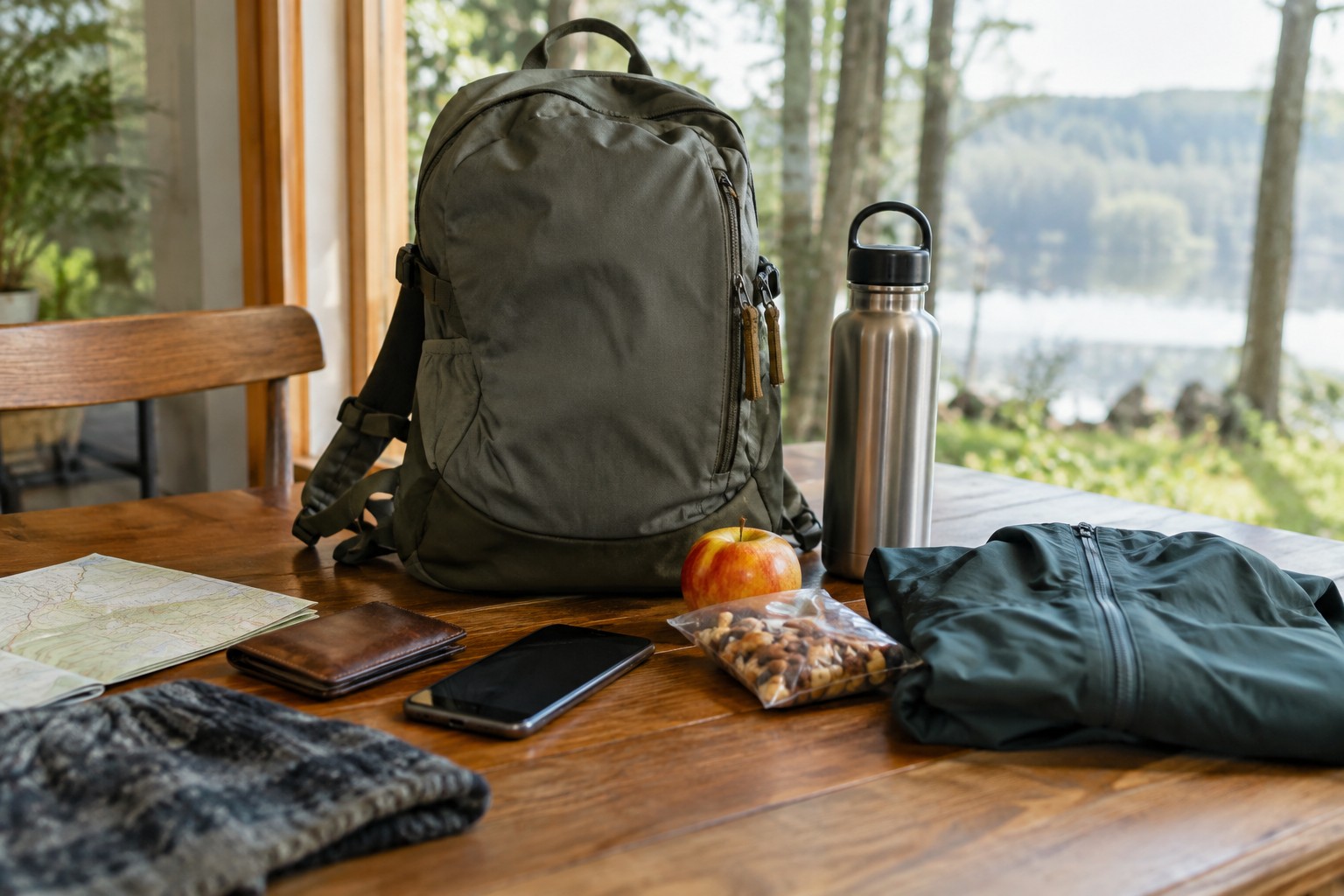
A day-out bag is most useful when you can carry it comfortably for longer than the first few minutes. Start with the items the outing actually requires, then choose the bag that holds them. Selecting a small bag for its appearance and forcing essentials into it can be as awkward as carrying a large bag full of unnecessary extras.
Lay out the contents: personal essentials, travel details, water if appropriate, weather protection and equipment for the planned activity. Add any individual care needs according to your own arrangements. Keep the list specific; a museum visit and a long outdoor route require different preparation.
Test the loaded bag. Walk, sit and reach for frequently used items. Notice whether the strap slips, the bag blocks your movement or a hard object presses against you. A comfortable empty bag does not guarantee a comfortable full one.
Make access deliberate
Keep valuables secure and avoid exposing them while searching for something else. Give tickets or other frequently needed items a dependable place. A small internal pouch can help, but too many layers of organisation make retrieval slower rather than easier.
Separate anything that could leak or become wet. Check closures and the bag's actual weather resistance instead of assuming a fabric looks waterproof. Protect electronics and paper appropriately for the conditions, and keep food in suitable storage.
Check venue bag restrictions when a particular destination is central to the day. There may be limits, checks or storage arrangements, and those details can change. A bag that is comfortable on the journey may still be inconvenient inside the venue.
Leave a little capacity for a removed layer rather than relying on carrying it in one hand all afternoon. At the same time, resist filling unused space automatically. Extra room is useful because it remains available.
When you return, empty the items that do not belong there permanently. Remove food, damp material and scraps of paper, then return borrowed or occasional equipment to storage. A day bag should begin the next outing with a fresh decision about its contents, not with an unexplained collection from the last one.