Pack an overnight bag without packing for a week
Pack one change of circumstances, not every possible version of tomorrow.
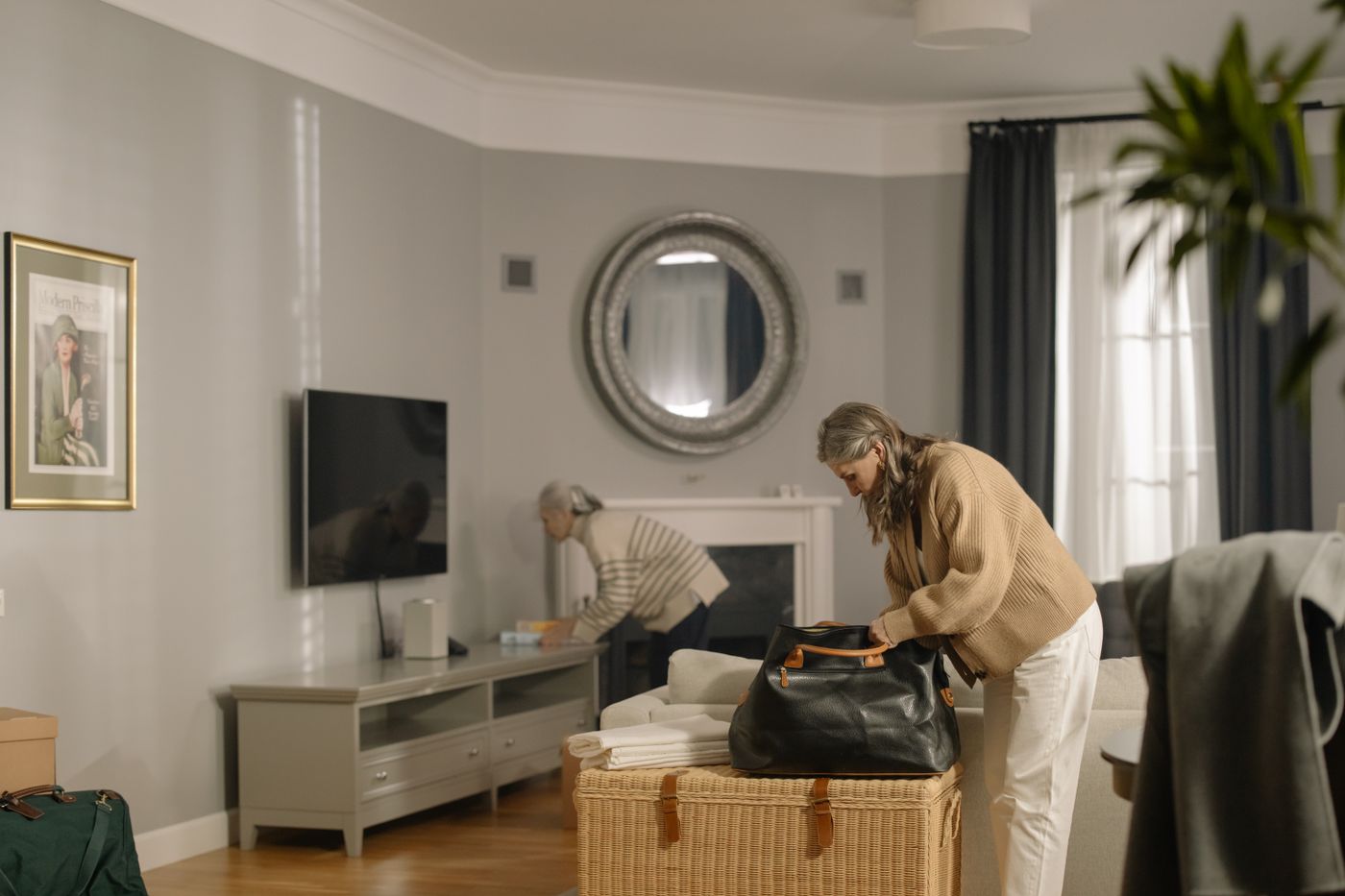
An overnight bag becomes oversized when each uncertainty adds another complete outfit. Start with the actual plan: where you will sleep, what you will do the next morning and whether the next day has a different dress requirement. One night away rarely requires the same range of clothing as a week with several unrelated activities.
Lay out the outfit you will travel in and the one needed afterwards. Look for pieces that can reasonably work in both, such as a cardigan or shoes, while packing fresh personal essentials. Do not force reuse when clothing will be unsuitable after the activity; the point is to make a realistic plan, not to achieve an arbitrary bag size.
Pack the non-negotiables first
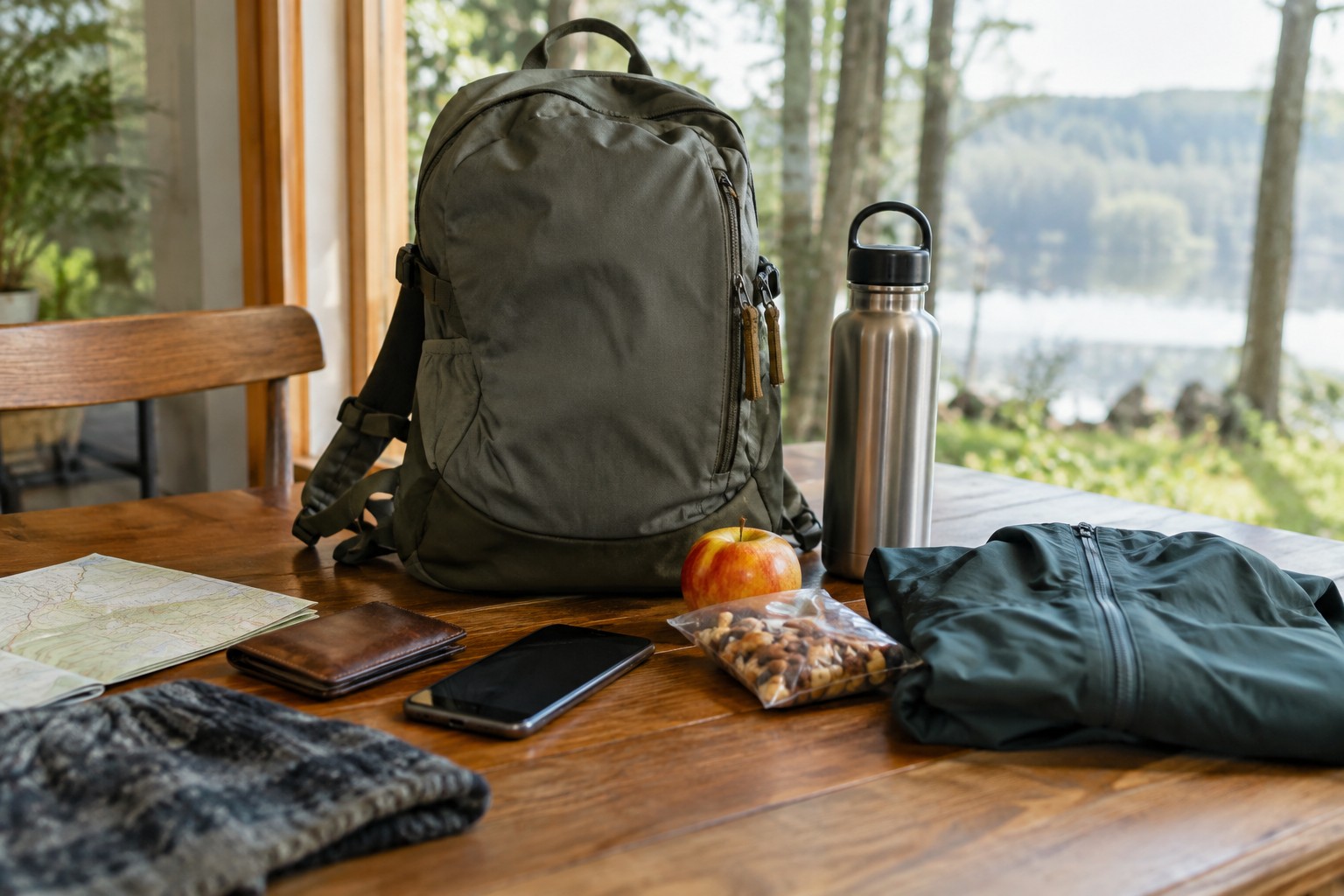
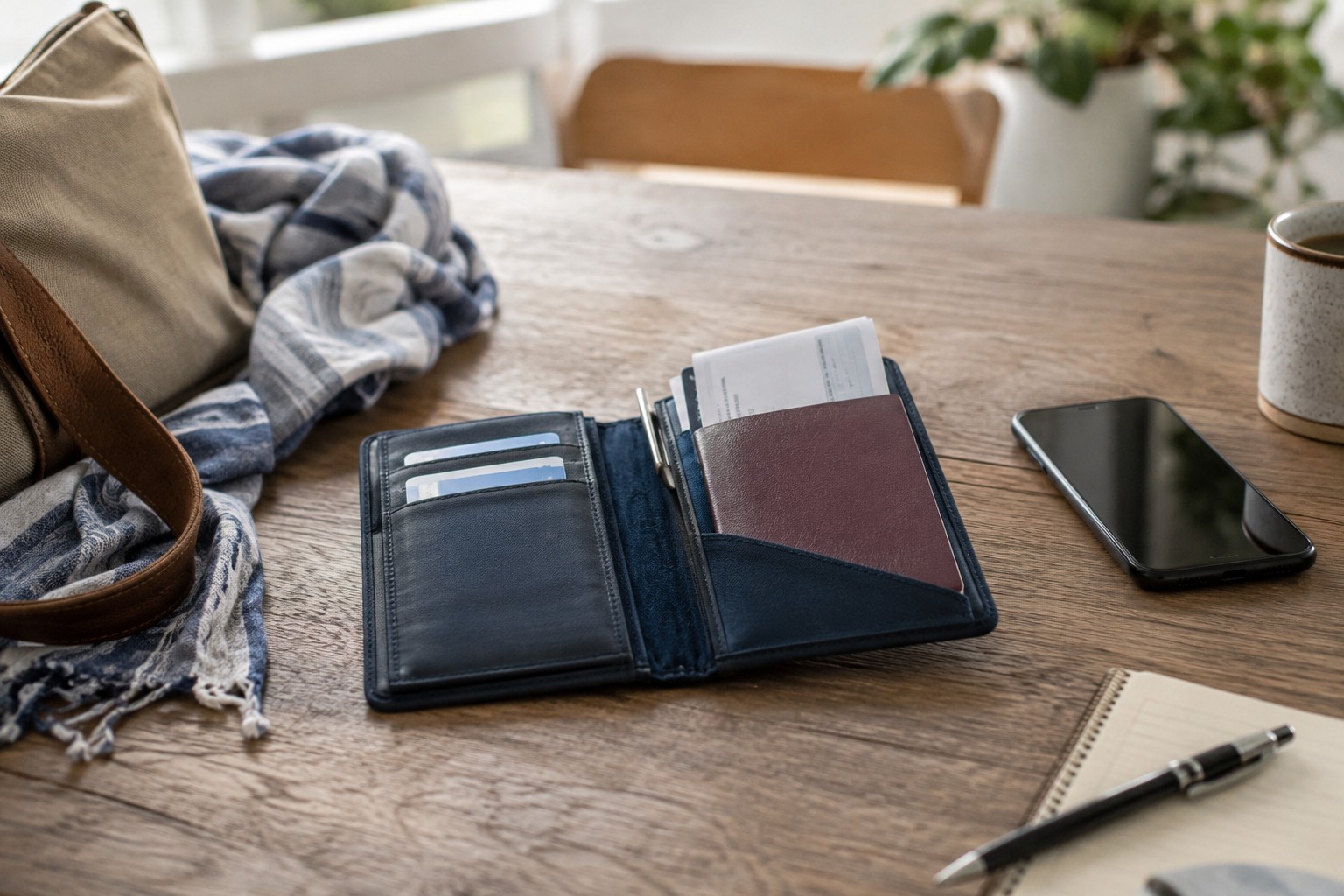
Set aside any medication or personal equipment according to your own requirements and its storage instructions. Add travel information, charging needs and essential toiletries. These items deserve space before optional accessories, because forgetting them can be more consequential than wearing the same jacket twice.
Check what the accommodation provides and what you prefer to bring. A towel, hairdryer or particular toiletry may be available, but verify if it matters. Avoid filling the bag based on assumptions in either direction.
Use small groups
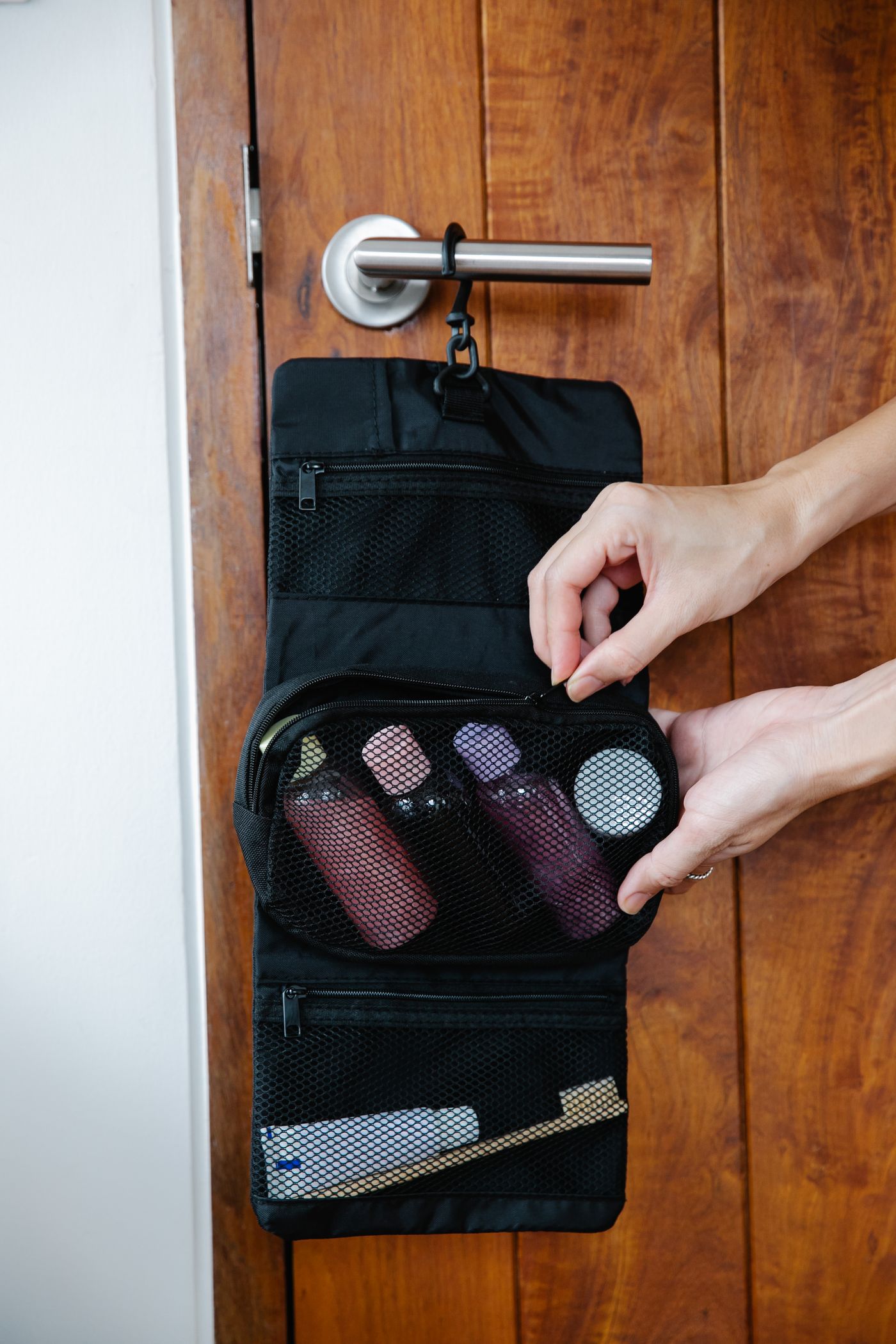
Put underwear and sleepwear together, toiletries in a suitable closed bag and anything potentially damp in a separate arrangement for the return. Keep the first items you will need near the top. An overnight bag should not require a complete unpacking just to find a toothbrush.
Choose shoes for the actual walking and setting. An extra pair can occupy much of a small bag, so decide whether it solves a real problem. Pack it if the activities require it; leave it if it exists only as a vague alternative.
Leave a little empty space for the return. Clothing is rarely folded as tightly after use, and an unplanned small purchase should not make the bag impossible to close. Test the handle or strap when the bag is fully packed.
After returning, notice what remained untouched. One unused item does not prove it was unnecessary, but repeated patterns can simplify the next trip. Build your personal overnight list from those observations rather than copying a packing checklist designed for someone else's plans.