Give a photo walk a simple theme
Use one visual idea to notice familiar places differently.
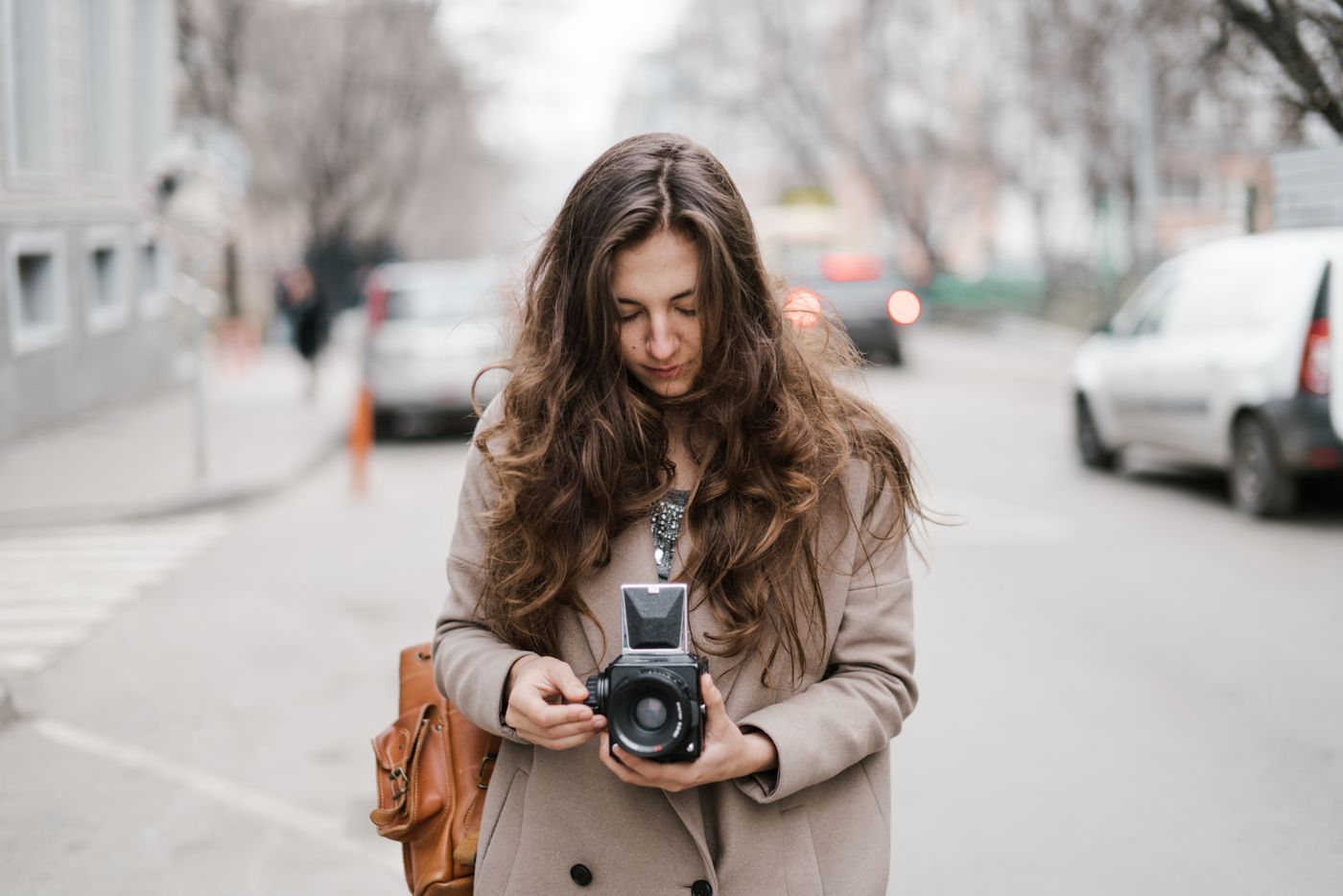
A photo walk does not require a distant destination or specialist equipment. Choose a small area you can navigate comfortably and give yourself one visual theme. Repeated circles, reflections, a particular colour or the meeting of old and new materials can all provide a starting point without prescribing every photograph.
Check the weather and any access or photography restrictions relevant to the place. Public visibility does not mean every location is open for entry, and private premises may set their own rules. Respect people who do not want to be photographed and avoid intrusive images of private situations.
Begin slowly. Look for the theme before raising the camera, and take a moment to consider the background and frame. Moving a little to one side may create a more useful image than taking many versions from the same position. Keep yourself out of traffic and do not step backwards without checking the space.
Try a few different scales: a wide view that establishes the setting, a middle distance and a close detail. This can produce variety without changing the theme. You need not force the pattern into every frame; an unexpected subject can become a note for another walk.
Put the camera or phone away while moving between stops when attention is needed. Stop somewhere appropriate to review images rather than standing in a doorway or narrow path. Equipment should support the walk, not make the surroundings less visible.
Edit a small selection afterwards
Choose a handful of photographs that show different aspects of the idea. Several nearly identical images may be useful while experimenting, but the final selection can be much smaller. Notice what drew you to the successful frames: light, shape, timing or a quiet background.
Keep editing proportionate to the purpose. A simple crop or adjustment may help communicate what you saw, but there is no need to make a casual walk resemble a professional assignment. Preserve original files appropriately before making irreversible changes.
Write down one thing to try next time, then leave the rest alone. The walk has already served a purpose if it changed what you noticed on a familiar route. A finished gallery or public post is optional, not the evidence required to prove the outing was worthwhile.