Plan a city walk with places to pause
Connect a few points of interest with a route that includes places to sit and sensible exits.
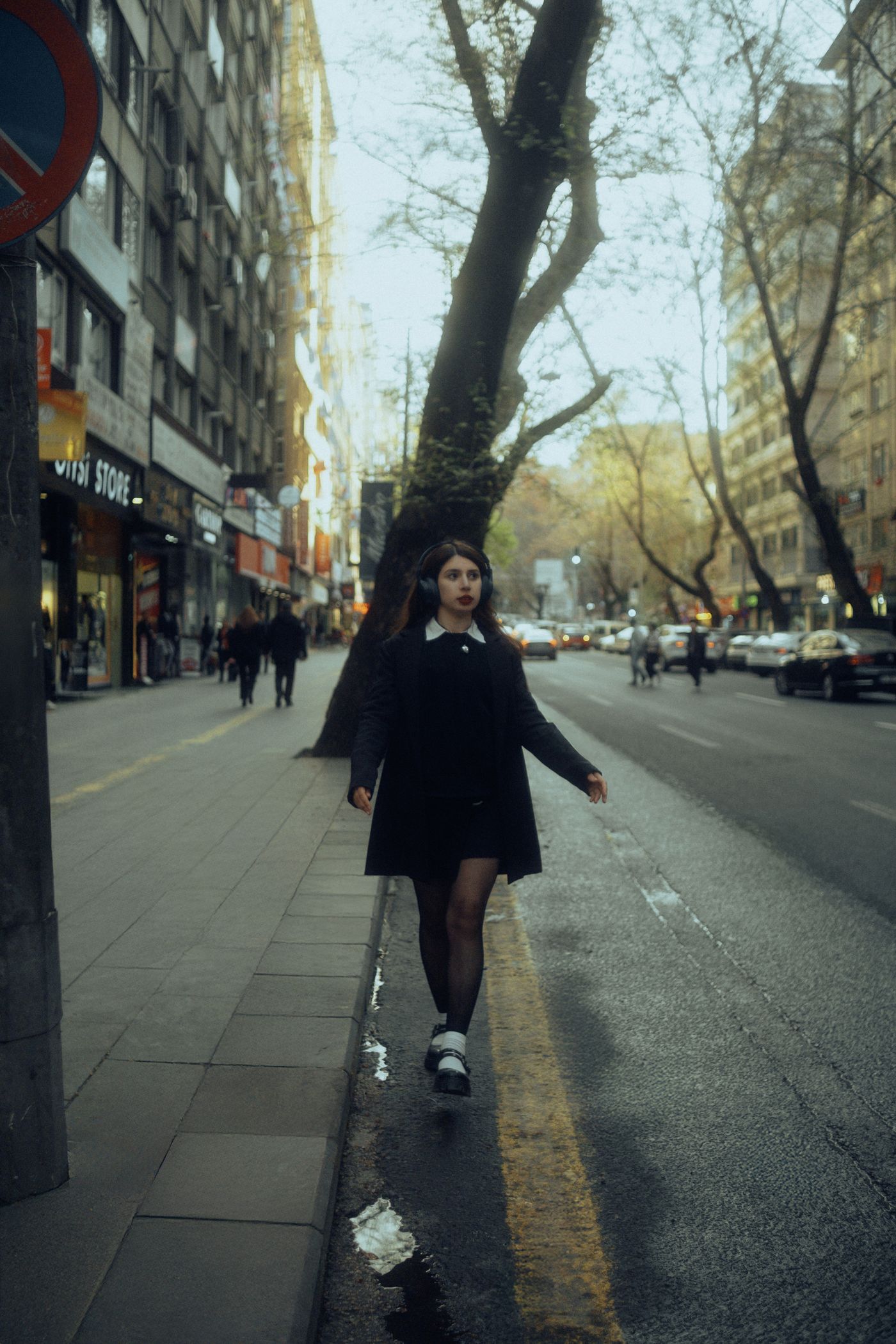
A city walk feels different when it is planned as a sequence of neighbourhoods rather than a line joining every famous sight. Choose a small area and a few things you want to notice: architecture, independent shops, public art or the relationship between streets and a river. The route can be interesting without covering the maximum distance.
Check the current map and relevant local information before leaving. Construction, events and access restrictions can change a route. Where accessibility matters, confirm surfaces, gradients and entrances with dependable local sources rather than assuming that a pedestrian route is step-free.
Put the pauses on the map
Identify somewhere to sit or have a drink before you are tired. A park bench, café or public space can provide a natural midpoint. Check opening arrangements when a particular stop is important, and keep an alternative nearby.
Think about crossings and busy sections as well as distance. A slightly longer route through calmer streets may be more pleasant than a direct road with constant traffic. Avoid reading your phone while crossing or walking into other people; stop somewhere appropriate to check directions.
Leave room to notice
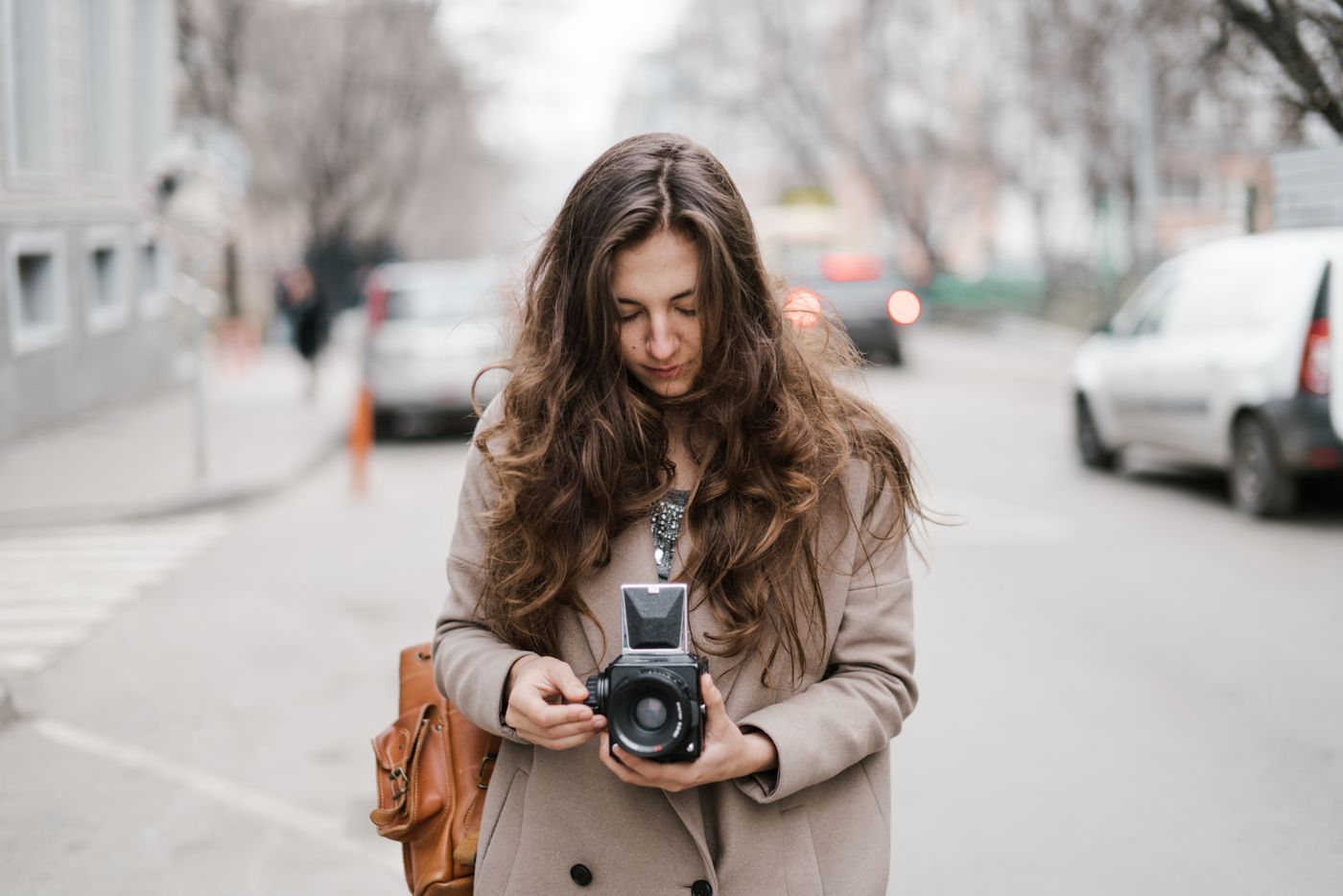
Choose a pace that allows you to look up. If photographing details, step aside without blocking doorways or pavements. Respect private homes and people who have not agreed to be photographed. A theme can help you notice repeated shapes or materials without turning the walk into a hunt for a required number of images.
With companions, agree on how much browsing is part of the plan. Some people enjoy entering every shop; others want to keep moving. A clear meeting place can allow a short independent pause when everyone is comfortable with that arrangement.
Know how to shorten the walk. A nearby transport stop or a simple route back gives flexibility if weather or energy changes. Do not make the final section depend on reaching a distant stop just as everyone wants to finish.
Afterwards, mark one area you would like to revisit rather than recording the walk only as a completed distance. Returning to a neighbourhood at another time can reveal more than continually seeking a new route across the entire city.