Choose a souvenir you will use or display
Choose an object with a role in your life, not merely proof that you visited somewhere.
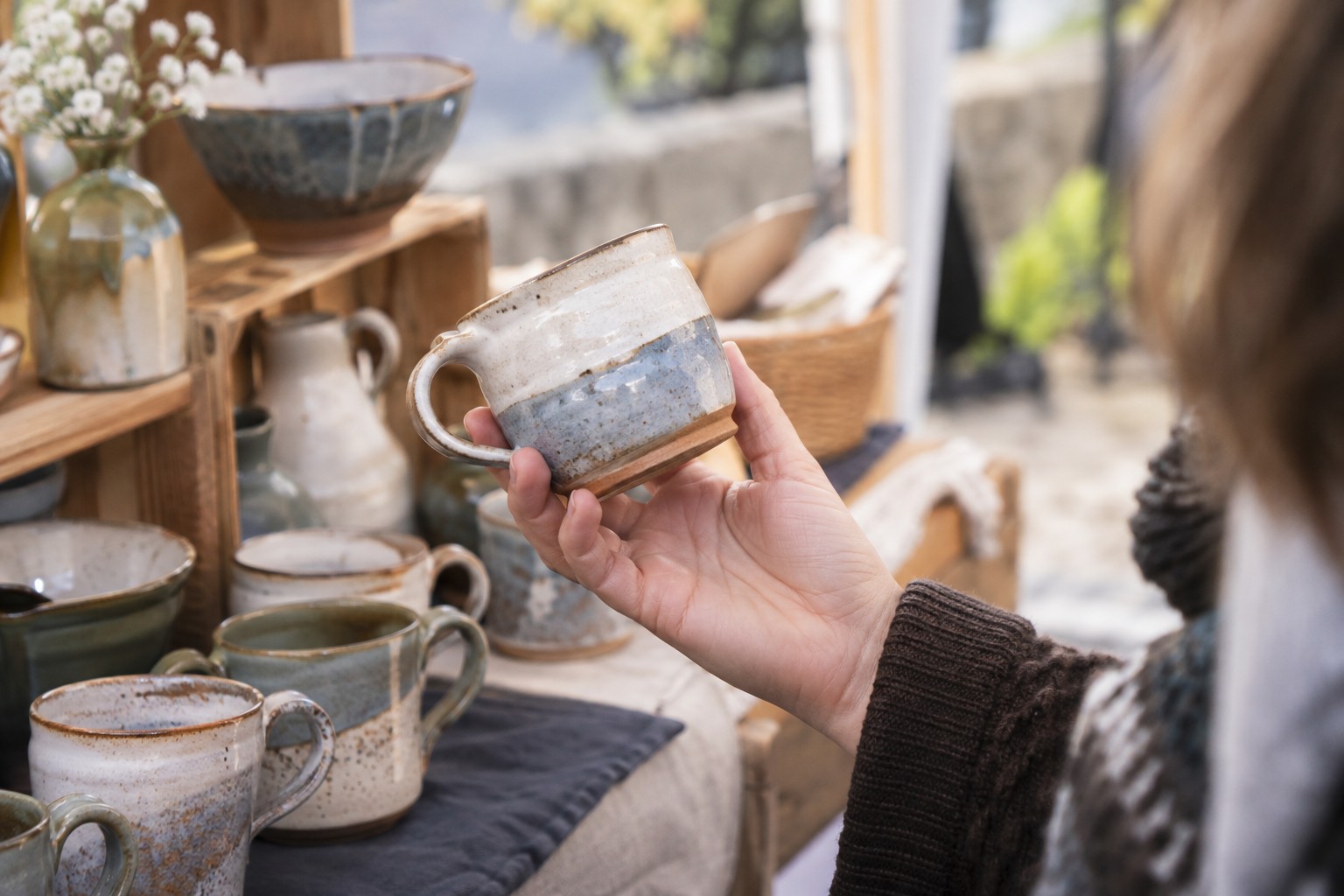
A souvenir often looks most appealing while you are still surrounded by the place it represents. Before buying, imagine it in your own home. Where would it go, how would you use it and would you still like it without the holiday setting? Those questions can distinguish a lasting connection from a momentary attraction.
Consider the size and transport first. A fragile bowl, large print or heavy book may need packaging and luggage space you do not have. Check applicable transport and import rules for materials or goods that could be restricted, using official information for your route rather than a seller's casual reassurance.
Look for a specific connection
A useful souvenir can reflect something you actually noticed or enjoyed: a small print of an exhibition, a notebook from a local maker or a food item you can lawfully transport and store. The connection matters more than whether the object carries the destination's name.
Ask about an item's origin when that is important to your choice. “Local style” does not necessarily mean locally made. Avoid assuming authenticity from packaging alone, and do not buy wildlife products, protected materials or objects of uncertain lawful origin.
Give the purchase a place
For a household object, compare it with what you already own. Another mug can be welcome if you enjoy using it, but not if it has no place beyond a crowded souvenir shelf. A replacement or a consumable item may fit better than an additional display object.
A gift for someone else should reflect their preferences rather than your desire to share every part of the trip. Consider whether it creates storage, dietary or care demands. A photograph and a story can sometimes convey the experience more naturally than an object the recipient does not need.
Allow yourself to leave without buying. A walk, a conversation or a favourite photograph can be the memory. If you remain undecided after stepping away from the shop, that pause is useful information rather than a missed opportunity.
When home, unpack the souvenir promptly and put it into use or display. An object left wrapped in a drawer has not yet found the role you imagined. The best choice is one that can belong to ordinary life while retaining its connection to the trip.