Use cloth napkins without making dinner formal
Choose a manageable fabric and a simple fold, then build care into the routine.
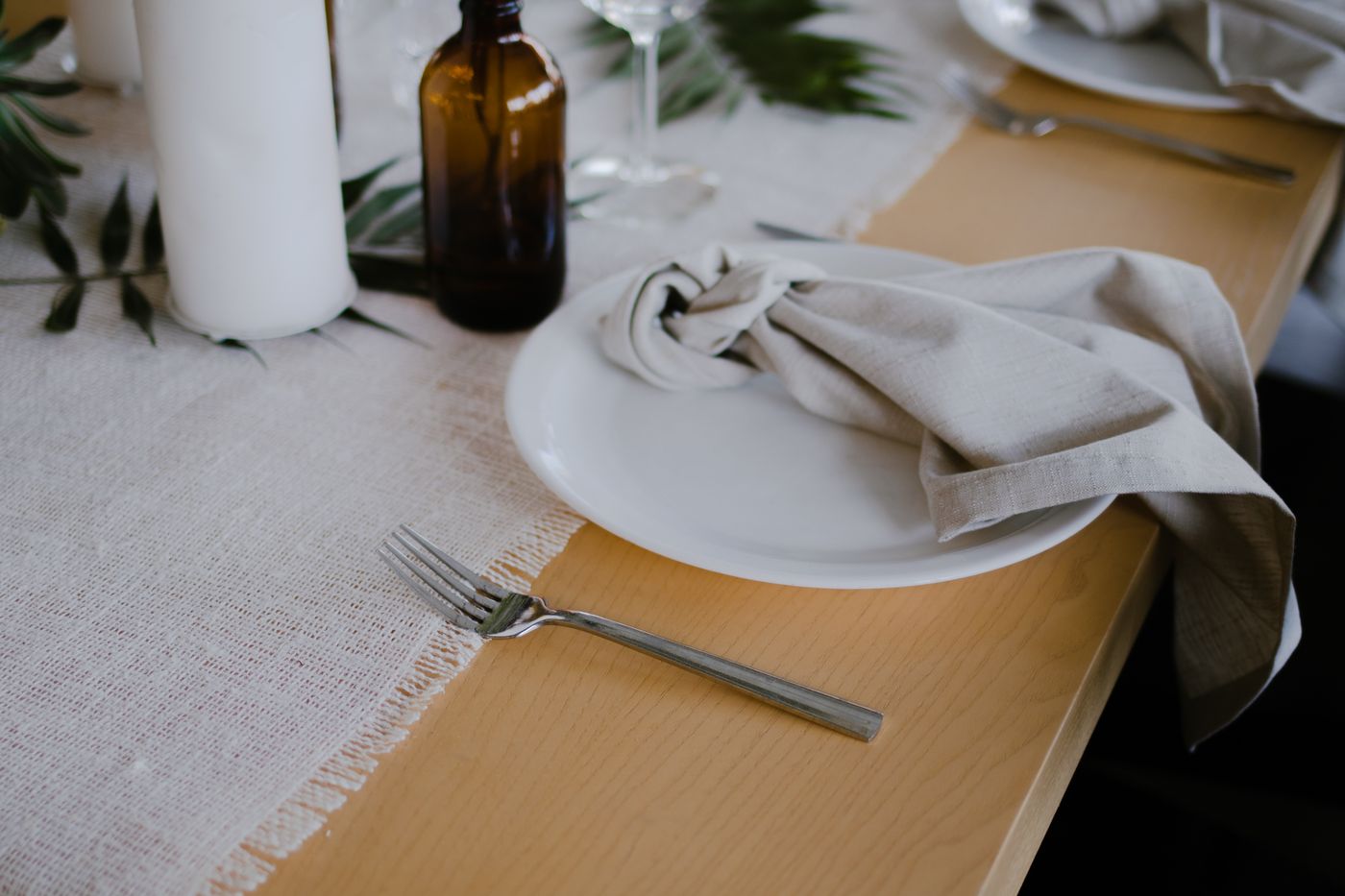
Cloth napkins can belong at an ordinary supper just as easily as a celebration. The useful question is whether you are happy to wash and store them, not whether the meal is important enough. Begin with a small set that suits your table and laundry habits rather than buying a large collection for an imagined future occasion.
Pick for use, not just appearance
Feel the fabric and check its care label. A napkin should be comfortable to use and substantial enough for the meal. A delicate fabric that needs special treatment may be less convenient for frequent family dinners than one that fits your normal wash routine. Colour and pattern can make marks less noticeable, but they do not remove the need to clean the fabric properly.
Consider size in relation to your plates and place settings. An oversized napkin can be folded down, but a very small decorative square may not be useful at dinner. If you are buying online, check dimensions rather than judging scale from a styled photograph.
Keep the presentation easy
A rectangle or a loose fold beside the plate is enough. You do not need a napkin ring unless you enjoy using one. If you mix colours, repeat them around the table or keep the rest of the setting simple. Avoid a fold that guests have to dismantle before they can begin eating.
For everyday use, store clean napkins where you set the table. A shallow drawer or basket can be more useful than keeping them with special-occasion linens in another room. Keep them separate from cleaning cloths so their purpose remains clear.
Have a plan for the used ones
After the meal, separate napkins that need stain attention and follow the fabric's care instructions. Identify the mark before applying a treatment, test products where appropriate and avoid assuming one method suits every material. Do not put a stained napkin through a hot drying cycle before checking whether the mark remains.
Dry and fold the napkins fully before storing them. If you like a pressed finish, set aside a short session to do several together. If you prefer a relaxed appearance, choose a fabric whose natural texture you enjoy. There is no need to turn every meal into an ironing project.
Keep the number of napkins realistic. Enough for the people eating and the interval between laundry loads is more useful than a drawer full of rarely used sets. Once the routine works, add extras for guests if you need them. A cloth napkin becomes an everyday item through convenience, not through an elaborate table setting.