Pack a picnic so food and tableware travel well
Separate the cold food from the things you need to reach along the way.
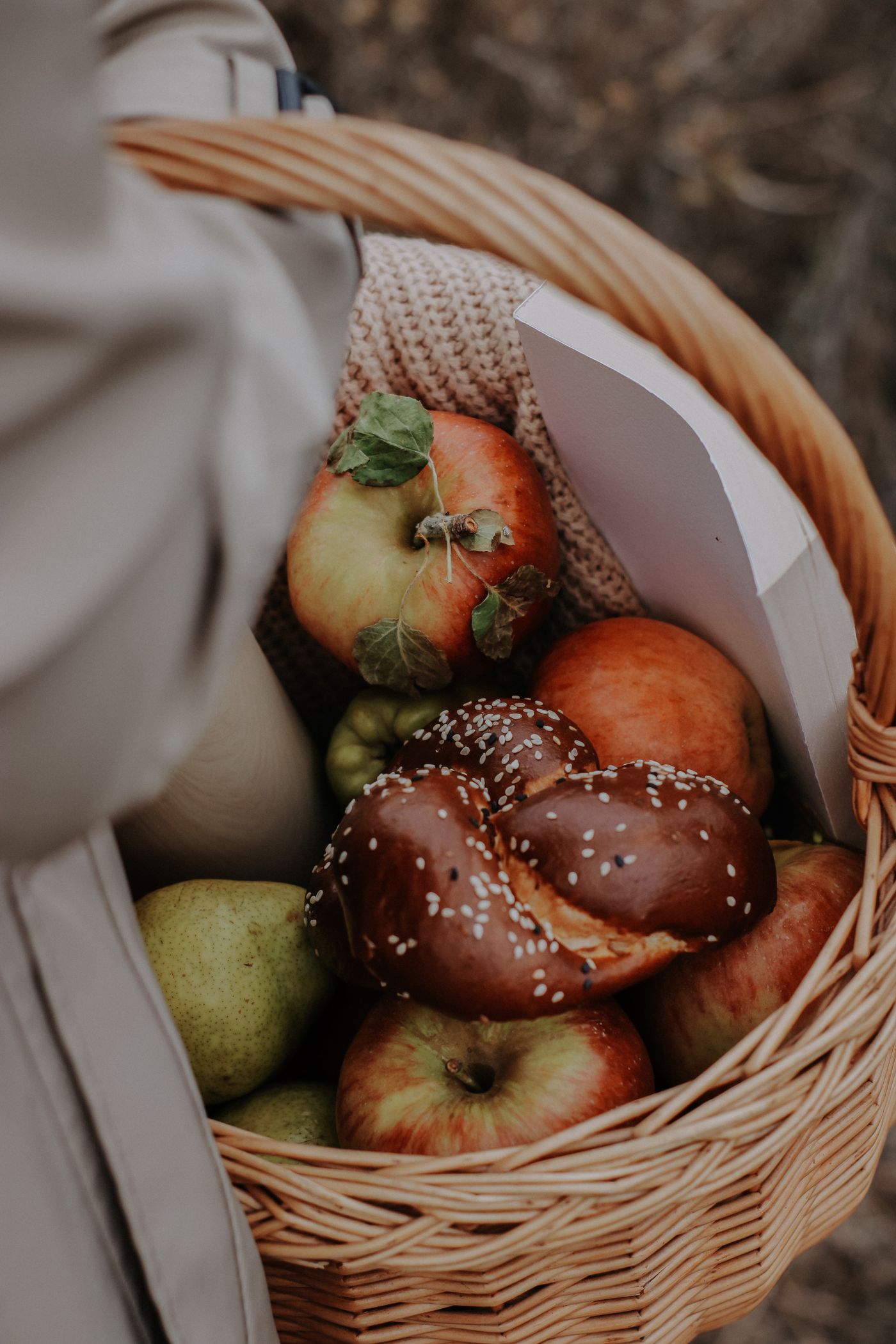
Pack a picnic in the order you will use it. A blanket buried beneath lunch is inconvenient when you arrive at damp ground, while cutlery hidden in a food container means opening the cool bag before you need to. Lay everything out first and divide it into eating equipment, food and the items needed for the journey.
Give cold food its own space
Use an insulated container with enough ice or frozen packs to keep perishable food safely cold. Pack it close to departure, minimise opening and keep it out of direct sun. A bag that feels cool on the outside does not establish the temperature of the food inside; a suitable thermometer gives better information.
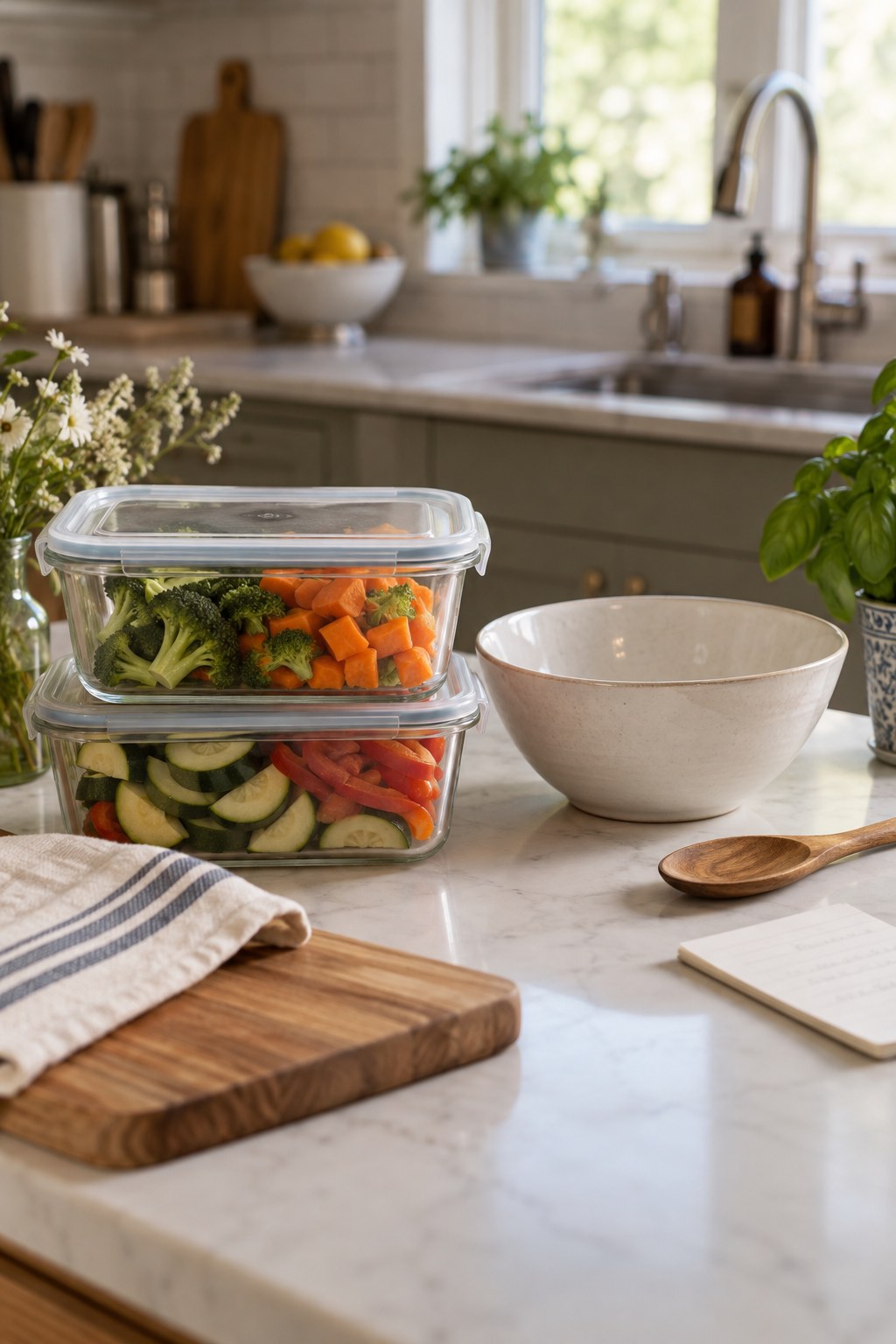
Choose containers that seal properly and fit the bag without being forced. Put fragile food where it will not be crushed, and keep sauces separate if they would make bread or salad soggy. Avoid glass when breakage would be difficult to manage. Check that reusable containers are intended for the temperatures and foods you plan to put in them.
Make the eating kit self-contained
Pack plates or bowls that suit the menu, enough cutlery, napkins and a serving utensil for each shared dish. A small board can be useful if something needs cutting, but food that arrives ready to serve often makes a picnic simpler. Bring drinking water and a way to clean hands appropriate to the location.
Put the blanket or seats where they can be reached first. Add a separate bag for rubbish and another for used utensils or leaking containers. This keeps the return journey from mixing dirty items with anything still clean. Check local rules about waste, fires and access before you leave rather than assuming every green space has the same facilities.
Plan the meal for the outing
A picnic reached by a short walk from home has different carrying demands from one taken on a train and a long walk. Choose a load you can carry comfortably, and reduce the menu before compromising the cold-storage space. A few foods that travel well are more useful than many delicate components.
Keep track of how long perishables are outside temperature control. USDA guidance uses a two-hour limit at ordinary room temperatures and one hour above 90°F; food that has exceeded safe limits should be discarded. Returning it to the fridge later does not reset that history.
Before leaving the spot, look beneath the blanket and around the seating area for small pieces of packaging. Back at home, unpack promptly, wash the equipment and dry the insulated bag before storing it. A ready-to-use picnic kit makes the next outing easier than a basket put away with yesterday's crumbs.