Coordinate a potluck without duplicating every dish
Agree on the meal's shape, then let people choose within it.
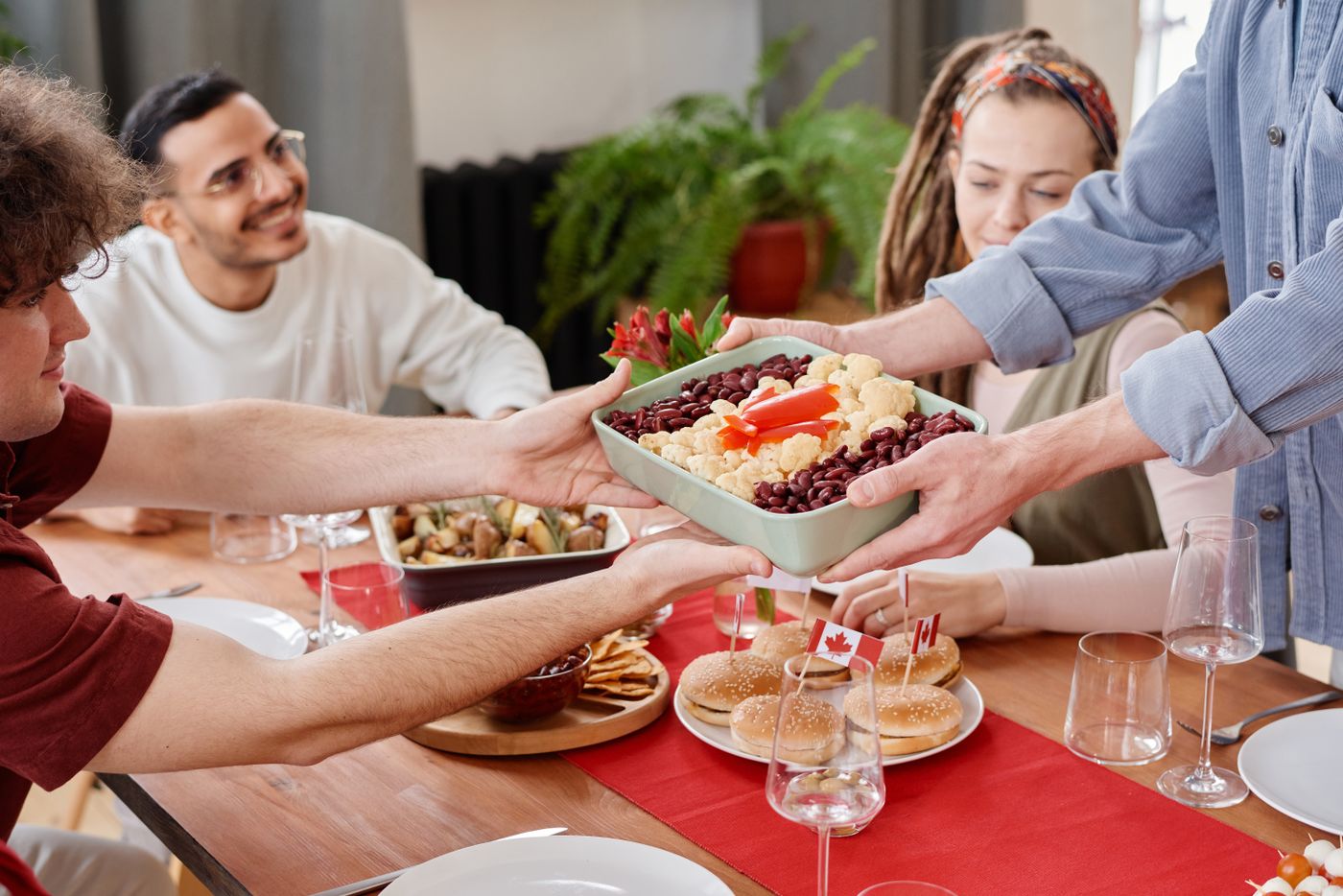
A potluck can become a meal of six salads and no serving spoons if everyone makes plans independently. A little coordination protects the shared effort without telling every guest exactly what to cook. Start with the number of people, the setting and whether the food will be a full meal or something to accompany another activity.
Divide the meal into useful roles
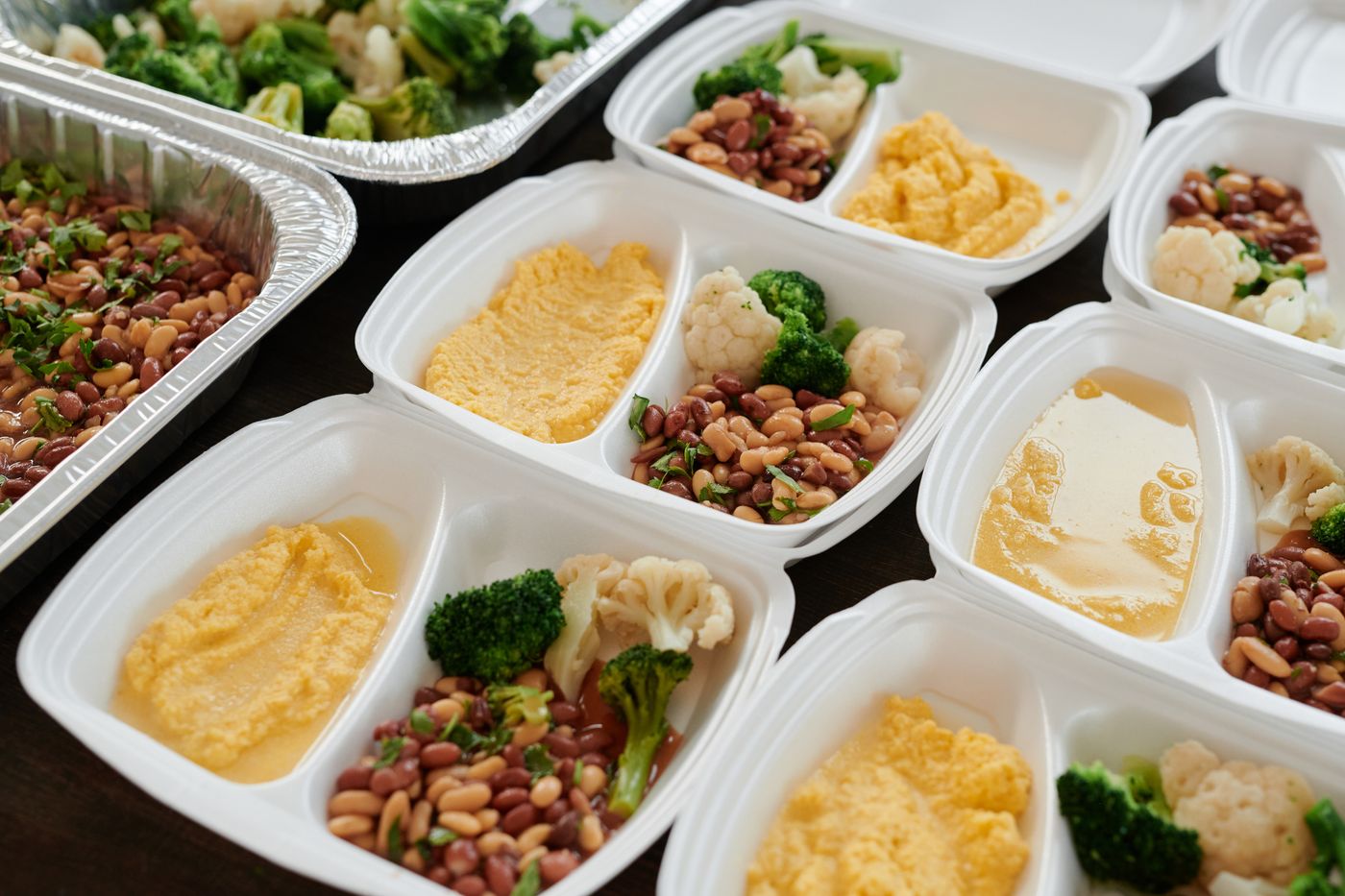
Identify the main dish, substantial accompaniments, vegetables, bread, dessert and drinks. The categories can be loose; the point is to notice what is missing. Ask guests what they would like to bring and confirm it in one shared message or list. Keep that list updated so a late addition does not unknowingly duplicate the part already covered.
Ask about dietary requirements early and pass along relevant information without making promises on someone else's behalf. The person preparing a dish should be able to describe its ingredients. Labels and separate serving utensils help, but a shared table may not be suitable for every allergy requirement without additional precautions.
Discuss the kitchen before the menu is final
Find out whether dishes will arrive ready to serve, need chilling or require oven time. Several guests bringing something that needs the same oven temperature at once can create a problem even when the menu looks balanced. Be clear about the space you can offer rather than improvising when hot dishes arrive.
Ask each person to bring the utensil their dish needs and to choose a container they can transport safely. A name on the underside of a dish makes returning it easier. If something must stay at a controlled temperature, agree how that will happen during transport and serving; a covered container alone is not temperature control.
Make arrival straightforward
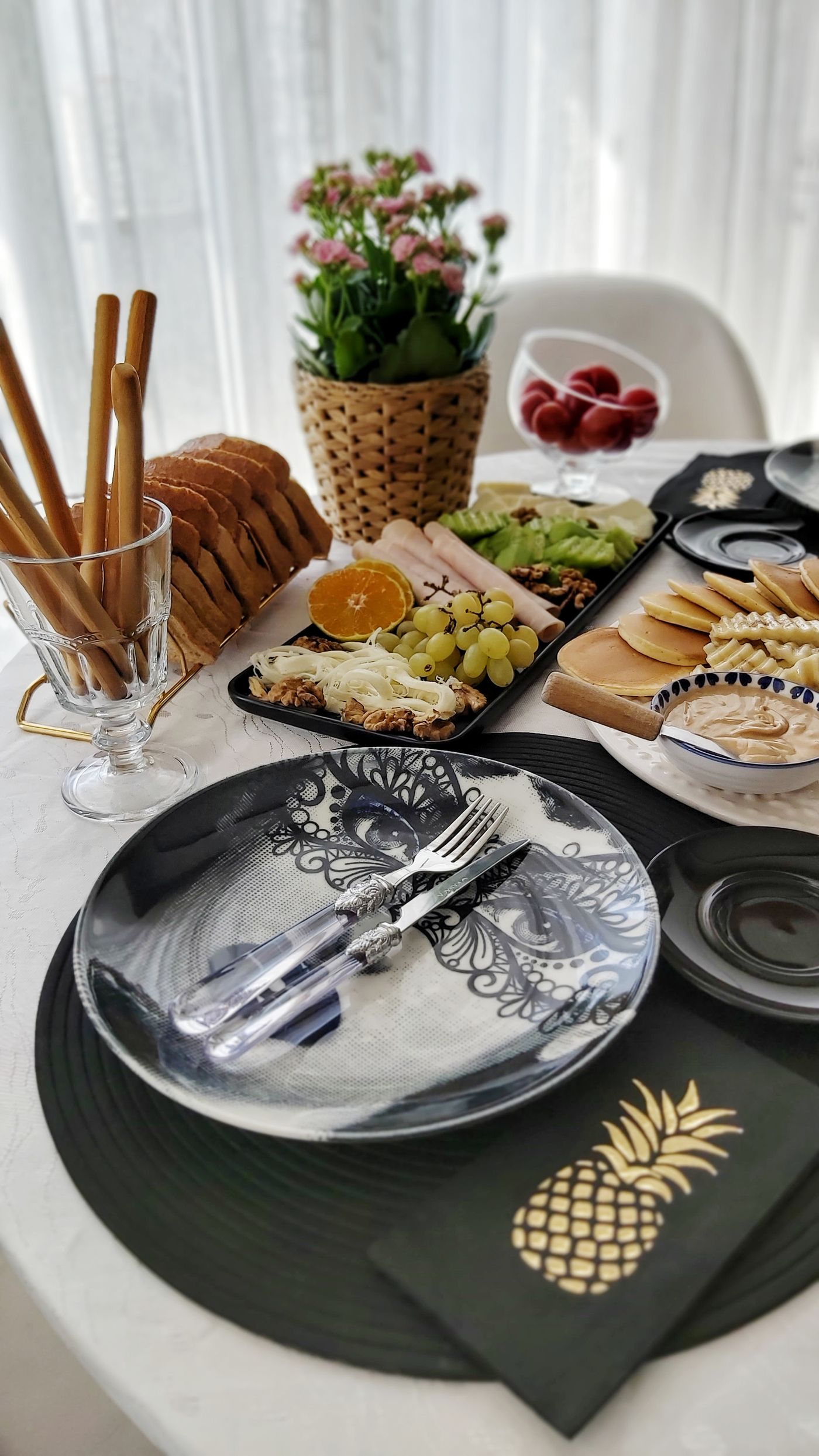
Clear a landing surface and show guests where their food belongs. Put a note beside each dish with its name and the preparer's ingredient information. Keep the serving route clear, especially if people are arriving at different times. A late dish should have a place without requiring the whole table to be rebuilt.
The host can contribute the pieces that are difficult to divide: water, rubbish arrangements, plates and a plan for used dishes. Those jobs count as part of the meal. If someone prefers not to cook, offering a non-cooking contribution is more useful than making them feel that a bought item is less welcome.
Before the evening ends, decide what happens to remaining food and containers. Only pack food that has been handled safely, and make its storage needs clear. Return dishes clean when possible or arrange an easy handover. The aim is for each contribution to fit into a shared meal rather than create a new set of tasks for the host afterwards.
Give the plan a useful level of detail
A message that says “bring a side” still leaves a lot unresolved. A more useful agreement might be a cold vegetable side for six, ready to serve, arriving in its own bowl with a spoon. Another guest could bring bread, while the host handles the hot main. This is enough detail to prevent three people arriving with dishes that all need the oven at once, without prescribing every ingredient.
Ask contributors to tell you if their dish needs chilling, reheating or last-minute assembly. Estimate the actual refrigerator space before saying yes to several large trays. An insulated carrier protects food during transport only when used appropriately; it does not create extra safe holding time after arrival. If the kitchen cannot accommodate the menu, change the dishes rather than hoping space will appear.
Keep a simple written list of who owns each serving dish and utensil if several look alike. A removable label on the underside can save awkward messages later. Decide whether leftovers will stay with the host or return with the contributor, and have suitable containers ready. Guests should not have to carry a leaking open bowl home because the meal ended with more food than expected.