Make a leftover plan before hosting a meal
Clear storage space and choose containers before the first guest arrives.
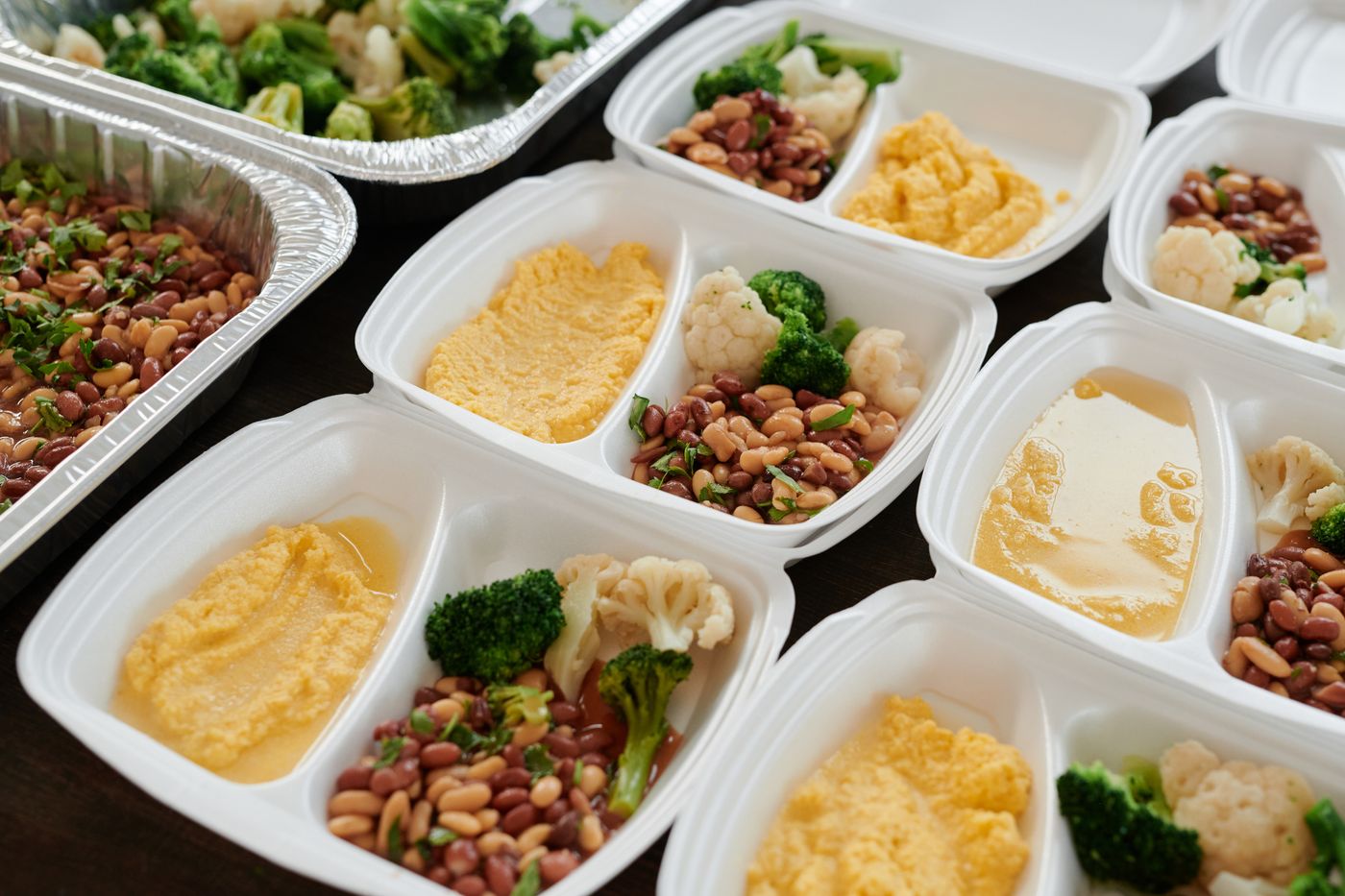
Leftovers are easier to handle when they are part of the plan rather than an afterthought at the end of a long evening. Before cooking, look at the storage space available and decide what you would realistically eat again. A large quantity of food is not useful if there is nowhere to chill it safely or no meal in which you expect to use it.
Make room before filling it
Clear a section of the fridge and gather clean containers with suitable lids. Shallow containers can make dividing food easier than trying to store a whole serving dish. Keep labels or a pen nearby so the contents and preparation date are recorded while you still remember them.
Cook quantities that suit the guest list and the role of each dish. If you deliberately want extra portions, set them aside safely before the meal rather than counting on food that has spent the evening on a shared table. A planned extra serving has a clearer history than a dish that has been repeatedly handled.
Separate food history from appearance
Whether food can be kept depends on how it was cooked, served and stored, not just whether it looks appealing. Do not taste something to decide whether unsafe holding has made it risky. If you cannot establish that a perishable dish stayed within safe limits, discarding it is preferable to inventing a new use for it.
The Food Standards Agency advises cooling cooked food promptly and refrigerating it within one to two hours, with the fridge at 5°C or below. Its household guidance recommends using leftovers within 48 hours or freezing them. Reheat only what you need and follow the relevant guidance for the food, including any more specific restrictions.
Choose the next use while the meal is fresh in mind
A small amount of roasted vegetables might become part of lunch, while a portion of soup can be a complete meal. Write that plan on a note if it helps. Avoid combining unrelated leftovers simply to empty containers; the result should still be something you want to eat.
If guests take food home, tell them what it is and how it has been stored. Consider their journey and whether they can keep it at a safe temperature. A takeaway box is not a reason to extend food's safe time outside refrigeration. Do not send home a dish you would not consider safe to keep yourself.
After the gathering, put food away before tackling decorative details or washing every glass. The next day, review what remains and use the earliest-priority items first. A successful leftover plan reduces both waste and uncertainty: you know what the food is, where it came from and when you intend to eat it.