Plan a brunch you can enjoy with your guests
Choose a menu by what happens in the final half hour, not by how many dishes look appealing.
Brunch becomes difficult when every part of it needs the same pan at the same moment. Eggs, toast, coffee and a warm dish can each be straightforward on their own, yet create a queue when several people arrive together. Start by imagining the half hour around arrival. The best menu for your kitchen leaves enough attention to welcome people and show them where to put their coats.
Choose one thing to finish hot
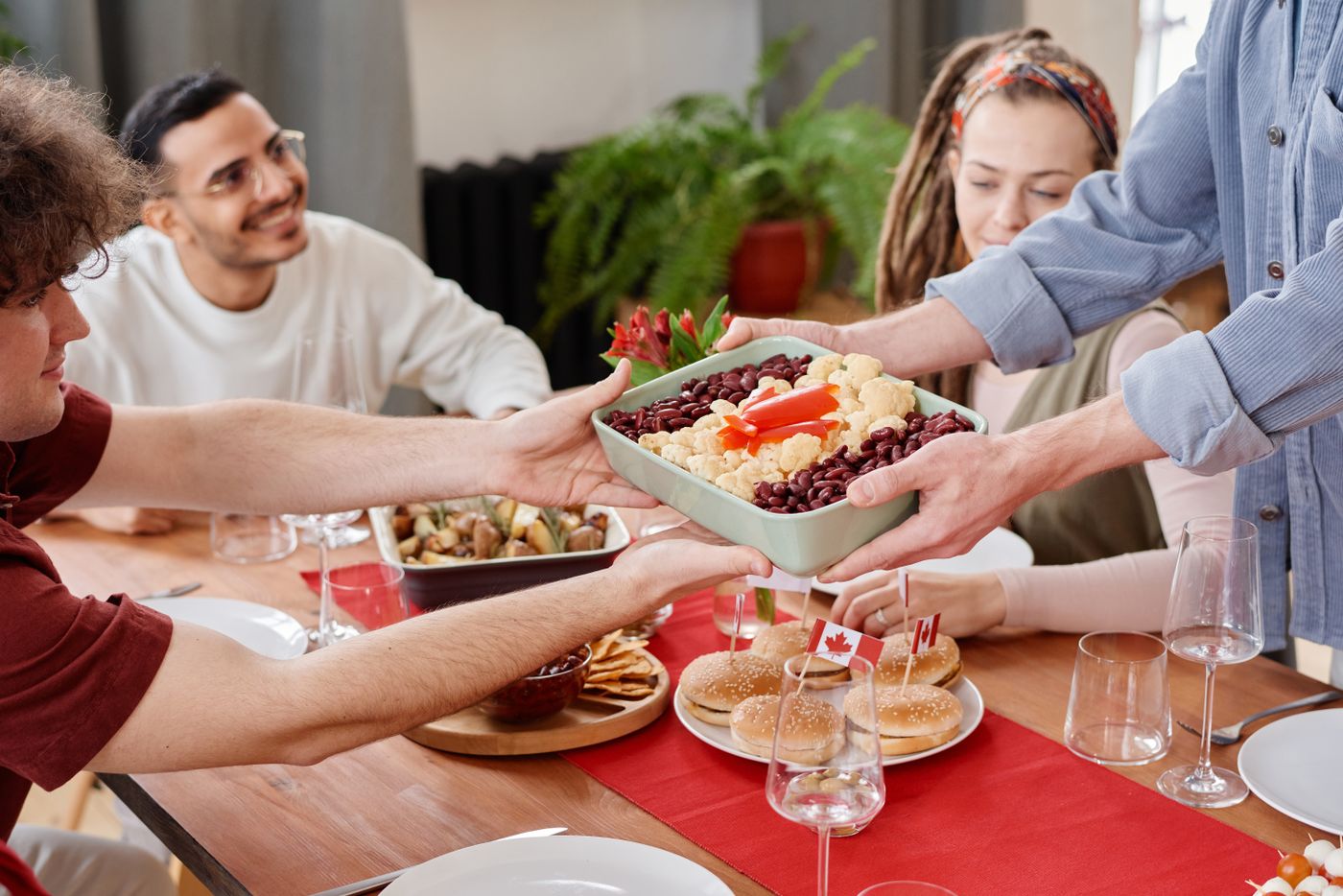
Give one dish the starring role and let the rest support it. If you want to make pancakes to order, pair them with prepared fruit and a cold accompaniment rather than another stovetop dish. If a baked dish is the centre of the meal, set out bread and a simple salad while it finishes. More choice is not always more generous when it leaves the host cooking in separate rounds.
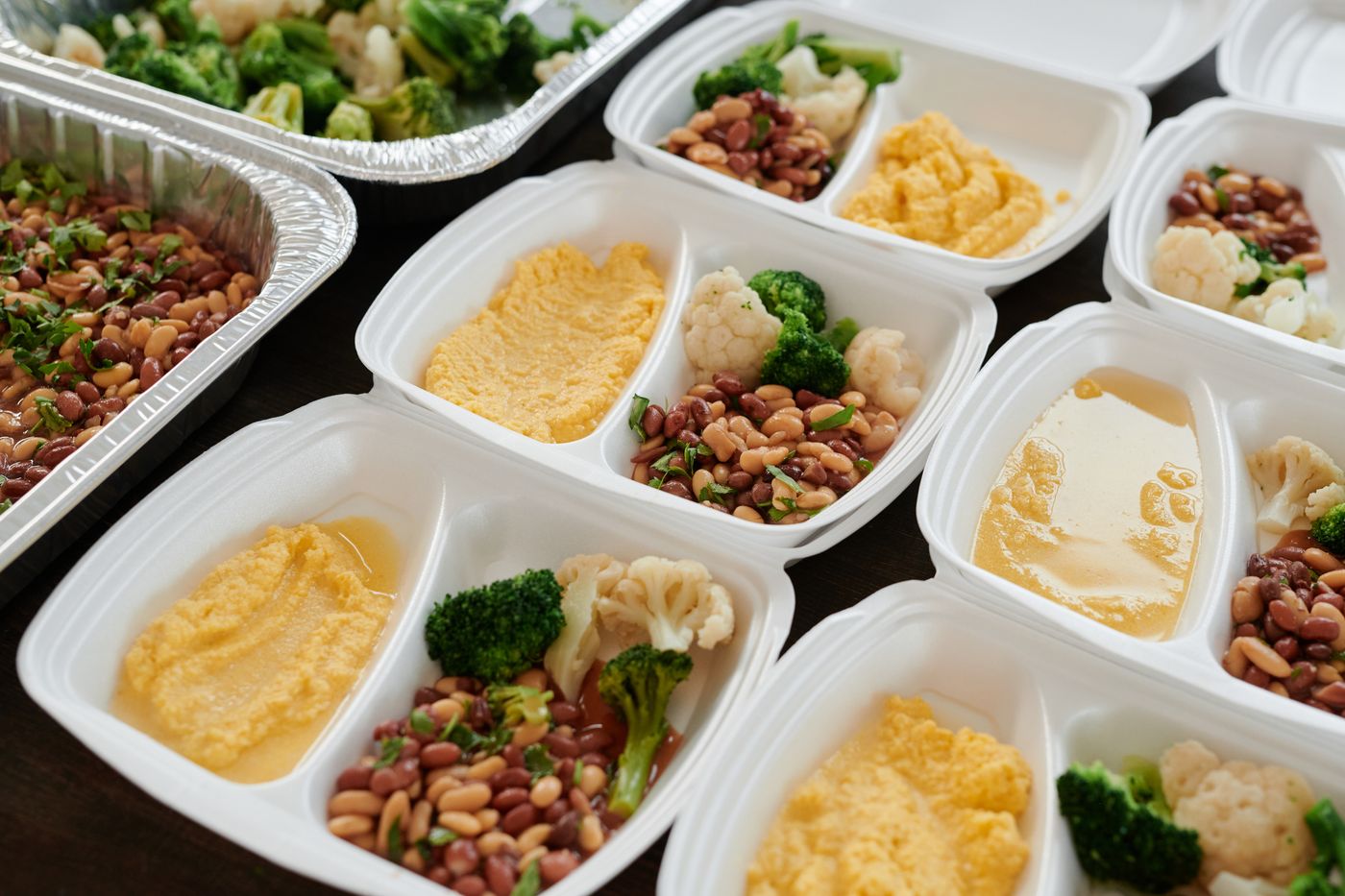
Ask about dietary requirements before deciding the menu. Keep packaging for bought ingredients so you can answer questions accurately, and do not promise an allergen-free meal if your kitchen cannot provide that assurance. A guest should not have to work out which dish is suitable while everyone else begins eating.
Separate preparation from presentation
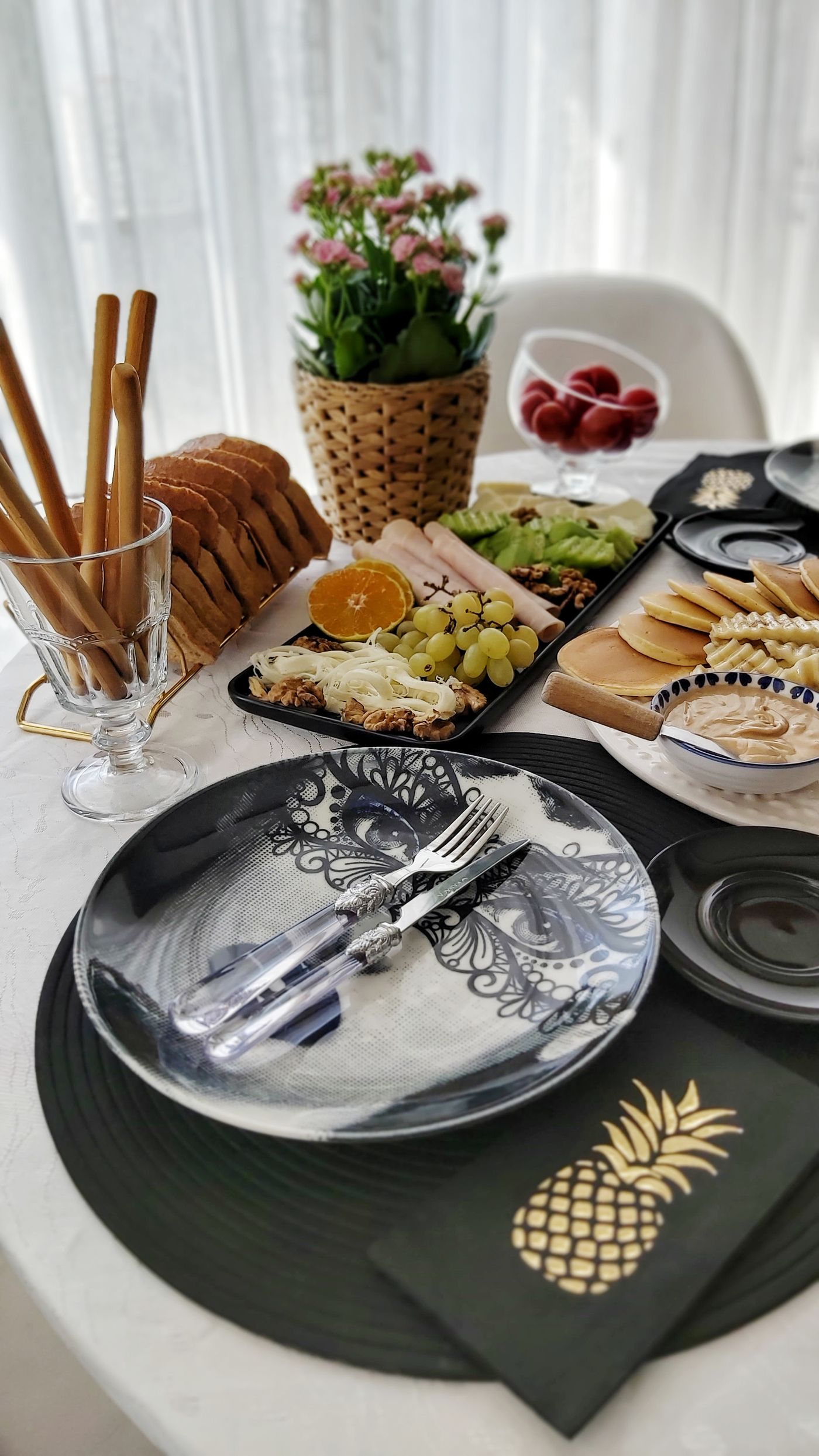
Set the table and gather serving utensils before you begin cooking. Put a spoon beside the yoghurt bowl, a knife beside the loaf and a clean board where bread will be cut. These details remove small interruptions. Prepare what can be prepared safely ahead, but leave delicate assembly until closer to serving so bread does not become wet and fruit stays appealing.
Think about coffee as its own task. A small machine that makes one cup at a time can occupy someone for much of the opening conversation. Offer water immediately, make the first round of hot drinks simple and let guests know when another pot will be ready. Keep a place for used cups so the preparation counter does not disappear beneath them.
Let the gathering have a shape
Tell people whether brunch is a seated meal or a flexible drop-in. A suggested arrival time helps you judge when to finish the hot dish. For a longer gathering, serve small portions and replenish from safely stored food rather than putting everything out at the start. Follow appropriate temperature and time guidance for perishable dishes; an attractive table is not a substitute for safe holding.
Clear enough room in the kitchen for the first wave of used plates. You do not need to wash everything while people are still talking, but scraping and stacking in one place prevents a crowded room from feeling chaotic. After the meal, offer another drink and sit down. A menu is successful when it makes that possible.