Host dinner when your dining space is small
Work backwards from the seats, serving surfaces and kitchen space you actually have.
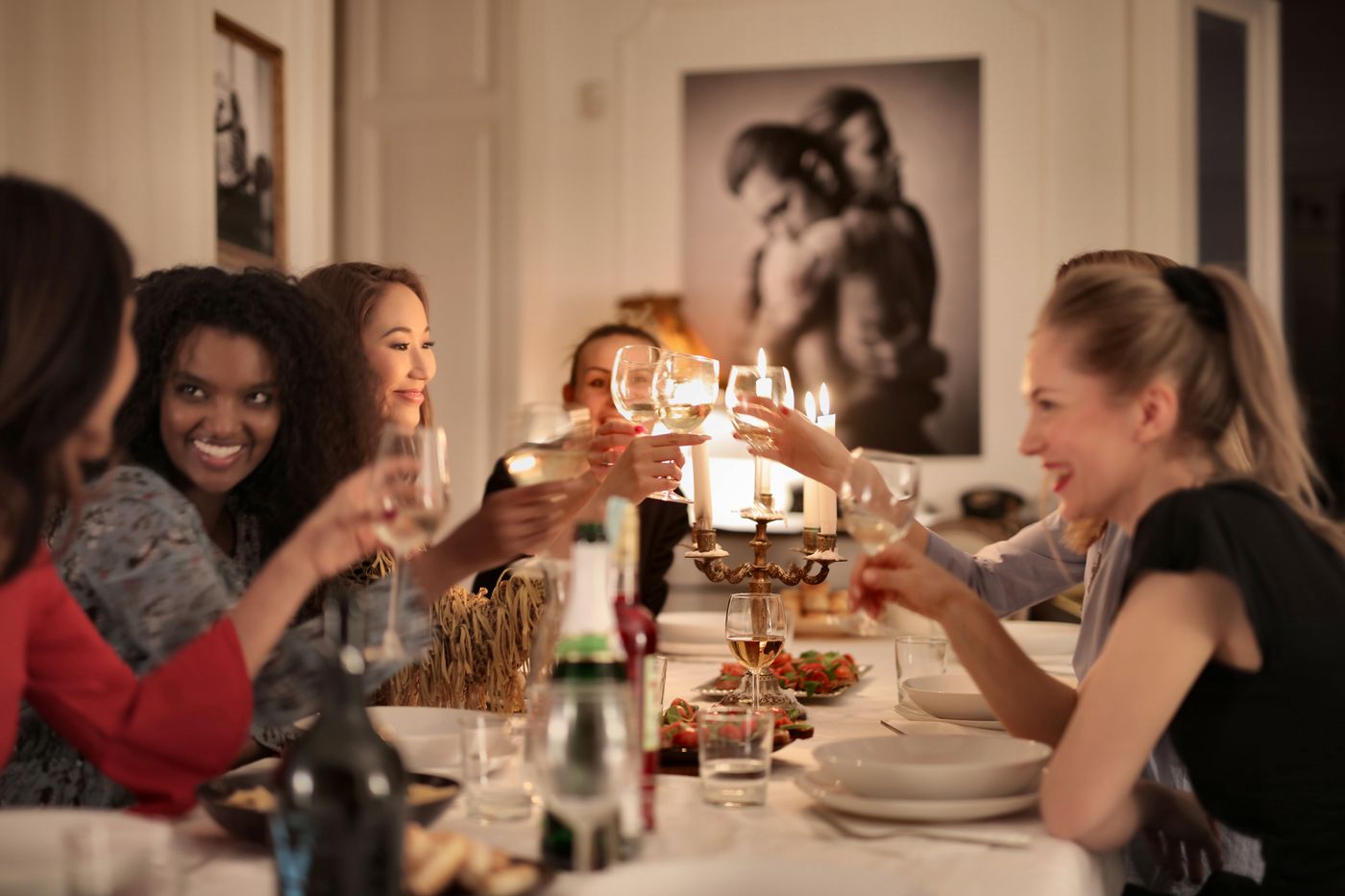
A small dining area can hold a generous evening without holding a large guest list. Before planning a menu, put the chairs around the table and sit in each position. Check that people can pull a chair out and that someone carrying a plate can move through the room. The number printed on a furniture description is less useful than the arrangement in your home.
Make serving space before adding decoration
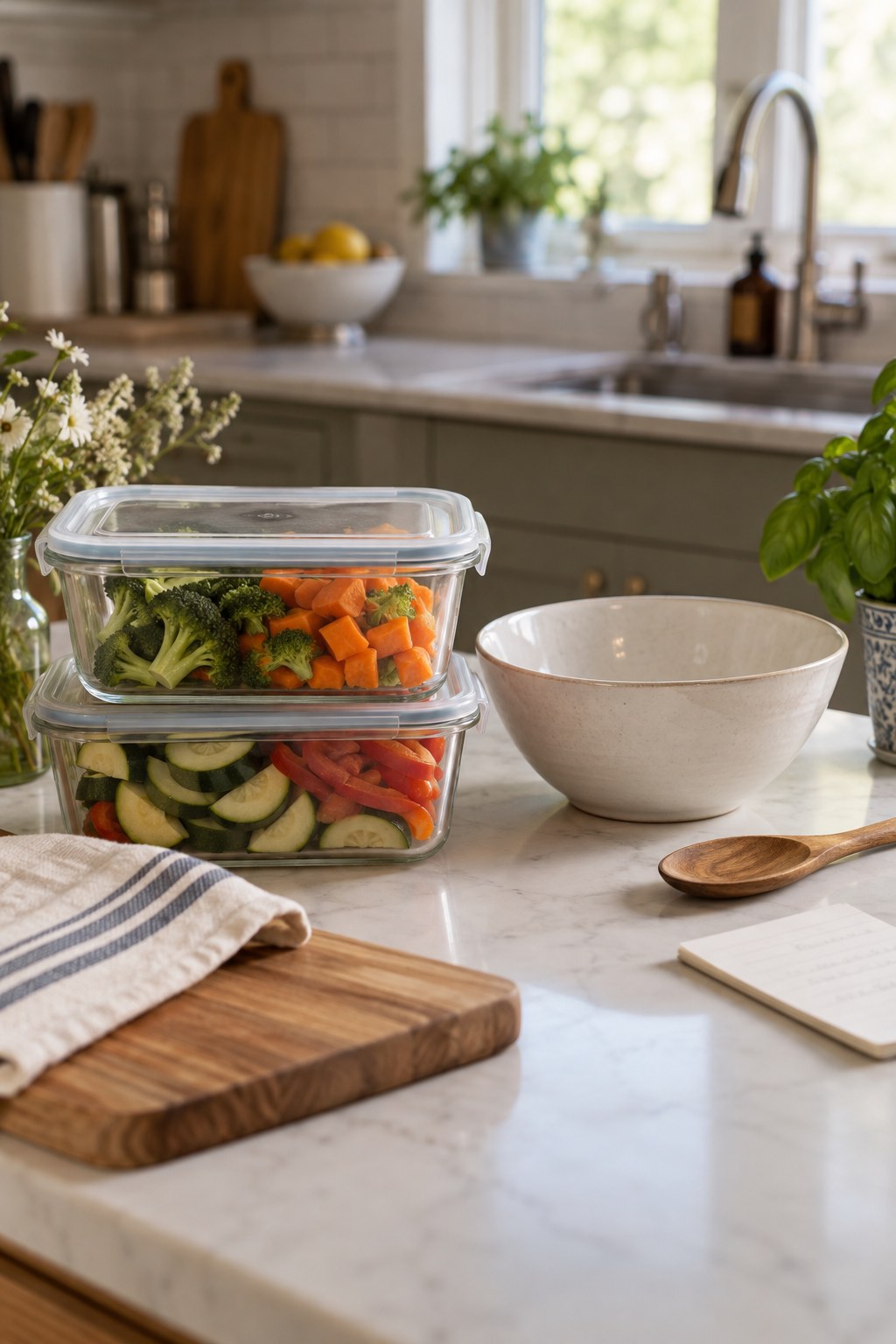
Set out empty dinner plates, glasses and the serving dishes you expect to use. If there is no space for a dish, decide whether it belongs on a nearby counter or whether you will plate that course in the kitchen. Do this with real objects rather than assuming everything will fit once the food is ready.
Choose a centrepiece that stays below conversation level and does not occupy the only useful patch of table. A small vase may be enough. You can move it elsewhere when dinner arrives. Keep candles away from sleeves, paper and other flammable objects; an unlit arrangement or battery light avoids adding an open flame to a crowded surface.
Reduce movements between rooms
A dish that can be served from one bowl often creates less traffic than several components finished separately. That does not mean every small dinner must be a one-pot meal. It means choosing the service method deliberately. A plated starter followed by a shared main can work well if you have a place to assemble those starter plates.
Put water within reach and keep extra glasses nearby. If drinks are prepared in the same narrow kitchen area as the food, invite guests to get settled rather than encouraging everyone to gather beside the cooker. A temporary drinks tray in the living room can give the evening a second centre without requiring another piece of furniture.
Consider where bags and coats will go before guests arrive. A chair needed for dinner should not become the coat rack. Clear a specific place and point it out at the door. For anyone who needs a more accessible seat or route, arrange that in advance rather than expecting them to squeeze around the table.
Know what you can leave until later
Prepare a landing place for used dishes so you are not trying to restore the whole kitchen between courses. Keep the sink usable for necessary food preparation and handwashing. If there is no room to stack plates safely, fewer courses and fewer pieces of tableware may make the evening easier.
When dinner is over, moving to another seating area can release the table without making guests feel they must leave. If the table is also the only place to sit, clear the large serving dishes and bring out one shared dessert or a pot of tea. Space feels more welcoming when it supports the gathering rather than constantly being rearranged around it.
Try a six-place rehearsal
Suppose your table normally seats four and you want to invite two more people. Add the actual extra chairs, not imaginary narrow ones. Lay six place settings and put an empty serving bowl in the middle. Then walk from the kitchen to the furthest seat with a tray. If you must ask someone to stand up each time, consider a smaller invitation or a meal served from the kitchen. It is better to discover the limit while the table is empty.
Check chair heights as well as widths. A low occasional chair can leave a guest reaching upwards to eat, while a tall stool may not fit beneath the table. Borrowing suitable chairs can help, but do not turn unstable boxes or storage furniture into improvised seats. The arrangement needs to work for an entire meal, not just a photograph.
A compact room also changes sound and temperature. Keep music quiet enough that the nearest people do not have to speak over it, and plan how to ventilate the room without putting someone directly in a draught. These are useful adjustments to make before guests settle in, when moving a chair or opening a different window is still easy.