Set a table with mismatched plates
Repeat one detail and let the differences look deliberate.
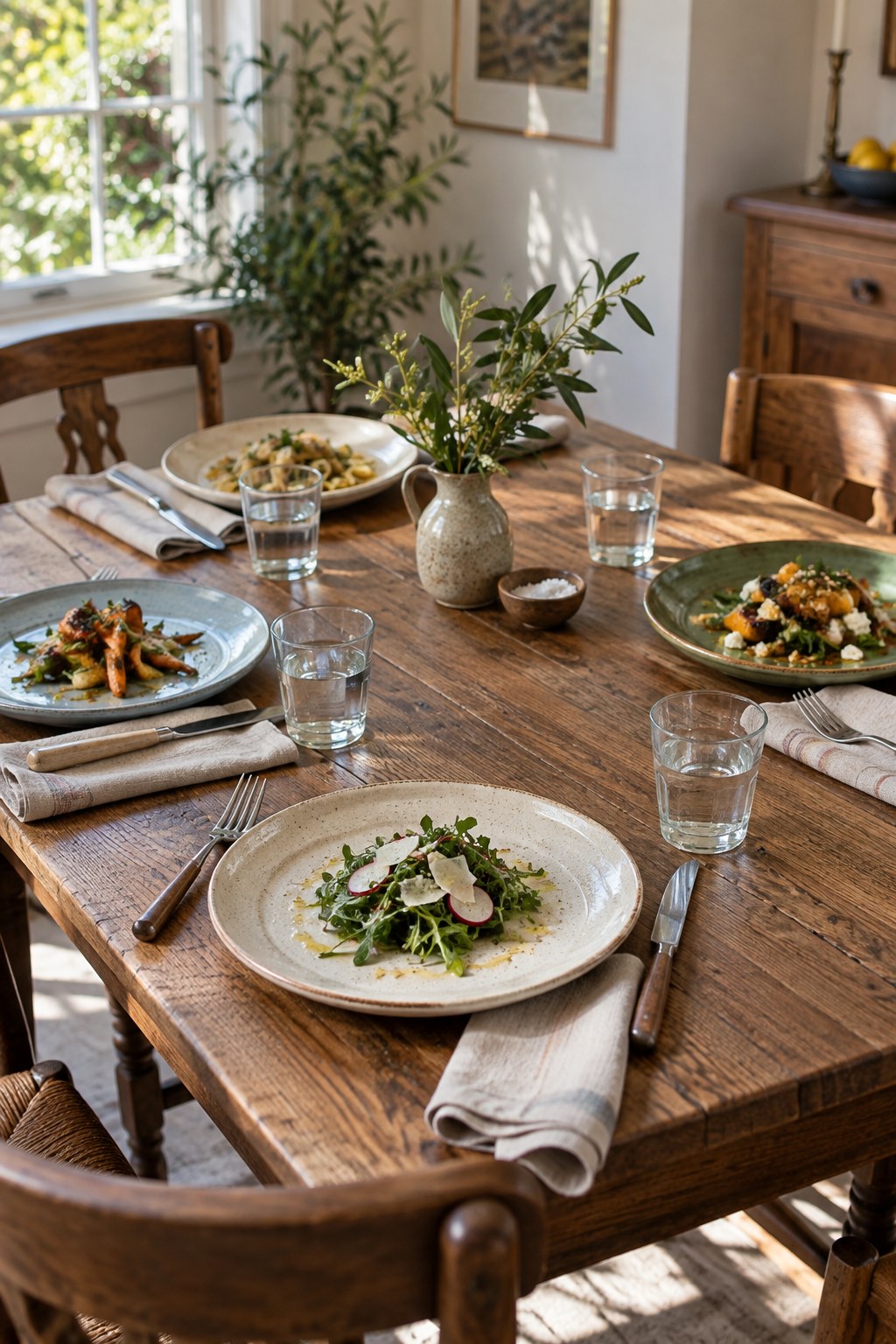
A table does not need a complete matching service to feel coherent. Plates collected at different times can work together if you give them a little structure. Start by laying out what you own, including the less frequently used pieces, and separate the practical decisions from the decorative ones. Every guest needs a plate that suits the food before the pattern matters.
Choose the detail that repeats
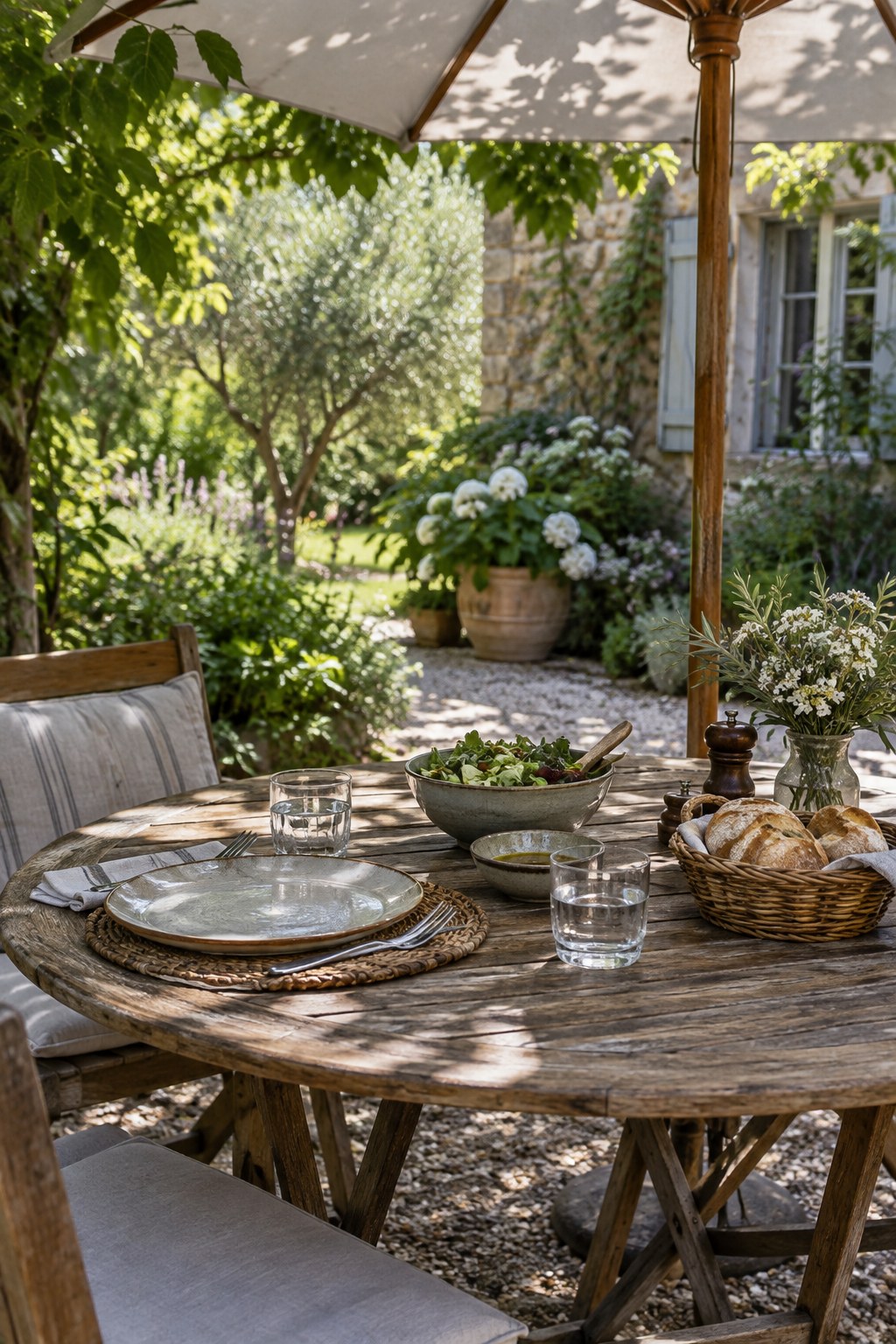
Look for one shared feature: a similar background colour, a repeated blue detail, a plain rim or roughly comparable scale. You do not need all of them. If every plate has a different pattern, a consistent napkin colour can provide the connection. If the plates are mostly plain, a patterned cloth might be the element that brings the table together.
Try the arrangement on the actual table. A combination that looks balanced on a kitchen counter can feel busy over a strongly patterned tablecloth. Remove one layer before buying something new. A plain cloth, bare tabletop or simple placemat may give the plates enough breathing room.
Keep the eating experience consistent
Check plate size and depth against the menu. A shallow decorative plate is not a useful substitute for a bowl of soup. If the dinner plates differ in size, serve portions in the kitchen or choose a meal that does not make those differences awkward. Make sure pieces are sound, clean and intended for food use; decorative or damaged vintage ware needs particular caution.
Set each place with a similar amount of space. You can alternate two plate styles around the table, pair different dinner and side plates, or give each setting its own combination. Avoid assigning one guest an obviously less useful setting simply because it completes a visual pattern.
Glassware can be mixed too, but check stability and suitability for the drink. Tall stems and small tables may be an inconvenient pairing. Keep the most fragile pieces away from crowded edges and choose everyday glasses if the gathering will involve lots of movement.
Let the rest of the table stay quiet
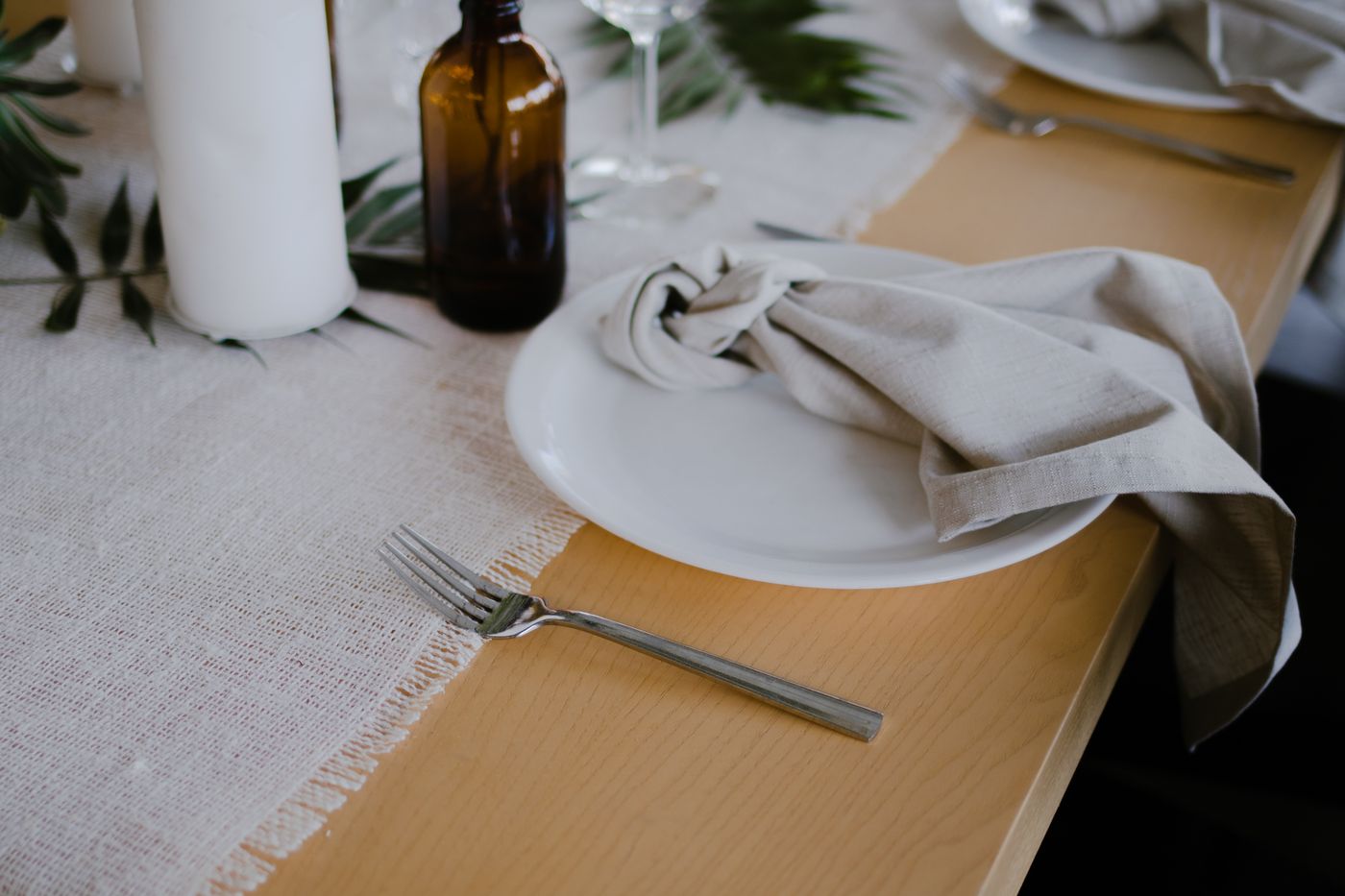
When the plates carry the interest, a low arrangement of flowers or a single bowl may be enough in the centre. Leave room for serving dishes. Cloth napkins folded simply can add texture without introducing another complicated motif. Cutlery does not need to match the plates, but each place should have what the menu requires.
Take a quick photograph if you want to remember a combination that worked, then stop adjusting it. The point of using what you have is to make hosting more flexible. Once guests are sitting down, the table becomes a shared working surface, and the best arrangement is one that makes dinner comfortable.