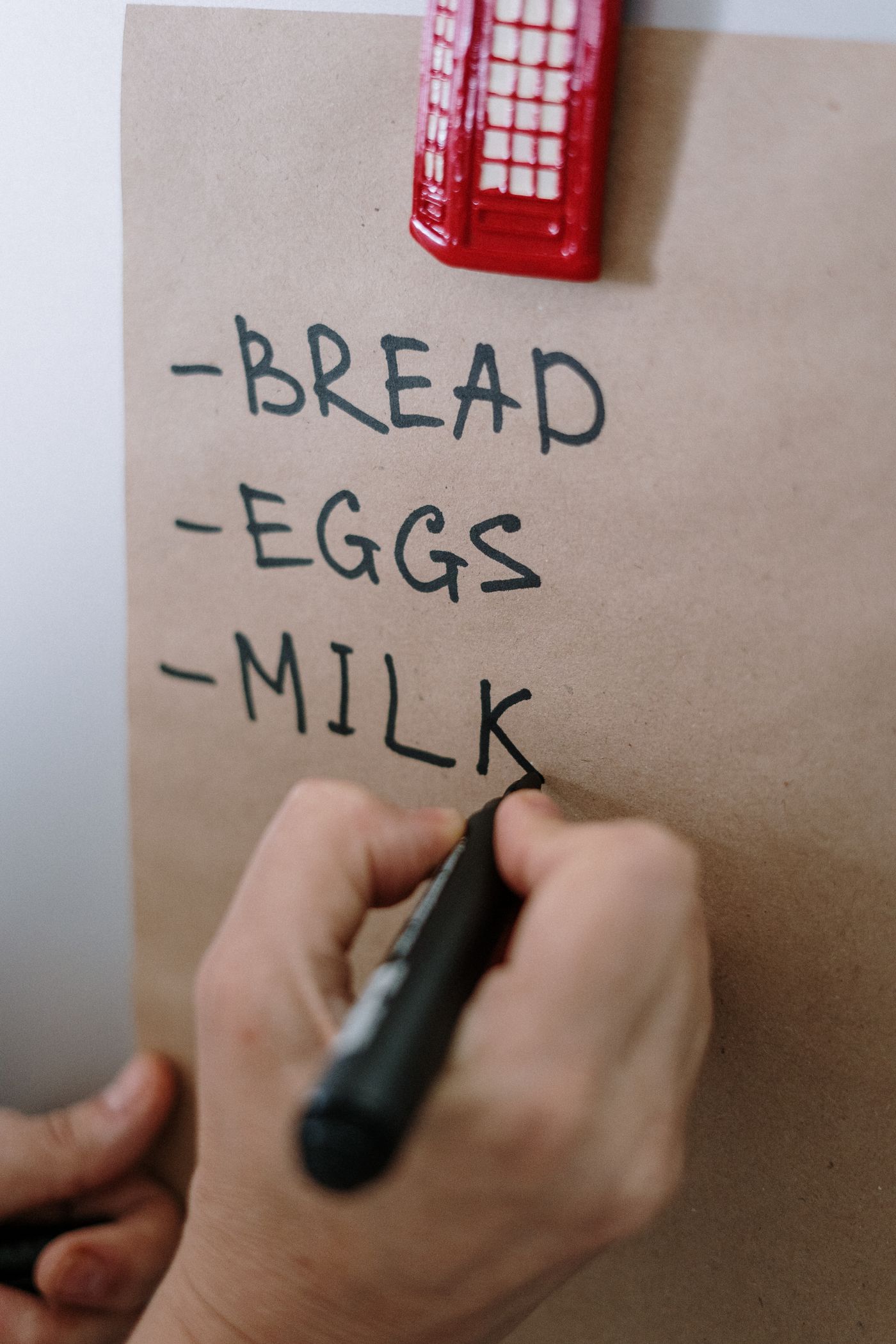
Keep a running list that you actually review
Give loose reminders a dependable home, then turn selected entries into actions.
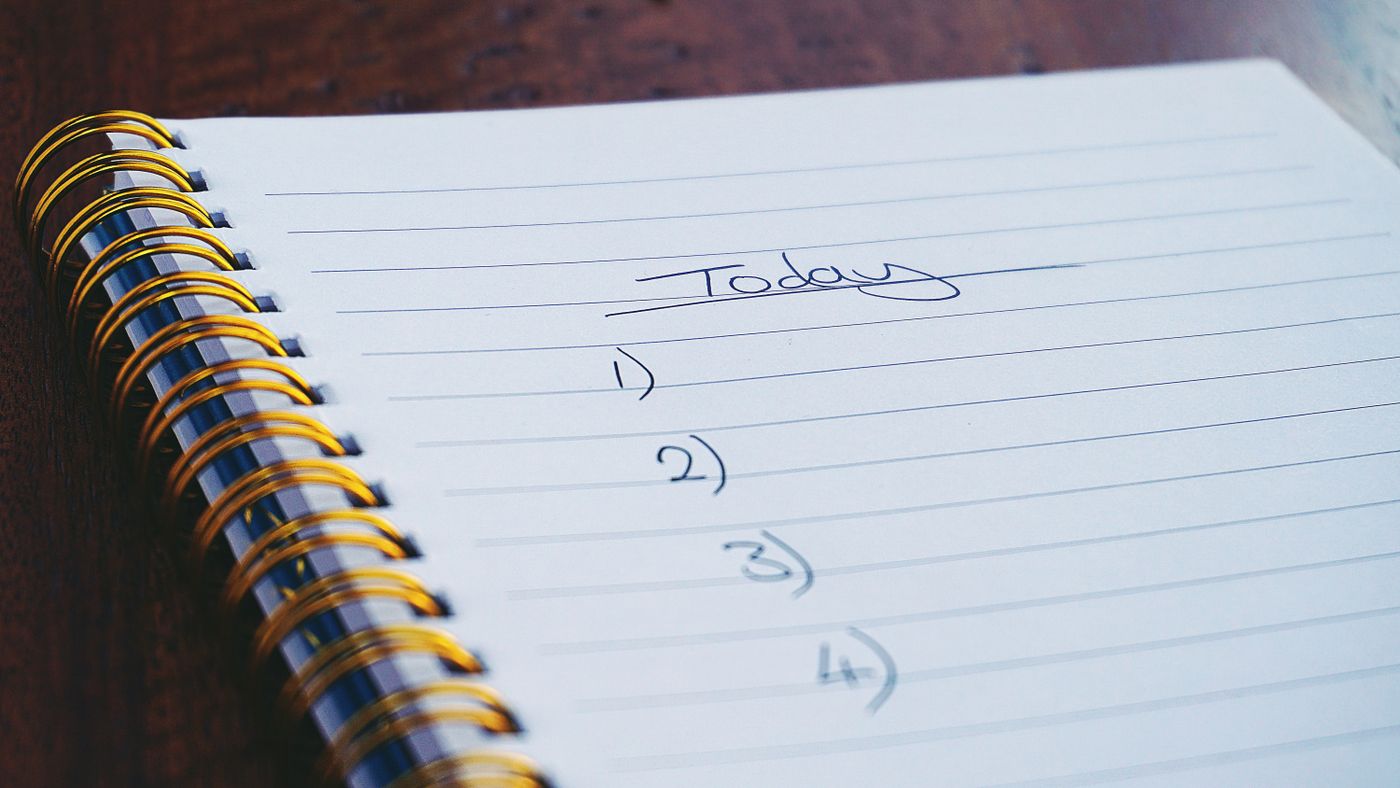
A running list catches thoughts before they disappear, but collecting is only half its job. If “buy batteries”, “look into curtains” and “sort insurance” sit together for months, the list may be preserving reminders without helping you use them. Give the list one reliable location and a predictable moment when you decide what happens next.
Use a notebook page or an app you already open. There is little advantage in selecting a sophisticated system that requires another login or device. The capture point should be available when the thought arrives, whether you are in the kitchen or leaving the house. Temporary scraps are fine if they are transferred promptly.
Capture clearly enough for later
Write the missing detail now. “Batteries for kitchen scales” is more useful than “batteries”, especially if the size can be checked at the same time. For an enquiry, record who you need to contact or where the answer is likely to be found. Your future self should not have to reconstruct the original problem.
Separate things to buy from things to investigate when you review, rather than designing an elaborate filing system during capture. A shopping list can travel with you; a question about a repair belongs near the information needed to answer it. Keep the original list simple enough to maintain.
Make a review do some work
Look through the list before planning the week or going shopping. Delete items that no longer matter. Move time-sensitive actions onto the calendar, and choose a few remaining tasks that fit the available time. The running list is a supply of possible work, not a demand that everything must be completed immediately.
Large entries need a smaller next step. “Sort photographs” might become “choose one folder to review”. “New curtains” could begin with measuring the window and checking the existing rail. If you cannot name an action, the item may be an idea to consider rather than a task to schedule.
Keep waiting items separate from actions you can take now. Write what you are waiting for and when it makes sense to follow up. This prevents repeatedly rereading the same line as though it were something you have forgotten to do.
Occasionally begin a fresh page with only the items still worth keeping. The act of choosing is useful. A long archive of crossed-out tasks is optional; a short list that you trust is the part that supports everyday decisions.