Deal with the clothes that land on a chair
Separate clothing that can be worn again from laundry and items waiting for a decision.
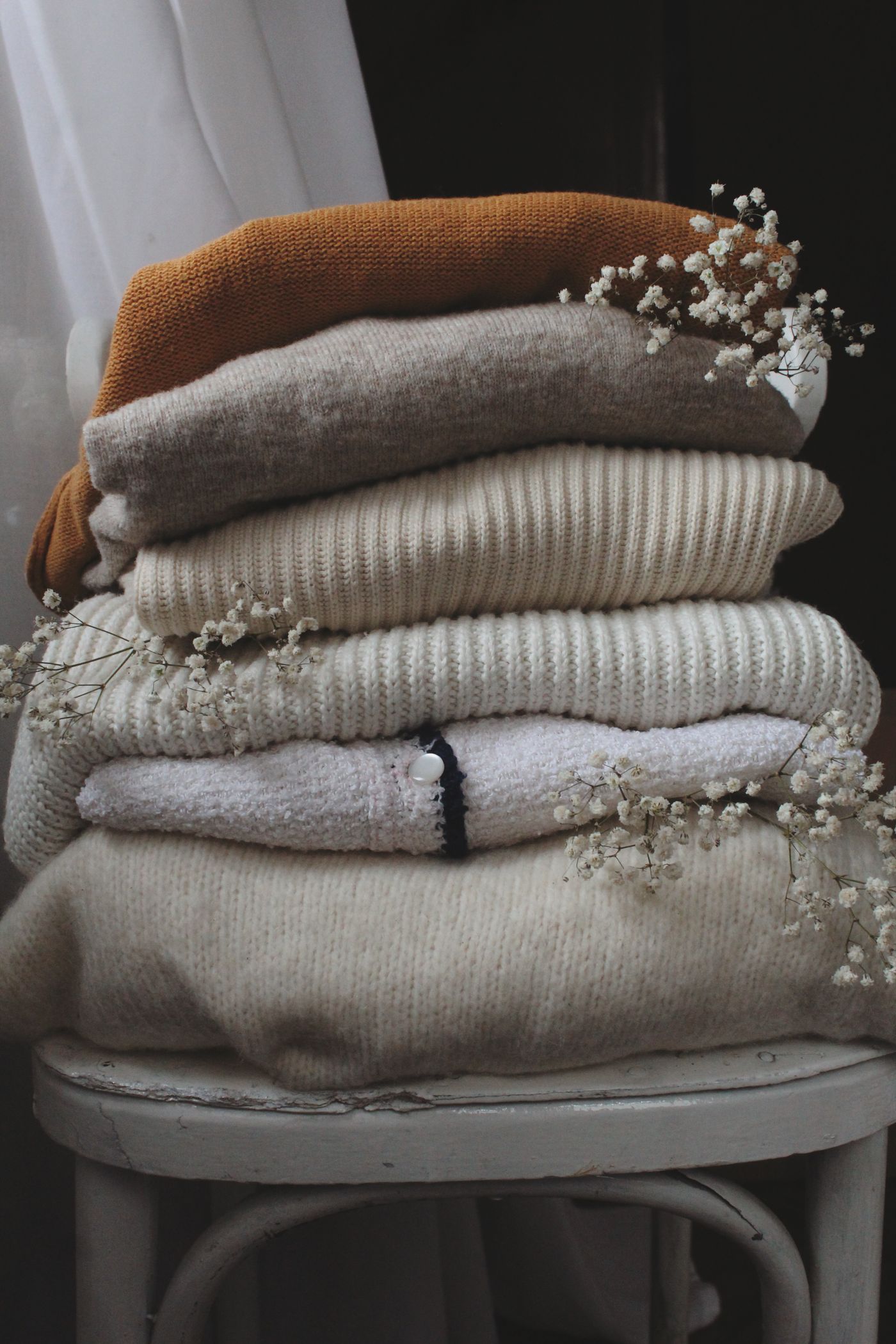
A chair covered in clothes often contains several different categories pretending to be one pile. There may be a cardigan suitable for another wear, a shirt needing washing, trousers waiting for a repair and an outfit rejected that morning. Giving each category a destination is more effective than repeatedly clearing the chair without changing what happens next.
Start with the current pile. Put items needing care into the appropriate laundry or cleaning route. Return clean, unworn clothing to its normal storage. Set aside repairs with a note describing the job. Do not fold everything into one basket, because that preserves the same uncertainty in a different shape.
Make room for another wear
Clothing that is suitable to wear again needs a modest, defined space. A few hooks, a short section of a rail or a ventilated shelf can work depending on the garment. Avoid overcrowding and let pieces air appropriately. Check the garment's condition rather than automatically treating everything worn once as either clean or dirty.
Choose a limit that fits the physical space. If there are three hooks, reaching the fourth item means reviewing what is already hanging. The limit is not a moral rule about tidiness; it makes the storage usable and keeps forgotten garments from accumulating underneath newer ones.
Deal with the morning rejects
An outfit tried on and not worn can usually return immediately to its place. If it repeatedly lands on the chair because it does not fit comfortably or match anything, move it into a separate decision process. It may need alteration, a different pairing or removal from the active wardrobe.
Repairs should have a next action. Put a missing button with the garment, note the issue and choose when to mend it or ask for help. A bag labelled “repairs” can become permanent storage if nothing ever leaves it. Keep its capacity small enough that you can see what is waiting.
Notice whether the chair is closer than the wardrobe for a reason. Difficult hangers, overflowing drawers or a door blocked by furniture add friction to putting things away. Address that obstacle before relying on greater determination at the end of a long day.
Once the chair is clear, let it remain a chair. Put a book or cushion there only if you use it while sitting, not as a barrier intended to force better behaviour. The alternative clothing destinations should do the work.