Keep a small creative project ready to pick up
Reduce setup time by keeping one project together and the shared surface recoverable.
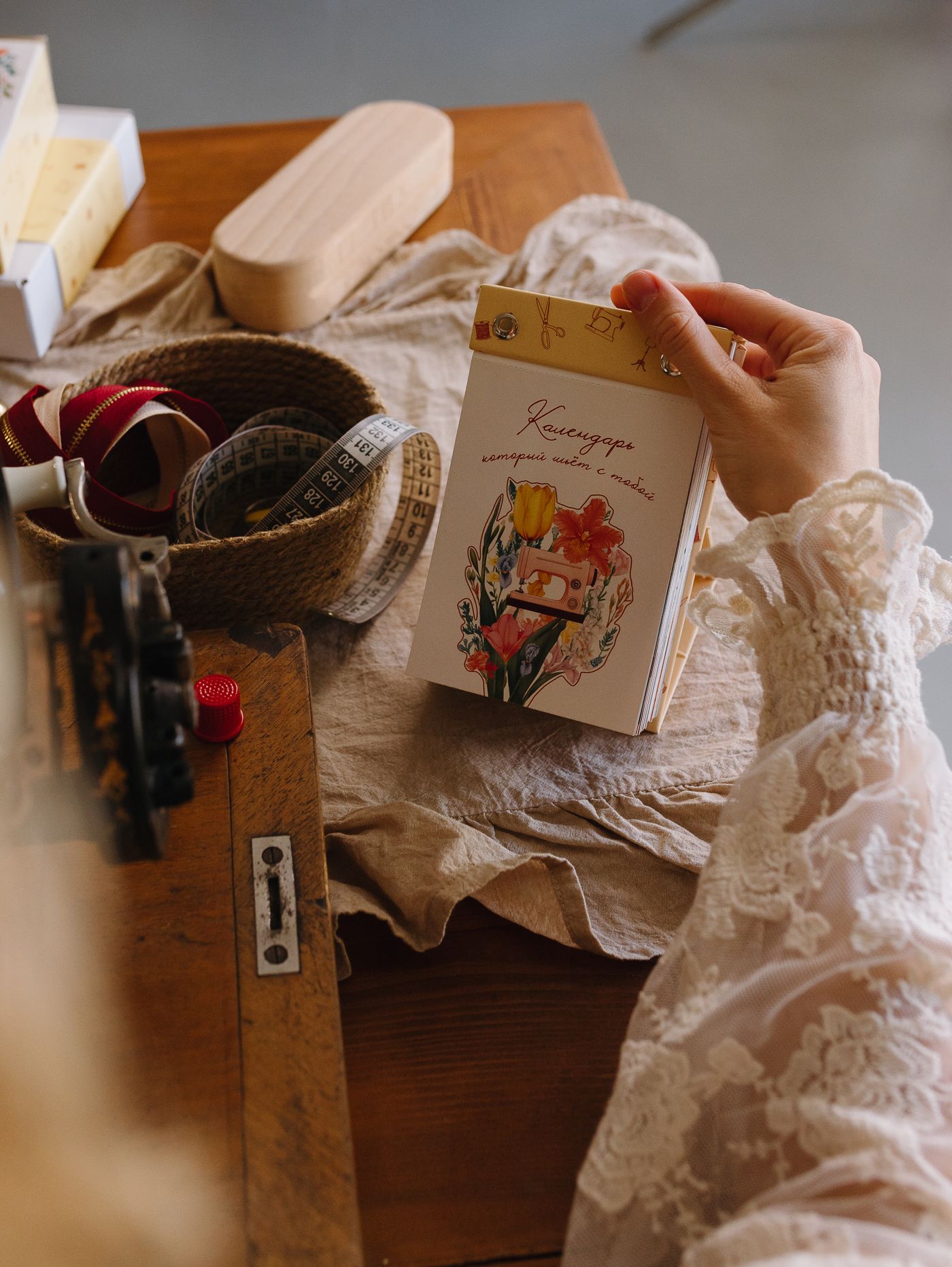
A creative project is easier to resume when its next action is visible. Instead of arranging every supply you own, choose one activity and gather the materials needed for its current stage. A half-finished card needs its paper, adhesive and drawing tools; it does not need the entire craft cupboard beside it.
Find a container that fits the project without bending or crushing it. A shallow box allows small pieces to remain visible, while a folder may protect flat work. Label the container with the project rather than a broad category such as “crafts”. This prevents the active work from disappearing into general storage.
Leave a useful stopping note
Before packing away, write what you intended to do next. “Cut two blue panels to match this sample” is easier to act on than “continue card”. Include dimensions or a reference sketch when they matter. The note preserves the decision already made, so the next session does not begin by solving the same problem again.
Keep materials that require special storage in their appropriate place, even if that means the project is not entirely self-contained. Follow product labels for adhesives, paints and solvents, and keep sharp tools away from children or pets. Convenience should not override the conditions under which a material can be stored safely.
A project tray is useful only if there is somewhere to put it between sessions. Measure the intended shelf and allow room to lift the tray out without tipping it. In a shared room, agree which surface can be occupied and when it needs to return to ordinary use.
Keep the active selection small
Choose enough colours and tools for the current piece rather than displaying all the alternatives. Too many options can turn a short session into browsing supplies. Put unused materials back before opening another project, particularly if small components are easy to confuse.
Separate experiments from the finished work. A scrap sheet for testing paint or adhesive avoids using the project itself as the first trial. Keep successful test pieces with the work when they record a useful colour or method, and discard the rest appropriately once they no longer help.
Design a kit for one small project
For a set of handmade cards, put the folded card blanks in a flat folder and keep the chosen paper, cutting guide and matching envelopes beside them. Store a sample of the intended arrangement with the pieces. Tools that serve other household jobs can stay in their normal safe location, with a short note listing what to collect. This avoids permanently tying up the only useful scissors.
Divide the work into stages that fit the available surface. Cutting several panels together may be convenient, but assembly can wait until the table is free again. Keep unfinished components labelled if their orientation matters. A small arrow on a removable note can prevent repeatedly deciding which way a patterned piece should face.
Check whether the container makes the next session easier or merely hides the project. You should be able to identify the current work without emptying everything. If an attractive deep basket buries flat pieces, a plainer shallow box may support the project better.
When a project has been untouched for a long time, review it honestly. You may want to finish it, change its scale or return the supplies to storage. Pausing a project deliberately is different from leaving it indefinitely in the only clear space available. A ready-to-use creative setup should make room for the work you currently want to do.