Start a journal without designing a perfect routine
Begin with a form of writing you can use, not a notebook you are afraid to spoil.
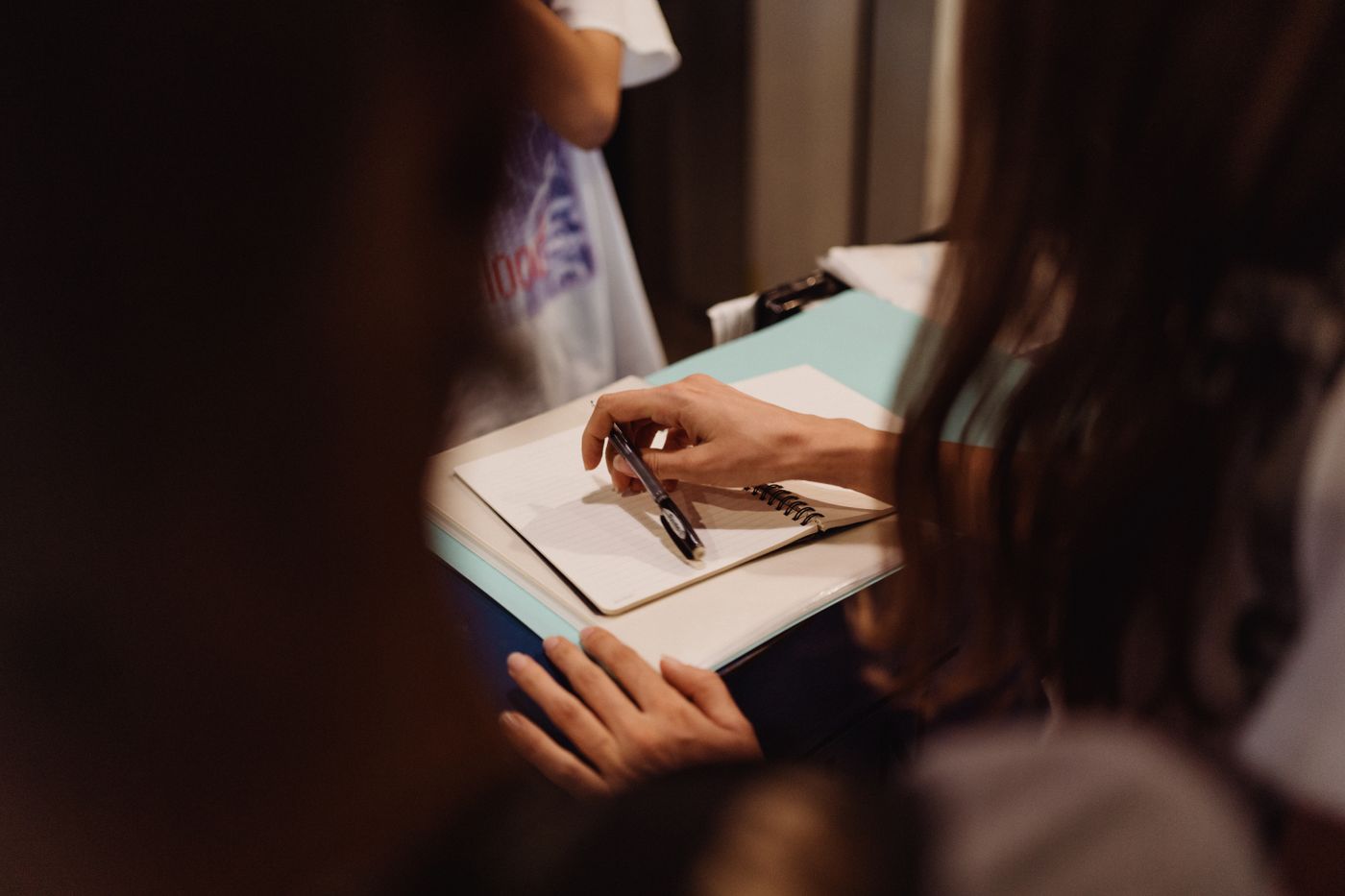
The first page of a new journal can feel more demanding than the rest of the book. Remove the need for a polished introduction by writing the date and one ordinary observation: what you noticed on the way home, a conversation you want to remember or something still occupying your thoughts. The notebook does not need a statement explaining what kind of person you intend to become.
Choose a format that suits your hands and circumstances. A small notebook travels easily, while a larger page offers room for sketches or longer writing. If privacy is a concern, think about storage before beginning. A lock on a decorative diary is not a substitute for an arrangement that respects personal boundaries.
Give the page a manageable job
Some days the journal might hold a paragraph; other days it may contain three brief lines. Try recording one event, one detail and one question. These are prompts, not compulsory headings. If a different subject matters more, write about that instead of forcing the day into a fixed form.
You can also use the page to describe rather than evaluate. Note the colours in a room, the weather during a walk or the sound of a busy kitchen. Specific details can make an entry meaningful later without requiring a judgement about whether the day was successful.
Avoid turning every entry into a list of improvements you owe yourself. Plans and frustrations have a place, but a journal can also preserve small pleasures, unresolved thoughts and things that are simply interesting. There is no requirement to end each page with a lesson.
Let gaps remain gaps
If you miss several days, begin with today. Reconstructing an entire missing week may create enough work to prevent you from returning. Add a brief note about the gap only if you want to. Dates are helpful for orientation; they are not attendance marks.
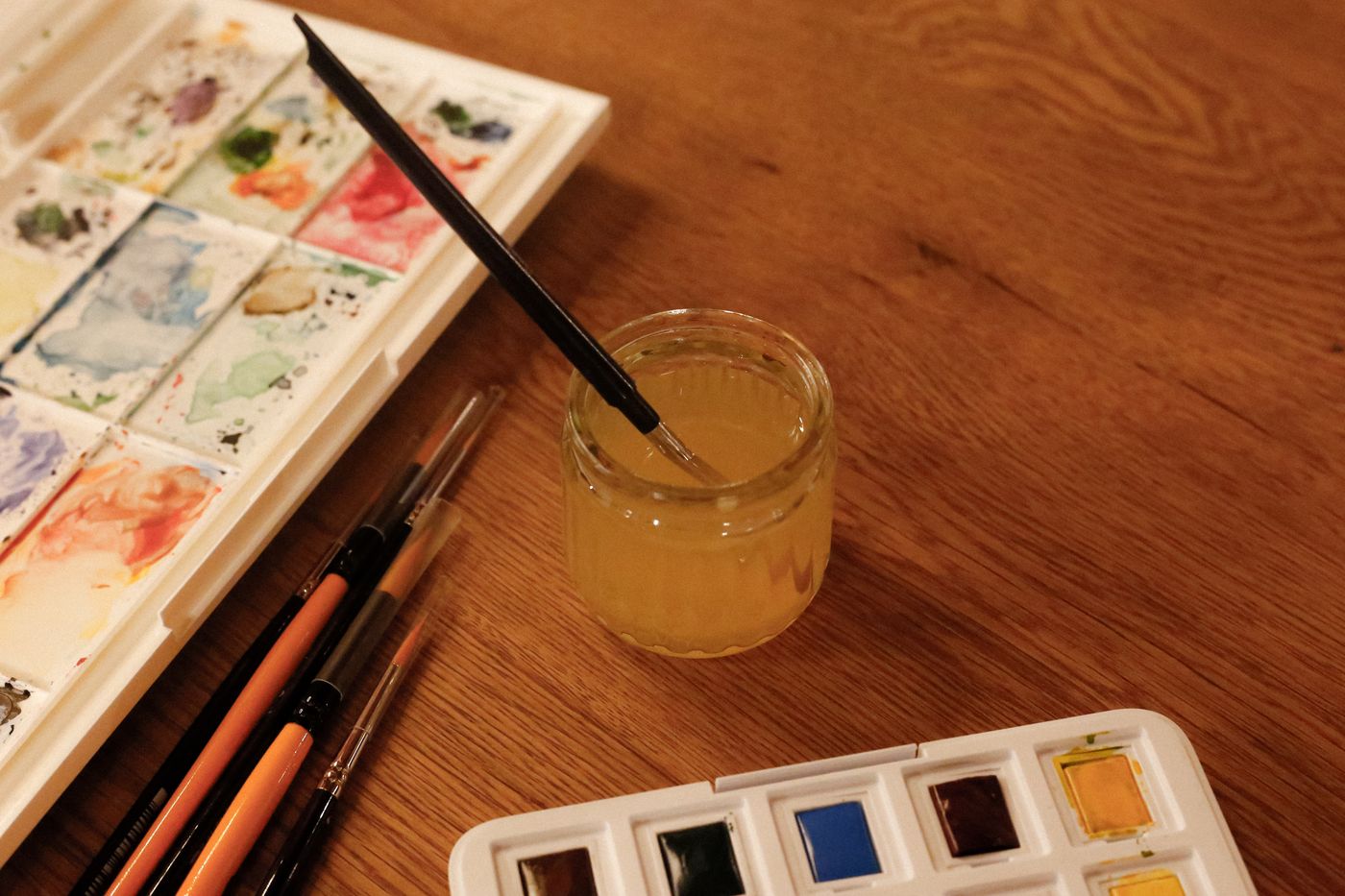
Do not buy a complicated collection of pens and stickers before you know how you like to write. A tool that feels comfortable is sufficient. Decoration can be enjoyable, but it should not become the preparation you must finish before the actual journalling can happen.
After a few weeks, ask whether the practice gives you something you value: a record, a place to think or an opportunity to notice. Change the format if needed. You can use separate pages for plans, draw instead of writing or keep entries very short. The journal belongs to the life being recorded, not to a standard of how journals ought to look.